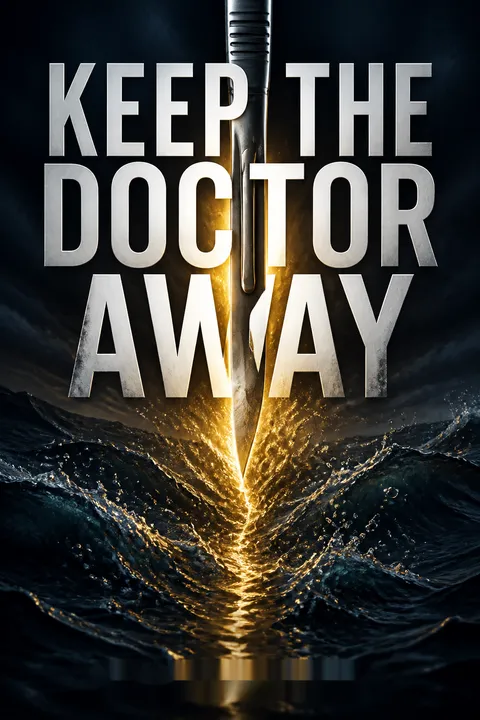

Plot Summary
Night of Blood and Fear
Seven-year-old Lily is woken by her mother in the dead of night, told to be silent and flee. Her mother's eyes are wild, her words cryptic—"They're here. They'll take you." As Lily is led through the house, she hears the news of a murder-suicide on TV. Her mother claims her father was "one of them" and that she's protected Lily by killing him. Lily's terror grows as her mother raves about unseen threats, culminating in a frantic confrontation and the arrival of police. The trauma of that night, her mother's madness, and her father's death will haunt Lily for the rest of her life, shaping her fears and her sense of reality.
Arrival at Northwind Island
Years later, Lily and her husband David arrive at Northwind Island, where David has been offered a prestigious job as a surgeon at a private clinic. The island is isolated, accessible only by boat, and shrouded in secrecy. The couple is soaked by rain as they approach, greeted by high white walls and a sense of foreboding. David is hopeful—this is his big break after years of struggle—but Lily is anxious, wary of the compound's strict rules and the loss of her old life. The promise of luxury and a fresh start is tainted by the island's insular, almost prison-like atmosphere.
The Compound's Cold Welcome
Lily and David are met by Winston, the head of security, who collects their phones and ushers them into the compound. The staff and residents are a mix of wealthy patients, migrant workers, and tight-lipped employees. The rules are strict: no outside contact, constant surveillance, and an air of secrecy about the clinic's true purpose. Lily feels increasingly like an outsider, her every move watched, her questions deflected. The compound's beauty is undermined by its oppressive control, and Lily's unease grows as she senses that something is deeply wrong beneath the surface.
A Knife on the Balcony
On their first night, Lily is left alone on a balcony with Cordelia, Dr. Keenan's cold wife. Suddenly, a woman in a white dress—Stacy, a surgical nurse—appears, dazed and holding a kitchen knife. She warns Lily, "You shouldn't have come here. They'll come for you." The confrontation ends with Stacy dropping the knife and leaping to her death in front of everyone. The horror of the moment is compounded by the eerie parallels to Lily's childhood trauma, and the sense that the island harbors secrets far darker than cosmetic surgery.
Aftermath and Unsettling Questions
In the aftermath, Lily is questioned by Winston and Dr. Keenan. The staff downplay Stacy's death as a suicide due to mental illness, but Lily is haunted by Stacy's warning and the sense that Cordelia is hiding something. Her memories of her mother's breakdown resurface, blurring the line between reality and paranoia. Lily's attempts to recount what happened are met with skepticism, and she begins to doubt her own perceptions. The island's isolation and the staff's evasiveness only deepen her sense of dread.
The House of Secrets
Lily and David move into their luxurious villa, but the joy is hollow. The trauma of Stacy's death lingers, and Lily's sense of safety is shattered. She notices her belongings have been disturbed, fueling her paranoia that someone is watching or searching their things. David tries to reassure her, but his focus is on his new job and the promise of success. Lily's nightmares return, blending her mother's madness with the island's threats. The house, meant to be a symbol of their new life, becomes a prison of anxiety and suspicion.
Paranoia and Nightmares
Lily's sleep is plagued by night terrors—her mother's voice, warnings of danger, and visions of her father's murder. She struggles with the fear that she might inherit her mother's schizophrenia, especially as she begins to hear things others don't. A late-night walk brings her into contact with Winston, who dismisses her concerns about screams in the night as the sounds of partying migrant workers. Lily's sense of reality frays as she questions whether she's losing her mind or if the island truly hides something sinister.
The First Death
David's first surgery at the clinic ends in tragedy when his elderly patient, Ernest, dies unexpectedly. The event devastates David, shattering his confidence and sense of purpose. Lily tries to comfort him, but the loss only deepens the couple's isolation and fear. The staff's response is cold and procedural, treating the death as an unfortunate risk rather than a tragedy. The incident raises more questions about the clinic's practices and the true nature of its operations.
The Detective's Visit
Detective Andrews arrives to investigate Stacy's death, but his presence is fleeting and ambiguous. He questions Lily, who struggles to recall and articulate the details of that night. The detective's visit is unsettling—he seems both real and unreal, and later, Winston and others deny ever meeting him. Lily's grip on reality slips further as she wonders if she imagined the encounter, or if the island's security apparatus is erasing inconvenient truths.
Making Friends, Making Enemies
Lily tries to find her place among the island's residents, befriending Selene, a wealthy patient awaiting surgery, while clashing with the aloof Cordelia. The patients are a mix of the privileged and the desperate, each with their own secrets and anxieties. Lily learns that Dr. Keenan's son, Bryce, mysteriously left the clinic, and that staff turnover is high. The social dynamics are fraught, with alliances shifting and trust in short supply. Lily's friendship with Selene offers some comfort, but also exposes her to the moral compromises of those seeking youth and health at any cost.
Dinner with the Keenan's
A dinner at the winery with Dr. Keenan and Cordelia reveals more about the island's hierarchy and the Keenan family's troubled history. Keenan shares his own story of survival and ambition, while Cordelia remains distant and enigmatic. The conversation turns to the pressures of the job, the isolation of island life, and the mysterious departure of Bryce. Lily senses that beneath the surface, the Keenan family is fractured by secrets and guilt, and that the clinic's operations are more than they appear.
A Picture of the Dead
Lily discovers a photograph of Stacy, happy and alive, hidden in her villa. The photo's presence is inexplicable and deeply unsettling—did Stacy live here, or was she involved with Bryce? When Lily tries to show the photo to David, it goes missing, fueling her paranoia that someone is entering their home and erasing evidence. Her attempts to seek help are met with gaslighting and dismissal, deepening her sense of isolation and vulnerability.
Selene's Collapse
During a badminton match, Selene collapses with chest pain. Lily calls for help, and Dr. Keenan rushes her to the clinic. The incident is treated as a medical emergency, but Lily suspects there is more to Selene's condition—and to the clinic's methods—than meets the eye. The event underscores the precariousness of life on the island, where even the privileged are not safe from harm, and where medical crises are shrouded in secrecy.
The Surgery and the Barrel
Lily, driven by suspicion and fear, sneaks into the clinic at night and witnesses a gruesome surgery: Dr. Keenan removes the heart of a migrant worker and transplants it into Selene. The dead man's body is disposed of in a blue barrel, to be dumped and erased. Lily realizes the clinic is a front for organ harvesting, using the migrant workers as a supply for the wealthy patients. The scale of the operation and the complicity of the staff are overwhelming, and Lily's world collapses as she confronts the truth.
Honeymoon in Mexico
After the trauma, Dr. Keenan sends Lily and David on a lavish "honeymoon" to Mexico, ostensibly to help them recover. The trip is a surreal interlude—luxurious, but haunted by guilt and fear. David meets Alonso, a shadowy investor in the clinic, who makes it clear that their future depends on loyalty and silence. Lily tries to research Stacy and Bryce, but finds only dead ends and more questions. The vacation is a gilded cage, and the couple returns to the island more trapped than ever.
The Truth About Northwind
Back on the island, Lily confronts David and learns the full extent of his complicity. David reveals he never finished his surgical residency and took the job out of desperation. He admits to participating in the organ harvesting, rationalizing it as a means to a better life. Lily is devastated by his betrayal and the realization that escape is nearly impossible—those who try to leave, like Bryce, are killed. The couple is caught in a web of blackmail, violence, and moral compromise.
The Missing Photo
Lily's paranoia intensifies as she discovers the photo of Stacy has been stolen from her room. She accuses Winston and the staff of searching their home, but is met with denial and condescension. David begins to question Lily's sanity, suggesting she seek professional help. The island's security apparatus tightens around her, erasing evidence and manipulating perceptions. Lily's sense of reality is under siege, and she fears she is being driven mad—or made to appear so.
The Night Visitor
One night, Lily sees a migrant worker—Luis—watching her from the balcony. She screams, but when David and security search, no one is found. The incident is dismissed as another sign of Lily's instability, but she is certain of what she saw. The sense of being hunted grows, and Lily realizes that the island's walls are not just to keep outsiders away, but to keep her trapped inside.
The Escape Attempt
Determined to escape, Lily seeks help from the migrant workers, led by Mateo. She reveals the truth about the clinic, sparking outrage and a plan to flee by boat. Before they can act, Winston and his guards intervene, capturing Lily and crushing her hopes of freedom. She is returned to the compound, where Dr. Keenan and David debate her fate. Lily feigns a mental breakdown, hoping to buy time, but knows her life is in grave danger.
The Revolt
The migrant workers, enraged by the revelation of the clinic's crimes, revolt against the guards. The compound descends into violence—fires, gunshots, and hand-to-hand combat. Lily escapes in the chaos, aided by Cordelia, who finally confesses her own complicity and guilt. Cordelia gives Lily Dr. Keenan's laptop, containing evidence of the clinic's crimes, and helps her reach the beach. As the compound burns, Lily flees on a paddleboard, clutching the proof that could bring down the entire operation.
The Clinic's Final Night
Inside the clinic, Dr. Keenan is killed by Cordelia, who can no longer bear the weight of her family's sins. David, torn between love and survival, is forced to choose between Lily and his own life. The guards are overwhelmed by the workers' revolt, and the compound is left in ruins. The organ harvesting operation is exposed, but at a terrible cost—most of the staff and workers are dead, and the island is abandoned.
Exposing the Island
Lily survives her escape, rescued by a fisherman. She goes public with the evidence from Keenan's laptop, exposing the organ harvesting ring and implicating powerful politicians, celebrities, and business leaders. The media frenzy is intense, but the forces behind the clinic move quickly to cover their tracks—witnesses disappear, and Lily is declared dead by drowning. She resurfaces in a televised interview, determined to hold the guilty accountable, but knows she will never be truly safe.
Aftermath and Reckoning
The fallout from the Northwind scandal is global—arrests, trials, and public outrage. Many of the wealthy clients are exposed, but the true masterminds remain at large, protected by money and influence. Lily becomes a symbol of resistance, but lives in constant fear of retribution. The trauma of her experiences lingers, and the fate of many survivors remains unknown. The world is forced to confront the reality of exploitation and the dark side of privilege.
Facing the Past
In the epilogue, Lily visits her mother in a group home, seeking closure and understanding. She reflects on the legacy of trauma, the dangers of denial, and the importance of facing the truth. The scars of Northwind will never fully heal, but Lily is determined to live openly, refusing to hide from her past or the threats that remain. The story ends with a sense of hard-won resilience, but also the haunting knowledge that the powerful may still come for her.
Analysis
A modern parable of privilege, complicity, and the cost of truthKeep The Doctor Away is a psychological thriller that uses the trappings of a locked-room mystery and medical horror to explore the dark intersections of wealth, power, and exploitation. The island setting is a microcosm of a world where the privileged prey on the vulnerable, rationalizing their crimes as necessary or inevitable. The story's power lies in its refusal to offer easy answers—every character is compromised, every act of resistance is fraught with danger, and the line between sanity and madness is perilously thin. Lily's journey is both a personal and political awakening, forcing her to confront the legacy of trauma, the dangers of denial, and the moral imperative to bear witness. The novel's conclusion is both cathartic and unsettling: justice is partial, the powerful remain at large, and the scars of violence endure. In an age of increasing inequality and institutional corruption, Keep The Doctor Away is a timely meditation on the price of survival and the courage required to speak the truth, even when the world insists you are mad.
People Also Read


Characters
Lily Parker
Lily is the protagonist, shaped by childhood trauma—her mother's psychosis and her father's murder. As an adult, she seeks stability with her husband David, but is plagued by anxiety, nightmares, and a fear of inheriting her mother's mental illness. On Northwind Island, Lily's outsider status and inquisitive nature make her both vulnerable and dangerous to those in power. Her psychological journey is marked by paranoia, gaslighting, and a struggle to distinguish reality from delusion. Ultimately, Lily's resilience and moral clarity drive her to expose the island's crimes, even at great personal risk. Her arc is one of survival, self-doubt, and the painful pursuit of truth.
David Parker
David is Lily's husband, a surgeon whose career has stalled due to past mistakes. Desperate for redemption and financial security, he accepts the job at Northwind, rationalizing the clinic's horrors as necessary sacrifices. David's need for validation and fear of failure make him susceptible to manipulation by Dr. Keenan and the clinic's power structure. His relationship with Lily deteriorates as he becomes complicit in the island's crimes, torn between love and self-preservation. David's arc is tragic—his ambition leads him to betray his values and his wife, culminating in his own destruction.
Dr. Will Keenan
Dr. Keenan is the head of the clinic, a larger-than-life figure whose genial exterior masks a capacity for violence and moral corruption. He is both mentor and tormentor to David, embodying the seductive allure of power and the rationalizations of those who exploit others for "the greater good." Keenan's personal tragedies—his son's death, his wife's alienation—fuel his descent into monstrosity. He is both a product and an architect of the island's evil, ultimately undone by his own family.
Cordelia Keenan
Cordelia is Dr. Keenan's wife, emotionally distant and inscrutable. She is a symbol of the island's moral rot—aware of the crimes but choosing silence and denial. Her interactions with Lily are marked by passive aggression and hidden pain. Cordelia's guilt over her son's fate and her complicity in the clinic's operations eventually drive her to act, helping Lily escape and killing her husband. Her arc is one of belated redemption, but also profound loss.
Winston Delvies
Winston is the enforcer of the compound's rules, overseeing surveillance, intimidation, and the erasure of inconvenient truths. He is the embodiment of institutional power—efficient, unfeeling, and ultimately disposable. Winston's loyalty to the clinic is absolute, but he is also a pragmatist, willing to do whatever is necessary to maintain order. His presence is a constant threat to Lily and a reminder of the island's inescapable control.
Selene Ashford
Selene is a patient awaiting surgery, whose friendship with Lily offers both comfort and danger. She is witty, self-deprecating, and acutely aware of the compromises required to survive in a world that values youth and beauty above all. Selene's willingness to benefit from the clinic's crimes, even as she fears for her own life, makes her both sympathetic and culpable. Her collapse and subsequent surgery reveal the human cost of privilege and the desperation that drives people to accept the unacceptable.
Stacy Reemins
Stacy is the surgical nurse whose suicide sets the story's events in motion. Her warning to Lily—"They'll come for you"—is both a literal and symbolic prophecy. Stacy's descent into madness mirrors Lily's own fears, and her death is a catalyst for the unraveling of the island's secrets. Stacy's relationship with Bryce Keenan and her knowledge of the clinic's crimes make her a tragic figure, destroyed by the system she served.
Mateo Torres
Mateo is one of the Mexican workers brought to the island under false pretenses. Initially wary of Lily, he becomes a key ally in her escape, helping to organize the workers' revolt. Mateo's arc is one of awakening and resistance, as he moves from survival to defiance. His story highlights the exploitation at the heart of the clinic's operations and the power of collective action.
Alonso Perez
Alonso is the clinic's financier, a figure who operates above the law and beyond morality. He represents the global reach of the organ harvesting operation and the impunity of the ultra-wealthy. Alonso's brief interactions with David and Lily reveal the true stakes of the story—those who challenge the system are expendable, and justice is elusive. His escape at the end underscores the limits of individual resistance.
Detective Andrews
Detective Andrews is the outsider who briefly investigates Stacy's death, but whose reality is called into question. His presence is both reassuring and menacing, and his later appearance as a guard suggests he may be part of the cover-up. Andrews embodies the story's themes of gaslighting, institutional corruption, and the difficulty of discerning truth from deception.
Plot Devices
Isolated Setting and Surveillance
Northwind Island is both a physical and psychological trap, its isolation enforced by geography, security, and social pressure. The compound's walls, cameras, and rules create an atmosphere of paranoia and claustrophobia, amplifying Lily's sense of vulnerability. The setting functions as a character in its own right, shaping the narrative's tension and the characters' choices.
Unreliable Narration and Gaslighting
Lily's perspective is shaped by her childhood trauma and the island's psychological warfare. The staff's denial of events, the erasure of evidence, and the suggestion that Lily is mentally ill create a pervasive sense of uncertainty. The narrative structure uses flashbacks, dreams, and hallucinations to blur the line between reality and delusion, keeping the reader off-balance and heightening the story's suspense.
Foreshadowing and Parallels
The story is rich in foreshadowing—Lily's mother's warnings, Stacy's prophecy, the missing photo, and the recurring motif of "they'll come for you." These elements create a sense of inevitability and doom, as Lily's past traumas are replayed and amplified on the island. The parallels between Lily, her mother, and Stacy reinforce the themes of inherited trauma and the dangers of denial.
Moral Ambiguity and Complicity
The characters are forced to confront the price of their own survival—David's willingness to kill, Selene's acceptance of a stolen heart, Cordelia's silence, and Lily's own compromises. The story resists easy judgments, instead exploring the ways in which ordinary people become complicit in evil through rationalization, fear, and self-interest. The plot device of the "blue barrel" becomes a symbol of erased lives and the cost of privilege.
Revolt and Catharsis
The uprising of the migrant workers is both a moment of catharsis and a descent into violence. The revolt exposes the fragility of the island's power structure, but also the limits of justice in a world rigged against the powerless. The chaos of the final night serves as both a reckoning and a warning—the system may be disrupted, but the forces behind it remain.
Exposé and Public Reckoning
Lily's escape with the evidence and her decision to go public are the story's climax, transforming personal trauma into collective action. The media frenzy, the arrests, and the ongoing threats highlight the dangers and limitations of whistleblowing. The narrative structure uses interviews, news reports, and public documents to underscore the importance of transparency and the difficulty of achieving justice.
Download PDF
Download EPUB
.epub digital book format is ideal for reading ebooks on phones, tablets, and e-readers.








































