
Plot Summary
Swan's First Song
Patti Smith's earliest memories are marked by a sense of wonder and longing, symbolized by her fascination with a swan in Humboldt Park. Born into a working-class family, she is shaped by illness, religious ritual, and the solace of books. Her imagination is fueled by stories, art, and the desire to express herself, even as she feels out of place in the world around her. Early experiences with guilt, loss, and the weight of imperfection—such as the death of her friend Stephanie—instill in her a sense of duality: light and dark, good and bad. These formative years lay the groundwork for her lifelong quest to find meaning through art, prayer, and the written word, setting the stage for the journey that will define her life.
Becoming Artists, Becoming Outcasts
Patti and Robert Mapplethorpe grow up in different worlds but share a restless creative spirit. Patti, inspired by literature and art, dreams of being both muse and maker. Robert, a sensitive boy with a penchant for beauty and ritual, is drawn to art despite his family's expectations. Both feel alienated—Patti by her tomboyishness and Robert by his secret desires and aesthetic inclinations. Their early lives are marked by a sense of not belonging, a hunger for something more, and a willingness to defy convention. These parallel paths, shaped by longing and rebellion, set them on a collision course in New York, where their destinies will intertwine in ways neither could have foreseen.
Colliding in New York
Patti arrives in New York with little more than hope and a suitcase, quickly discovering the city's indifference and her own vulnerability. Homeless and hungry, she drifts through parks and bookstores, searching for work and connection. A brief, fateful meeting with Robert—then a stranger—plants a seed. Later, when Patti is in need, Robert reappears, rescuing her from an uncomfortable situation and offering companionship. Their instant rapport is marked by mutual recognition: two outsiders, both hungry for art and belonging. This serendipitous reunion cements a partnership that will become the emotional and creative axis of both their lives, as they pledge to face the world together.
The Pact of Poverty
Patti and Robert, united by necessity and vision, become inseparable. They share attic rooms, scavenge for food and furniture, and create a home out of found objects and mutual devotion. Their poverty is both a hardship and a crucible, forging their commitment to art and to each other. They support one another through menial jobs, artistic failures, and moments of despair. Their relationship is defined by a code: one must always be strong when the other falters. Together, they transform deprivation into a kind of freedom, finding joy in small rituals, shared music, and the act of creation. Their love becomes both sanctuary and inspiration.
Hall Street Sanctuary
In their Brooklyn apartment, Patti and Robert cultivate a world of their own. They draw, write, and dream side by side, their creative energies feeding off each other. The apartment becomes a sacred space, adorned with religious icons, thrifted treasures, and the detritus of their shared life. They weather the challenges of poverty, artistic doubt, and the pressures of adulthood, finding solace in each other's presence. Their bond deepens through rituals—music, art, and the exchange of small gifts. The outside world recedes as they build a private universe, sustained by love, ambition, and the belief that they are destined for something greater.
Art, Hunger, and Love
As their artistic ambitions grow, so do the tensions between them. Robert's work becomes darker, infused with Catholic imagery, occult symbols, and explorations of sexuality. Patti, meanwhile, grapples with her own creative identity, torn between poetry, drawing, and the lure of music. Their relationship is tested by jealousy, insecurity, and the intrusion of new friends and lovers. The world outside—marked by political upheaval, cultural revolution, and personal loss—seeps into their sanctuary. Yet, even as they drift apart emotionally and physically, their connection endures, rooted in shared history and mutual respect for each other's art.
Fractures and Awakenings
The pressures of adulthood and the complexities of desire drive Patti and Robert onto separate paths. Patti explores new relationships and artistic mediums, while Robert confronts his sexuality, embarking on his first male affair. Their separation is painful but necessary, allowing each to confront their own needs and limitations. Through heartbreak, jealousy, and loneliness, they come to understand the depth of their bond—not as lovers, but as soulmates and creative partners. Their reunion is marked by honesty and acceptance, as they redefine their relationship and recommit to supporting each other's growth.
Separate Paths, Shared Longing
Patti's journey to Paris with her sister marks a turning point, as she embraces independence and artistic risk. Robert, meanwhile, delves deeper into the sexual and artistic underground of New York, experimenting with new forms and identities. Despite physical distance and changing circumstances, they remain tethered by letters, art, and the memory of their shared struggles. Their lives expand to include new friends, lovers, and mentors, but the longing for each other's presence persists. Through illness, poverty, and creative breakthroughs, they continue to inspire and challenge one another, their connection evolving but never breaking.
Chelsea Hotel: A New Eden
The Chelsea Hotel becomes the epicenter of their world—a haven for artists, misfits, and dreamers. Here, Patti and Robert find community among poets, musicians, and outcasts, each pursuing their own vision of greatness. The hotel's chaotic energy mirrors their own restless ambition, fueling artistic experimentation and personal transformation. They navigate the shifting currents of fame, addiction, and heartbreak, witnessing the rise and fall of friends and idols. Through it all, their partnership remains a constant, a source of strength and stability amid the turbulence of the era. The Chelsea is both crucible and refuge, shaping the artists they will become.
Becoming Themselves, Becoming Legends
As the 1970s unfold, Patti and Robert begin to achieve recognition in their respective fields—she as a poet and musician, he as a photographer. Their creative trajectories diverge, but their mutual support endures. Patti forms a band, blending poetry and rock, while Robert's photography pushes the boundaries of art and sexuality. They each find new mentors, lovers, and patrons, but their bond remains unshakable. The world takes notice, and they are swept into the currents of fame, success, and the demands of public life. Yet, at the core, they remain the same: two kids who believed in each other when no one else did.
The World Expands
With success comes complexity. Patti marries Fred Sonic Smith and starts a family, while Robert finds love and patronage with Sam Wagstaff. Their lives are filled with travel, collaboration, and the pursuit of artistic mastery. Yet, the demands of ambition and the realities of adulthood bring new challenges: illness, loss, and the erosion of innocence. They struggle to balance personal happiness with creative fulfillment, each making sacrifices for their art and for those they love. Through it all, their friendship endures, a testament to the power of loyalty, forgiveness, and shared history.
The Art of Letting Go
As the 1980s draw to a close, Robert is diagnosed with AIDS, and Patti faces the impending loss of her oldest friend. Their final years together are marked by tenderness, regret, and a renewed sense of purpose. They collaborate on new projects, reminisce about their shared past, and confront the inevitability of death. Patti cares for Robert as his health declines, honoring the vow they made to never abandon each other. In their last conversations, they reflect on the meaning of art, love, and legacy, finding solace in the knowledge that their story will live on.
The Final Vow
Robert's death leaves Patti bereft but determined to fulfill her promise: to tell their story and care for his legacy. She mourns not only the loss of her friend but the end of an era—the passing of a generation of artists, dreamers, and misfits. Through grief, she finds meaning in memory, art, and the lives they touched. The book closes with a meditation on the enduring power of love, the necessity of letting go, and the hope that, in telling their story, she has honored the boy who once held her hand and led her into the unknown.
Holding Hands with God
In the aftermath of loss, Patti reflects on the spiritual dimension of her bond with Robert. Their story, she realizes, is not just about art or ambition, but about the search for grace, meaning, and connection in a world that often feels indifferent. Through prayer, poetry, and the act of remembering, she finds a measure of peace. The final image is one of acceptance: two souls, forever entwined, holding hands with God as they journey beyond the confines of time and mortality. Their love, like their art, becomes a song that endures.
Analysis
Just Kids is a luminous meditation on art, love, and the forging of identity in the crucible of adversity. At its heart, it is a love story—not of romance, but of creative kinship, mutual rescue, and the enduring power of chosen family. Patti Smith's narrative is both deeply personal and universally resonant, capturing the hunger of youth, the ache of loss, and the redemptive possibilities of art. The book explores the tension between innocence and experience, the sacred and the profane, and the necessity of embracing contradiction in the pursuit of authenticity. In an era marked by upheaval, Just Kids offers a blueprint for living with courage, compassion, and integrity. Its lessons are clear: true art is born of vulnerability and risk; love endures beyond the boundaries of time and flesh; and the stories we tell—about ourselves, our friends, our dreams—are the most precious legacy we can leave. In honoring her vow to Robert, Patti Smith reminds us that to be "just kids" is not a limitation, but a calling: to see the world with wonder, to hold hands with God, and to make something beautiful out of the brokenness of life.
Review Summary
Just Kids is a memoir by Patti Smith about her relationship with artist Robert Mapplethorpe in 1960s-70s New York. Many reviewers praise Smith's poetic writing and vivid portrayal of their artistic struggles and evolution. The book offers intimate glimpses into the cultural scene of the era, with appearances by notable figures. While some found it self-indulgent or overly detailed, most readers were moved by the deep friendship depicted and Smith's nostalgic yet honest account of their intertwined lives and artistic journeys.
People Also Read








Characters
Patti Smith
Patti is the narrator and emotional core of the story—a woman shaped by childhood longing, spiritual curiosity, and a relentless drive to create. Her relationship with Robert Mapplethorpe is the axis of her life, evolving from romantic love to a profound, platonic partnership. Patti's journey is one of self-discovery, resilience, and transformation: from a sickly, bookish child to a pioneering poet and musician. She is fiercely loyal, often sacrificing her own comfort for those she loves. Her psychoanalytic arc is marked by the integration of opposites—innocence and experience, faith and doubt, love and loss—culminating in a mature acceptance of mortality and the redemptive power of art.
Robert Mapplethorpe
Robert is Patti's soulmate, creative partner, and mirror. Raised in a strict Catholic household, he is drawn to beauty, ritual, and the forbidden. His artistic evolution—from drawing and collage to photography—mirrors his personal journey toward self-acceptance, particularly regarding his sexuality. Robert is both gentle and ambitious, capable of great tenderness and ruthless self-discipline. His relationship with Patti is a source of strength and torment, as he struggles to reconcile love, desire, and artistic ambition. Psychoanalytically, Robert embodies the tension between light and dark, sacred and profane, ultimately finding peace in the knowledge that his art will outlast his mortal body.
Sam Wagstaff
Sam enters Robert's life as a benefactor and romantic partner, providing the financial and emotional support that enables Robert's artistic breakthrough. A man of wealth, taste, and spiritual curiosity, Sam is both father figure and muse, challenging Robert to pursue greatness. His relationship with Robert is marked by mutual need and admiration, but also by the complexities of power, desire, and mortality. Sam's presence accelerates Robert's ascent in the art world, but his own battle with AIDS foreshadows the losses to come. He represents the intersection of art, love, and the inevitability of death.
Fred Sonic Smith
Fred is Patti's husband and the father of her children, offering her a life of stability and domestic happiness after years of artistic struggle. A musician himself, Fred understands Patti's creative drive and supports her transition from public figure to private citizen. Their relationship is marked by mutual respect, shared values, and a deep sense of partnership. Fred's presence allows Patti to step away from the chaos of New York and the demands of fame, but his eventual death brings her full circle, confronting her once again with grief and the challenge of carrying on.
Linda Smith
Linda is Patti's closest sibling, accompanying her on formative journeys and providing emotional support throughout her life. Their bond is characterized by shared dreams, mutual encouragement, and a sense of adventure. Linda's presence in Paris and other key moments underscores the importance of family and the sustaining power of sisterhood. She represents the grounding influence in Patti's life, a reminder of home and the enduring ties of blood.
David Croland
David is a model and socialite who becomes Robert's lover and introduces him to influential circles in art and fashion. His relationship with Robert is both romantic and collaborative, expanding Robert's horizons and facilitating key opportunities. David's presence also tests Patti and Robert's bond, forcing them to confront issues of jealousy, loyalty, and the evolving nature of their connection. He embodies the allure and peril of the wider world beyond their insular partnership.
Jane Friedman
Jane is Patti's manager and a driving force behind her transition from poet to musician. She provides the organizational skills, encouragement, and strategic thinking that enable Patti to realize her artistic ambitions. Jane's belief in Patti's potential is unwavering, and her efforts help shape the trajectory of Patti's career. She represents the importance of mentorship, collaboration, and the often-invisible labor that underpins creative success.
Lenny Kaye
Lenny is the guitarist who helps Patti bridge the gap between poetry and rock, becoming an essential member of her band. Their partnership is marked by mutual respect, creative synergy, and a shared love of music. Lenny's presence allows Patti to find her voice as a performer, and his loyalty provides stability amid the turbulence of fame. He symbolizes the power of artistic collaboration and the joy of making something new together.
Allen Lanier
Allen, a member of Blue Öyster Cult, becomes Patti's romantic partner and a source of emotional and financial support. His quiet strength and understanding of the artistic life make him a steadying influence during a period of transition and uncertainty. Allen's relationship with Patti is marked by tenderness, respect, and a willingness to let her pursue her own path. He represents the possibility of love that is nurturing rather than consuming.
Sam Shepard
Sam is a playwright and musician who enters Patti's life as both romantic partner and artistic collaborator. Their brief but intense relationship results in the play "Cowboy Mouth," a testament to the power of improvisation and mutual inspiration. Sam's presence challenges Patti to take risks, embrace spontaneity, and trust in her own voice. He embodies the restless, searching spirit that animates much of Patti's work.
Plot Devices
Dual Narrative Structure
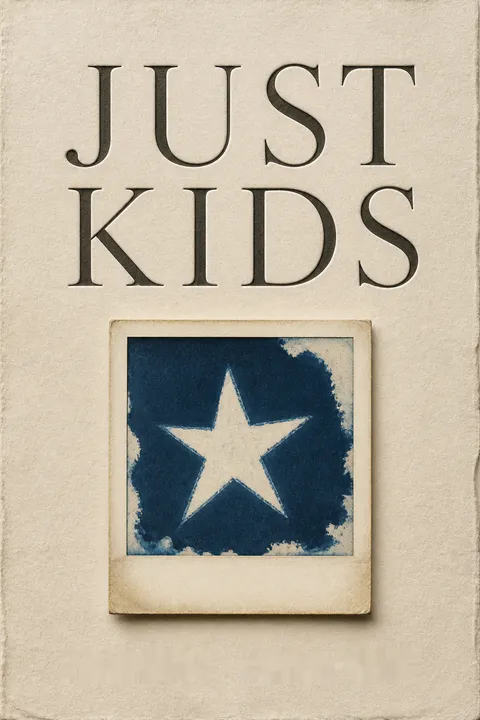
The book employs a dual narrative, alternating between Patti's and Robert's perspectives, histories, and creative journeys. This structure mirrors their intertwined destinies and allows the reader to experience the evolution of their relationship from multiple angles. The narrative is both linear and recursive, returning to key moments and motifs—such as the swan, the blue star, and the act of holding hands—to underscore the cyclical nature of love, loss, and artistic creation.
Symbolism and Motif
Throughout the story, objects—necklaces, photographs, books, clothing—serve as symbols of memory, identity, and connection. The recurring motif of the swan, the blue star, and religious iconography reflects the characters' search for transcendence and meaning. These symbols function as emotional anchors, grounding the narrative in tangible details while pointing to deeper spiritual truths.
Foreshadowing and Prophecy
The narrative is suffused with a sense of foreboding, as early experiences of illness, death, and separation foreshadow the losses to come. Dreams, visions, and prophetic statements—such as Patti's premonition of Robert's death—create an atmosphere of inevitability, underscoring the fragility of life and the persistence of love beyond mortality.
Artistic Process as Narrative Engine
The act of making art—writing, drawing, photographing—is both subject and structure. The characters' creative processes drive the plot, shape their identities, and provide a means of coping with adversity. The narrative itself becomes a work of art, blending memoir, elegy, and love letter, and inviting the reader to participate in the act of remembrance.
The City as Character
The city is more than a backdrop; it is a living, breathing presence that shapes the characters' destinies. Its chaos, beauty, and danger mirror the internal landscapes of Patti and Robert, providing both challenge and inspiration. The Chelsea Hotel, in particular, functions as a microcosm of the artistic world, a place where dreams are made and broken.
FAQ
What's Just Kids about?
- Memoir of Patti Smith: Just Kids is a memoir by Patti Smith that chronicles her life in New York City during the late 1960s and 1970s, focusing on her relationship with photographer Robert Mapplethorpe.
- Artistic Journey: The book delves into the evolution of both Smith and Mapplethorpe as artists, highlighting their influences, inspirations, and the challenges they faced.
- Themes of Love and Friendship: At its core, it is a love story that captures the deep bond between Smith and Mapplethorpe, showcasing their support for each other.
Why should I read Just Kids?
- Insight into Iconic Figures: The memoir provides a unique perspective on two influential artists, offering readers an intimate look at their lives and the art world they inhabited.
- Cultural Context: It captures the essence of New York City’s bohemian scene during a transformative period in American history.
- Emotional Resonance: Smith’s lyrical prose and heartfelt storytelling evoke a sense of nostalgia and longing.
What are the key takeaways of Just Kids?
- Pursuit of Art: The memoir emphasizes the importance of following one’s artistic passions, regardless of societal expectations or personal hardships.
- Friendship and Support: It illustrates the significance of having a supportive partner in the creative journey.
- Navigating Identity: The book explores themes of identity, sexuality, and self-discovery, particularly through Mapplethorpe’s journey.
What are the best quotes from Just Kids and what do they mean?
- “I have lived for love, I have lived for Art.”: This quote encapsulates Smith’s life philosophy, highlighting the intertwined nature of love and artistic expression.
- “You’re my family.”: Mapplethorpe’s declaration to Smith signifies the deep bond they shared, emphasizing the importance of chosen family.
- “Poets don’t finish poems, they abandon them.”: Reflects the idea that the creative process is often about letting go rather than achieving perfection.
How does Just Kids depict the art scene in New York City?
- Vibrant Cultural Landscape: Smith paints a vivid picture of the artistic community in New York during the late 1960s and 1970s.
- Influence of Iconic Figures: The memoir references various influential artists and movements, illustrating their impact on the cultural zeitgeist.
- Struggles and Triumphs: Smith candidly shares the challenges faced by artists, including financial instability and societal pressures.
What role does Robert Mapplethorpe play in Just Kids?
- Artistic Partner: Mapplethorpe is portrayed as both a romantic partner and a creative collaborator for Smith.
- Exploration of Identity: His journey of self-discovery, particularly regarding his sexuality and artistic voice, is a central theme.
- Legacy of Influence: Mapplethorpe’s work and vision continue to resonate throughout the memoir.
How does Just Kids address themes of love and loss?
- Intimate Portrait of Love: The memoir captures the deep emotional connection between Smith and Mapplethorpe.
- Navigating Grief: Smith poignantly recounts the loss of Mapplethorpe, detailing her grief and its impact on her life.
- Celebration of Memories: Smith reflects on cherished memories with Mapplethorpe, celebrating their shared experiences.
What is the significance of the Hotel Chelsea in Just Kids?
- Cultural Hub: The Hotel Chelsea serves as a backdrop for much of the memoir, symbolizing the artistic spirit of New York City.
- Sanctuary for Artists: For Smith and Mapplethorpe, the hotel provided a sense of community and belonging.
- Symbol of Transformation: The hotel represents a turning point in their lives, shaping their futures as influential figures.
How does Just Kids explore the concept of identity?
- Personal Growth: Smith and Mapplethorpe’s journeys of self-discovery are central to the memoir.
- Sexuality and Expression: The book delves into Mapplethorpe’s exploration of his sexuality.
- Art as Identity: Both artists use their work as a means of expressing and understanding their identities.
What impact did Robert Mapplethorpe have on Patti Smith's life and work?
- Creative Partnership: Mapplethorpe was not only Smith's lover but also her artistic collaborator.
- Emotional Support: He provided emotional support and encouragement, helping Smith navigate artistic challenges.
- Legacy of Loss: His illness and death profoundly impacted Smith, shaping her understanding of love and loss.
How does Just Kids reflect the cultural landscape of the 1960s and 70s?
- Artistic Movements: The memoir captures the essence of various artistic movements, including punk rock and the avant-garde.
- Counterculture and Rebellion: The book reflects the countercultural spirit of the time, emphasizing themes of rebellion and self-expression.
- Influence of Iconic Figures: Smith references influential figures such as Bob Dylan and Andy Warhol, illustrating their impact.
What is the significance of the title Just Kids?
- Nostalgic Reflection: The title evokes a sense of nostalgia, capturing the innocence and idealism of youth.
- Exploration of Identity: "Just Kids" signifies the exploration of identity and formative experiences.
- Enduring Connection: The title emphasizes the enduring bond between Smith and Mapplethorpe.
Download PDF
Download EPUB
.epub digital book format is ideal for reading ebooks on phones, tablets, and e-readers.








































