
Plot Summary
Smashed Cake, Second Chances
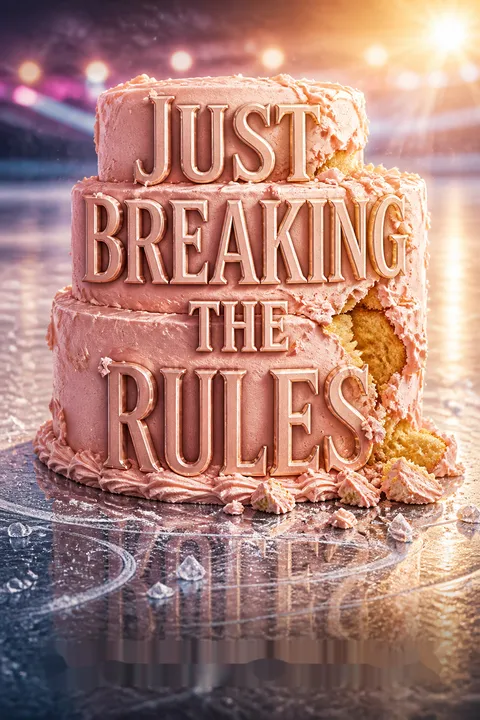
Mabel's public cake failure is a viral mess, catalyzed by her ex's scathing reality-show comments. Yet, as humiliation surges, Corbin—her childhood crush, brother's best friend, and hockey star—appears to lend a hand. Their meet-cute over pastel fondant and collapsed cake sets the tone: Mabel is clumsy, ambitious, desperate for a shot to prove herself. Corbin is steady, surprisingly nurturing, and keen to help, even if old rules (don't date the friend's sister) loom. In the wake of this public fiasco, the universe throws them together, suggesting that second chances can be born from first disasters, and perhaps kitchens—like hearts—can be rebuilt after being smashed.
Flour, Frosting, and Flirting
Behind closed doors, Corbin helps Mabel recover—literally wiping the cake from her skin and hair. Their banter brims with unsaid longing, nostalgia, and flirty tension. Mabel downplays her ambitions, still burning from Dax's (her ex) public scorn. Corbin's touch, first casual, becomes intimate: braiding her hair, soothing her pride, tasting her frosting. Each gesture is a gentle defiance of platonic boundaries. For the first time, they flirt openly, risking the fragile arrangement of business, friendship, and family ties. The intoxicating combination of cake, comfort, and quiet attraction establishes a pattern—each is a mess in different ways, but together, they steady.
The Not-So-Lucky Clip
After sharing quiet encouragement, Mabel impulsively throws frosting at Corbin—inviting playfulness into anxiety. The flirt escalates: frosting is licked, a dare becomes a kiss, and then a heated, impulsive make-out session spirals from teasing to deeply emotional. Both are stunned by the risk and the relief, shaken by pleasure but aware of boundary lines—familial, professional, personal. When the moment ends, both retreat, unsure what this charged new chemistry will mean for their already-complicated connection. The incident becomes an unspoken origin story: the day when rules were first broken and desires became undeniable.
Bake-Offs and Business Deals
Reeling from financial disappointments and public embarrassment, Mabel's dreams seem further than ever. However, a literal inheritance—a small-town firehouse from her grandmother—reshapes her prospects. Corbin, dealing with his own career uncertainties and single-parent fatigue, is roped in by Mabel's brother to invest in turning the space into a bakery. The dynamic shifts: it's no longer only attraction, but now a partnership—underpinned by a single, ironclad rule: they will not "mix business with pleasure." This is quickly tested by a "macho bake-off," where each works to outdo the other in both kitchen skills and emotional vulnerability. The bakery becomes an arena for both ambition and intimacy.
Rules, Risks, and Rescue
Setting up shop brings familiar chaos: ghost kitchens close, loans fall through, and doubts pile on. Family expectations and town skepticism fuel Mabel's anxiety, as her parents question her career, and the knitting club takes bets on her failure. Corbin's own baggage—his daughter, Charlotte, his friendship with Mabel's protective brother Theo, and his late mother's dream—recur as points of pressure. But this difficult ecosystem also forges resilience. When they put their partnership and boundaries to the test, family and friends manipulate circumstances for the two to confront their simmering connection, causing rules to bend, if not break.
Bakery By Day, Strip Club By Night?
As renovations begin, they discover the firehouse's odd dual history—nearly converted into a strip club. This discovery becomes a running joke and a metaphor: public persona versus private longing. Mabel and Corbin navigate the functional and emotional transformation of the space, often dancing near the edge of inappropriate laughter and mutual attraction. While the logistics of display cases, paint colors, and garage doors are debated, more serious groundwork is laid: can two people with messy pasts and open wounds build something sweet, enduring, and genuinely theirs without sabotaging the recipe?
Hearts, Hurts, and Hair Braids
Amid the heavy lifting, quieter, slower moments emerge—Corbin tending Mabel's wounds (physical and emotional), Mabel tending Corbin's. Braiding, nursing, and cleaning become tokens of care and symbols of their growing trust. Scar stories and buried pain are shared, from Corbin's mother's illness to Mabel's failures and grief. This exchange of vulnerability becomes the foundation of a partnership deeper than business: compassionate, reciprocal, and quietly seductive. Both realize they have never felt so seen. The tension becomes not just when (or if) they will break the rule, but how they will survive if they don't.
Pink-Hued Promises
Designing the bakery becomes a battleground for control and expression. Mabel's vision—joyful, bold, and unapologetically pink—clashes with Corbin's color-blind practicality. But rather than causing rifts, their difference fosters communication and compromise: he trusts her palette; she trusts his instincts. The blend of their strengths turns their shared space into more than a business—it's a testament to the love and labor behind every treat, every flourish. Their dynamic, now tinged with real affection, is couched in jokes and flirting, but grows increasingly serious. This is building something together, not just adjacent to each other.
Dreams in a Firehouse
The bakery's completion becomes not just a business milestone but an emotional reckoning. Mabel, haunted by old town gossip and public mistakes, works to reclaim her reputation—not by denying her messiness, but by leaning into kindness, entrepreneurship, and public giving. Corbin, honoring his mother's memory, brings family recipes and patient optimism. Charlotte, his daughter, becomes their unofficial manager, showing that chosen families are as crucial as blood. Through setbacks and doubts, and with the community slowly warming, Mabel realizes that her dream is also an act of self-acceptance. The firehouse, with its storied past, becomes a second chance for all.
The Cat Scratch Condition
Progress in love and business remains conditional—a series of "if/then" bargains. Corbin insists on being a real partner, not just the money; Mabel requires him to prove himself with skill and commitment. Their relationship is measured not just in grand gestures and shared goals, but in "macho bake-offs" by night, small-town errands by day, and unexpected gifts (sweatshirts, hair ties, pickleball gear). Their rule—don't risk the bakery for romance—begins to unravel, as each finds themselves lying to friends, family, and ultimately to themselves about the real reason boundaries keep blurring.
Ghost Kitchens & Ghosts of the Past
Old wounds resurface: Mabel's embarrassment about her viral cake fail, Corbin's regrets over caring for his ill mom, Mabel's strained relationship with her unsupportive parents, the town's ridicule. Through letters found in an old cookie jar—an inheritance within an inheritance—they trace the story of Mabel's great-grandparents, two firehouse colleagues who secretly fell in love. The past reflects their present fears and hopes, giving them courage to face the messiness of forging something real in the open, under the eyes of skeptics and gossipers. Love, the letters counsel, is about risking, about choosing each other, even if the rules say otherwise.
Bears, Bros, and Boundaries
The broader circle—Corbin's teammates, Mabel's brother, Charlotte—adds both comic relief and genuine stakes. Hockey culture and sibling protectiveness fuel anxiety, but also offer respite. The "single dads club" and family traditions complicate scheduling and boundaries, yet reinforce that good partnerships (in any arena) require honesty, teamwork, and a willingness to apologize and pivot. Sometimes, being a good brother or friend means letting go. Sometimes, it means making sure a rule deserves to be broken for the right person.
Precarious Partnerships
As opening day nears, Mabel and Corbin test every partnership boundary: sharing late-night work, coping with jealousy, secretly delighting in "helpful" after-hours encounters that blur passion and professionalism. The bakery's slow success is hard-won, filled with daily messes, bursts of joy, and the kind of sexual tension that makes even frosting seem indecent. Fake dating, casual flirting, and real longing become indistinguishable. They begin to see that rules are just reminders of what everyone fears: heartbreak, failure, and the risk that vulnerability might not be rewarded.
Undercover Feelings
Their secret romance—hidden under the pretense of helping, fake-dating, or "business partners with benefits"—becomes unsustainably obvious to everyone except themselves. Friends and the town notice; viral gossip and reviews pile up. A media event forces them into public performance, but a mishap (Corbin's accidental trip) turns humiliation into revenge, and the bakery's signature "smash cake" is born—rebranding shame into pride. But as public and private selves collide, both must confront what they want: fame or intimacy, winning or belonging, pride or vulnerability.
Afternoon Delights
Physical temptation reaches boiling point. Every encounter—whether "accidental" shirt swaps, deliberate helpings in the kitchen, or stolen late-night trysts—brings them closer, even as it threatens what they've worked so hard to build. Each is forced to name what they truly want, knowing it could cost the bakery, friendships, or family ties. When outside crises hit—failed deliveries, social media backlashes, or town gossip—the question looms: can their love survive outside of private afternoons and anytime delights?
Kisses, Cookies, Complications
As partnership turns intimate, outside obligations and mistakes create havoc. A missed game, a failed cake delivery, or an unintentional business slip cascades into deeper conflict. Guilt and resentment nudge them toward the inevitable: "taking a break" for the greater good of the bakery. But desire and heartbreak refuse to be compartmentalized. Each realizes the price of trying to "cool it"—it isn't effectiveness or happiness, but loneliness. The love letters from the past become both blueprint and warning, urging them to risk vulnerability and choose each other openly, despite the dangers.
Fake Dates, True Confessions
Forced together by events—a reunion reality-show taping, a high-stakes pickleball challenge, a viral review—they perform their relationship while privately longing for something authentic. Faking it for cameras, family, or business partners reveals what they've both hidden: their tenderness, their loyalty, their willingness to do the work of love. It's only when the games fade and the work remains—heartfelt apologies, admissions of error, and carefully crafted love letters—that they begin to realize how much more they want from each other. The past (through the great-grandparents' letters) meets the present: love worth breaking all the rules for.
Letters, Lessons, Letting Go
At their lowest point, a last letter—both literal and emotional—shows the only way forward is together. Public confessions replace private crises. Their community, friends, and family are finally let in as Mabel and Corbin each declare: I choose you, not in spite of the bakery, or our messes, or our shared dreams—but because of them. Their partnership—sweet, salty, a bit broken and rebuilt—becomes stronger for having weathered disaster. Together, they cultivate a business, a family, a romance, and a future—one that offers afternoon, evening, and anytime delights.
Analysis
Just Breaking The Rules is a heart-centered, deftly comedic exploration of what happens when ambition, attraction, and anxiety collide—all framed through the lens of modern entrepreneurship, familial legacy, and small-town scrutiny. The novel interrogates the myth of perfect control, urging us to see that love, like baking, thrives on a balance of precision and mess. Mabel and Corbin, both defined by old wounds and new hopes, illustrate that self-worth is not contingent on public approval or spotless execution, but on the willingness to risk embarrassment, disappointment, and heartache—again and again. Through thoughtful use of intergenerational love letters, the narrative claims that vulnerability is not just a relic of the past but a necessary ingredient in the present; that rules are often placeholders for fear, and breaking them—deliberately, gently, joyfully—is how we craft happiness. Ultimately, the book's brightest lesson is that love—romantic, familial, communal—needs to be chosen continuously, even in the face of setbacks and skepticism. Afternoon Delight, both bakery and ethos, becomes the metaphor: joy is not found by waiting for the perfect moment, but by daring, now, delighting in the messy, sweet, everyday rule-breaking that makes a life worth savoring.
Review Summary
Just Breaking the Rules receives overwhelmingly positive reviews, averaging 3.93 stars. Readers praise the charming chemistry between Mabel and Corbin, the brother's best friend and single dad tropes, and Lauren Blakely's witty, humorous writing style. Standout elements include Corbin's colorblindness representation, heartfelt love letters, and his devoted girl-dad persona. The audiobook narration by Samantha Brentmoor and Teddy Hamilton is consistently highlighted as exceptional. Some readers found the pacing slow mid-book and the third-act breakup unnecessary, but most agree it's a delightful, feel-good hockey romance.
People Also Read







Characters
Mabel Llewelyn
Mabel is a baker, optimist, certified disaster, and the emotional core of the story—a woman who has always wanted more, much to the frustration of her risk-averse family, her own self-worth, and the skeptical community around her. Marked by abandonment, humiliation, and anxiety, her self-deprecating humor hides real wounds: she fears never being enough, repeatedly failing to win her own or her parents' approval, never quite outgrowing the label of "hot mess." Yet her resilience, impulsivity, and unflagging empathy allow her to risk again and again—whether that means creating a bakery out of a firehouse, reigniting old crushes, or risking her heart with Corbin. Over the course of the novel, she grows from self-doubt and self-sabotage to hard-won confidence, learning to take up space, draw boundaries, and believe that she truly deserves not just second chances, but happiness.
Corbin Knight
Corbin is a pro hockey player, single dad, natural caretaker, and the quintessential "knight" in shining armor—tough, loyal, practical, yet unexpectedly tender. Haunted by his mother's illness and his own failures as a boyfriend and son, he's wary of messing up anyone else's life, especially Mabel's. Driven by routines, the need to be useful, and his late mother's unfulfilled bakery dreams, Corbin is the voice of order to Mabel's chaos—the one who can braid hair and bake a perfect monkey bread while managing a team and raising his wise-beyond-her-years daughter. His self-sacrifice sometimes becomes self-denial, as he struggles to admit his own needs, desires, and anxieties about losing control. His journey is one of learning that real strength means being vulnerable and asking for help, and that love—messy, public, terrifying—may be the most courageous thing he can offer.
Theo Llewelyn
Theo is Mabel's older brother—a straight-laced, fiercely protective hockey team general manager whose love for his sister sometimes stifles her, but whose faith generates opportunity. Quick with legalese or sarcasm, he champions Mabel even as he micromanages her welfare. He serves both as a barrier (bro code, disapproval of exes) and as a matchmaker, orchestrating the bakery partnership that sparks the story. Over time, he learns to let go, trust Mabel, and cede control, becoming a bridge between family and found family.
Charlotte Knight
Corbin's twelve-year-old daughter is a whip-smart, practical, and delightfully direct force in both Corbin's and Mabel's lives. Her love of baking, animals, and spreadsheets makes her both comic relief and emotional glue. Charlotte reflects the generational hopes (her grandmother's legacy) and the possibility for new beginnings. She becomes Mabel's confidante, the business's unofficial manager, and mirrors the story's biggest theme: that it's okay to want (and expect) more from life and relationships.
Dax Strong
Dax is Mabel's self-absorbed ex, a minor reality-star who launches the narrative by humiliating her on TV and framing her story as one of failure and mess. He embodies the voices of every critic, troll, and unsupportive parent—playing the foil to Corbin's encouragement. While not redeemable, Dax's impact is ultimately snuffed out by Mabel's growth, community redemption, and the reclaiming of her own narrative.
Ronnie Legend
The celebrity chef, acerbic judge, and media gatekeeper. Ronnie's role is to test Mabel's mettle through public scrutiny, but eventually he becomes an inadvertent catalyst for her brand and next evolution, as smash cake goes from disaster to bakery sensation. He is both a reminder of the power (and limits) of public opinion and a fuel for reinvention.
Annabelle
Annabelle, Corbin's neighbor and family friend, is more than the "cookie lady"—she is the story's spiritual anchor, gently nudging both Corbin and Mabel toward insight, growth, and risk. With warmth, humor, and sometimes direct challenge, she reminds the main characters that love is only partly about logic; their happiness will never be found in staying small or safe.
Aisha & Audrey
Teenaged bakery hires, these characters form the backbone of Afternoon Delight's day-to-day functioning. They illustrate that every success is communal and that learning, adapting, and laughing through mistakes are core to both running a business and living authentically.
Remy
A professional "romance designer" and podcast host, Remy is both comic relief and an example of how to own your story even when life goes off-script. She supports Mabel through doubt, cheerleads for change, and is the first to point out (and delight in) Mabel's nascent confidence and success, offering a model of love not hemmed in by tradition.
The Chess Guys, Knitting Club, and Cozy Valley Neighbors
These town characters, at first resistant and mocking, personify the weight of collective memory, stigma, and small-town grudges. Over time, their opinions are won by kindness, consistency, and transparency—echoing the slow, sometimes painful, but ultimately rewarding process of earning trust and belonging.
Plot Devices
Kismet Inheritance
The inheritance—the firehouse itself—serves as the precipitating incident, symbol, and crucible. Both a literal new beginning and a site of old wounds, it carries town memory, family legacy, and the love-letter subplot. It juxtaposes generosity against expectation and challenge, making each character confront what they owe the past, and what they must risk for the future.
Forbidden Love & The "One Rule"
The primary device is the "don't mix business and pleasure" rule, setting up the central will-they-won't-they question and providing both a source of comedy and an obstacle course of increasingly convoluted workarounds—baking as seduction, fake-dating, accidental "help." The rule's breakdown parallels the broader message: that playing safe keeps you from life's sweetest outcomes.
Love Letters from the Past
A stash of secret, decades-old love letters is uncovered, slowly doled out and read in tandem with the bakery's milestones. The letters serve as both plot device and emotional compass—highlighting historic parallels (two firehouse workers in a forbidden romance) and providing both cautionary example and courage. As Mabel and Corbin read, their willingness to risk, hope, and finally declare love grows; ultimately, the letters nudge them toward breaking their own rules, openly and proudly.
Community as Obstacle and Ally
The small town and its cast judge, gossip, and bet against Mabel, providing external stakes for her success. Simultaneously, they become sources of redemption and validation as she proves herself through perseverance and public giving. The community's arc mirrors Mabel's: wary, hurt, but capable of change, forgiveness, and embrace.
Recurrence and Transformation
Motifs repeat—baking disasters, accidental messes, nicknames, shared baking, viral moments—but change with each iteration. What once signified shame becomes a badge of honor ("smash cake" literally rebrands failure). Every crisis offers both a rehearsal for resilience and a reframing of narrative control.
Rule-Breaking & Permission Structures
From the first smashed cake to the last love letter, each turning point is an instance of breaking rules—internal (self-limiting beliefs), external (family, business, bro code), or social (community expectations). The story argues that risk isn't recklessness when undertaken in the service of love, wholeness, and mutual growth.

Download PDF
Download EPUB
.epub digital book format is ideal for reading ebooks on phones, tablets, and e-readers.








































