
Plot Summary
Supermoon and Secrets
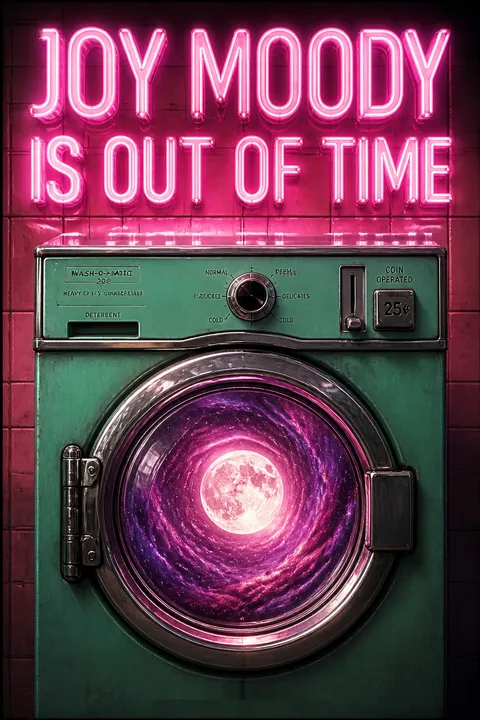
On the eve of her twin daughters' 21st birthday, Joy Moody, owner of a pink laundromat in Bonbeach, sits with Cassie and Andie, awaiting the moment they are supposed to return to the year 2050. For years, Joy has told the girls they are from the future, destined to save the world. As the supermoon rises, nothing happens. Tension erupts, and Joy's grip on reality falters. The girls' faith in their mother's story is shaken, and the first cracks in their family's foundation appear. The night ends with a sense of loss and confusion, as Joy's secret begins to unravel and the family's future is thrown into uncertainty.
The Future Revolution Lie
Joy's elaborate story about the twins' origins—being sent from the future to fight a dystopian regime—was born from necessity and love, but over time, it became her truth. The girls, home-schooled and isolated, have grown up believing in their destiny as the "Daughters of the Future Revolution." Joy's control is absolute, but her motivations are tangled: she wants to protect the girls from a painful reality about their birth mother and her own failings. As the twins approach adulthood, the lie becomes harder to maintain, and Joy's mental and physical health deteriorate, threatening to expose everything.
DNA, Doubt, and Defiance
Andie, the more skeptical twin, secretly takes a DNA test with the help of Linh, a tattooist and friend. She's desperate to know the truth about her origins, suspecting Joy's story is fiction. Cassie, more trusting, clings to Joy's narrative but is haunted by anxiety about the future. The DNA results point to a man named Tyler, not a time traveler but a local with a troubled past. Andie's investigation, combined with her reading of a sci-fi trilogy that mirrors their supposed life story, pushes her to confront Joy and demand answers, fracturing the family's fragile trust.
Joy's Tumor and Turmoil
Joy is diagnosed with a terminal brain tumor, which accelerates her memory loss and emotional instability. She becomes increasingly erratic, sometimes believing her own stories, sometimes aware of her deception. The tumor's effects make it harder for her to distinguish between the fantasy she created and the reality she's desperate to avoid. As her health declines, Joy contemplates telling the truth but fears losing her daughters' love. Her past as a social worker, her failed marriage, and her guilt over the twins' real mother all weigh heavily, pushing her toward a breaking point.
Chess, Cats, and Confessions
Cassie finds solace in chess games with Monty, their neighbor, and in caring for Donna the cat. Monty, a steady presence, becomes a confidant for the girls and Joy. Meanwhile, Andie's friendship with Linh deepens, offering her a glimpse of a world beyond Joyful Suds. The twins' relationships with others highlight their differences: Cassie's longing for stability and affection, Andie's hunger for truth and freedom. As the birthday approaches, both girls are forced to confront the possibility that their lives are built on lies, and that Joy's love may be more complicated than they ever imagined.
The Birthday That Wasn't
On their 21st birthday, the twins expect to be whisked away to the future, but nothing happens. Instead, tensions explode. Andie confronts Joy with the DNA results and the parallels to the sci-fi books, accusing her of deception. Joy, overwhelmed and confused, cannot offer a clear explanation. The confrontation turns physical and emotional, leaving the family shattered. Andie storms out, Cassie is left reeling, and Joy's health rapidly declines. The day that was supposed to mark a new beginning instead becomes the catalyst for tragedy.
The Past Unburied
As Joy's grip on reality slips, her past resurfaces. Flashbacks reveal her time as a social worker, her relationship with a troubled teen named Britney, and the birth of the twins. Britney, the girls' biological mother, left them in Joy's care, unable to cope. When Britney returns, a confrontation leads to her accidental death. Joy, desperate and alone, hides Britney's body in the shed, keeping the secret for decades. The weight of this act haunts Joy, shaping her choices and fueling the lies she tells the twins.
Death in the Laundromat
Joy is found dead in her armchair, apparently peaceful but surrounded by suspicion. The police, led by Detective Holliday Betts, investigate. The twins, traumatized and confused, are questioned separately. Evidence of Joy's illness, her erratic behavior, and the strange note in her pocket ("P.S. If I stay here I'll die") complicate the case. The discovery of a threatening message on the laundromat's noticeboard and the absence of official records for the twins deepen the mystery. The community is drawn into the investigation, and the truth about Joy's life and death becomes the focus.
Detectives and Daughters
Detective Betts and her team dig into Joy's past, the twins' origins, and the secrets of Joyful Suds. The DNA test links the twins to Britney and Tyler, confirming they are not from the future but from a troubled local family. The police uncover the body in the shed, and Joy's confession—sent to the authorities before her death—explains Britney's fate. The twins are left to grapple with the reality of their birth, the lies they were raised on, and the loss of the only mother they've ever known.
The Truth Unravels
The investigation clears the twins of wrongdoing in Joy's death, which is ruled a result of her tumor and possible suicide. However, the truth about Britney's death is more ambiguous: Joy's actions were driven by fear and love, but also by desperation and guilt. The twins must navigate the fallout—public scrutiny, betrayal by their uncle Grant (who tries to steal their inheritance), and the challenge of forging new identities. With the help of friends like Monty, Linh, and Ellen, they begin to reclaim their lives and their story.
Family, Fraud, and Forgiveness
Grant's attempt to defraud the twins is exposed, thanks to the support of their community. Monty, revealed as Joy's true confidant and the executor of her will, ensures the twins inherit Joyful Suds. The girls meet their biological father and aunt, learning more about their origins and finding a sense of belonging beyond the lies. The process of forgiveness—of Joy, of each other, and of themselves—begins, as they confront the complexity of love, loss, and family.
Under New Management
With Joyful Suds under their control, Cassie and Andie renovate the laundromat, blending the old with the new. They explore the world beyond Bonbeach: Cassie finds love and artistic fulfillment, Andie pursues adventure and independence. Their friendships deepen, and the community rallies around them. The legacy of Joy—her love, her mistakes, her sacrifices—remains, but the twins are no longer defined by her story. They are free to write their own futures.
Letting Go of Joy
The twins scatter Joy's ashes at the beach, surrounded by friends who have become family. They reflect on the lessons of their upbringing: the power of stories, the dangers of secrets, and the enduring strength of love. As they step into adulthood, Cassie and Andie honor both their mothers—Britney and Joy—by living authentically and courageously. The past no longer holds them captive; the future is theirs to claim.
The Future Is Now
Cassie and Andie, no longer "Daughters of the Future Revolution," embrace the present. They find meaning in ordinary joys—friendship, art, work, and love. The laundromat, once a place of secrets and confinement, becomes a symbol of resilience and renewal. The sisters, shaped by their extraordinary upbringing, choose to move forward together, carrying the best of their past and leaving the rest behind. The story ends with hope, possibility, and the knowledge that the future is not something to wait for—it is something to create.
Analysis
A modern fable about the cost of love, the power of stories, and the search for identityJoy Moody Is Out of Time is a darkly comic, emotionally rich exploration of motherhood, trauma, and the lies we tell to protect those we love. At its core, the novel asks whether love can justify deception, and whether the stories we inherit must define us. Through Joy's desperate attempts to shield her daughters from pain, the book examines the dangers of control, the corrosive effects of secrets, and the redemptive potential of truth. The twins' journey—from believing in a fantastical destiny to forging their own path—mirrors the universal struggle to break free from the narratives imposed by family and society. The novel's blend of mystery, psychological drama, and community portraiture offers a nuanced meditation on forgiveness, resilience, and the possibility of new beginnings. In the end, the message is clear: the future is not something to wait for or fear—it is something to create, together, in the messy, beautiful present.
Review Summary
Joy Moody Is Out of Time tells the story of Joy and her twin daughters, raised to believe they'll travel to 2050 on their 21st birthday. When Joy dies, the twins must uncover the truth behind their upbringing. Reviewers found the book quirky, emotional, and engaging, praising Mayne's character development and unique premise. Some felt the pacing was uneven and the tone shifted dramatically. Overall, readers appreciated the exploration of family, mental health, and resilience, though opinions varied on the execution. Many looked forward to Mayne's future works.
People Also Read


Characters
Joy Moody
Joy is the heart of the story: a fiercely protective, deeply flawed woman whose love for her adopted daughters drives her to extraordinary lengths. Once a social worker, Joy's life is marked by loss—her mother's early death, a failed marriage, infertility, and the trauma of her work. When she takes in Britney's newborn twins, she crafts an elaborate lie to shield them from the truth and herself from guilt. Her terminal brain tumor accelerates her decline, blurring the line between fantasy and reality. Joy's psychological complexity is profound: she is both monster and mother, capable of immense tenderness and devastating deception. Her journey is one of love, fear, and ultimately, tragic self-sacrifice.
Cassiopeia "Cassie" Moody
Cassie is the quieter, more trusting of the sisters, deeply attached to Joy and resistant to change. She finds comfort in routine, art, and her relationships with Monty and Donna the cat. Cassie's identity is shaped by Joy's stories, and she struggles to accept the truth about her origins. Her emotional arc is one of loss, grief, and gradual empowerment. As the family unravels, Cassie learns to assert herself, embrace her talents, and forge connections beyond her mother's influence. Her loyalty is both her strength and her vulnerability, and her journey is one of learning to let go and move forward.
Andromeda "Andie" Moody
Andie is skeptical, intelligent, and restless, always pushing against Joy's control. Her curiosity leads her to question the family's narrative, seek out the truth through DNA testing, and challenge her mother's authority. Andie's psychological struggle is with trust, autonomy, and the fear of abandonment. She is haunted by the possibility that her life is a lie, and her anger at Joy is matched by her longing for freedom. Andie's development is marked by courage, vulnerability, and the eventual acceptance of her complicated family history. She becomes a catalyst for change, both for herself and for Cassie.
Monty Doyle
Monty is Joy's neighbor, friend, and unrequited love. A former convict turned locksmith, he is a source of stability and kindness for the twins. Monty's relationship with Joy is marked by unspoken affection and loyalty; he becomes her confidant and, ultimately, the executor of her final wishes. His role in Joy's death is ambiguous—he helps her end her suffering, honoring a promise made out of love. Monty's presence is a reminder of the power of chosen family and the importance of compassion in the face of tragedy.
Linh Tran
Linh, the tattooist next door, is a symbol of freedom and possibility for the twins, especially Andie. Worldly, creative, and open-minded, Linh helps Andie navigate technology, self-discovery, and the boundaries of Joy's control. Her friendship with both sisters offers them a glimpse of life beyond the laundromat. Linh's own history of reinvention and escape mirrors the twins' journey, and her loyalty becomes crucial as the family's secrets come to light.
Ellen Scott
Ellen is Joy's neighbor and the local lawyer, known for her no-nonsense demeanor and hidden compassion. She becomes an unexpected ally for the twins, helping them navigate legal battles with their uncle and secure their inheritance. Ellen's own experience with loss and isolation parallels Joy's, and her support is instrumental in the girls' transition to independence.
Grant Moody
Joy's estranged brother, Grant, resurfaces after her death, seeking to claim the laundromat for himself. Self-serving and manipulative, he attempts to defraud the twins and sell their home. Grant's actions force the girls to confront issues of trust, family, and self-reliance. His eventual defeat is a testament to the strength of the community and the resilience of the sisters.
Tyler Rodriguez
Tyler, a man with a criminal past, is revealed through DNA testing to be the twins' biological father. His connection to Britney and his own struggles with loss and guilt add depth to the story's exploration of family and redemption. Tyler's eventual involvement in the twins' lives offers them a chance to understand their origins and build new relationships.
Britney White
Britney, the twins' birth mother, is a troubled teenager who leaves her newborns with Joy, unable to care for them. Her return and accidental death at Joy's hands set the stage for decades of secrecy and guilt. Britney's artistic talent and vulnerability are echoed in Cassie, and her absence shapes the emotional landscape of the story. Her fate is a reminder of the consequences of trauma, poverty, and the failures of the social safety net.
Detective Holliday Betts
Detective Betts is the police officer tasked with unraveling the mysteries of Joy's death and the twins' origins. Methodical, empathetic, and persistent, she navigates the complexities of the case with professionalism and care. Her interactions with the twins and the community highlight the challenges of seeking truth in a world built on secrets and lies.
Plot Devices
The Lie as Survival Mechanism
The central plot device is Joy's fabrication of the twins' origins—a story so elaborate and sustained that it becomes indistinguishable from truth. This device explores the power of narrative to shape identity, protect from pain, and ultimately destroy. The lie is both a shield and a prison, offering comfort but demanding ever-greater sacrifices. The gradual unraveling of the lie, through DNA evidence, external investigation, and the twins' own awakening, drives the narrative and emotional arc.
Dual Timelines and Flashbacks
The novel employs flashbacks to Joy's past as a social worker, her relationship with Britney, and the events leading to the twins' birth and Britney's death. These glimpses into the past provide context for Joy's actions, deepen the mystery, and create dramatic irony as the reader learns the truth before the characters do. The interplay of timelines heightens suspense and emotional resonance.
Unreliable Narration and Psychological Complexity
Joy's brain tumor and psychological distress make her an unreliable narrator, both to herself and to others. The story explores the ways in which trauma, guilt, and illness distort perception, leading to confusion, denial, and ultimately tragedy. The reader is invited to question what is real, what is imagined, and what is deliberately concealed.
Community as Character
The tight-knit community of Bonbeach—Monty, Linh, Ellen, and others—serves as both a backdrop and a catalyst for the story's events. Their involvement in the twins' lives, their own secrets and loyalties, and their collective response to crisis highlight the importance of chosen family and the power of solidarity in the face of adversity.
Mystery and Detective Structure
The police investigation, led by Detective Betts, provides a framework for the gradual revelation of secrets. The procedural elements—interviews, evidence, red herrings—mirror the emotional investigation undertaken by the twins as they seek to understand their past and define their future. The detective structure allows for suspense, misdirection, and ultimately, catharsis.
Download PDF
Download EPUB
.epub digital book format is ideal for reading ebooks on phones, tablets, and e-readers.








































