

Plot Summary
Blood for Blood
The story opens with Angel Alvarez, haunted by the murder of his parents by Manuel Blanco—The Ivory, a cartel kingpin. Angel's life is shaped by this trauma, his existence fueled by a singular purpose: vengeance. The narrative is steeped in the philosophy of "sangre por sangre"—blood for blood—where violence begets violence, and the sins of the fathers are visited upon the children. Angel's journey is not just about retribution, but about the cost of carrying hate, and the way it warps identity and desire. The opening sets the tone for a tale where the lines between victim and villain, love and hate, are blurred by history and obsession.
The Birdcage Opens
Angel infiltrates The Ivory's world, disguising himself and living among his enemies. He is eventually captured and locked in a luxurious birdcage within the mansion—a gilded prison designed just for him. Here, the dynamic between captor and captive shifts: The Ivory, obsessed and possessive, finds himself emotionally exposed, while Angel, meant to be prey, becomes both temptation and threat. Their interactions are charged with tension, desire, and the ever-present threat of violence. The birdcage becomes a crucible, forging a connection that is as much about power as it is about longing, and setting the stage for the unraveling of both men.
Shadows and Surrender
As the war for control of Alabaster Isle intensifies, alliances shift. Velle (John Chevelle), once The Ivory's right hand, leads a rebellion of guards and prisoners against the cartel's rule. The mansion and prison become battlegrounds, and the old order crumbles. The Ivory, once untouchable, is forced to confront his own vulnerability—especially as Angel's presence destabilizes him. Surrender becomes both literal and metaphorical: The Ivory kneels, not just to save Angel, but because he is finally broken by the weight of his own sins. The surrender is not just of power, but of pride, and it marks the beginning of true change.
The King's Downfall
The fall of Alabaster Penitentiary is both physical and symbolic. The prison collapses during a storm, and the old regime is swept away. The Ivory, stripped of his empire, faces the consequences of his actions. The new king, Velle, inherits the ruins, but also the responsibility of rebuilding. The narrative explores what it means to lose everything, and whether redemption is possible for those who have done unforgivable things. The downfall is not just The Ivory's, but the end of an era for everyone on the island.
Proxy Lovers and Ghosts
Throughout the story, characters use each other as proxies for lost or unattainable loves. Angel, in his psychosis, becomes both himself and others, while prisoners and guards alike seek solace in bodies that are stand-ins for those they truly want. The theme of proxy extends to the way trauma and longing haunt the living, making ghosts of the past ever-present. The narrative delves into the psychological cost of survival, and the ways people try to fill the voids left by violence and loss.
The War for Alabaster
The rebellion against The Ivory's rule is brutal and costly. Former enemies must work together, and old wounds are reopened. The war is not just for territory, but for the right to define one's own fate. The battle scenes are chaotic, but the real struggle is internal: characters must choose between revenge and forgiveness, between perpetuating cycles of harm or breaking free. The war is a crucible that forges new bonds and tests the limits of loyalty.
Chains and Choices
As the dust settles, the survivors must decide what kind of future they want. The literal and figurative chains that have bound them—addiction, guilt, trauma, and the legacy of violence—are confronted. Some characters choose to leave, others to stay and rebuild. The narrative emphasizes that freedom is not just escape, but the willingness to face oneself and make new choices, even when the past cannot be undone.
The Devil's Confession
The Ivory, once the architect of so much pain, is finally forced to confess his feelings and his regrets. In a series of raw, public confrontations, he admits to loving those he hurt, and to the emptiness that power has brought him. The confession is not a plea for forgiveness, but an acknowledgment of the truth: that love and cruelty can coexist, and that even monsters long for absolution. The scene is cathartic, both for him and for those he wronged.
Forgiveness and Fire
The survivors gather to confront their shared history. There are apologies, but also laughter, as they recognize the absurdity and pain of what they've endured. The bonfire on the beach becomes a symbol of both destruction and renewal—a place to burn the past and celebrate the future. Forgiveness is not easy or complete, but it is chosen, again and again, as the only way forward. The fire is both a funeral pyre and a beacon of hope.
Family of Heathens
The motley crew of former prisoners, guards, and outsiders become a true family. Weddings, reunions, and new beginnings abound. The narrative celebrates the power of found family—those who choose each other, not out of obligation, but out of love and shared survival. The bonds forged in adversity prove stronger than those of blood, and the family of heathens becomes a sanctuary for all who need it.
The End of the Pen
The characters return to the ruins of Alabaster Penitentiary one last time, to say goodbye. The ghosts of the past are acknowledged, and the survivors honor those they lost. The end of the Pen is not just the end of a place, but the end of a chapter in their lives. The narrative lingers on the bittersweetness of closure—the pain of loss, but also the relief of release.
New Beginnings, Old Wounds
As the characters build new lives—some on the island, some far away—they carry their scars with them. Old wounds are not forgotten, but they no longer define them. The narrative explores how healing is ongoing, and how the past can be both a burden and a source of strength. New relationships blossom, and old ones are mended, as the survivors learn to trust again.
The History We Carry
Byron and Trevel are tasked with writing the history of Alabaster Isle—a record of pain, survival, and transformation. The act of storytelling becomes a way to honor the dead and ensure that the lessons of the past are not forgotten. The narrative reflects on the importance of memory, and the power of stories to heal and connect.
Love Beyond the Cage
Angel and The Ivory, now free from their old roles, build a life together outside the island. Their relationship, once forged in violence and obsession, becomes a source of healing and joy. The narrative affirms that love—messy, complicated, and hard-won—is the only thing that can truly break the cycle of harm. The cage is left behind, but the lessons remain.
The Kingdom Reborn
Velle, now king of the island, leads with humility and a commitment to change. The new order is not perfect, but it is built on the hard-won wisdom of those who survived. The narrative explores what it means to lead after trauma, and how true power lies in service, not domination. The kingdom is reborn, not as a prison, but as a home.
Home Sweet Home
The story closes with scenes of domesticity, celebration, and hope. Weddings, reunions, and quiet moments abound. The survivors, once defined by violence and captivity, are now free to choose their own destinies. The narrative ends on a note of hard-earned peace, affirming that even in the darkest places, love and family can flourish.
Analysis
A modern epic of trauma, survival, and radical loveIvory is a sprawling, genre-defying conclusion to a series that has always been about more than just dark romance. At its core, the novel is a meditation on the cycles of violence that shape individuals and communities, and the possibility of breaking free. Through its nonlinear structure, unreliable narrators, and shifting perspectives, the book immerses the reader in the fractured psyches of its characters, making their pain and longing visceral. The central relationship—between Angel and The Ivory—is both a subversion and an intensification of the captor/captive trope: it is not about rescue, but about mutual transformation. The novel refuses easy answers: forgiveness is hard, healing is ongoing, and love is as dangerous as it is redemptive. The ultimate message is that freedom is not escape, but the willingness to face oneself and risk connection. In a world where trauma is inherited and violence seems inevitable, Ivory dares to imagine a future built on radical honesty, chosen family, and the messy, beautiful work of loving and being loved.
Review Summary
Reviews for Ivory are polarizing, averaging 4.22/5 stars. Fans praise its epic scope, detailed storytelling, found-family themes, and satisfying series conclusion, with many calling it a masterpiece. Critics argue the 1,100+ page book is unnecessarily long, poorly edited, and relies too heavily on multiple POVs and timeline repetition. A recurring complaint across negative reviews is the poorly executed Spanish, described by native speakers as disrespectful and Google-translated. The central romance between Angel and Ivory divides readers, with some finding it compelling and others feeling it underdeveloped.
Characters
Angel Alvarez
Angel is the emotional and psychological heart of the story—a man forged in trauma, whose life is defined by the murder of his parents and the abduction of his twin sister. His journey is one of transformation: from a child bent on revenge, to a chameleon infiltrating his enemy's world, to a lover who finds freedom in surrender. Angel's gender fluidity and shifting identities mirror his internal struggle to reconcile hate and desire, victimhood and agency. His relationship with The Ivory is both toxic and redemptive, a crucible in which both are remade. Angel's arc is about reclaiming his story, choosing love over vengeance, and learning that true freedom is found not in escape, but in connection.
Manuel Blanco (The Ivory)
The Ivory is a study in contradictions: ruthless cartel boss, architect of suffering, and yet deeply lonely and capable of love. His obsession with Angel is both his downfall and his salvation. Once all-powerful, he is undone by his own need—to possess, to be understood, to be forgiven. The Ivory's arc is about the limits of power, the cost of cruelty, and the possibility of redemption. His surrender is both a defeat and a liberation, allowing him to finally become more than the sum of his sins. In loving Angel, he learns to let go of the kingdom that has imprisoned him as surely as any cage.
John Chevelle (Velle)
Velle is The Ivory's former right hand, a man who rises from subjugation to become the new king of Alabaster Isle. His journey is one of reclaiming agency, learning to lead not through fear, but through service and humility. Velle's relationships—with his partners, with his found family—are the source of his strength. He is haunted by loss, but refuses to let it define him. Velle's arc is about breaking cycles of abuse, choosing forgiveness over revenge, and building a new order from the ashes of the old.
Dascha Reznikov
Dascha is a survivor of both external violence and internal chaos. His schizophrenia and shifting sense of self make him both vulnerable and resilient. Dascha's journey is about piecing together a self from the fragments left by violence, and learning to trust in love and family. His relationship with Kemper is a lifeline, and his eventual peace is hard-won. Dascha embodies the theme that healing is possible, even when the past cannot be erased.
Felix Darcey (The Carver)
Felix is a serial killer whose violence is both a symptom and a shield. His arc is about moving from isolation to intimacy, finding acceptance in a family of fellow misfits. Felix's relationship with Lemuel Love is transformative, allowing him to believe in the possibility of happiness. His story is a meditation on the power of forgiveness, both given and received, and the ways in which even the most broken can be made whole.
Lemuel Love
Lemuel is a psychiatrist whose own wounds make him both compassionate and guarded. His relationship with Felix is a test of his ability to trust, to let go of control, and to accept love in all its messiness. Lemuel's arc is about learning that healing is not about fixing others, but about being present and vulnerable. He is the steady hand in a world of chaos, and his marriage to Felix is a testament to the power of chosen family.
Byron Kang
Byron is a man marked by loss and the need to protect those he loves. His journey is about moving from the margins to the center, finding his voice and his place in the family. Byron's relationship with Trevel is a source of healing, allowing him to believe in the possibility of happiness after trauma. His arc is about learning to trust, to let go of the past, and to embrace the future.
Trevel Fenwick
Trevel is an outsider whose presence disrupts old patterns and brings hidden truths to light. His own trauma makes him both empathetic and unpredictable. Trevel's relationship with Byron is a lifeline, and his role as historian is a way of making sense of the chaos. His arc is about finding purpose in pain, and using his voice to honor the past and shape the future.
Joy Jameson
Joy is a survivor whose strength lies in her loyalty and her refusal to give up on those she loves. She is both warrior and caretaker, the glue that holds the family together. Joy's arc is about learning to accept help, to trust in others, and to believe that she deserves happiness. Her leadership is defined by compassion, not domination.
Ren (Warren Xavier)
Ren is the wild card, the one who brings levity to even the darkest moments. His flamboyance masks deep wounds, and his journey is about learning to be vulnerable, to accept love, and to find peace in chaos. Ren's relationship with Luthor is a testament to the power of opposites attracting, and his presence is a reminder that joy is a form of resistance.
Plot Devices
Nonlinear Narrative and Multiple Perspectives
The novel employs a nonlinear structure, shifting between past and present, and among multiple points of view. This mirrors the characters' psychological fragmentation and the way trauma disrupts the continuity of self. The use of unreliable narrators, especially Dascha, blurs the line between reality and hallucination, forcing the reader to question what is true. The shifting perspectives allow for a kaleidoscopic view of events, revealing how each character's experience of violence, love, and redemption is unique.
Proxy and Doubling
The motif of proxy—using one person as a stand-in for another—recurs throughout the novel. Characters seek solace in bodies that are not the ones they truly want, reenact past traumas with new partners, and become haunted by ghosts both literal and metaphorical. This device underscores the difficulty of healing, and the way the past is always present. Doubling also appears in the form of twins, alter egos, and mirrored relationships, highlighting the theme of identity as fluid and constructed.
The Cage as Symbol
The birdcage, both as a physical space and a metaphor, is central to the novel's exploration of freedom and constraint. Characters are trapped by external forces—prisons, cartels, violence—but also by internal ones: guilt, shame, longing. The act of escaping the cage is not just about physical freedom, but about the willingness to face oneself and risk vulnerability. The cage is also a site of transformation, where love and violence are inextricably linked.
Cycles of Revenge and Forgiveness
The plot is driven by cycles of revenge—blood for blood—that threaten to consume everyone. The narrative interrogates whether these cycles can ever be broken, and what it takes to choose forgiveness instead. The war for Alabaster is both a literal battle and a metaphor for the struggle to break free from the past. The resolution comes not from victory in battle, but from the willingness to let go, to forgive, and to build something new.
Found Family and Chosen Bonds
The novel foregrounds the importance of chosen family—those who choose each other in the aftermath of trauma. The bonds forged in adversity are shown to be stronger than those of blood, and the family of heathens becomes a sanctuary for all who need it. The narrative celebrates the power of community, and the way love can flourish even in the darkest places.
Alabaster Penitentiary Series
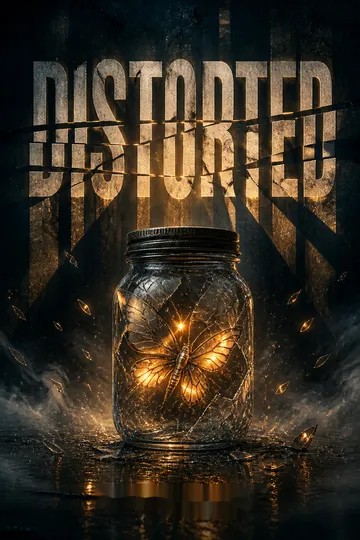
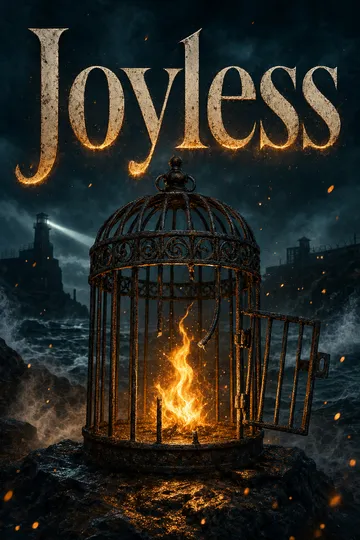


About the Author
Other books by Nyla K.




Download PDF
Download EPUB
.epub digital book format is ideal for reading ebooks on phones, tablets, and e-readers.








































