

Key Takeaways
1. Life's True Purpose: It's Not About You, It's About Contribution
Life is not about you. It’s about what you do for others.
Beyond self-centeredness. The prevailing societal narrative often pushes individuals toward self-centered pursuits, promising happiness through personal gain and consumption. However, this focus on individual happiness is a trap, potentially doing more harm than good. True collective well-being begins not with self-improvement, but with the deliberate act of improving the life of another person.
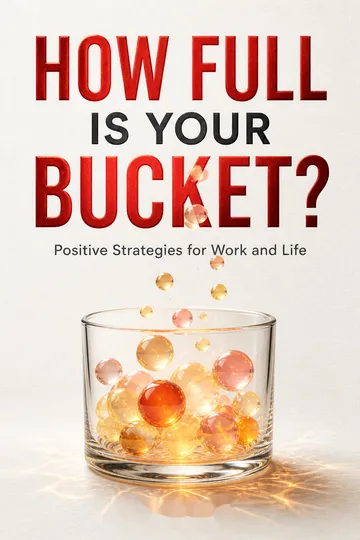
Grandfather's wisdom. This essential lesson was learned early from the author's grandfather, Don Clifton, a lifelong teacher and mentor. He simplified the concept by explaining that every interaction either "filled their bucket or dipped from it," and the best way to fill one's own bucket was to spend time filling others'. This simple yet profound principle shifts energy and work toward efforts that inherently grow in one's absence.
Lasting legacy. Your life has an unknown expiration date, but your efforts and contributions to others do not. The time, energy, and resources invested in people and community continue to grow indefinitely. Getting over oneself is not only liberating and energizing but also simplifies life and reduces stress, allowing for a focus on something larger and more enduring than individual existence.
2. Embrace Your Mortality to Live a More Meaningful Life
The one thing we can all guarantee is that our lives will end at some point.
A life-altering diagnosis. At sixteen, the author received a devastating diagnosis of a catastrophic genetic mutation, von Hippel-Lindau (VHL), which meant a shortened life expectancy and a high likelihood of various cancers. This stark confrontation with mortality, including the potential to pass the condition to future children, forced an immediate shift from teenage invincibility to a profound awareness of finite time.
Outward focus. This early encounter with mortality, though initially terrifying, proved deeply beneficial. It compelled the author to orient his efforts toward making the greatest contributions, both during and beyond his lifetime. Research supports this, showing that children who battle cancer and survive often experience "post-traumatic growth," leading to a greater appreciation of life, clearer values, and stronger social connections.
Beyond control. Acknowledging that life has an end is not morbid but liberating. It helps to let go of what is beyond one's control and focus on what truly matters. When time is viewed as finite, each day becomes more meaningful, and the focus naturally shifts from what can be taken out of the world to what can be put back into it, creating a lasting impact.
3. Invest in Relationships: Your Greatest Contributions Start Small
What you put back into the world is built one interaction at a time.
The power of interactions. Contributions to others typically begin with small, seemingly insignificant interactions that, over time, build new relationships and strengthen existing ones. Research indicates that a single negative exchange can outweigh several positive ones, highlighting the importance of maintaining a high ratio of positive to negative interactions to energize social networks and enhance well-being.
Nurturing connections. During challenging times, such as the author's initial VHL diagnosis, withdrawing from relationships is the worst possible response. Instead, nurturing strong relationships becomes the cornerstone of growth and contribution. The author focused on writing heartfelt notes to family, teachers, and healthcare providers, acknowledging their impact and prioritizing quality time with those who mattered most.
Beyond self-interest. While it might be easier to retreat into solitary pursuits like books or video games, these activities, however enjoyable, do not foster lasting contributions. The true value lies in the time spent with friends and family, as these are the relationships that will ultimately matter and endure. Investing in these connections is a deliberate choice to build a life of meaningful contribution.
4. Cultivate Positive Interactions and Assume Good Intent
You always have a choice of how to respond.
Choosing your response. Even when faced with rudeness or negativity, individuals always retain the power to choose their response. This choice can either escalate tension or defuse it, setting off a cascading process that can make the day progressively better or worse. Assuming positive intent in others' actions, even when they seem oblivious or inconsiderate, is a powerful strategy for maintaining one's own well-being.
A unique perspective. The author, blind in one eye due to VHL, frequently experiences accidental collisions in crowded public places. This provides a unique lens into human behavior, revealing how some react with anger or disgust, while others apologize or assume no ill intent. Those who choose to assume positive intent avoid increasing their own hostility levels, allowing them to move through their day with greater ease and peace.
The smartphone effect. In an era of hyper-distraction, giving undivided attention is a rare and valuable gift. Studies like "The iPhone Effect" demonstrate that the mere visible presence of a smartphone, even if inactive, degrades the quality of conversations and reduces empathetic concern. By consciously stowing away devices, one signals care and respect, fostering deeper connections and making time and attention the most precious resources invested in relationships.
5. Focus Your Efforts on What Will Grow Beyond Your Lifetime
Look through the lens of what will outlive you, and you’ll quickly see past self.
A lasting legacy. The author's grandfather, Don Clifton, believed that "Our Greatest Contribution" involved educating and empowering future generations. He emphasized that true impact comes from focusing on efforts that will continue to grow and benefit others long after one is gone. This perspective encourages individuals to think beyond immediate gratification and personal accolades, toward a more enduring form of contribution.
Beyond default paths. Many people fall into default career paths or roles that don't align with their true talents or passions, never exploring the wider possibilities of how they could contribute. The author, despite a family background in a successful business, initially questioned joining it, fearing his contributions wouldn't be genuinely earned. However, his grandfather's vision of a project that could improve lives globally, like StrengthsFinder, presented a rare opportunity to make a lasting impact.
Planting seeds. When faced with a rare opportunity, especially one that aligns with a desire for lasting influence, it's crucial to seize it. The StrengthsFinder project, born from the author's collaboration with his grandfather, grew to influence millions, demonstrating how focused effort on something that can scale and endure creates exponential impact. These are the "seeds" planted today that will continue to grow for years, even decades, to come.
6. Discover Your Unique Contribution, Don't Just Follow Expectations
The greatest strength is helping another person to uncover a hidden talent.
Tailoring work to self. Many individuals mistakenly adopt a "what does the company want from me" approach, tailoring themselves to suit their work rather than aligning their work with who they truly are. This often leads to unfulfilling roles and missed opportunities to make meaningful contributions. The author's own journey, initially considering a corporate path, highlights the importance of exploring a full range of possibilities.
Beyond family background. Despite growing up in the shadow of a successful family business, the author yearned for independence and anonymity, especially given his VHL condition. He chose a college far from home, where no one knew his medical history, allowing him to define himself beyond his family or chronic illness. This period of self-discovery was crucial before he eventually found a unique way to contribute within the family's legacy.
A rare opportunity. The author's grandfather presented a compelling counter-argument to his reservations about joining the family business: the chance to work on a project (StrengthsFinder) that would have a wide, immediate influence and align with the author's interest in psychology and technology. This specific, challenging project, combined with the limited time left for his grandfather, became a once-in-a-lifetime opportunity to make a significant contribution alongside his mentor.
7. Tell People Their Impact While They Are Still Here
Tell someone how they have contributed to your life . . . while they are still around to hear it.
Praise while alive. The author's grandfather often remarked on the oddity of waiting until people die to praise their contributions. When his grandfather was diagnosed with stage IV cancer, the author took this lesson to heart, writing a lengthy letter detailing his profound positive influence. This act, born of courage and love, became one of the most meaningful things he had ever done.
An unexpected path. Sharing this letter not only allowed the author to express his gratitude but also inadvertently launched his writing career. His grandfather, recognizing a hidden talent, proposed they write a book together in the short time he had left. This urgent, passionate collaboration, "How Full Is Your Bucket?", became a #1 New York Times bestseller, demonstrating the power of acknowledging and nurturing talent in others.
Making each moment count. Working on the book with a clear line of sight to both their mortalities infused the project with passion and clarity. This experience underscored the importance of making each moment count and celebrating people's lives and contributions while they are still alive. Such acts of appreciation create deep meaning not just for the recipient but also for the giver, fostering connections that endure beyond physical presence.
8. The Most Meaningful Contributions Often Start at Home
My experience over these years also showed me how the most meaningful contributions in life start at home.
Beating the odds. The author surpassed his initial life expectancy, married, and had two healthy children who did not inherit his VHL mutation. This personal victory led to a profound realization: the desire to be fully present for his children's childhood. He stepped away from a demanding job to dedicate more time and energy to their growth, a decision he considers one of the best and most rewarding of his life.
Family as foundation. While this shift in focus reduced his professional output, it provided invaluable quality time with the most important people in his life. This experience solidified the belief that the most meaningful contributions often begin within the home, shaping the lives of loved ones. Despite ongoing health battles and chronic pain, the contributions of his family and friends provide hope and keep him focused on the daily moments that truly matter.
Beyond personal struggles. Even amidst personal health challenges, the author benefits immensely from the contributions of others, particularly researchers dedicating their lives to finding treatments for conditions like VHL. This highlights how individual well-being is deeply intertwined with the collective efforts of strangers. These patient, often unseen contributions accumulate over time, profoundly changing lives and underscoring the interconnectedness of human experience.
9. Leverage Your Strengths to Serve Others, Not Just Yourself
Simply put, your strengths and efforts must be focused on specific contributions you can make to other people’s lives.
Beyond self-focus. The popular adage "you can be a whole lot more of who you already are" can inadvertently feed a self-focused mindset. While understanding one's talents is essential, these "building blocks" serve the world best when directed outward, not inward. Strengths and efforts only add value to society if they provide something others need, moving beyond mere self-actualization to genuine contribution.
The consequential mistake. Many individuals become so engrossed in daily demands that they postpone serious reflection on how to make greater contributions to their teams, families, and communities. This delay is a consequential mistake, as years and decades of opportunity to make meaningful and substantive contributions can be lost. Knowing oneself is merely a starting point; the true impact comes from applying that knowledge to benefit others.
Perpetual growth. Life's ultimate purpose is not about self-oriented or monetary ambitions, but about creating things that improve lives, investing in the development of others, and participating in efforts that will continue to grow when you are gone. As Dr. Martin Luther King Jr. asked, "What are you doing for others?" Orienting efforts outward creates perpetual growth for generations to come, ensuring that contributions outlive the contributor.
10. Ask "How Can I Contribute Today?" to Live a Prosocial Life
Every morning, wake up and remind yourself: it’s not about me.
Contribution over passion. Real growth and well-being stem from following one's contributions more than one's passions. Starting with the question, "What can I contribute?" leads to a more fulfilling path and better results than beginning with a self-centered focus. This principle extends beyond careers, influencing all aspects of life, from family to community.
The prosocial imperative. A growing body of evidence suggests that humans are innately "prosocial," meaning they are wired to connect and contribute to something beyond themselves. Even small acts of generosity trigger happiness in the brain, and prosocial acts at work measurably benefit the giver, receiver, and the entire organization. This inherent drive to help others means that work can, and should, improve one's well-being.
A daily practice. To live a life of profound contribution, begin each day with a simple, powerful reminder: "It's not about me." Then, immediately follow with the question, "How can I contribute to another person's life today?" This daily practice, inspired by those who have shaped one's own story, ensures that opportunities for meaningful impact are seized, creating a legacy that continues to grow infinitely in one's absence.
Review Summary
"It's Not About You" received mixed reviews, with an average rating of 4.01 out of 5. Many readers found the book's message on selflessness and contribution inspiring, praising its concise delivery and personal anecdotes. However, some criticized its brevity and lack of depth, feeling it offered little new insight. Critics also pointed out the author's privileged background, arguing it limited the book's relatability. Despite these criticisms, many readers appreciated the book's emphasis on helping others and found it a quick, thought-provoking read.
People Also Read
About the Author

Download PDF
Download EPUB
.epub digital book format is ideal for reading ebooks on phones, tablets, and e-readers.








































