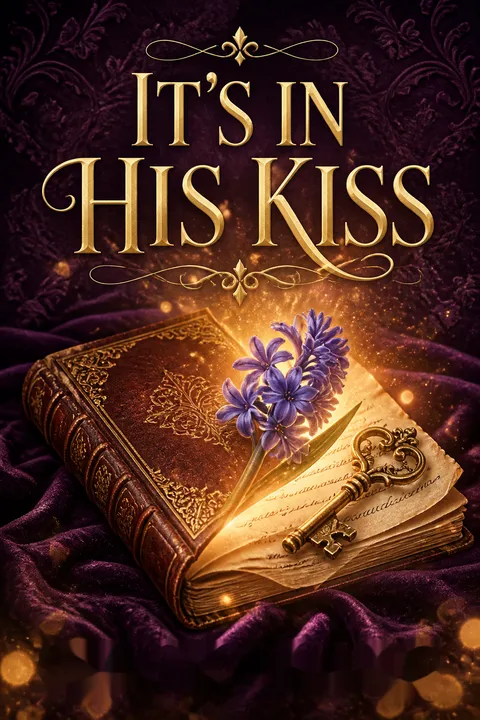

Plot Summary
Prologue: Secrets and Estrangement
Ten years before the main story, young Gareth St. Clair's life is defined by his toxic relationship with his father, Lord St. Clair. Their interactions are cold, hostile, and transactional, with Gareth always feeling like an outsider in his own home. When his father tries to force him into a marriage of convenience to save the family's finances, Gareth refuses, only to be told he is not truly Lord St. Clair's son—a revelation that shatters his sense of identity. Cast out, Gareth is left to make his own way, carrying the burden of illegitimacy and a deep-seated need for belonging.
The Unconventional Hyacinth
Hyacinth Bridgerton, the youngest of her large, loving family, is clever, outspoken, and a little too sharp for the marriage market. She's grown weary of the endless balls and suitors who can't keep up with her intellect. Her closest relationships are with her family and the formidable Lady Danbury, for whom she reads lurid novels weekly. Hyacinth's wit and honesty make her both admired and intimidating, and she's increasingly aware that her prospects are dwindling—not because she's unworthy, but because she refuses to settle for less than an equal.
Gareth's Inheritance and Mystery
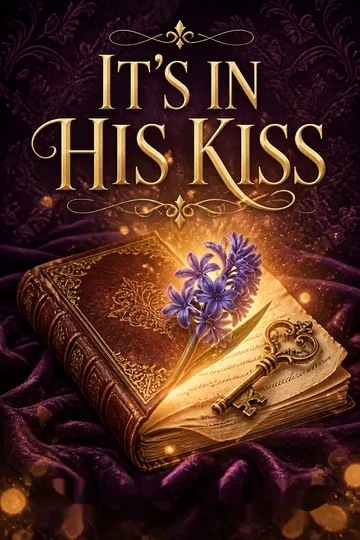
After the death of his brother, Gareth receives a mysterious Italian diary from his sister-in-law, believed to be written by his paternal grandmother. Unable to read it, he turns to Lady Danbury for help, who suggests Hyacinth as a translator. The diary becomes a symbol of Gareth's search for identity and belonging, as well as a potential key to his family's hidden secrets. The inheritance of the diary, rather than wealth or title, underscores Gareth's outsider status and sets the stage for his partnership with Hyacinth.
A Diary in Italian
Hyacinth, with her knowledge of Italian, agrees to translate the diary. As she and Gareth work together, their banter is sharp and flirtatious, each challenging the other intellectually and emotionally. The diary reveals the unhappiness of Gareth's grandmother and hints at hidden jewels, sparking a treasure hunt. Their collaboration is both a literal and metaphorical decoding of family secrets, and it draws them closer, even as it exposes vulnerabilities and fears.
Sparks at the Smythe-Smith
At the infamous Smythe-Smith musicale, Hyacinth and Gareth's chemistry is undeniable. Their repartee is laced with humor and challenge, and both are aware of the social expectations and reputations that surround them. Lady Danbury, ever the matchmaker, delights in their dynamic. The event sets the tone for their relationship: a battle of wits, mutual respect, and a growing attraction that neither can easily dismiss.
The Game of Translation
As Hyacinth delves deeper into the diary, she uncovers clues about hidden family jewels and the emotional landscape of Gareth's ancestors. Their late-night meetings to discuss the diary become increasingly charged, blending the thrill of the hunt with the thrill of burgeoning romance. The translation process mirrors their relationship—layered, complex, and requiring trust. Each clue brings them closer to the truth and to each other.
Family, Reputation, and Rivalry
Hyacinth's vibrant, supportive family contrasts sharply with Gareth's isolation and the hostility of his father. The Bridgertons' meddling is loving, if overwhelming, while Lord St. Clair's interference is cruel and calculated. Gareth's struggle with his father's legacy and his own legitimacy is mirrored in his hesitance to fully embrace love and happiness. Hyacinth, meanwhile, must navigate her family's expectations and her own fear of vulnerability.
The First Kiss and Fallout
A passionate, impulsive kiss between Hyacinth and Gareth changes everything. Both are left reeling—Hyacinth by her inexperience and Gareth by the depth of his feelings. The kiss exposes their insecurities: Hyacinth's fear of not being enough, Gareth's fear of being unworthy. Their subsequent awkwardness and avoidance threaten to derail their partnership, but the unresolved tension only deepens their connection.
The Diamond Hunt Begins
The discovery of clues about hidden diamonds in the diary leads Hyacinth and Gareth to plan a midnight break-in at Clair House. Disguised and determined, they navigate danger and near-discovery, their teamwork and trust tested at every turn. The hunt is both literal and symbolic—a quest for treasure, but also for truth, courage, and the possibility of a future together. Their escapades are exhilarating, but also force them to confront the risks of love and exposure.
Midnight Intrigue and Near Discovery
Inside Clair House, Hyacinth and Gareth's search is nearly foiled by the return of the butler. Hiding together in a cramped closet, their physical proximity heightens their awareness of each other. The danger of discovery is real, but so is the thrill of shared adventure. The episode cements their bond, but also underscores the precariousness of their situation—socially, emotionally, and in the eyes of Gareth's father.
Confessions and Confrontations
Tensions come to a head as Gareth's father confronts him about his relationship with Hyacinth and the inheritance. Gareth's sense of self is shaken by his father's manipulations and threats, while Hyacinth demands honesty about his feelings and intentions. Both must confront their deepest fears: Gareth, that he is unlovable and illegitimate; Hyacinth, that she is merely a pawn in Gareth's battle with his father. Their confrontation is raw, painful, and necessary for growth.
Love, Truth, and Forgiveness
In the aftermath of their argument, both Hyacinth and Gareth are forced to reckon with their own wounds and desires. Hyacinth, guided by her mother's wisdom, realizes that love requires risk and forgiveness. Gareth, finally able to articulate his love, confesses his true feelings and the secret of his birth. Hyacinth's acceptance is immediate and unconditional, offering Gareth the belonging he has always craved. Their reconciliation is tender, honest, and transformative.
The Proposal and New Beginnings
Gareth proposes to Hyacinth in front of Lady Danbury, sealing their partnership with humor and affection. Their engagement is celebrated by both families, and the final obstacles—legal, emotional, and familial—are overcome. The couple's journey from adversaries to lovers is complete, marked by mutual respect, shared adventure, and a hard-won sense of security. The epilogue reveals their continued search for the hidden jewels, now as a family, and the enduring power of love to heal old wounds.
Epilogue: Hidden Jewels, Lasting Love
Years later, Hyacinth and Gareth are happily married with children, still searching for the elusive diamonds. Their daughter, Isabella, finally discovers the hidden jewels, symbolizing the fulfillment of the family's quest and the enduring legacy of love, resilience, and curiosity. The story ends with laughter, warmth, and the promise that the best adventures are those shared with the ones we love.
Analysis
Julia Quinn's It's in His Kiss is a masterclass in blending romantic comedy with deep psychological insight. At its heart, the novel is about the search for identity, belonging, and the courage to love in the face of fear and rejection. Through the intertwined journeys of Hyacinth and Gareth, Quinn explores the ways in which family—both biological and chosen—shapes our sense of self. The novel's central plot devices—the Italian diary and the hidden jewels—serve as metaphors for the hidden wounds and treasures within each character. The story's humor, driven by sparkling dialogue and eccentric supporting characters, never undercuts its emotional depth; instead, it provides a necessary counterpoint to the protagonists' struggles. Ultimately, the novel argues that true love is not about perfection, but about acceptance, forgiveness, and the willingness to risk vulnerability. The epilogue's generational resolution reinforces the idea that healing is possible, and that the best legacies are those built on love, resilience, and curiosity. For modern readers, the book offers both escapist delight and a resonant meditation on the power of honesty, partnership, and the enduring quest for home.
Review Summary
People Also Read







Characters
Hyacinth Bridgerton
Hyacinth is the youngest Bridgerton, known for her sharp tongue, quick wit, and refusal to conform to society's expectations of demure femininity. She is both admired and feared in the marriage market, as her intellect and honesty intimidate many suitors. Hyacinth's relationship with her family is loving but sometimes overwhelming, and her closest confidante is Lady Danbury, whose own outspokenness mirrors Hyacinth's. Throughout the story, Hyacinth's journey is one of vulnerability—learning to risk her heart, trust in love, and accept that true partnership means letting someone in, flaws and all. Her development is marked by a gradual softening, as she moves from defensive independence to open-hearted connection.
Gareth St. Clair
Gareth is the quintessential outsider: handsome, witty, and carrying the scars of a loveless childhood. His relationship with his father is toxic, defined by rejection and the devastating revelation of his illegitimacy. Gareth's sense of self is fragile, and he masks his pain with humor and a reputation for rakishness. The diary from his grandmother becomes both a literal and symbolic quest for identity, and his partnership with Hyacinth challenges him to confront his fears of unworthiness. Gareth's arc is one of healing—learning to accept love, forgive himself, and claim his place in the world, not as a by-blow, but as a man worthy of happiness.
Lady Danbury
Lady Danbury is a force of nature—sharp-tongued, opinionated, and unafraid to speak her mind. She serves as both mentor and matchmaker, delighting in the chaos she creates. Her affection for Hyacinth is genuine, and her support for Gareth is unwavering, even as she pushes both toward self-discovery. Lady Danbury's role is that of the wise elder, dispensing advice, orchestrating encounters, and providing the tough love both protagonists need. Her presence is a reminder that age brings not just wisdom, but the freedom to defy convention.
Lord St. Clair (The Baron)
Gareth's father is the story's primary antagonist, embodying the worst aspects of aristocratic pride and patriarchal control. His rejection of Gareth, both as a son and as a person, leaves deep psychological scars. The baron's manipulations—forcing Gareth into an unwanted marriage, threatening his inheritance, and undermining his sense of self—are driven by his own insecurities and need for dominance. His eventual irrelevance is a testament to the power of love and truth to break cycles of abuse.
Violet Bridgerton
Hyacinth's mother is the emotional anchor of the Bridgerton family. Her matchmaking is motivated by genuine concern for her children's happiness, and her advice is both practical and compassionate. Violet's own experience with loss and resilience informs her guidance to Hyacinth, encouraging her to risk vulnerability and pursue true partnership. She represents the ideal of maternal love—supportive, honest, and always present.
Gregory Bridgerton
Hyacinth's younger brother, Gregory, provides comic relief and a sibling's perspective on her romantic entanglements. His teasing is affectionate, and his protectiveness is genuine, reflecting the close-knit nature of the Bridgerton family. Gregory's interactions with Hyacinth highlight her strengths and insecurities, and his approval of Gareth is a subtle but important endorsement.
Caroline St. Clair
Gareth's sister-in-law, Caroline, is a minor but pivotal character. Her delivery of the Italian diary sets the plot in motion, and her own experience of loss and resilience mirrors Gareth's journey. Caroline's presence is a reminder of the importance of chosen family and the ways in which grief can lead to unexpected new beginnings.
Isabella St. Clair (Epilogue)
Gareth and Hyacinth's daughter, Isabella, embodies the best qualities of both parents: intelligence, curiosity, and determination. Her discovery of the hidden jewels in the epilogue is both a literal and symbolic fulfillment of the family's quest. Isabella's character represents hope, continuity, and the enduring power of love and adventure across generations.
The Bridgerton Family
The extended Bridgerton clan is a constant presence—supportive, intrusive, and always loving. Their collective energy provides both comic relief and emotional ballast, reminding Hyacinth (and Gareth) that family, for all its chaos, is a source of strength and belonging.
The St. Clair Legacy
The St. Clair family history is a shadow over Gareth's life, filled with secrets, betrayals, and lost opportunities for love. The resolution of the family's mysteries—through the diary, the jewels, and the revelation of Gareth's true parentage—allows for healing and the possibility of a new, healthier legacy.
Plot Devices
The Italian Diary
The diary serves as the central plot device, driving the action and deepening the emotional stakes. Its translation requires collaboration, trust, and vulnerability, mirroring the protagonists' journey toward intimacy. The diary's clues about hidden jewels provide the external quest, while its revelations about family secrets force Gareth and Hyacinth to confront their own fears and desires. The diary is also a symbol of the ways in which the past shapes the present, and the importance of understanding one's history in order to move forward.
The Hidden Jewels
The search for the diamonds is both a literal adventure and a metaphor for the search for love, identity, and belonging. Each clue brings the protagonists closer together, testing their courage, ingenuity, and trust. The jewels represent not just material wealth, but the hidden treasures of the heart—love, acceptance, and the courage to claim happiness.
Mismatched Families
The stark difference between the warm, chaotic Bridgertons and the cold, fractured St. Clairs highlights the protagonists' emotional journeys. Hyacinth's confidence is rooted in her family's love, while Gareth's insecurity stems from his father's rejection. Their union is both a personal and symbolic healing of old wounds, and the blending of their families represents hope for a better future.
Foreshadowing and Parallelism
The story is rich in foreshadowing, with the diary's revelations about past loves and betrayals echoing the protagonists' own struggles. The epilogue, in which their daughter discovers the jewels, completes the circle, suggesting that the lessons of the past can be transformed into joy for future generations.
Banter and Wit
The sharp, playful banter between Hyacinth and Gareth is both a source of humor and a means of emotional connection. Their verbal sparring allows them to test boundaries, reveal vulnerabilities, and ultimately build trust. The dialogue-driven narrative structure keeps the pace brisk and the emotional stakes high.
Bridgertons Series
About the Author
Other books by Julia Quinn



Download PDF
Download EPUB
.epub digital book format is ideal for reading ebooks on phones, tablets, and e-readers.








































