Plot Summary
Coffee, Games, and Warblers
Henry, a gentle, self-effacing New Yorker, meets Molly for a coffee date set up by a mutual friend. Their chemistry is immediate, fueled by Molly's playful spirit and Henry's quiet wit. They wander through Central Park, playing a trust game that leaves Henry exhilarated and vulnerable. In a moment of wonder, they spot a brilliant Magnolia Warbler. To Henry's shock, the bird curses at him in clear English, but Molly hears only birdsong. Henry is left questioning his sanity, unsure if he's hallucinating or if something stranger is at play. The encounter lingers, unsettling and magical, as the date ends with hope and self-doubt entwined.
Fish Feuds and Fears
Returning home, Henry is greeted by the vitriolic banter of his roommate's betta fish, Lazavik and Dzedka, who hurl elaborate insults at each other. No one else seems to notice. Henry's anxiety grows—are these hallucinations, or is he truly hearing animals speak? He clings to routine, feeding the fish and himself, trying to rationalize the bizarre events. The anger and bitterness of the animals disturb him, making him wonder if he's losing his mind or if the world is far less gentle than he believed. The comfort of home is shadowed by the fear that something fundamental has shifted.
Animal Voices Multiply
Henry's new ability intensifies. On his way to therapy, he overhears dogs insulting their owners, pigeons hustling for food, and rats discussing grisly subway feasts. The city's animal life is revealed as crude, selfish, and often cruel. Henry's therapist, Murray, dismisses his concerns as metaphorical, missing the literal truth. The weight of this secret isolates Henry further, as he struggles to reconcile the beauty of nature with the ugliness he now hears. The city feels more alien and hostile, and Henry's sense of self is shaken by the relentless negativity of the animal kingdom.
Therapy, Dogs, and Doubt
Henry's session with Murray offers no solace; his therapist insists the animal voices are symbolic of Henry's anxieties. At work, Henry's friend Jackie pushes him to pursue Molly, but he's distracted by his growing unease. Even mundane tasks—feeding the fish, eating lunch—are colored by his awareness of animal suffering and malice. A chance encounter with a guide dog on the subway offers a glimmer of hope, but even the dog is jaded and bitter. Henry's world is now a cacophony of complaints and insults, and he wonders if he can ever return to normalcy.
Pigeons, Rats, and Realizations
A lunch in the park brings more animal voices—pigeons bicker and hustle, rats discuss cannibalism and subway deaths. Henry realizes the animals' knowledge is independent of his own, confirming the reality of his gift. He overhears rats discussing human bodies dumped in subway tunnels, and, horrified, calls in an anonymous tip to the police. The burden of knowing—without being able to act—deepens his sense of helplessness. Meanwhile, his connection with Molly grows, but he's haunted by the darkness he's uncovered beneath the city's surface.
Gracie's Arrival
Henry's neighbor, Mrs. Peabody, is struck by a cab and hospitalized, leaving her notorious dog, Gracie, in Henry's care. Gracie, infamous for her yapping, surprises Henry with her calm wisdom and gentle presence. Molly volunteers to help, and together they retrieve Gracie from the vet, navigating a cacophony of animal voices. The experience bonds Henry and Molly further, and Gracie becomes a quiet anchor in Henry's turbulent world. The dog's presence offers comfort and a new sense of purpose, even as Henry grapples with the ongoing strangeness of his ability.
Molly's Second Date
Molly and Henry's relationship deepens as they care for Gracie together. Molly's warmth and humor draw Henry out of his shell, and Gracie's quiet companionship soothes his anxieties. The trio navigates the city, sharing small adventures and confessions. Henry's fears about his sanity and the darkness of the animal world are tempered by Molly's acceptance and Gracie's gentle wisdom. The possibility of love and connection begins to outweigh Henry's doubts, and he starts to imagine a future less defined by loneliness.
Vet Visits and Revelations
A visit to the vet with Gracie exposes Henry to a chorus of animal voices—each more selfish and neurotic than the last. The experience is overwhelming, but Molly's presence grounds him. Henry realizes that, despite the ugliness he hears, there is still beauty and kindness in the world—especially in the people and animals he chooses to care for. Gracie's simple, profound observations offer a counterpoint to the chaos, and Henry resolves to focus on the good he can do, rather than the darkness he cannot change.
Subway Secrets Unveiled
Spurred by Molly's curiosity and his own sense of responsibility, Henry agrees to investigate the rumors of bodies in the subway tunnels. Armed with headlamps and rope, they descend into the city's underbelly, navigating darkness, rats, and the ever-present threat of discovery. The experience is harrowing, but it cements their bond and forces Henry to confront his fears. The danger is real, but so is the connection he feels with Molly—and the sense of agency that comes from facing the unknown together.
Midnight in the Tunnels
In the depths of the subway, Henry and Molly witness the disposal of a body by mysterious figures. Hiding from both rats and humans, they narrowly escape detection. The trauma of the experience brings them closer, and in the aftermath, Henry confesses his ability to Molly. To his relief, she believes him, accepting his strangeness as part of who he is. The ordeal marks a turning point—Henry is no longer alone with his secret, and the possibility of love feels real and attainable.
Danger, Confession, Connection
As the danger from the subway encounter lingers—his phone missing, the threat of the Scotsmen looming—Henry navigates a series of misunderstandings and emotional hurdles. He fears losing Molly to another, but a candid conversation reveals his mistake. Gracie's presence continues to offer comfort and insight, and Henry learns to trust in the connections he's built. The threat recedes, replaced by a deeper understanding of himself and those around him.
Aftermath and Acceptance
The mystery of the subway body is resolved in a bizarre twist: the supposed murder is revealed as a case of medical school cadaver mismanagement. The Scotsmen are not killers, but hapless students. Meanwhile, Mrs. Peabody passes away, and Henry and Yaryk adopt Gracie. The loss is keenly felt, but the memorial service offers closure and a sense of community. Gracie's heartfelt howl at the service moves everyone, and Henry finds peace in honoring the lives that have touched his own.
Gracie's New Home
With Gracie now part of his family, Henry settles into a new routine. The animal voices begin to fade, and he realizes his extraordinary gift was always temporary. Rather than mourn its loss, he treasures the lessons it brought: empathy, humility, and the importance of kindness. Gracie's wisdom endures, and Henry embraces the ordinary magic of daily life—love, friendship, and the quiet joys of companionship.
Love, Loss, and Letting Go
As Henry's ability disappears, he reflects on what he's gained: a deeper connection to others, a sense of belonging, and the courage to be himself. The world remains imperfect, full of cruelty and beauty in equal measure, but Henry is no longer paralyzed by fear or self-doubt. He finds meaning in small acts of kindness and the relationships he's built. The loss of his gift is bittersweet, but it leaves him more open to love and life.
The Truth About the Scots
The saga of the Scotsmen concludes with the revelation that they were not murderers, but overwhelmed medical students caught in a bureaucratic nightmare. Henry's fears are laid to rest, and the return of his phone—via mail, not menace—symbolizes the end of his ordeal. The city's dangers are real, but not always as they seem. Henry learns to distinguish between genuine threats and imagined ones, finding strength in clarity and connection.
Memorials and Meaning
Mrs. Peabody's memorial service brings together a community touched by her quiet kindness. Gracie's howl becomes a communal expression of grief and love, uniting mourners in shared emotion. Henry's act of standing up for Gracie marks his growth—he is no longer the passive observer, but an active participant in his own life. The service is both an ending and a beginning, as Henry and Molly move forward together, carrying the lessons of loss and love.
The Gift Fades
As Henry's ability to hear animals vanishes, he is left with gratitude rather than regret. The experience has changed him, teaching him to listen more deeply—to others, to himself, and to the world. Gracie remains a source of comfort and insight, her presence a reminder that wisdom and kindness are not limited to the extraordinary. Henry embraces the ordinary, finding meaning in the everyday.
Full Circle in the Park
In the final chapter, Henry, Molly, and Gracie return to the park where it all began. The world is unchanged—full of beauty, conflict, and mystery—but Henry is transformed. He no longer needs to hear animals speak to understand the importance of empathy and connection. Surrounded by the sounds of birds and the warmth of those he loves, Henry finds contentment in the simple act of being present. The story ends not with a grand revelation, but with the quiet assurance that, despite life's hardships, it is possible to find peace, meaning, and joy.
Analysis
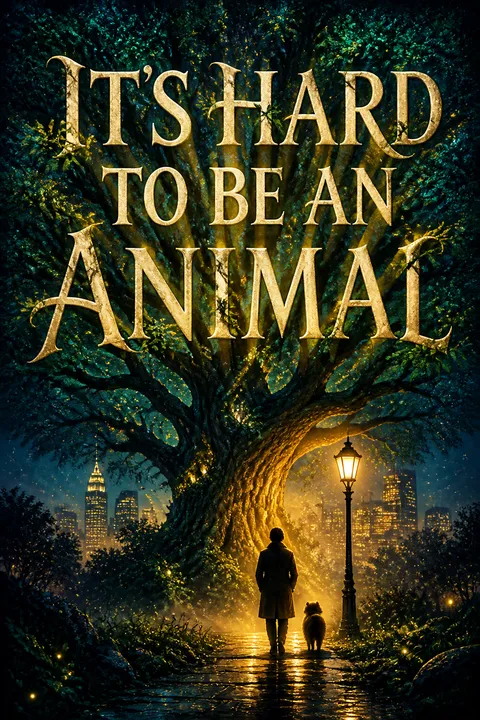
It's Hard to Be an Animal is a novel that uses magical realism to explore the complexities of empathy, vulnerability, and connection in modern urban life. Through Henry's journey—from isolation and self-doubt to love and belonging—the story interrogates the boundaries between self and other, human and animal, ordinary and extraordinary. The ability to hear animals speak is both a blessing and a curse, exposing the harsh realities beneath the surface of everyday life but also offering the possibility of deeper understanding. The novel suggests that true wisdom lies in accepting the world's imperfections, embracing both its beauty and its cruelty, and choosing kindness despite disappointment. The relationships Henry builds—with Molly, Gracie, Yaryk, and even his feuding fish—demonstrate the transformative power of vulnerability and the importance of community. Ultimately, the story is a celebration of the ordinary: the small acts of courage, the quiet moments of connection, and the enduring hope that, even in a world full of noise and pain, it is possible to find meaning, joy, and peace.
Characters
Henry Parsons
Henry is a sensitive, introspective man in his late twenties, living in New York City. Marked by a history of self-effacement and conflict avoidance, he is more comfortable in the background, quietly observing the world. His unexpected ability to hear animals speak thrusts him into a surreal, often distressing reality, forcing him to confront both the cruelty and beauty of life. Henry's relationships—with Molly, his therapist Murray, his roommate Yaryk, and especially Gracie—draw him out of isolation. Over the course of the story, he evolves from a passive bystander to an active participant in his own life, learning to trust, to love, and to stand up for what matters. His journey is one of self-acceptance, courage, and the embrace of ordinary magic.
Molly
Molly is vibrant, witty, and unafraid to challenge convention. Her playful spirit and emotional intelligence draw Henry out of his shell, encouraging him to take risks and embrace life's unpredictability. She is both a romantic interest and a true friend, accepting Henry's strangeness without judgment. Molly's own vulnerabilities—her fear of being too much, her longing for connection—mirror Henry's, making their bond authentic and deep. She is the story's emotional engine, propelling Henry toward growth and self-discovery. Her presence transforms the narrative from one of isolation to one of possibility and hope.
Gracie
Gracie, Mrs. Peabody's Pomeranian, is more than a pet—she is a source of comfort, wisdom, and quiet strength. Unlike the other animals, whose voices are often harsh or self-serving, Gracie's insights are gentle, profound, and compassionate. She becomes Henry's confidante and emotional anchor, especially after Mrs. Peabody's death. Gracie's presence grounds the story, offering a model of resilience and acceptance. Her final howl at the memorial service is a moment of pure, communal grief and love, uniting the characters in shared humanity.
Yaryk
Yaryk, Henry's Belarusian roommate, is cheerful, eccentric, and endlessly supportive. His malapropisms and cultural misunderstandings provide humor, but beneath the surface lies a resourceful and capable friend. Yaryk's mysterious job and unexpected skills (including martial arts) hint at a complex past. He is unfailingly loyal, embracing Henry's quirks and welcoming Gracie into their home. Yaryk's presence embodies the story's themes of chosen family and the unexpected strengths found in community.
Jackie
Jackie is Henry's colleague and friend, a force of nature who delights in orchestrating connections. Her brash humor and relentless optimism contrast with Henry's reticence, but her loyalty is unwavering. Jackie's own struggles with loneliness and her high standards for romance add depth to her character. She serves as both comic relief and emotional support, pushing Henry toward Molly and offering perspective on the challenges of modern relationships.
Murray
Murray is Henry's long-term therapist, a well-meaning but somewhat detached figure. He interprets Henry's experiences through the lens of psychology, missing the literal truth of the animal voices. Murray represents the limits of rational explanation and the difficulty of being truly seen and understood. His presence in the story highlights Henry's journey from self-doubt to self-trust.
Mrs. Peabody
Mrs. Peabody is a retired schoolteacher whose accident sets much of the plot in motion. Her kindness, wisdom, and dedication to her students are revealed through the memories of others. Her death is a moment of profound loss, but her legacy endures in the community she built and in Gracie, who becomes Henry's companion. Mrs. Peabody embodies the story's themes of quiet heroism and the lasting impact of small acts of kindness.
Lazavik and Dzedka
Yaryk's betta fish, Lazavik and Dzedka, provide a running commentary on the story's events. Their elaborate insults and eventual reconciliation mirror the human characters' struggles with conflict and connection. Initially symbols of the world's cruelty, they evolve into a testament to the possibility of change and the redemptive power of love—even in the most unlikely places.
The Scotsmen (Callum and Donal MacLeod)
Initially perceived as dangerous criminals, the Scotsmen are revealed to be overwhelmed medical students caught in a bureaucratic nightmare. Their actions drive much of the story's suspense, but their ultimate harmlessness underscores the theme that not all threats are as they seem. They serve as a reminder of the absurdity and unpredictability of life in the city.
Jayden Stroop
Jayden is Henry's younger, brash coworker, whose ambition and lack of self-awareness create chaos in the office. He represents the type of person Henry has always avoided—aggressive, self-promoting, and oblivious to the needs of others. Jayden's antics force Henry to assert himself and claim credit for his own work, marking a key moment in Henry's personal growth.
Plot Devices
Magical Realism as Psychological Mirror
The central device—Henry's sudden ability to hear animals speak—serves as both a literal plot engine and a metaphor for heightened empathy and sensitivity. The gift exposes the hidden cruelties and anxieties of the world, mirroring Henry's own fears and insecurities. As the ability fades, it leaves Henry changed, more attuned to the complexities of life and more willing to engage with others. The magical realism is grounded in psychological truth, using the surreal to illuminate the ordinary.
Foreshadowing and Narrative Echoes
The story is rich with foreshadowing: the initial warbler encounter prefigures Henry's journey into the animal world; the fish feuds mirror human conflicts; Gracie's wisdom anticipates her central role in Henry's healing. Recurring motifs—games, trust exercises, animal voices—create narrative echoes that reinforce the themes of connection, vulnerability, and transformation.
Dualities and Contrasts
The narrative structure is built on contrasts: the beauty of nature versus the ugliness of animal voices; Henry's isolation versus the warmth of community; the threat of violence versus the safety of home. These dualities drive the emotional arc, as Henry learns to hold conflicting truths and find meaning in the tension between them.
Comic Relief and Emotional Balance
The story balances its darker themes with humor—through Yaryk's malapropisms, Jackie's matchmaking, the fish's insults, and Molly's playful antics. This comic relief not only lightens the tone but also deepens the emotional resonance, making moments of grief and vulnerability more poignant.
The Ordinary as Extraordinary
By infusing the mundane with magic—talking animals, subway adventures, small acts of kindness—the narrative elevates ordinary experiences. The structure moves from the surreal back to the everyday, suggesting that true transformation lies not in the extraordinary, but in the way we choose to see and engage with the world around us.








































