
Plot Summary
Rain, Guilt, and Goodbye
Jonah's childhood is marked by the slow, painful death of his older brother, Theo, from a terminal illness. The family's home is saturated with sorrow and blame, and Jonah, conceived as a "savior sibling," is left with a crushing sense of responsibility for Theo's suffering and death. The rain outside mirrors the heaviness inside, as Jonah's final moments with Theo are filled with love, regret, and the unspoken belief that he is at fault. This trauma becomes the foundation for Jonah's lifelong struggle with guilt, self-worth, and the desperate need for redemption, setting the emotional tone for the story.
Ambition and Compromise
Claire Davis is a driven young woman in New York, fighting for recognition at a top marketing firm. Her secret relationship with Conrad, the much older CEO, complicates her ambitions. Despite her talent and hard work, she's denied a promotion, told it's to protect her from rumors of favoritism. Claire's sense of self is battered by the compromises she makes for love and career, and her relationship with Conrad is both a comfort and a source of shame. She's haunted by the fear of being seen as someone who "slept her way to the top," and her self-doubt is compounded by disordered eating and a history of family trauma.
Self-Destruction's Edge
Now a famous but troubled musician, Jonah is barely holding himself together. Haunted by his brother's death and his parents' emotional neglect, he numbs himself with alcohol, drugs, and meaningless sex. When his estranged mother dies, Jonah's grief and guilt resurface, sending him into a tailspin. He returns to New York, where his reckless behavior culminates in a drunken, destructive visit to the family mausoleum. His actions threaten his band's future and his own freedom, and the consequences force him to confront the pain he's been running from.
Love, Lies, and Loss
Claire's life is a careful balancing act between her professional ambitions and her secret, increasingly unsatisfying relationship with Conrad. She's isolated, unable to share her struggles with friends or family, and haunted by the loss of her best friend and brother to addiction and betrayal. Her disordered eating is both a symptom and a coping mechanism, and she's plagued by guilt over past mistakes. The death of Conrad's ex-wife and the coldness with which he handles it further erode Claire's sense of security, leaving her adrift and questioning her choices.
The PR Ultimatum
After Jonah's public meltdown, Conrad leverages his power to assign Claire as Jonah's PR manager, tasking her with salvaging his son's reputation. Claire is thrust into the chaotic world of rock stardom, forced to manage Jonah's image while hiding her own relationship with his father. Jonah resents her presence, seeing her as an extension of his father's control, and the two clash in a battle of wills. Their dynamic is fraught with tension, attraction, and mutual recognition of each other's pain, setting the stage for a complex, adversarial partnership.
Chess and Checkmate
Claire and Jonah's relationship becomes a high-stakes game of chess, each maneuvering for control while exposing their vulnerabilities. Claire's strategic brilliance is matched by Jonah's emotional intelligence, and their confrontations are laced with both cruelty and longing. As they travel together, forced into close quarters, their defenses begin to crack. Moments of genuine connection—through music, shared trauma, and small acts of kindness—hint at the possibility of healing, even as old wounds and destructive habits threaten to pull them apart.
Boundaries and Breaking Points
Jonah tests Claire's boundaries with reckless sexual behavior, substance abuse, and calculated provocations. Claire, determined to maintain professionalism, is forced to confront her own triggers and insecurities. Their mutual sabotage escalates until both are left raw and exposed, their pain weaponized against each other. Yet, in the aftermath of their most brutal confrontations, they find unexpected understanding. The lines between enemy and ally blur, and the possibility of something deeper—love, forgiveness, redemption—emerges from the wreckage.
The Art of Control
Both Claire and Jonah struggle with their respective addictions—hers to control and self-punishment, his to substances and self-destruction. Their attempts at recovery are halting and imperfect, marked by setbacks and moments of grace. The band, friends, and chosen family offer support, but true healing remains elusive. As they work together on Jonah's public image, they begin to rewrite their own narratives, learning to ask for help and to forgive themselves for past failures. The art of control becomes the art of letting go.
Sins of the Fathers
The toxic legacy of both Claire's and Jonah's families comes to a head. Jonah's father, Conrad, is revealed as manipulative and emotionally abusive, blaming Jonah for Theo's death and using him as a "savior sibling." Claire's own family history of abuse, addiction, and betrayal resurfaces, forcing her to confront the ways she's internalized blame and shame. In a climactic confrontation, both must choose whether to let their parents' sins define them or to break the cycle and claim their own futures.
Unraveling and Rebuilding
After a series of devastating arguments and revelations, Claire and Jonah are forced to separate and face their demons alone. Both relapse—Claire into disordered eating, Jonah into substance abuse—but ultimately seek help and begin the slow process of rebuilding. Claire discovers she's pregnant, and the news becomes a catalyst for honesty, vulnerability, and a renewed commitment to healing. They reunite, not as saviors for each other, but as partners willing to do the hard work of recovery and love.
Healing in the Spotlight
With Claire's guidance, Jonah's public image is transformed—not through deception, but by embracing authenticity and vulnerability. The band's success becomes a backdrop for personal healing, as both Claire and Jonah learn to balance ambition with self-care and honesty. Their relationship, once built on power struggles and pain, becomes a source of strength and joy. The spotlight, once a source of anxiety and exposure, is reclaimed as a space for truth and connection.
Forgiveness and Forward
Claire and Jonah build a new family—not just with their child, but with friends, bandmates, and those who have stood by them through darkness. Old wounds are acknowledged but no longer allowed to dictate the future. Forgiveness—of self and others—becomes the foundation for a life that is imperfect but real. Together, they learn that redemption is not a single act, but a daily choice to move forward, to love, and to hope.
The Weight of Redemption
Jonah finally severs ties with his father, choosing to define himself not by the expectations or failures of his family, but by the love he creates with Claire and their child. Claire, too, finds peace with her past, accepting that she cannot change what has been done but can choose what comes next. Their journey is one of letting go—of guilt, of shame, of the need to be perfect—and holding on to what truly matters: each other, their child, and the family they've built.
New Beginnings, Old Wounds
The birth of their daughter, Teddy, is both a culmination and a new beginning. Parenthood brings its own challenges and fears, but also a chance to rewrite the story for the next generation. Surrounded by friends and chosen family, Claire and Jonah embrace the messiness of life, the inevitability of mistakes, and the beauty of second chances. Old wounds are not erased, but they are no longer the defining feature of their lives.
Family, Found and Forged
Teddy's first birthday is a celebration not just of her life, but of the family and community that have formed around her. The party is chaotic, joyful, and filled with love—a stark contrast to the isolation and pain that once defined Claire and Jonah's worlds. Gifts and gestures from friends and estranged family members signal the possibility of reconciliation and the enduring power of love. The family they have found and forged is imperfect, but it is enough.
The More Loving One
Claire and Jonah's relationship is not a fairy tale, but a daily act of choosing each other—through relapse and recovery, joy and sorrow, fear and hope. They learn that love is not about saving or being saved, but about being "the more loving one" when the other cannot. Their story is one of mutual redemption, earned not through grand gestures but through the quiet, persistent work of healing and forgiveness.
Endlessly, Together
In the end, Claire and Jonah find peace—not in perfection, but in the acceptance of themselves and each other. Their love, once fraught with pain and power struggles, becomes a source of endless strength and comfort. Surrounded by friends, family, and the child they never expected but now cannot imagine life without, they look to the future with hope. Their story is a testament to the possibility of healing, the necessity of forgiveness, and the enduring power of love.
Analysis
Brit Benson's For Wrath and Redemption is a raw, emotionally charged exploration of trauma, addiction, and the arduous path to healing. Through the intertwined journeys of Claire and Jonah, the novel interrogates the ways in which family legacy, shame, and self-destruction can shape—and nearly destroy—lives. Yet, it is also a testament to the power of vulnerability, chosen family, and the daily, imperfect work of forgiveness. The story refuses easy redemption, instead insisting that healing is a process—one that requires honesty, support, and the willingness to be "the more loving one" when the other cannot. In a modern context, the novel resonates as a meditation on mental health, the dangers of perfectionism, and the necessity of breaking cycles of trauma. Its message is ultimately hopeful: that even the most wounded among us can find love, purpose, and belonging—not by erasing the past, but by choosing, every day, to move forward together.
Review Summary
People Also Read





Characters
Jonah Hendrix
Jonah is a gifted musician whose life is shaped by early trauma: conceived as a "savior sibling" for his terminally ill brother, he grows up under the weight of impossible expectations and guilt. After Theo's death, Jonah is emotionally abandoned by his parents, leading to a lifelong struggle with self-worth, addiction, and self-destruction. His public persona as a brooding, reckless rock star masks deep vulnerability and a desperate need for love and forgiveness. Jonah's journey is one of learning to let go of guilt, accept help, and believe in the possibility of redemption—not as a savior, but as a partner and father. His relationship with Claire is both a crucible and a catalyst for healing, forcing him to confront his darkest fears and ultimately choose hope.
Claire Davis
Claire is a talented marketing professional whose drive is matched only by her capacity for self-doubt and self-punishment. Scarred by a history of family dysfunction, betrayal, and disordered eating, she seeks validation through achievement and relationships—often at her own expense. Her secret affair with Conrad, her boss, is both a symptom and a cause of her isolation and shame. Tasked with managing Jonah's public image, Claire is forced to confront her own demons, as their adversarial partnership becomes a mirror for her deepest wounds. Through her journey with Jonah, she learns to forgive herself, accept love, and redefine success on her own terms. Her arc is one of moving from self-sacrifice to self-acceptance, and from isolation to genuine connection.
Conrad Henderson
Conrad is the powerful, emotionally distant CEO who exerts control over both Claire and Jonah. His relationship with Claire is transactional and self-serving, and his treatment of Jonah is marked by blame, neglect, and emotional abuse. Conrad's inability to love unconditionally or accept vulnerability perpetuates the cycles of shame and self-destruction in both protagonists. He represents the generational trauma and toxic masculinity that both Claire and Jonah must overcome. Ultimately, his power is revealed to be hollow, and his attempts to control others are met with resistance and, finally, irrelevance.
Theo Hendrix
Theo's death is the original wound that shapes Jonah's life. As the beloved, doomed older brother, he is both a source of love and a reminder of Jonah's perceived failure. Theo's memory haunts Jonah, fueling his guilt and self-destructive tendencies. Yet, Theo's love and forgiveness—expressed in their final moments—also plant the seeds for Jonah's eventual healing. He is a symbol of innocence lost, but also of the possibility of redemption.
Savannah "Sav" Loveless
Sav is the lead singer of The Hometown Heartless and a survivor of her own traumas. She is both a mirror and a foil for Jonah, having clawed her way back from addiction and public scandal. Sav's tough love, loyalty, and willingness to call out bullshit make her an essential part of Jonah's support system. She is also a model of what recovery and self-forgiveness can look like, offering hope and perspective to both Jonah and Claire.
Mabel Rossi
Mabel is the drummer for the band and a source of stability and kindness. Her own history of hardship gives her empathy for both Jonah and Claire, and she often acts as a bridge between them and the rest of the group. Mabel's humor, resilience, and unwavering support are crucial in moments of crisis, and her friendship with Claire is a model of healthy, chosen family.
Torren King
Torren, the band's bassist, is both a source of comic relief and a grounding presence. His loyalty to Jonah is tested by the band's struggles, but he ultimately stands by his friend, offering both tough love and forgiveness. Torren's own journey with love and loss parallels Jonah's, and his willingness to admit mistakes and seek reconciliation is a model for growth.
Callie
Callie, Torren's girlfriend, is a survivor of trauma and a symbol of resilience. Her presence in the band's orbit is a reminder that healing is possible, even after devastating loss. Callie's relationship with Torren and her friendship with Claire offer hope and perspective, and her own journey with recovery and love mirrors the central themes of the novel.
Brynn
Brynn, the young daughter of one of the band's friends, represents innocence, hope, and the possibility of breaking cycles of trauma. Her interactions with Jonah reveal his capacity for nurturing and connection, and her presence is a reminder of what is at stake—not just for the protagonists, but for the future.
Teddy Hendrix
Teddy, the daughter of Claire and Jonah, is both a literal and symbolic new beginning. Her birth is the culmination of the protagonists' journey from pain to healing, and her presence offers the hope of a different future—one not defined by the sins of the past. Teddy is a reminder that love, forgiveness, and redemption are possible, and that the cycles of trauma can be broken.
Plot Devices
Dual Narration and Alternating Perspectives
The novel alternates between Claire and Jonah's points of view, allowing readers to experience their inner worlds, traumas, and growth in parallel. This structure creates dramatic irony, as each character's misunderstandings and secrets are revealed to the reader before they are to each other. The dual narration also highlights the ways their stories mirror and diverge, deepening the emotional impact and emphasizing the theme of mutual redemption.
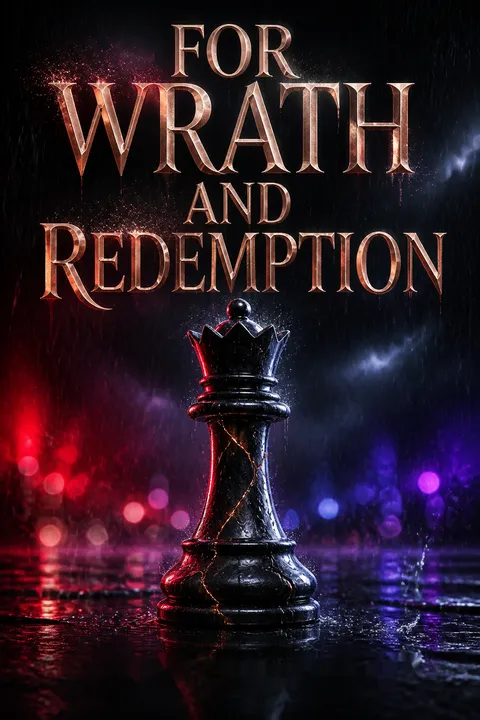
Chess as Metaphor
Chess recurs throughout the novel as a metaphor for the power dynamics, strategic maneuvering, and emotional risks in Claire and Jonah's relationship. Their interactions are framed as moves in a high-stakes game, with each seeking control while exposing their vulnerabilities. The motif culminates in a literal chess match that determines the future of their relationship, symbolizing the balance of agency, trust, and surrender required for healing and love.
Music and Performance
Music is both Jonah's profession and his primary means of expression and escape. Performances, songwriting, and social media videos become vehicles for vulnerability, self-revelation, and public redemption. Music also serves as a bridge between characters, allowing for moments of intimacy and understanding that words alone cannot achieve.
Family Legacy and Generational Trauma
The novel explores the ways in which family history—abuse, addiction, neglect—shapes identity and behavior. Both Claire and Jonah must confront the toxic legacies of their parents and choose whether to perpetuate or break the cycle. The formation of a chosen family, through friends and bandmates, offers an alternative model of love and support.
Redemption and Forgiveness
Redemption is not achieved through a single act, but through the ongoing, imperfect work of self-forgiveness, honesty, and mutual support. The novel resists easy resolutions, instead portraying healing as a daily choice and a shared journey. Forgiveness—of self and others—is depicted as both necessary and difficult, and the story's emotional arc is one of gradual, hard-won hope.
Foreshadowing and Symbolism
Recurring images—rain, music, chess pieces, and the motif of "the more loving one"—foreshadow key emotional turns and symbolize the characters' inner states. The queen chess piece, in particular, becomes a symbol of agency, love, and the possibility of rewriting one's story.
About the Author




Download PDF
Download EPUB
.epub digital book format is ideal for reading ebooks on phones, tablets, and e-readers.








































