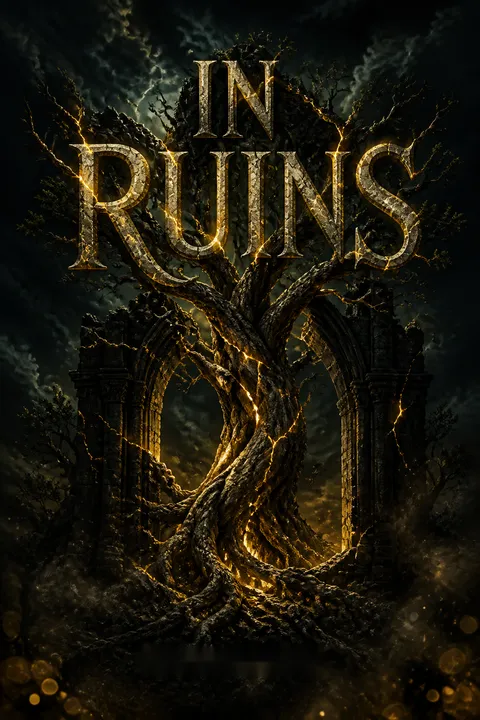

Plot Summary
Promises Under the Oak
Rosalie and Fox, childhood best friends, share a world of innocence and secret dreams beneath the old oak tree and in their treehouse. Their bond is deep, marked by laughter, ghost stories, and a first kiss that cements a promise of forever. Fox vows to always protect Rosalie from monsters, real or imagined, and she believes him with all her heart. But as adolescence approaches, the world begins to intrude—Fox is drawn into the orbit of the popular kids, and Rosalie fears being left behind. Their promise of "forever" is made in the golden haze of youth, but the chapter closes with a sense of foreboding, as Rosalie wishes she'd known how quickly everything would fall apart.
Cafeteria Humiliation
High school is a battlefield, and Rosalie is its favorite target. Juliet, the queen bee, publicly humiliates her in the cafeteria, demanding she lick food off her shoes. Alone and powerless, Rosalie is forced to comply, her dignity shredded before her peers. Fox, now a popular football star and Juliet's boyfriend, intervenes—not to save her, but to reinforce her outsider status. His coldness stings more than Juliet's cruelty, and Rosalie is left reeling, realizing her childhood protector is now complicit in her pain. The emotional wound is deep, and the betrayal by her former best friend marks a turning point in her sense of self.
Broken Friendships, New Enemies
Rosalie retreats into herself, comforted only by her loyal friend Jamie. She confides her pain, her father's pressure to attend an Ivy League school, and her secret longing for a life in music. Jamie encourages her to fight back, but Rosalie feels powerless, trapped by expectations and the relentless bullying of Juliet and her clique. The Four Horsemen—Fox, Cole, Enzo, and Ethan—loom as untouchable gods, their attention both terrifying and intoxicating. Rosalie's dreams feel further away than ever, and the chapter closes with her vowing not to let them break her, even as she doubts her own strength.
The Four Horsemen's Game
The Four Horsemen begin to take a disturbing interest in Rosalie. Their attention is predatory, laced with both threat and seduction. Cole, Enzo, and Ethan corner her, making it clear she's been "chosen" for their twisted game. Fox's role is ambiguous—sometimes cruel, sometimes protective, always unreadable. The boys' dominance is overwhelming, and Rosalie is caught between fear and a confusing, shameful attraction. The power dynamic shifts: she is no longer invisible, but the price of visibility is steep. The chapter pulses with tension, as Rosalie is drawn deeper into their orbit, her agency slipping away.
Chosen and Cornered
The Horsemen escalate their campaign, using blackmail to force Rosalie into compliance. A humiliating video becomes their leverage, and she is given an impossible choice: submit to their demands or face total social ruin. The boys' cruelty is matched by moments of unexpected tenderness, blurring the lines between victim and willing participant. Rosalie's sense of self fractures under the pressure, and she is forced to navigate a world where every choice is a trap. The emotional stakes rise, and the chapter ends with her reluctantly agreeing to their terms, sacrificing her freedom for survival.
Blackmail and Betrayal
Rosalie's life becomes a series of humiliations and small rebellions. The Horsemen control her every move, alternating between threats and seduction. Cole is especially relentless, pushing her boundaries and exploiting her vulnerabilities. Fox remains a cipher, his motives hidden behind a mask of anger and longing. The boys' manipulation is psychological as much as physical, and Rosalie struggles to hold onto her sense of self. The chapter is a study in blurred consent and the corrosive effects of power, as Rosalie is forced to play a role in her own undoing.
The Party and the Trap
A party at Cole's house becomes the crucible for Rosalie's deepest fears. Ian, a former friend, drugs her and attempts to assault her, but the Horsemen intervene—saving her, but only to claim her for themselves. The incident is recorded, adding another layer to their blackmail. Rosalie's trauma is compounded by the knowledge that her safety is conditional, her body a battleground for the desires and grudges of powerful boys. The chapter is raw and harrowing, exposing the vulnerability of girls in a world where protection and predation are two sides of the same coin.
Aftermath and Awakening
In the aftermath of the party, Rosalie is wracked with shame and confusion. The Horsemen's control tightens, but cracks begin to show in their armor. Ethan and Enzo reveal unexpected kindness, and even Cole's cruelty is tinged with longing. Fox's behavior grows more erratic, his anger masking deeper wounds. Rosalie begins to question her own complicity—does she want their attention, or is she merely surviving? The chapter is a turning point, as she starts to reclaim small pieces of agency, even as the boys' game escalates.
The Notebook of Ruin
Rosalie discovers the Horsemen's secret notebook—a ledger of conquests, ratings, and cruel commentary. Her name is there, alongside explicit details and plans for her "ruin." The revelation is shattering, confirming her worst fears: she was never special, only a target in a long-running game. The betrayal is total, and Rosalie's world collapses. The notebook becomes a symbol of everything she has lost—innocence, trust, and the hope of genuine connection. The chapter ends with her resolve hardening; she will not be their victim any longer.
Lines Crossed, Lines Drawn
Armed with the truth, Rosalie confronts Fox and the others. The confrontation is explosive—tears, accusations, and the final shattering of their twisted bond. Fox's attempts at explanation ring hollow, and Rosalie sees through the layers of manipulation and self-pity. Juliet's role as both tormentor and pawn is revealed, and the web of lies unravels. Rosalie's heartbreak is profound, but so is her clarity. She walks away, refusing to be defined by their cruelty or her own pain. The chapter is a reckoning, a necessary end to the cycle of abuse.
The Price of Survival
Rosalie is alone, ostracized by her peers and haunted by the events of the past months. Jamie, her last friend, is lost to Ian's manipulation. The Horsemen's power is undiminished, but Rosalie refuses to be cowed. She finds solace in music, pouring her pain into song and performance. The cost of survival is high—her reputation, her dreams, her sense of safety—but she endures. The chapter is a meditation on resilience, the quiet strength required to keep going when the world wants you broken.
Becoming Their Queen
Against all odds, Rosalie begins to reclaim her power. The Horsemen, chastened by her defiance, offer a new kind of alliance—one where she is not just a pawn, but a queen. The boundaries are still fraught, the wounds still raw, but Rosalie sets new terms. She demands respect, agency, and the right to define herself. The boys, for their part, are forced to confront their own complicity and the emptiness of their games. The chapter is a tentative step toward healing, a reimagining of what power can look like.
Secrets, Scars, and Songs
Rosalie turns to music and theater as a means of healing. With the support of Enzo and Ethan, she prepares for her audition, channeling her pain into art. Fox, struggling with his own demons, offers to help, and their collaboration rekindles a fragile connection. The scars of the past remain, but Rosalie finds strength in self-expression and the pursuit of her true dreams. The chapter is hopeful, a reminder that creativity can be a lifeline in the darkest times.
The Truth About Fox
Fox finally reveals the truth behind his anger and betrayal—the unresolved grief over his mother's death, the guilt he projected onto Rosalie, and the emptiness of his popularity. Their conversation is raw and honest, a reckoning years in the making. Rosalie forgives him, not because he deserves it, but because she needs to let go of the past. Their relationship is transformed, no longer defined by power or pain, but by mutual vulnerability. The chapter is a testament to the possibility of redemption, even after profound hurt.
Juliet's Revenge
Juliet, desperate to reassert her dominance, orchestrates one last act of public humiliation—scrawling "Freakshow" on Rosalie's forehead and unleashing the full force of the school's cruelty. But Rosalie, changed by everything she has endured, refuses to be broken. With the support of the Horsemen—now her allies—she stands tall, reclaiming her dignity and refusing to hide. The chapter is a catharsis, a final rejection of shame and a declaration of self-worth.
The Final Ruin
The story ends with Rosalie walking away from the ruins of her old life. She is changed—scarred, but unbroken. The Horsemen, chastened and transformed, are left to reckon with the consequences of their actions. Rosalie's future is uncertain, but she faces it with courage and hope. The final image is one of liberation: a girl who has survived the worst and emerged, not unscathed, but stronger. The promise of forever is gone, but the promise of herself remains.
Analysis
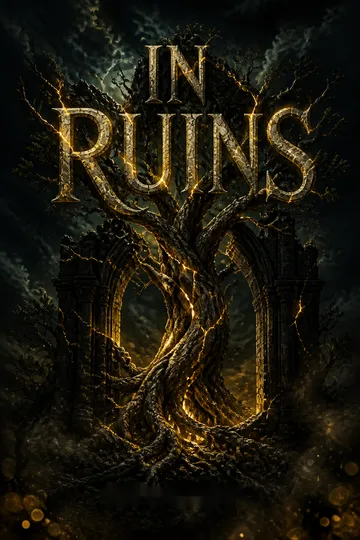
"In Ruins" is a harrowing, unflinching exploration of power, trauma, and the search for self in the crucible of high school. At its core, the novel interrogates the ways in which girls are objectified, controlled, and broken by systems—both social and personal—that reward cruelty and punish vulnerability. Rosalie's journey is emblematic of the struggle to reclaim agency in a world that seeks to define her by her pain. The Horsemen, for all their charisma and complexity, are both products and perpetrators of toxic masculinity, their "game" a microcosm of broader cultural dynamics. The story does not offer easy redemption; forgiveness is hard-won, and healing is incomplete. Yet, in the end, Rosalie's refusal to be defined by her suffering is a radical act of self-assertion. The novel's lessons are clear: survival is not the same as victory, and the true measure of strength is the ability to choose oneself, even in the ruins.
Review Summary
People Also Read

Characters
Rosalie Bishop
Rosalie is the heart of the story—a girl marked by trauma, longing, and a fierce will to survive. Once innocent and hopeful, she is shaped by betrayal, bullying, and the predatory attention of the Four Horsemen. Her relationship with Fox is the axis of her emotional world, shifting from childhood love to bitter enmity and, finally, to a complicated, hard-won forgiveness. Rosalie's psychological journey is one of reclamation: she moves from victimhood to agency, learning to set boundaries and demand respect. Her love of music and secret dreams are both a refuge and a source of pain, as she struggles to reconcile her desires with the expectations of others. Ultimately, Rosalie's greatest strength is her refusal to be defined by her suffering—she endures, adapts, and, in the end, chooses herself.
Fox Evans
Fox is both Rosalie's first love and her greatest betrayer. Charismatic and popular, he is haunted by the death of his mother—a trauma he unfairly projects onto Rosalie. His journey is one of self-destruction and, eventually, redemption. Fox's psychological complexity lies in his duality: he is both protector and predator, capable of tenderness and cruelty. His participation in the Horsemen's game is driven by anger, grief, and a desperate need for control. Yet, beneath the bravado, Fox is deeply vulnerable, longing for connection and forgiveness. His arc is defined by confession and atonement, as he learns to confront his own pain and make amends for the harm he has caused.
Cole Scott
Cole is the most aggressive of the Horsemen—a master of manipulation, dominance, and psychological games. He is both seducer and tormentor, pushing Rosalie's boundaries and exploiting her vulnerabilities. Yet, Cole's cruelty is a mask for his own insecurities and longing for acceptance. His relationship with Rosalie is fraught, oscillating between genuine affection and calculated control. Cole's development is marked by moments of unexpected softness, revealing a capacity for care beneath his hard exterior. He is a study in the dangers of unchecked power, but also in the possibility of change.
Enzo De Luca
Enzo is the most playful and emotionally attuned of the Horsemen. His Italian heritage and musical talent set him apart, and he often acts as a bridge between Rosalie and the others. Enzo's interest in Rosalie is genuine, and he supports her creative ambitions, helping her find her voice. Psychologically, Enzo is less invested in the game's cruelty, seeking instead a sense of belonging and intimacy. His development is tied to his willingness to challenge the group's toxic dynamics and to support Rosalie's healing.
Ethan Masters
Ethan is the quietest and kindest of the Horsemen, often acting as Rosalie's confidant and protector. He is uncomfortable with the group's more predatory behavior and seeks genuine connection. Ethan's psychological struggle is with complicity—he wants to belong, but not at the cost of his integrity. His relationship with Rosalie is marked by tenderness and mutual respect, and he is instrumental in helping her reclaim her agency. Ethan's arc is one of quiet courage, as he learns to stand up for what is right, even against his friends.
Jamie
Jamie is Rosalie's anchor—a source of unconditional support and encouragement. She is the only person who knows Rosalie's true dreams and the depth of her pain. Jamie's own struggles with self-worth and unrequited love mirror Rosalie's, and her eventual estrangement is a devastating blow. Psychologically, Jamie represents the cost of survival—the friendships lost and the innocence sacrificed. Her arc is a reminder that even the strongest bonds can be broken by trauma and betrayal.
Juliet Croft
Juliet is the primary antagonist—a master of social warfare and public humiliation. Her power is rooted in insecurity and a desperate need for control. Juliet's relationship with Fox is transactional, and her hatred of Rosalie is both personal and symbolic. Psychologically, Juliet is a study in the corrosive effects of envy and the lengths people will go to maintain their status. Her final act of revenge is a last, futile attempt to reassert dominance, ultimately rendered powerless by Rosalie's resilience.
Ian Hall
Ian is a cautionary figure—a seemingly harmless friend who becomes a threat. His assault on Rosalie is a turning point, exposing the dangers that lurk beneath the surface of high school life. Ian's psychological profile is one of entitlement and resentment; he feels owed by Rosalie and lashes out when rejected. His manipulation of Jamie and willingness to use blackmail make him a mirror of the Horsemen's worst tendencies, but without their capacity for growth.
Rosalie's Father
Rosalie's father is a background presence, but his influence is profound. He embodies the weight of expectation, dismissing Rosalie's creative ambitions and insisting on a narrow path to success. Psychologically, he represents the internalized voices that tell Rosalie she is not enough, that her dreams are foolish. His inability to see or support his daughter's true self is a source of deep pain and a barrier to her healing.
Amy Evans (Fox's Mother)
Amy's death is the inciting trauma for both Fox and Rosalie. She is remembered as loving, supportive, and a surrogate mother to Rosalie. Her absence haunts the narrative, shaping Fox's anger and Rosalie's sense of loss. Psychologically, Amy represents the possibility of unconditional love—a possibility cut short by tragedy. Her memory is both a source of comfort and a wound that never fully heals.
Plot Devices
The Notebook
The black notebook is the central plot device—a literal record of the Horsemen's "game," cataloging their sexual conquests, ratings, and cruel commentary. It serves as both evidence and metaphor: a tangible manifestation of the boys' power and the dehumanization of their targets. The notebook's discovery is the story's fulcrum, shattering Rosalie's illusions and forcing a reckoning. Its existence is foreshadowed through the boys' secretive behavior and is ultimately the key to both Rosalie's undoing and her liberation.
Blackmail and Video Evidence
The use of humiliating video footage as blackmail is a recurring device, trapping Rosalie in a web of coercion. The threat of exposure is both a source of terror and a tool for the Horsemen's control. The video's presence is a constant reminder of Rosalie's vulnerability, and its eventual deletion marks a turning point in her reclaiming of agency. The device is used to explore themes of consent, power, and the ways in which technology can be weaponized against the powerless.
Duality of Protection and Predation
The Horsemen's behavior oscillates between protection and predation, creating a constant sense of uncertainty. They save Rosalie from Ian, but only to claim her for themselves. Their attention is both a shield and a threat, forcing Rosalie to navigate a world where safety is always conditional. This duality is foreshadowed in Fox's childhood promise to protect Rosalie from monsters—a promise he both keeps and breaks. The device is used to interrogate the complexities of power, desire, and the ways in which victims can become complicit in their own subjugation.
Cyclical Structure and Foreshadowing
The narrative is structured around cycles of betrayal, humiliation, and fleeting hope. Childhood promises are echoed in adult betrayals; moments of tenderness are undercut by acts of cruelty. The story is rich in foreshadowing—Rosalie's early fears of being left behind, Fox's promise to always protect her, the recurring motif of monsters lurking in the dark. These devices create a sense of inevitability, as if the characters are trapped in patterns they cannot escape—until Rosalie finally breaks the cycle.
Black Falls High Series
About the Author
Other books by K.G. Reuss



Download PDF
Download EPUB
.epub digital book format is ideal for reading ebooks on phones, tablets, and e-readers.








































