
Plot Summary
Collision and Ominous Encounter
Josie Quinn and her fiancé Noah's drive home from wedding planning ends in a car accident with a pregnant deer. Stranded in the cold, Josie is picked up by Lorelei Mitchell, a reclusive woman living nearby with her two daughters, Holly and Emily. The encounter is unsettling: Lorelei's home is isolated, her children wary, and a dying deer is put out of its misery with a shotgun. Lorelei's words—"You can't stop death"—linger with Josie, foreshadowing the darkness to come. The sense of unease and helplessness in the face of suffering sets the emotional tone for the story, as Josie is left haunted by the encounter and the strange family she's met.
Wedding Interrupted by Death
Months later, Josie's wedding day at Harper's Peak is filled with joy and anticipation, surrounded by family and friends. But the festivities are shattered when news arrives: a young girl's body has been found at the church where Josie is to be married. The victim is Holly Mitchell, the girl with white eyelashes Josie met months before. The discovery halts the wedding, plunging Josie and Noah into a new investigation. The juxtaposition of happiness and horror, and Josie's inability to separate her personal life from her duty as a detective, creates a powerful emotional conflict that drives her to seek justice for the child.
The Girl with White Lashes
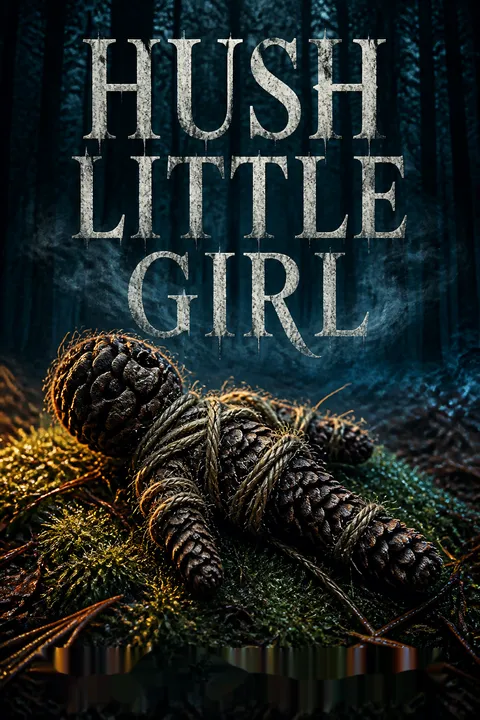
Josie's shock deepens when she realizes the murdered girl is Holly, the child with poliosis she met after the car accident. The crime scene is staged: Holly's body is arranged with wildflowers and a crude pinecone doll. There are no obvious signs of trauma, but the medical examiner finds evidence of strangulation and a head injury. The doll, left in Holly's hands, is a chilling signature. Josie's personal connection to the victim intensifies her determination, and the case's strangeness—marked by the doll and the girl's unique appearance—suggests a killer with a personal motive and a message.
A Family Shattered
Josie and her team rush to Lorelei Mitchell's isolated house, fearing for the safety of the remaining family. They find Lorelei murdered by shotgun, the house ransacked, and eight-year-old Emily missing. The home is eerily devoid of sharp objects, with locks on bedroom doors and a hidden compartment for knives and scissors. Evidence of a violent struggle and the destruction of personal documents point to a targeted attack. The family's isolation, Lorelei's fierce protectiveness, and the absence of a father figure raise questions about what dangers haunted them—and who might have wanted them dead.
The Hidden Child
The police launch a massive search for Emily, issuing an Amber Alert. The house yields clues: a secret hiding place behind a chalkboard wall, where Emily had been trained to hide during "bad things." The search dog repeatedly signals Emily's scent in her bedroom, but she remains missing. The psychological toll on Josie grows as she confronts the possibility of another child victim. The family's history of hiding, the lack of outside connections, and the destroyed evidence suggest a long-standing fear of an unnamed threat, deepening the mystery and urgency.
Secrets in the Walls
Emily is finally found, alive, in the hidden compartment behind her bedroom wall. Traumatized and suffering from OCD, she reveals she was taught to hide during violence, and that "bad things" happened when secrets were told. She refuses to name the person responsible, fearing more harm. The psychological scars are evident: compulsive counting, hoarding small objects, and a terror of breaking promises. Josie's empathy and own history of trauma help her connect with Emily, but the child's silence keeps the investigation at an impasse, and the killer remains at large.
The Pinecone Doll
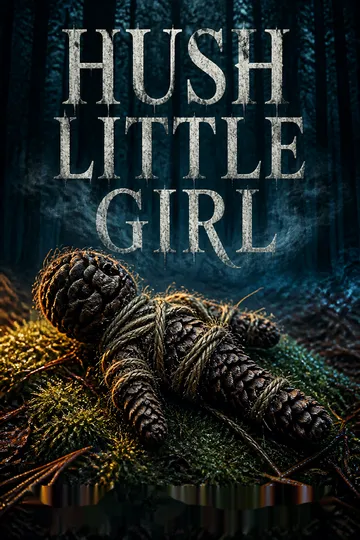
As the investigation unfolds, more pinecone dolls appear—one left at the Mitchell house, another at Josie's car. Emily cryptically says the dolls mean "he's sorry." The dolls become a symbol of remorse and a twisted form of communication from the killer. The team struggles to interpret their meaning: are they a taunt, an apology, or a clue to the killer's identity? The recurring motif of the doll, combined with the destruction of family photos and documents, suggests the killer is intimately connected to the family and is erasing their history.
The Search for Emily
The investigation uncovers a web of secrets: Lorelei's past as a psychologist, her revoked license after a patient's murder-suicide, and her isolation from the world. The search for Emily leads to the involvement of Paxton "Pax" Bryan, a local boy with OCD who was friends with Emily and Holly. His father, Reed Bryan, is hostile and secretive, and his produce market is near both the Mitchell home and Harper's Peak. The team suspects Reed or Pax may be involved, but alibis and conflicting evidence muddy the waters. The sense of threat grows as the killer seems to be watching and manipulating events.
The Unseen Son
The biggest revelation comes when Josie learns of Rory, Lorelei's secret teenage son, hidden from the world due to his violent outbursts and severe psychological disorders. Lorelei's psychiatrist, Dr. Buckley, reveals that Rory was medicated in secret and kept out of the system to protect him from institutionalization. Rory's history of aggression, especially toward his sister Holly, and the family's elaborate safety plans, cast suspicion on him as the killer. Yet, the evidence is ambiguous, and Emily insists Rory is not the only one responsible. The family's tragedy is rooted in love, fear, and the impossible choices of protecting a dangerous child.
The Father's Shadow
The investigation uncovers that Adam Long, co-owner of Harper's Peak and Celeste's husband, is the biological father of Holly and Rory. Adam's affair with Lorelei, his desire to keep the children secret to protect his marriage and fortune, and his ultimate rejection of Lorelei and the children, provide motive for violence. Adam's manipulation, lies, and willingness to kill to protect his reputation are revealed. The family's isolation, the destruction of evidence, and the staged crime scenes are all part of Adam's effort to erase his connection and responsibility.
The Truth Unraveled
As Josie and her team close in, Adam's guilt becomes undeniable. He confesses to killing Lorelei and Holly, attempting to kill Emily, and shooting Josie's grandmother Lisette, who dies heroically protecting Josie. Adam's actions are driven by self-preservation, greed, and a lack of empathy. Rory, though violent and responsible for Reed Bryan's death, is not the architect of the family's destruction. The truth is a devastating mix of mental illness, parental failure, and the consequences of secrets kept too long. The emotional climax is Lisette's death, which leaves Josie bereft but determined to honor her grandmother's legacy.
The Cost of Protection
In the aftermath, Josie grapples with guilt over Lisette's death and the suffering of the Mitchell children. Emily is placed with Pax's aunt, offering hope for a new beginning. Rory is taken into custody, his fate uncertain but his story understood. The community mourns, and Josie's family and friends rally around her. The emotional cost of protection—of trying to save those you love from the world and from themselves—is laid bare. Josie's own trauma and resilience are tested, but she finds strength in her relationships and her commitment to justice.
The Last Goodbye
Lisette's funeral is a celebration of life, held at a roller-skating rink as she wished. The community gathers to honor her, and Josie is surrounded by love and support. The loss is profound, but Lisette's wisdom—"You have to learn to live with both grief and happiness"—guides Josie forward. The funeral is both a farewell and a reminder of the importance of connection, memory, and joy even in the face of tragedy. Josie's marriage to Noah, delayed by violence, is finally celebrated, symbolizing hope and renewal.
Grief and New Beginnings
Josie and Noah begin their married life in the shadow of grief, but with a renewed sense of purpose and love. Emily and Pax find a new home, and the community begins to heal. The investigation's resolution brings closure, but the scars remain. Josie reflects on the lessons learned: the limits of protection, the necessity of facing pain, and the power of compassion. The story ends with a sense of bittersweet hope, as Josie skates into the future, carrying both her sorrow and her joy.
The Killer Revealed
Adam Long's crimes are exposed, and he is killed in a final confrontation with Josie and Rory. The truth about the Mitchell family's suffering, the cover-up, and the murders is brought to light. The legal and emotional consequences ripple through the community. Rory's fate is left to the justice system, but his story is finally told. The resolution is not without pain, but it brings an end to the cycle of violence and secrecy that destroyed the Mitchell family.
The Final Confrontation
Josie's pursuit of Rory and Adam leads to a dangerous showdown in the woods. The struggle is physical and psychological, as Josie must outwit and outlast Adam to survive. The confrontation is a test of Josie's resilience, resourcefulness, and moral clarity. In the end, justice is served, but not without cost. The battle is both literal and symbolic, representing the fight against the darkness that secrets and lies can breed.
Healing and Farewell
In the aftermath, Josie learns to accept both her grief and her happiness. She honors Lisette's memory by embracing life, love, and the messy, painful process of healing. The story closes with a sense of peace and possibility, as Josie and Noah skate together, surrounded by friends and family, ready to face whatever comes next. The emotional journey is complete: from trauma and loss to acceptance and hope.
Analysis
A meditation on trauma, protection, and the limits of loveHush Little Girl is more than a crime thriller; it is a profound exploration of the ways trauma shapes individuals and families. Lisa Regan uses the framework of a murder investigation to delve into the psychological realities of OCD, childhood abuse, and the impossible choices faced by those who love dangerous or damaged people. The novel interrogates the limits of protection: how far can a parent go to save a child, and at what cost? The recurring motif of secrets—kept to protect, but ultimately destructive—underscores the dangers of isolation and denial. The story's emotional arc is one of loss, resilience, and the necessity of facing pain rather than hiding from it. Josie's journey, from haunted survivor to compassionate detective and wife, mirrors the broader theme: healing is possible, but only when we accept both our grief and our happiness. The book's lessons are clear: love is not enough to save everyone, but it is enough to keep going, to seek justice, and to find hope in the aftermath of tragedy.
Review Summary
Hush Little Girl earns overwhelmingly high ratings for its gripping plot and emotional depth. Reviewers praise how Lisa Regan maintains freshness in this eleventh installment, featuring Detective Josie Quinn investigating when a twelve-year-old's body disrupts her wedding day. The case involves missing children, family secrets, and mental health themes, particularly OCD, handled with sensitivity. Readers appreciate the character development, fast pacing, and unexpected twists. Many noted crying during a heartbreaking tragedy affecting Josie personally. While some found the ending predictable, most recommend starting from book one for full appreciation of the series.
Characters
Josie Quinn
Josie is a complex, deeply empathetic detective whose life is marked by trauma, loss, and a relentless drive for justice. Her childhood abduction, abusive upbringing, and later reunification with her biological family have left her with scars—both physical and emotional. Josie's relationships are central to her growth: her love for Noah, her bond with her grandmother Lisette, and her protective instincts toward vulnerable children like Emily. Josie's psychological depth is revealed in her struggle to balance personal happiness with professional duty, her guilt over Lisette's death, and her ability to connect with traumatized children. Her journey is one of learning to accept both grief and joy, and to find meaning in the face of suffering.
Noah Fraley
Noah is Josie's fiancé and later husband, a lieutenant in the police department, and her unwavering support. He is calm, rational, and deeply loving, providing stability amid chaos. Noah's own history of loss and trauma makes him uniquely attuned to Josie's struggles. His willingness to put their relationship on hold for the sake of justice, and his ability to forgive and support Josie through her darkest moments, reveal his strength and compassion. Noah's development is seen in his transition from colleague to life partner, and in his acceptance of the complexities of Josie's world.
Lisette Matson
Lisette is Josie's grandmother and the emotional heart of the story. Her life is defined by resilience, wisdom, and unconditional love. She raises Josie after her abduction, providing the stability and care Josie's early life lacked. Lisette's death is a profound loss, but her legacy endures in her teachings: the necessity of feeling both grief and happiness, the importance of family, and the courage to protect those you love. Her final act—sacrificing herself to save Josie—cements her role as a protector and hero.
Emily Mitchell
Emily is the youngest Mitchell daughter, marked by trauma, compulsive behaviors, and a deep fear of breaking promises. Her psychological struggles—compulsive counting, hoarding, and distress over secrets—are both a response to her environment and a manifestation of OCD. Emily's relationship with her mother and sister is loving but fraught with fear, as she is taught to hide during violence. Her journey is one of survival, learning to trust, and beginning to heal in a new environment. Emily's silence and eventual courage to speak are pivotal to solving the case.
Holly Mitchell
Holly is the older Mitchell daughter, distinguished by her white eyelashes and her role as Emily's protector. She is mature beyond her years, teaching Emily how to hide and survive. Holly's life is marked by fear of her brother Rory's violence and her mother's desperate attempts to keep the family safe. Her murder is the catalyst for the story, and her memory haunts both Emily and Josie. Holly's legacy is her bravery and the love she showed her sister.
Lorelei Mitchell
Lorelei is a complex figure: once a successful child psychologist, she is undone by a patient's violence and the loss of her license. Her life becomes one of isolation, secrecy, and fierce protection of her children. Lorelei's choices—to hide Rory, to keep her children off the grid, to destroy evidence—are driven by love and fear. Her murder is both a personal tragedy and the unraveling of years of secrets. Lorelei's psychological insight, compassion, and desperation shape the family's fate.
Rory Mitchell
Rory is Lorelei's secret teenage son, suffering from severe psychological disorders and violent outbursts. His life is defined by isolation, medication, and the constant threat he poses to his family. Rory's actions—his violence, his remorse, his attempts to protect Emily—are both tragic and sympathetic. He is both victim and perpetrator, shaped by genetics, environment, and the failures of the mental health system. Rory's ultimate surrender and confession are acts of courage and a plea for understanding.
Paxton "Pax" Bryan
Pax is a local boy with OCD, a friend to Emily and Holly, and the son of the abusive Reed Bryan. His life is marked by anxiety, compulsive behaviors, and a longing for connection. Pax's relationship with the Mitchell girls is a lifeline, and his involvement in the case is both as a suspect and a helper. His own trauma and isolation mirror Emily's, and his eventual placement with his aunt offers hope for healing. Pax's honesty, vulnerability, and courage are central to unraveling the mystery.
Adam Long
Adam is the co-owner of Harper's Peak, husband to Celeste, and the biological father of Holly and Rory. His affair with Lorelei, his desire to keep his children secret, and his willingness to kill to protect his reputation make him the story's true villain. Adam's charm masks a ruthless self-interest and a lack of empathy. His manipulation, violence, and ultimate downfall are the result of years of lies and the refusal to accept responsibility for his actions.
Celeste Harper
Celeste is the owner of Harper's Peak, Adam's wife, and Lorelei's half-sister. Her life is defined by privilege, bitterness, and a desire to protect her family's legacy. Celeste's denial of her relationship with Lorelei, her lies to the police, and her emotional detachment make her both a suspect and a tragic figure. Her inability to accept the truth about her family contributes to the cycle of secrecy and violence.
Plot Devices
Dual Timelines and Emotional Juxtaposition
The narrative structure alternates between Josie's personal milestones (her wedding, her relationships) and the unfolding murder investigation. This juxtaposition heightens the emotional stakes, as moments of joy are interrupted by tragedy, and personal loss mirrors the suffering of the victims. The use of the wedding as both a symbol of hope and a site of horror underscores the theme of life's unpredictability.
Symbolism of the Pinecone Doll
The recurring motif of the pinecone doll serves as both a clue and a psychological symbol. It represents remorse, communication, and the killer's twisted attempt at apology. The doll's presence at multiple crime scenes and its connection to Emily's understanding of "sorry" create a thread that ties the murders together and provides insight into the killer's mindset.
Hidden Spaces and Secrets
The use of hidden compartments, secret rooms, and destroyed evidence mirrors the characters' psychological secrets and the lengths they go to protect themselves and others. The physical act of hiding—Emily in the wall, Rory in the woods—reflects the emotional hiding that defines the family's life. The destruction of photos and documents is both a literal and symbolic erasure of identity and history.
Unreliable Narration and Withheld Information
The story employs unreliable narration through the perspectives of traumatized children, secretive adults, and characters with mental illness. Key information is withheld—Rory's existence, Adam's paternity, the true sequence of events—creating suspense and inviting the reader to question assumptions. The gradual revelation of secrets, often through confessions and psychological breakthroughs, drives the plot forward.
Psychological Realism and Trauma
The novel uses detailed psychological analysis—OCD, trauma, violence, and the failures of the mental health system—to create realistic, sympathetic characters. The depiction of Emily's compulsions, Rory's rage, and Josie's own trauma adds depth and authenticity. The story's resolution is not just about catching a killer, but about understanding and healing from psychological wounds.
Foreshadowing and Circular Structure
The story's opening—Josie's encounter with Lorelei and the dying deer—foreshadows the cycle of violence and helplessness that follows. The return to Harper's Peak, the recurrence of the pinecone doll, and the final confrontation in the woods create a sense of inevitability and closure. The narrative comes full circle, with Josie learning to accept both grief and happiness.
Detective Josie Quinn Series



About the Author
Download PDF
Download EPUB
.epub digital book format is ideal for reading ebooks on phones, tablets, and e-readers.








































