
Plot Summary
Hen Parties and Exes Collide
Luc O'Donnell, still not a fan of parties, is maid of honour at his best friend Bridget's inclusive hen do. The night is a swirl of genitalia-themed hats, inside jokes, and the comfort of chosen family. But Luc's sense of security is shattered when he runs into his ex, Miles—the man who once sold out their relationship to the tabloids. The encounter is a gut punch, stirring up old wounds and insecurities. Luc flees the party, overwhelmed, only to be found by his boyfriend Oliver, who offers quiet reassurance. Their intimacy is a balm, but the night's emotional turbulence foreshadows the unresolved baggage Luc still carries.
Old Wounds, New Invitations
Luc's ex, Miles, unexpectedly visits him at work, dredging up the past under the guise of reconciliation. Miles invites Luc to his wedding, seeking absolution for his betrayal. Luc is torn between anger and the seductive idea of closure—wondering if attending could finally put the past to rest. The encounter leaves Luc unsettled, questioning his own progress and the stability of his relationship with Oliver. The past, it seems, is never as far behind as Luc would like, and the invitation becomes a symbol of unfinished emotional business.
Cooking Disasters and Closure Debates
Attempting to cook a vegan meal for Oliver, Luc is quickly overwhelmed, his culinary disaster mirroring his internal chaos. As they eat the inedible pie, Luc confesses his confusion about Miles's invitation and his own motivations. Oliver, ever the patient listener, helps Luc untangle his feelings, gently challenging Luc's need for external validation. Their conversation exposes the cracks in Luc's self-esteem and the lingering power his ex and his father hold over him. The couple's dynamic is loving but fraught, as Luc's anxieties threaten to undermine their hard-won happiness.
Friendship, Crisis, and Sacrifice
Just as Luc and Oliver plan a rare romantic night out, Bridget calls in distress—her fiancé Tom is missing, possibly cheating. Luc drops everything to comfort her, straining his relationship with Oliver. The night is a throwback to their university days, filled with ice cream, rom-coms, and mutual reassurance. Yet, the crisis exposes the delicate balance between friendship and romance, and the ways old patterns persist. Luc's loyalty is unwavering, but the cost is mounting tension with Oliver, who feels sidelined and unappreciated.
Missing Fiancés and Wild Goose Chases
Bridget's friends rally to track down Tom, embarking on a chaotic, rain-soaked journey across London. The group's dynamic is a mix of bickering, support, and comic mishaps, highlighting the messy beauty of chosen family. When they finally confront Tom, the truth is stranger than fiction—he's been working undercover, not cheating. The ordeal brings relief but also exhaustion, as the group realizes how easily trust can be shaken. The adventure cements their bonds, but the specter of uncertainty lingers, especially for Luc, who is still haunted by his own relationship fears.
Secrets, Safe Houses, and Reunions
Tom's explanation—moving an informant to a safe house—restores Bridget's faith and the group's equilibrium. Yet, the chaos has consequences: the wedding venue has burned down, and the carefully laid plans are in ruins. Luc steps up, determined to save the day, but the pressure is immense. The episode underscores the fragility of happiness and the unpredictability of life, as well as Luc's growing sense of responsibility to those he loves. The group's resilience is tested, but their commitment to each other endures.
Wedding Venue Chaos
With the original venue gone, Luc scrambles to find a replacement, facing rejection after rejection. In a last-ditch effort, he contacts his estranged father, hoping for a celebrity favor, but is ultimately saved by his mother's connections. The new venue—a stately home with eccentric owners—offers a fairy-tale setting, but the ordeal leaves Luc drained. The scramble exposes the limits of control and the necessity of accepting help. As the wedding approaches, Luc is forced to confront his own ambivalence about marriage and the expectations that come with it.
Parental Tensions and Emotional Distance
Oliver's strained relationship with his parents comes to a head as they express doubts about his marriage to Luc. The couple's differences—class, culture, and emotional expression—are thrown into sharp relief. Oliver's father's sudden death adds a layer of grief and unresolved tension, leaving Oliver adrift and Luc feeling helpless. The funeral becomes a crucible for Oliver's identity, as he grapples with the legacy of a complicated, often hurtful parent. Luc's attempts to support Oliver are sincere but clumsy, highlighting the challenges of loving someone through pain you can't fix.
The Wedding That Almost Wasn't
On the eve of Bridget's wedding, everything goes wrong: the dress is missing, the venue is in chaos, and nerves are frayed. Luc and Oliver, both exhausted, find themselves questioning the very institution they're about to join. The wedding itself is a triumph of improvisation and love, but Luc's maid-of-honour speech dissolves into chaos, mirroring his internal state. The event is a microcosm of the book's central tension: the gap between romantic ideals and messy reality. As the dust settles, Luc and Oliver are left to wonder if marriage is truly what they want—or just what they think they should want.
Exes' Weddings and Lingering Ghosts
Luc and Oliver attend Miles's flamboyant wedding, a spectacle of queer culture and performative happiness. The event is both liberating and alienating, forcing Luc to confront his own insecurities and Oliver's discomfort with certain aspects of queer identity. Encounters with old friends and ex-lovers dredge up unresolved feelings, but also offer moments of closure and forgiveness. The experience crystallizes the couple's differences and the ways they each navigate community, tradition, and self-acceptance.
Identity, Community, and Belonging
As wedding planning intensifies, Luc and Oliver clash over everything from balloon arches to playlists, each disagreement standing in for deeper questions about identity and belonging. Luc craves visible, joyful queerness; Oliver is wary of symbols that feel inauthentic or imposed. Their arguments are both petty and profound, exposing the fault lines between assimilation and difference, tradition and reinvention. The struggle to design a wedding that feels true to both of them becomes a metaphor for the challenge of building a life together across lines of difference.
Family, Grief, and Unspoken Truths
Oliver's eulogy for his father is a raw, unsparing reckoning with the pain and complexity of their relationship. Rejecting the expected platitudes, Oliver speaks his truth, risking the disapproval of his family but gaining a measure of self-respect. The aftermath is messy—his mother is furious, his brother resentful—but the act of honesty is cathartic. Luc's support is unwavering, and the couple emerges from the ordeal with a deeper understanding of themselves and each other. The funeral marks a turning point, as both men begin to question the scripts they've inherited.
The Limits of Tradition
Attending a lavish, traditional wedding, Luc and Oliver are confronted with the weight of social expectation and the ways tradition can both comfort and constrain. Their own wedding planning becomes a battleground, as they struggle to reconcile their desires with the demands of family, community, and history. The process is exhausting and demoralizing, leading to fights, cold feet, and a growing sense that something fundamental is amiss. The question looms: is marriage a celebration of love, or a straitjacket that threatens to erase what makes their relationship unique?
Wedding Planning Meltdown
As the wedding approaches, Luc and Oliver's disagreements escalate into full-blown fights. Every decision—music, venue, guest list—becomes a proxy for deeper anxieties about identity, commitment, and the fear of losing oneself. Both men retreat into old patterns: Luc into avoidance and self-sabotage, Oliver into control and perfectionism. The stress exposes the limits of compromise and the dangers of mistaking ceremony for substance. The couple is forced to confront the possibility that love alone may not be enough to bridge their differences.
Cold Feet and Honest Conversations
On the eve of the wedding, Luc is physically ill with anxiety, convinced he's making a terrible mistake. A late-night conversation with Bridge crystallizes his fears: he loves Oliver, but marriage feels wrong. Meanwhile, Oliver is wrestling with his own doubts, questioning whether he can truly be himself within the institution of marriage. Both are trapped by the weight of expectation and the fear of hurting each other. The stage is set for a reckoning neither can avoid.
The Almost Wedding
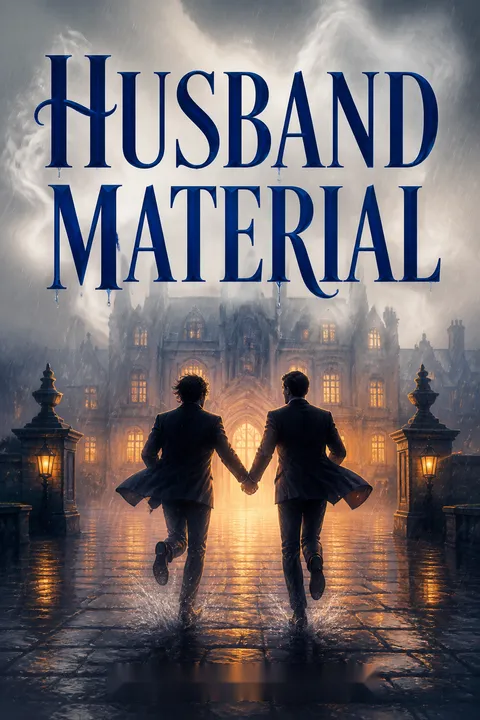
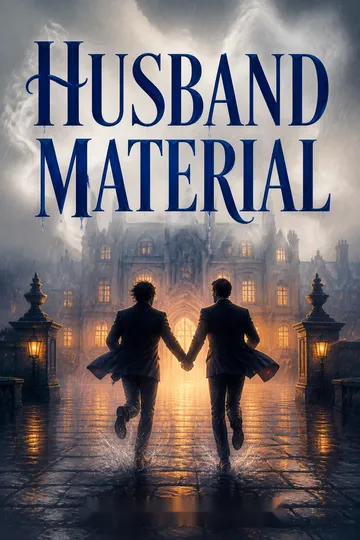
On their wedding day, Luc and Oliver finally confront the truth: neither wants to go through with it. In a moment of mutual vulnerability, they admit their doubts and fears, realizing that marriage, as it's traditionally conceived, doesn't fit who they are or what they want. The decision to call off the wedding is painful but liberating, an act of love rather than failure. They face their guests together, choosing honesty over performance, and run out into the rain—free, uncertain, but still together.
Choosing Each Other, Not Marriage
In the aftermath, Luc and Oliver navigate the fallout with humor, grace, and a renewed sense of purpose. They remain committed to each other, but reject the idea that their love needs to be validated by ceremony or tradition. Their relationship is messier, more honest, and more resilient for having survived the ordeal. The experience becomes a testament to the power of self-definition and the courage to choose authenticity over conformity.
Love Beyond the Ceremony
Luc and Oliver emerge from the chaos with a deeper, more nuanced understanding of love. They are no longer trying to fit themselves into someone else's story, but are writing their own—one that honors their differences, their history, and their hard-won happiness. The book ends not with a wedding, but with a promise: to keep choosing each other, every day, in all their complicated, imperfect glory.
Analysis
A modern queer romance that interrogates tradition, authenticity, and the meaning of commitmentHusband Material is a sharp, funny, and deeply moving exploration of what it means to love—and to be loved—in a world that is both more accepting and more demanding than ever. Alexis Hall uses the familiar trappings of the romantic comedy—the weddings, the mishaps, the grand gestures—not to reinforce the fantasy, but to question it. The novel's central insight is that love is not a performance or a destination, but an ongoing act of choice and self-definition. Luc and Oliver's journey is messy, nonlinear, and often painful, but it is also honest and brave. By refusing the easy resolution of a picture-perfect wedding, the book insists that happiness is not found in conformity, but in the courage to be oneself—even when that means disappointing others or stepping off the expected path. In a culture obsessed with milestones and validation, Husband Material is a celebration of love that is real, imperfect, and entirely its own.
Review Summary
Husband Material receives deeply divided reviews. Many readers praise the humor, Joe Jameson's narration, and exploration of queer identity, finding it a realistic portrayal of relationship challenges. However, numerous critics express disappointment, citing repetitive conflicts about rainbow wedding décor and heteronormativity, lack of character growth, excessive arguing, and an unsatisfying ending where Luc and Oliver cancel their wedding at the altar. Common complaints include Luc's self-centered behavior, poor communication between the couple, an underdeveloped primary conflict introduced too late, and feeling the sequel undermined the beloved first book. Several wished they'd never read it.
People Also Read

Characters
Luc O'Donnell
Luc is the neurotic, self-deprecating heart of the story—a man haunted by past betrayals and the fear that he is fundamentally unlovable. His wit and sarcasm mask deep insecurities, especially about his worthiness for love and stability. Luc's relationships—with Oliver, his friends, and his estranged parents—are shaped by a constant push-pull between longing for connection and the instinct to run before he can be hurt. Over the course of the novel, Luc is forced to confront the ways he sabotages his own happiness, learning (painfully) that love requires vulnerability, honesty, and the courage to reject scripts that don't fit. His journey is one of self-acceptance, as he learns to trust both himself and the people who love him.
Oliver Blackwood
Oliver is Luc's opposite in many ways: disciplined, emotionally restrained, and driven by a powerful sense of duty. Raised in a family where love was conditional and achievement paramount, Oliver struggles to express his needs and desires, often defaulting to what he thinks is expected of him. His veganism, career as a barrister, and commitment to doing the right thing are both genuine and a shield against chaos. Oliver's relationship with Luc challenges him to embrace messiness, imperfection, and the possibility of happiness on his own terms. His arc is about breaking free from the need for external validation and learning to define himself outside of tradition, family, and societal norms.
Bridget Welles
Bridget is Luc's best friend and emotional anchor—a woman whose sunny disposition belies a core of steel. She is the glue that holds her friend group together, always ready with comfort, advice, or a well-timed intervention. Bridget's own romantic journey, with its ups and downs, mirrors Luc's in many ways, and her unwavering belief in love is both an inspiration and a challenge to him. She represents the possibility of happiness, but also the dangers of idealizing romance at the expense of reality.
Miles Greene
Miles is the ex who broke Luc's heart and set much of the story's emotional machinery in motion. His betrayal—selling their relationship to the tabloids—left Luc with deep trust issues and a lingering sense of inadequacy. Miles's reappearance, and his request for Luc's blessing at his own wedding, forces Luc to confront the past and the ways he's allowed old wounds to shape his present. Miles is both a cautionary tale and a mirror, reflecting Luc's fears about intimacy, forgiveness, and moving on.
Priya
Priya is Luc's longtime friend and the embodiment of queer defiance—an artist, a goth, and a woman who refuses to play by anyone's rules. Her polyamorous relationships and unapologetic attitude challenge Luc to question his own assumptions about love, identity, and community. Priya's loyalty is unwavering, but her support is often delivered with a side of tough love. She is a catalyst for growth, pushing Luc to be braver and more honest, even when it hurts.
James Royce-Royce & James Royce-Royce
The James Royce-Royces are a married couple whose flamboyance and devotion to each other provide both humor and a model of queer domesticity. Their adoption of Baby J and their endless bickering over trivialities are a running joke, but beneath the surface lies a deep commitment to chosen family and the messy realities of love. They serve as both comic relief and a reminder that happiness is found in the details of everyday life.
Tom Ballantyne
Tom is Bridget's fiancé, a man whose calm exterior hides a life of secrets as an undercover agent. His temporary disappearance and the resulting crisis test the bonds of friendship and trust within the group. Tom's arc is about the challenges of intimacy in the face of danger and the importance of communication. He is a stabilizing force, but also a reminder that everyone has hidden depths.
Oliver's Parents (Miriam and David Blackwood)
Oliver's parents are emblematic of the pressures of tradition, class, and conditional love. Their skepticism about Oliver's relationship with Luc, and their inability to accept him fully, are a source of ongoing pain and conflict. David's death and Oliver's raw eulogy force a reckoning with the legacy of parental expectations and the necessity of forging one's own path. Miriam's coldness is both a wound and a warning—a reminder of what happens when love is withheld.
Tyler
Tyler is a trans artist Luc meets at his non-gender-specific animal party. Their flirtation is light, healthy, and ultimately platonic, serving as a counterpoint to Luc's fraught history with men. Tyler represents the broader queer community and the possibilities of connection, creativity, and self-acceptance. His presence challenges Luc to see himself as desirable and whole, even outside the context of romantic partnership.
Uncle Jim
Uncle Jim is Oliver's uncle, a man whose life has been shaped by repression, regret, and the fear of living authentically. His late-in-life confession of queerness, and his admiration for Oliver's honesty, serve as both a warning and a blessing. Jim's story is a reminder of the costs of conformity and the importance of seizing happiness before it's too late.
Plot Devices
Parallel Weddings and Four Weddings Structure
The novel's structure, loosely inspired by "Four Weddings and a Funeral," uses a series of weddings (and one funeral) as narrative milestones. Each event serves as a crucible, forcing Luc and Oliver to confront different aspects of love, commitment, and identity. The repetition of ceremonies—each with its own tone, challenges, and revelations—highlights the gap between public performance and private truth. The structure allows for both comedic set pieces and moments of raw vulnerability, using the rituals of marriage to interrogate what it means to choose, to belong, and to be seen.
Comic Escalation and Farce
The book leans heavily on escalating comic disasters—missing fiancés, lost dresses, burned venues, and misadventures with babies and bands. These farcical elements serve both to entertain and to strip away the illusion of control, forcing characters to confront what really matters. The chaos is not just for laughs; it is a crucible that reveals character, tests relationships, and ultimately clears the way for honesty.
Internal Monologue and Self-Sabotage
The story is told entirely from Luc's perspective, with a relentless, self-deprecating internal monologue that both protects him from pain and exposes his deepest fears. This device allows for a nuanced exploration of anxiety, self-sabotage, and the slow, painful process of growth. Luc's voice is unreliable but deeply human, inviting the reader to root for him even as he stumbles.
Queer Community and Chosen Family
The novel foregrounds the importance of chosen family—friends who become lifelines in times of crisis. The group's banter, loyalty, and willingness to drop everything for each other are both a source of comfort and a mirror for Luc's own struggles with intimacy. The diversity of queer experience—polyamory, parenthood, different relationships to tradition—is woven throughout, challenging any single narrative of what it means to love and belong.
Subversion of the Romantic Comedy Ending
In a bold narrative move, the book builds toward a wedding only to reject it at the last moment. This subversion forces both characters and readers to question the scripts we inherit about love, happiness, and success. The real triumph is not the ceremony, but the choice to define love on one's own terms—even if it means disappointing others or stepping into the unknown.
London Calling Series

About the Author

Download PDF
Download EPUB
.epub digital book format is ideal for reading ebooks on phones, tablets, and e-readers.








































