
Plot Summary
Three Bloodbound Sisters' Vows
In 1880, three red-haired schoolgirls—Alexandra, Francesca, and Cecelia—form a pact of eternal loyalty after rescuing Alexandra from a horrible crime. Alexandra is raped by their predatory headmaster, and in the panic-fueled aftermath, fatally slashes his throat with a stolen razor. The girls, with the help of a gentle gardener, bury their abuser in the garden, vowing to keep their secret at all costs. They become the "Red Rogues," sisters not by blood but by shared trauma and their fierce promise to protect one another, no matter what. Their secret forges an unbreakable bond and sets a shadow over their futures—a shared burden of loyalty, shame, and hope.
Ruin in the Headmaster's Study
Alexandra is summoned alone at night to the headmaster's opulent study, where predatory intentions turn truth into nightmare. After years of subtle threats and escalating intimidation, she is finally cornered and sexually assaulted. Overwhelmed by fear, humiliation, and the desperate need to escape, Alexandra grabs a razor and slashes the man's throat. She stumbles through the aftermath in a haze, the echo of his final words and her own trauma haunting her. This night marks not only the literal end of her innocence, but the psychological shattering that will haunt her for years. Guilt, grief, and forced silence are cemented inside her.
Secrets and Survivors
The aftermath is a frenzied midnight alliance: the Rogues and their gardener dispose of the body, burn evidence, and bathe Alexandra clean. Emphasizing solidarity, Cecelia and Francesca share their own ruinous secrets—familial illegitimacy, identity theft, and the brutal massacre of Francesca's family. Each is marked by clandestine shame, but their mutual confessions forge a deeper commitment. They promise lives unencumbered by men, marriage, or children, intending only to rely on each other. The shared pain provides comfort and strength—together they survive what would break them alone. Their emotional wounds become the foundation of their sisterhood and adult selves.
Masked Dangers at Castle Redmayne
Ten years later, Alexandra journeys to the windswept Devon coast to attend Countess Francesca's unexpected engagement to the enigmatic, scarred Duke of Redmayne. The Red Rogues reunite against a swirl of mysteries: Francesca's cryptic plea for help, a masked ball filled with rumors, and wordless threats. Alexandra, struggling with her own secret—ongoing blackmail tied to the headmaster's death and her family's ruin—navigates a world where danger comes cloaked as civility. Meanwhile, the "Terror of Torcliff," Redmayne himself, attracts both intrigue and fear among the ton and among the guests, his beastly demeanor hiding vulnerabilities of his own.
Beasts and Brides Unveiled
An accidental hero, Alexandra tangles with a runaway stallion, only to be rescued by a massive, scarred man she believes to be the stablemaster—until she learns he is the very duke her friend is to marry. Redmayne is captivated by the brave, guarded Alexandra, even as she is repulsed by her traumatic history with men. The castle's gothic dangers spill into the open: anonymous attacks, assassination attempts, and rumors about who truly aims to kill whom. In the tumult, alliances and attractions shift. Alexandra's and Redmayne's dynamic evolves into a wary, electric dance between predator and survivor.
The Gunshot and the Guilt
During an innocuous morning at the ancient ruins, masked assassins fire at the Red Rogues. Redmayne displays savage strength saving them, while the attackers' instructions—tainted by the Gaelic words meaning "red hair"—cast suspicion on who the real target is. For Alexandra, this sharpens her inner panic: is the violence aimed at Francesca, or has her blackmailer escalated the threats? Guilt festers. As chaos echoes, Redmayne's dark reputation grows, but Alexandra—who now sees him as both protector and danger—feels herself drawn to him, yearning for security and wrestling with her own secrets.
Dangerous Bargains in Moonlight
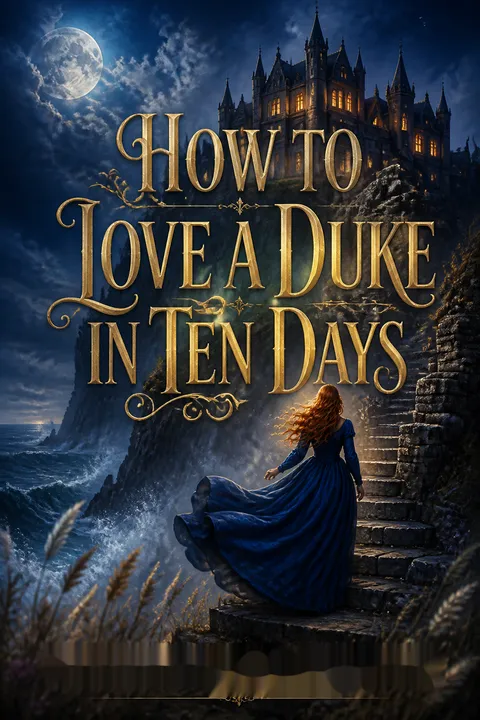
With threats escalating, Alexandra makes a desperate, calculated offer to Redmayne: marry her, instead of Francesca, for the dowry and protection in exchange for an heir. Their clandestine meeting blurs lines of desire and transaction. Redmayne—wounded by past betrayals and eager for an escape from loneliness—makes her vow to meet him publicly at midnight; whichever woman climbs the stairs will become his duchess. Midnight arrives; Alexandra ascends, sealing their fates. Their engagement unleashes gossip, envy, and foreboding in the ton—but for Alexandra it is safety, and for Redmayne a hope for redemption.
Hands, Horses, and Hunters
As Alexandra settles in Redmayne's world, danger clings: another sabotaged incident, and new connections among the guests illuminate hidden motives. The duke's brute strength and untamable stallion echo the uneasy chemistry between himself and Alexandra. Their partnership, both public and private, is a constant negotiation of power, trust, vulnerability, and unspoken wounds. Redmayne discovers Alexandra's intellect and travels—impressed, aroused, and increasingly obsessed. She, in turn, begins to see the chiseled scars and savageness of the duke as marks not of pride, but of his own suffering and isolation.
Red Rogues Reunited
Amid ongoing threats, the three Red Rogues are drawn tighter. They share burdens: Francesca's urgent need for vengeance for her murdered family, Cecelia's loyalty to Jean-Yves the gardener, and Alexandra's imminent financial ruin as her blackmail continues. They resolve to investigate the Redmayne family secrets, snoop the duchess's rooms, and uncover the true culprits behind the murders in both past and present. Sisterhood—fierce and blood-bound—is their strongest weapon, even as Alexandra fears her secrets may damn them all.
Becoming the Duke's Wife
Alexandra weds Redmayne in a dazzling, urgent ceremony. Their wedding night, fraught with tension, is a delicate balancing act: Alexandra, terrified of sex due to her past trauma, approaches her own seduction as both research project and act of will. Redmayne, who recognizes neither her virginity nor her pain, fumbles and frustrates—but also, for the first time, offers her respect and care. The wedding unites them legally and financially, but their emotional connection remains fragile, both shaped and shaken by scars their bodies—and hearts—bear.
Breaking and Building Trust
Though Alexandra's body responds to Redmayne's patience, memories of her violation return in waves. Meanwhile, her blackmailer's demands escalate. Attempts on their lives continue, now menacing both husband and wife. Redmayne, initially distant and wounded by her inability to trust, discovers hints of her trauma—her stitched drawers, her avoidance, and her terror of intimacy. As Alexandra and Redmayne experiment with tentative pleasure and open themselves to one another, their mutual need—for safety, for touch, for trust—kindles a different kind of bond between them.
Seduction's Many Firsts
The couple's erotic journey is an awkward, tender revelation. Alexandra, in control, gradually welcomes Redmayne into her body and heart. With patience, sensuality, and relentless reassurance, he replaces violence with pleasure, showing her the gentleness and strength of a lover who reveres rather than devours. Their first truly consensual coupling is not only physical but transformative—a reclamation of Alexandra's agency, and a profound step in healing. Afterward, they confess love—and fears—finally allowing themselves to admit need, not just of the body, but of the soul.
Lovers, Schemes, and Shadows
Dr. Forsythe, a colleague believed to be friend, and Lady Julia Throckmorton, an old schoolmate, surface as central players in the tangled web of danger. Julia, it turns out, is Alexandra's tormentor—jealous, deranged, and manipulative, still obsessed with the monstrous headmaster. Forsythe is the hired killer. Alexandra, driven by guilt and loyalty, agrees to face her blackmailer, prepared to sacrifice herself to protect her found family and new husband. Redmayne discovers the truth behind the attempts on his life: not Alexandra herself, but rivals from his own family—proof that all their secrets are haunted by the past.
Betrayals Bone-Deep
In the crypt, Julia's jealous madness and Forsythe's greed finally ignite. With the Redmayne cousin and Forsythe both armed and lethal, a desperate battle erupts. Gunfire and chaos ensue—Julia and Patrick are killed, Alexandra is shot and collapses, Forsythe meets a violent end at Redmayne's hand. Alexandra's near-death exposes not only the depth of Redmayne's feeling, but the resilience instilled by years of surviving. Mercy and vengeance mix, witnessed by the bones of the dead. In the aftermath, the cost of survival is counted: wounds, lost reputations, lost lives, and broken illusions.
The Graveyard of Secrets
Alexandra awakes from her injuries to be surrounded by her sisters, the Rogues, and Redmayne. Together, they bury not only recent enemies, but ghosts of the past: the power of the headmaster and the blackmailer. Alexandra finally confesses her entire secret—her trauma, her murder, her pain—to her husband. Redmayne, having pieced together her anguish, pledges to end the cycle: he will never force her, will accept her entirely, and will share all burdens. Their reunion is raw but healing, and both resolve no more secrets shall separate them again.
Death Comes for the Past
The last vestiges of guilt and threat are faced and, at last, dispelled. The blackmailer is gone and the ghosts of old harm have been named. Alexandra, Redmayne, and the Red Rogues each swear to begin again. Family, home, and their chosen sisters offer sanctuary, even as they accept that there will always be wounds—scars that must be lived with, not denied. Passion and partnership become entwined with trust and transparency, and even the grave can no longer dominate Alexandra's life.
Shot in the Dark
Alexandra's life—long darkened by violence—teeters again as a bullet wounds her and the Red Rogues rush to her side. During a long convalescence, Redmayne becomes nearly unhinged with worry until he finally confronts her. Together, they commit to honesty and the wholeness that vulnerability requires; they realize how dramatically their union has changed them both. No longer lover and protector, predator and prey, but two wounded survivors who choose each other and their fierce, messy love every day, come what may.
Surviving, Healing, Loving
Throughout Alexandra's recovery, the rebuilding of their relationship, and their confessional honesty, the couple explores the boundaries of forgiveness and healing. The Red Rogues rally, Francesca and Cecelia steadfast in their support. With the past's ghosts buried at last, Alexandra and Redmayne return home, committed to real partnership and to rewriting a legacy not of secrecy and violence, but of acceptance, survival, and trust. Their love persisting is victory over everything that once threatened to break them.
Paradise After the Storm
Years later, Alexandra and Redmayne live abroad in tropical splendor, awaiting their child. In paradise, their union is playfully passionate, their trust complete. Both have shed old shackles of shame and violence, replacing them with fierce devotion to each other and their growing family. Together, they celebrate the messy, laborious, joyful process of living: they raise children, keep old promises to their friends, and, most of all, continue to choose each other. The past is always present, but now it serves as a backdrop to hope instead of a cage. Together, they are finally free.
Analysis
"How to Love a Duke in Ten Days" is a darkly feminist historical romance that interrogates trauma, consent, and the arduous road from survival to joy. It deconstructs the fantasy of the "beastly" hero and the "ruined" heroine, deliberately examining the ways both men and women are scarred by betrayal, violence, and secrets. At its heart, this is a novel about the transformative possibilities of deep trust—between sisters, friends, lovers, and, most crucially, with oneself. Kerrigan Byrne reframes the genre's tropes: the brooding duke is not healed by a woman's love alone, nor the survivor by sex itself, but by painstaking, mutual labor, truth-telling, and fierce self-advocacy. The central romance resists "magical healing," insisting instead on the continual effort of honesty, forgiveness, and reparation—between the characters and within themselves. Survival, the novel insists, means not just outliving pain but actively rewriting its script. The burial of secrets gives way to the exhumation of hope: the final paradise, built not from denial, but from the rubble of all they have refused to forget.
Review Summary
How to Love a Duke in Ten Days receives overwhelmingly positive reviews, averaging 4.12 stars. Readers praise Kerrigan Byrne's sensitive handling of the heroine Alexandra's trauma, the compelling romance between Alexandra and the scarred Duke Piers, and the authentic female friendships among the "Red Rogues." Many highlight the perfect balance of mystery, suspense, and romance. Recurring praise focuses on the emotional depth, witty dialogue, and the hero's tender protectiveness. Common criticisms include the hero's occasional pettiness, an over-the-top finale, and some pacing issues. Nearly all reviewers note the graphic prologue rape scene as requiring a trigger warning.
Characters
Alexandra Lane
The daughter of a minor English earl, Alexandra emerges as the powerful heart of the "Red Rogues." Marked by her intelligence, reticence, and relentless loyalty, Alexandra's life is shaped by sexual violence at age seventeen, a trauma leading to her first killing and a decade of paralyzing anxiety and blackmail. Highly educated, driven, and secretly resourceful, she grows into herself through adversity—her arc transforming her from isolated, desperate survivor to a woman who claims her pleasure, her rage, and her love. Alexandra's psychology is a study in shame, hypervigilance, and the arduous labor of healing. Her capacity for trust is hard-won, and her love for Redmayne, once a transaction, becomes an act of hope and reclamation. She is defined most by her willingness to bear pain for others, her careful intellectualism, and, ultimately, her fierceness in love.
Piers Gedrick Atherton, Duke of Redmayne
A towering, scarred aristocrat perpetually haunted by betrayal, Redmayne is both predator and protector. Years abroad leave him battle-hardened and physically marked, driving rumors of monstrousness while his true vulnerabilities remain well-hidden. His mother's abandonment, fiancée's betrayal, and the brutal animal attack that marred him instill both rage and longing—a need for vengeance and for connection. Initially viewing marriage as a practical matter, Redmayne becomes violently devoted to Alexandra, first as protector, then as partner and lover. He struggles with his own capacity for violence, his self-loathing, and a deep sense of unworthiness. Through his care for Alexandra, he learns to give and accept love, relinquish control, and accept his own humanity. His development is profound: from angry isolation to humbled tenderness.
Francesca "Frank" Cavendish
Noble by title but forged by tragedy, Francesca's past is an elaborate lie: after witnessing her birth family's slaughter, she takes on the Cavendish identity for survival and vengeance. Hardy, intrepid, and fiercely clever, her appetite for justice propels much of the external plot. She is quick-tongued, competitive, and bitingly funny—a counterbalance to Alexandra's caution. Her relationships with both Rogues are colored by protective instincts and shared trauma, and her eventual willingness to let go of revenge demonstrates her own hard-won growth. Her psychological complexity rests in her struggle between masking and authenticity, revenge and tenderness.
Cecelia Teague
Wealthy and brilliant, Cecelia is the calm anchor of the Red Rogues. Her equations and logic mask profound emotional intuition and loyalty—her own struggles with illegitimacy and familial rejection mirror her friends' wounds. Stout, reliable, and physically soothing, Cecelia's relationship with Alexandra is nearly maternal at times. Her unwavering trust in Jean-Yves as well as her ability to forgive herself and others underscore her deep, often understated strength. She is the "secret-keeper," both practically and emotionally.
Lady Julia Throckmorton
A schoolmate seemingly trivial at first, Julia is gradually revealed as Alexandra's tormentor. Her jealousy—most acute over Alexandra's bond with the Red Rogues and over the predatory affections of Headmaster de Marchand—warps into obsession and a sadistic hunger for power. Psychologically, she is a victim-turned-perpetrator, her childhood abuse twisting to adult cruelty. Julia's emotional arc is cautionary: a testament to the corrupting impact of unaddressed trauma and desperate need for control. Her malevolence springs from wounding and longing, culminating in catastrophe.
Thomas Forsythe
First introduced as a fellow academic and potential romantic rival, Dr. Forsythe's veneer masks ambition, bitterness, and greed. He is intelligent, competent, and outwardly supportive (especially toward Alexandra), but ultimately proves willing to harm and betray for profit. His trajectory is one of gradual unmasking: from trusted friend, to hired assassin, to zealot of violence. He has no real loyalty; his need for power and validation is his undoing.
Jean-Yves
The French gardener who helped the Rogues bury their first crime, Jean-Yves is defined by understated loyalty and patience. Though suspected by Alexandra as her blackmailer, he ultimately embodies trustworthiness—and depth of devotion, especially to Cecelia. He is a father figure and everyday hero, his trust tested but unwavering. He represents the possibility (and limits) of male goodness in a world rife with betrayal.
Sir Cassius Ramsay
Redmayne's powerful, stoic half-brother, Ramsay is a judge and enforcer, both feared and respected. He embodies strict morality and cold logic, often serving as foil and contrast for Redmayne's passion. His relationship with his brother is fraught but loyal, and his presence drives much of the suspense—his authority threatening all the characters' secrets. Ramsay's psychology is inflexible, but his underlying affection and fairness are crucial supports in the end.
Lady Rose Atherton
Redmayne's ex-fiancée and cousin-in-law, Rose is a mirror of everything Alexandra dreads: beautiful, manipulative, and emblematic of heartbreak. Her betrayal of Redmayne is central to his wounds, and her own coldness sets the tone for much of the male rivalry and early misunderstandings. Though not villainous like Julia or Forsythe, her choices—and subsequent losses—illustrate the cost of self-interest and duplicity.
Patrick, Viscount Carlisle
Focused on inheritance and revenge, Patrick is the catalyst for much of the external conflict: hiring Forsythe, attempting to kill Redmayne, scheming to claim the dukedom. He is hot with envy but cold in action, never willing to fight his own battles. Ultimately, he is destroyed by his own schemes, representing the self-destructive nature of greed and resentment.
Plot Devices
Survival, Secrets, and Sisterhood
The chief plot device is the blood oath between three adolescent girls after sharing in a murder and cover-up for self-defense—a catalytic "secret" that characterizes every decision, relationship, and trauma thereafter. Their "sisterhood" is a constant: the only unbroken trust in a world defined by betrayal, blackmail, and men's violence. The unspoken vow lends structure to flashbacks and present crises, and places Alexandra's adult choices in constant dialogue with her wounded past.
Masked Identity and Misdirection
Throughout, the use of masquerade—both literal (masked balls, secret identities) and figurative (Alexandra's feigned innocence, Francesca's assumed identity, Cecelia's hidden parentage, Redmayne's "beast" persona)—sustains suspense and emotional ambiguity. Misidentification and shifting alliances propel both the plot's major mysteries and every romantic/sexual tension. Narrative structure plays with parallel reveals; reader and protagonist unravel secrets simultaneously.
Trauma and the Possibility of Healing
Alexandra's emotional arc reframes trauma not as static wound but as ongoing struggle—her bodily autonomy, pleasure, and trust must be rebuilt one painstaking inch at a time. The romance's structure underscores the "firsts" she must reclaim, the patience required, and the labor of healing in relationship. The device of "bargained intimacy" allows Alexandra to set sexual conditions and control the pace—the plot entwines seduction with psychological recovery. Redemption is not instantaneous, but earned, and always incomplete.
Foreshadowing and "Buried" Motifs
Structural and symbolic foreshadowing abounds: the burial of the headmaster's body; the later archeological dig to uncover literal and metaphorical bones; discoveries in crypts mirroring unburied truths among the living; themes of "digging up the past." These devices ensure personal and external mysteries advance in tandem, with the resolution of the central crime inseparable from the unlocking of Alexandra's heart.
Doubling and Parallels
Key personalities (villain/victim, predator/prey, lonely duke/wounded survivor, loyal friend/betrayer) double and reflect each other. Past and present, trauma and healing, love and violence are structurally entwined: every moment of danger recalls a former wound; every step toward trust acquires epic significance. The final "revelation" scene—where all masks drop and violence explodes—echoes the original trauma in the headmaster's study, but with Alexandra finally empowered and supported.
Gothic Suspense and Romantic Catharsis
Classic romance conventions fuel the tension: untrustworthy family, rival lovers, concealed threats, brooding castles, and ambiguous saviors. These are massaged into modern high-stakes suspense, where the romantic arc is inseparable from the "thriller" of unmasking both enemies and inner demons. The narrative structure builds rising action in alternating waves: suspicion, revelation, catharsis, rebirth.
Devil You Know Series


Download PDF
Download EPUB
.epub digital book format is ideal for reading ebooks on phones, tablets, and e-readers.








































