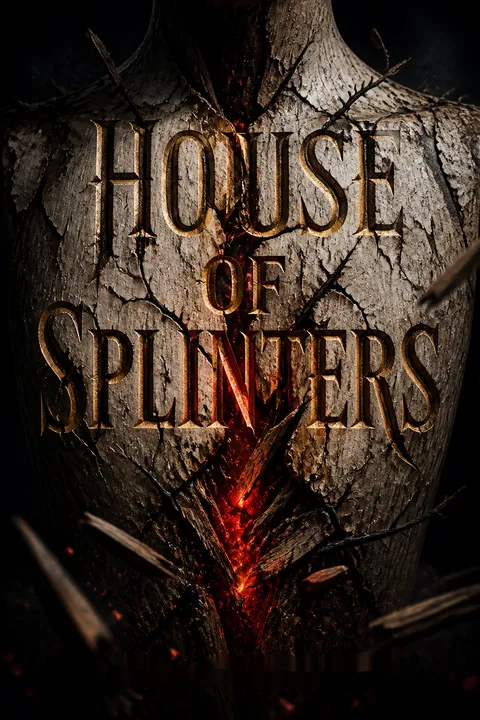

Plot Summary
Inheritance and Departure
Belinda Bainbridge, pregnant and anxious, is thrust into a new life when her husband Wilfred inherits The Bridge, a decaying country estate. The move is not of her choosing, but dictated by family duty and the relentless will of her controlling mother. As she prepares to leave London, she is beset by farewells, staff departures, and the sense that her hard-won place in society is crumbling. The journey is shadowed by grief for her father-in-law and the loss of familiar comforts. Belinda's longing for change is tempered by dread, and her mother's warnings about the dangers of new places echo in her mind. The stage is set for a return to the past, and for the family's fate to entwine with the secrets of The Bridge.
Arrival at The Bridge
The Bainbridge family's arrival at The Bridge is marked by both awe and discomfort. The manor's grandeur is undeniable, but its atmosphere is heavy with history and neglect. Belinda, Wilfred, their son Freddy, and loyal maid Sawyer are greeted by the Knowles family, the estate's long-serving staff. The house is imposing, filled with relics and reminders of the past, including the infamous "silent companions"—life-sized, painted wooden figures. Freddy is both enchanted and unsettled, and Belinda's memories of her first confinement here resurface. The family's attempts to settle in are tinged with unease, as the house's secrets begin to press in on them.
Shadows of the Past
Wilfred, now master of The Bridge, is confronted by the weight of his inheritance and the unresolved traumas of his childhood. The death of his father, the mysterious circumstances, and the presence of the silent companions all stir memories of loss and guilt. The estate's finances are dire, the villagers resentful, and the land itself seems cursed. Wilfred's relationship with his brother Nathan, long estranged after a scandal involving a servant's death, is a source of pain and shame. The house is a mausoleum of old wounds, and Wilfred's attempts to assert control only deepen his sense of isolation and foreboding.
The Silent Companions
The silent companions—painted wooden figures—are both objects of fascination and terror. Freddy is drawn to them, naming them and inventing stories, while Belinda and Wilfred are disturbed by their lifelike presence and the uncanny way they seem to move. The companions are linked to the house's darkest history, including the tragic fate of Wilfred's sister Tiffany and the legend of Anne Bainbridge, an ancestor burned as a witch. The companions' origins are shrouded in mystery, and their presence in the nursery and schoolroom becomes a source of growing dread. They are symbols of the house's inability to let go of its dead.
Uneasy Settling In
As the family attempts to establish routines, the house resists their efforts. The gardens are overgrown, the village is hostile, and the staff is stretched thin. Belinda tries to create order, planning improvements and hiring new servants, but is thwarted by the estate's decay and the villagers' superstitions. Freddy's behavior becomes increasingly strange, and Belinda's anxieties mount. The silent companions seem to multiply, appearing in unexpected places. The sense of being watched, of history repeating itself, grows stronger. The family's attempts at normalcy are constantly undermined by the house's oppressive atmosphere.
Ominous Omens
A series of accidents and unsettling events escalate the family's fears. Belinda falls in the garden, Freddy sleepwalks and digs in the earth, and the companions appear to move on their own. The villagers speak of curses and the Hanging Oak, a tree associated with executions and local legend. Wilfred's efforts to modernize the estate—enclosing common land, hiring laborers—only increase the villagers' resentment. The house's history of violence and betrayal seems to bleed into the present, and the family is beset by omens of disaster. The sense of impending doom is inescapable.
Confinement and Night Terrors
Belinda's pregnancy becomes a prison as she is confined to her rooms by the physician's orders. The isolation and darkness feed her anxieties and nightmares. She hears strange noises at night—dragging, hissing, the movement of furniture. Freddy's sleepwalking intensifies, and he is found digging in the garden, echoing the house's buried secrets. The silent companions invade her dreams, and the boundaries between reality and nightmare blur. The house's oppressive atmosphere becomes suffocating, and Belinda's sense of agency slips away as she is haunted by both the past and the present.
Birth and Blood
Belinda's labor is long and harrowing, marked by pain, fear, and the sense of being hunted by the house's ghosts. Freddy's night terrors and the companions' presence add to the chaos. The birth of Lydia is both a moment of hope and a brush with death, as the baby is born lifeless and must be revived. The event leaves Belinda physically and emotionally shattered, and the family's relief is tempered by the knowledge that the house's dangers are far from over. The cycle of life and death at The Bridge continues, and the new arrival is immediately threatened by the same forces that haunt the rest of the family.
New Life, Old Fears
Lydia's christening is overshadowed by ill omens and the unexpected return of Nathan, Wilfred's estranged brother. Nathan's presence stirs old resentments and secrets, and his charm is both a balm and a threat. The family's attempts to celebrate are marred by the wind, the baby's cries, and the villagers' hostility. The silent companions and the house's history loom over the event, and the sense of being trapped in a cycle of tragedy intensifies. Nathan's return brings both hope for reconciliation and the risk of renewed conflict.
The Return of Nathan
Nathan's integration into the household is fraught with tension. His relationship with Belinda and Freddy is warm, but his presence unsettles Wilfred and the staff. Nathan's past—his banishment, his connection to the Roberts family, and his knowledge of the house's secrets—comes to the fore. He offers help with the estate, but his motives are ambiguous. The silent companions seem to respond to his presence, and the house's atmosphere grows more charged. Nathan's charm masks deeper wounds, and his arrival marks a turning point in the family's fortunes.
Family Secrets Unveiled
Long-buried secrets come to light as Wilfred and Nathan confront their shared past. The truth about Tiffany's death, the scandal involving the footman Roberts, and the family's history of violence and betrayal are revealed. Belinda learns of her own maid Sawyer's origins and the tangled web of relationships that bind the household together. The silent companions are linked to these secrets, serving as both witnesses and participants in the family's tragedies. The house becomes a crucible for confession and reckoning, as each character is forced to confront their own guilt and complicity.
Cursed Land, Cursed House
Wilfred's decision to enclose the common land brings the simmering conflict with the villagers to a head. The Hanging Oak is cut down, and the villagers respond with sabotage and threats. The land itself seems to rebel, with crops failing and the earth turning salty and barren. The curse of Anne Bainbridge and the legacy of the witch trials are invoked, and the house's history of violence is mirrored in the present. The family is besieged from without and within, and the sense of being trapped by fate and history becomes overwhelming.
The Salted Earth
Freddy's sleepwalking leads to the discovery of a child's skeleton buried in the garden, surrounded by salted earth. The remains are identified as those of Henrietta Maria, the daughter of Anne Bainbridge, whose legend haunts the house. The unearthing of the skeleton brings the house's history into the present, and the silent companions' connection to the dead is made explicit. The family is forced to confront the reality of the curse, and the boundaries between the living and the dead blur. The earth itself is revealed as a repository of secrets and suffering.
The Witch's Legacy
Belinda discovers Anne Bainbridge's diary, which details the origins of the curse and the creation of the silent companions. The diary reveals a history of witchcraft, possession, and violence, with Hetta—the murdered child—emerging as a malevolent force seeking to escape the house. The companions are revealed as vessels for the dead, and Lydia becomes the target of Hetta's attempts at possession. The family's efforts to protect the children are increasingly desperate, and the sense of being hunted by the past reaches a fever pitch. The house's evil is no longer abstract, but embodied and active.
Midsummer's Catastrophe
On Midsummer's Eve, a series of violent events shatter the household. The silent companions appear to move of their own accord, and a display of swords falls from the wall, killing Mrs Knowles and injuring Nathan. The house is plunged into chaos, with staff fleeing and the family left vulnerable. The boundaries between the living and the dead collapse, and the companions' power is undeniable. The family's attempts to escape are thwarted, and the house claims new victims. The cycle of violence and retribution continues, and the curse tightens its grip.
Aftermath and Revelations
In the aftermath of the catastrophe, the family is fractured by grief and suspicion. Wilfred is haunted by guilt over his role in past tragedies, and Belinda is consumed by the need to protect her children. Nathan's injury brings him closer to Sawyer, and their relationship deepens. The staff is depleted, and the house is left in the hands of those with the most to gain from its downfall. The discovery of opium use and the manipulation of events by Nathan and the Roberts family reveal new layers of betrayal. The house's evil is both supernatural and human, and the struggle for survival becomes a battle on multiple fronts.
The Skeleton in the Garden
The discovery of the skeleton in the garden forces a reckoning with the house's history. The authorities are called, but the truth is obscured by lies and self-interest. Nathan's alliance with the Roberts family becomes clear, and his motives are revealed as both personal and political. Belinda and Sawyer (now Daphne) form a plan to escape, but are thwarted by the house's power and Nathan's control. The children are caught in the crossfire, and the sense of impending disaster is palpable. The house's secrets are both weapon and shield, and the struggle for freedom becomes increasingly desperate.
The Diary's Truth
Belinda reads Anne Bainbridge's diary in full, learning the horrifying truth about Hetta's origins and the companions' role in the house's curse. Hetta is revealed as a child of darkness, capable of possessing the living and using the companions as instruments of her will. The diary details a history of murder, betrayal, and supernatural vengeance, with each generation repeating the sins of the past. Belinda realizes that Lydia is in grave danger, and that the only hope for salvation lies in breaking the cycle of possession and violence. The house's evil is both a legacy and a living force.
The Opium Web
Nathan's use of opium, both for himself and to control Daphne, is revealed as a key element in the household's unraveling. The drug is used to keep Daphne compliant and to manipulate events in Nathan's favor. Belinda discovers the extent of the deception and the depth of Nathan's resentment towards the Bainbridge family. The Roberts family's involvement is exposed, and the true nature of the conspiracy against Belinda and her children becomes clear. The struggle for control of the house is both physical and psychological, and the lines between victim and perpetrator blur.
The Final Betrayal
Nathan's plan to seize control of The Bridge and eliminate Freddy as an heir comes to a head. Belinda and Daphne plot a desperate escape, using stolen keys and the cover of night. The house itself seems to conspire against them, with the companions moving to block their path and the staff complicit in Nathan's scheme. The escape is fraught with danger, and Belinda is forced to confront both human and supernatural threats. The final confrontation with Nathan is violent and cathartic, as the house's curse claims new victims and the cycle of retribution reaches its climax.
The Last Escape
Belinda, Freddy, and Lydia make a harrowing escape from The Bridge, aided by Daphne's sacrifice and the intervention of the silent companions. Nathan's death is both justice and tragedy, and the house is left in the hands of those who sought to destroy it. The cost of freedom is high, with lives lost and innocence shattered. The survivors are marked by trauma, and the future is uncertain. The house's curse is not fully broken, but the cycle is interrupted, and the possibility of healing emerges. The family's escape is both an ending and a beginning.
The Fall of The Bridge
In the aftermath of the final confrontation, The Bridge is left abandoned, a mausoleum for the dead and a warning to the living. Belinda and her children are exiled from their inheritance, and the house's legacy is one of loss and sorrow. The authorities accept a version of events that absolves the living and blames the dead, but the truth is known only to the survivors. The house's evil lingers, and the possibility of future hauntings remains. The survivors must forge new lives in the shadow of the past, carrying the scars of their ordeal.
Epilogue: Haunted Inheritance
Belinda, Freddy, Lydia, and Daphne begin new lives in London and Bath, seeking healing and hope after the horrors of The Bridge. The house remains unsold, its reputation irreparably damaged. The survivors are haunted by memories and by the knowledge that the past is never truly buried. Freddy's ability to see the dead persists, and the threat of Hetta's return lingers. The family's legacy is one of resilience and survival, but also of caution and fear. The story ends with a reminder that some inheritances are best left behind, and that the ghosts of the past are never far away.
Analysis
Laura Purcell's House of Splinters is a masterful exploration of generational trauma, the inescapability of the past, and the corrosive effects of secrets and guilt. Through the lens of a haunted house and its cursed inhabitants, the novel interrogates the ways in which history repeats itself, both supernaturally and psychologically. The silent companions are a brilliant device—at once objects of horror, symbols of repression, and agents of the past's return. The novel's structure, with its shifting perspectives and unreliable narration, mirrors the characters' confusion and the reader's uncertainty, creating a pervasive sense of dread. At its core, the book is a meditation on the dangers of denial, the necessity of confronting one's history, and the possibility—however tenuous—of breaking the cycle of violence. The final message is both cautionary and hopeful: some inheritances are best left behind, but survival and healing are possible, even in the shadow of the worst horrors.
Review Summary
House of Splinters receives strong praise for its atmospheric gothic horror, with most reviewers rating it 4-5 stars (overall 4.12/5). Readers laud Laura Purcell's ability to create an unsettling, immersive environment at The Bridge manor, featuring creepy wooden "silent companions." Many appreciate the blend of supernatural elements with historical themes like grief, family secrets, and misogyny. Some find it slower-paced than The Silent Companions, though most consider it a worthy prequel. Belinda's character development and the relationship dynamics resonate strongly. Critics note beautiful prose and genuine scares, though a few felt it didn't match the intensity of Purcell's debut.
Characters
Belinda Bainbridge
Belinda is the emotional heart of the novel—a sensitive, intelligent woman thrust into the role of mistress of The Bridge against her will. Her relationship with her controlling mother, her devotion to her children, and her struggle to assert agency in a patriarchal world define her arc. Psychoanalytically, Belinda is torn between duty and self-preservation, haunted by generational trauma and the fear of repeating her mother's mistakes. Her bond with Sawyer/Daphne is both sisterly and maternal, and her love for Wilfred is tested by the house's horrors. Belinda's journey is one of survival, resilience, and the painful necessity of letting go.
Wilfred Bainbridge
Wilfred is a man burdened by the weight of inheritance, family secrets, and personal guilt. His relationship with his father, brother Nathan, and the memory of his sister Tiffany shapes his psyche. Wilfred's need for control and order is constantly undermined by the house's chaos and his own unresolved traumas. He is both a victim and a perpetrator, complicit in past violence and unable to save those he loves. His development is marked by increasing helplessness and despair, culminating in his tragic death. Wilfred embodies the dangers of denial and the cost of unacknowledged guilt.
Freddy Bainbridge
Freddy is a precocious, imaginative child whose connection to the silent companions and the house's ghosts is both a gift and a curse. He serves as a conduit for the supernatural, his sleepwalking and visions revealing the house's secrets. Freddy's innocence is eroded by trauma, and his role as both victim and witness is central to the novel's emotional impact. His relationship with Belinda is deeply loving, but he is also isolated by his abilities. Freddy's development is a study in the loss of innocence and the burden of inherited trauma.
Lydia Bainbridge
Lydia, though a baby, is the focal point of the house's supernatural threat. Targeted by Hetta for possession, she represents both the hope of new life and the vulnerability of the next generation. Her suffering—marked by mysterious splinters and illness—serves as a catalyst for Belinda's actions. Lydia's presence heightens the stakes and underscores the theme of generational trauma. She is both a symbol of the family's future and a potential vessel for the house's evil.
Nathan Bainbridge
Nathan is a complex figure—Wilfred's estranged brother, returned from exile, whose charm masks deep resentment and ambition. His alliance with the Roberts family, use of opium, and manipulation of events reveal a man driven by both personal grievance and a desire for justice. Nathan's relationship with Belinda and Daphne is fraught with ambiguity, and his ultimate betrayal is both shocking and inevitable. Psychoanalytically, Nathan embodies the return of the repressed, the shadow self, and the destructive power of envy and exclusion.
Sawyer / Daphne
Sawyer, later revealed as Daphne, is Belinda's closest confidante and, secretly, her half-sister. Raised as a servant in her own family's house, Daphne's identity is shaped by exclusion, longing, and resilience. Her relationship with Nathan offers a chance at love and agency, but she is also a victim of manipulation and addiction. Daphne's arc is one of self-discovery and sacrifice, as she aids Belinda's escape and ultimately suffers for her loyalty. She represents the blurred boundaries between class, family, and self.
The Silent Companions (Hetta, Merripen, Tiffany, etc.)
The silent companions are both characters and symbols—painted wooden figures that serve as vessels for the house's dead and the embodiment of its curse. Hetta, the murdered child, is the most malevolent, seeking to possess the living and perpetuate the cycle of violence. The companions' uncanny presence, ability to move, and connection to the house's tragedies make them both witnesses and agents of evil. They represent the inescapability of the past and the dangers of unacknowledged trauma.
Anne Bainbridge
Anne is the ancestral witch whose diary reveals the origins of the house's evil. Her story is one of ambition, loss, and the destructive power of love turned to hate. Anne's creation of the silent companions and her murder of her own daughter set the stage for the house's curse. Psychoanalytically, Anne represents the dark mother, the source of generational trauma, and the dangers of unchecked power. Her legacy haunts every character and event in the novel.
Ross Roberts
Ross is the nephew of the footman whose death led to Nathan's exile. His alliance with Nathan and the Roberts family's infiltration of The Bridge are motivated by resentment and a desire for retribution. Ross is both a catalyst and a pawn, his actions driven by class conflict and personal grievance. He embodies the dangers of unresolved injustice and the destructive potential of the excluded.
Amy Whitfield (née Roberts)
Amy is the wet-nurse hired for Lydia, secretly a member of the Roberts family. Her role as caregiver is complicated by her participation in the plot against the Bainbridges. Amy's actions—cutting Freddy's hair, aiding Nathan—are motivated by loyalty to her family and a sense of grievance. She is both a victim and a perpetrator, her conscience troubled by the harm done to the children. Amy represents the complexities of class, loyalty, and the blurred lines between care and harm.
Plot Devices
Generational Trauma and Inheritance
The novel's structure is built around the repetition of trauma across generations. The sins of the past—murder, betrayal, witchcraft—are inherited by the present, with each character caught in a cycle they cannot escape. The silent companions serve as both literal and symbolic vessels for this trauma, embodying the inescapability of history. The narrative uses foreshadowing, parallel events, and the motif of inheritance to explore the ways in which the past shapes the present and the future.
Unreliable Narration and Shifting Perspectives
The story is told through multiple perspectives—primarily Belinda's, but also Wilfred's, Nathan's, and others. The use of dreams, hallucinations, and the influence of opium blurs the line between reality and fantasy. The characters' inability to trust their own perceptions mirrors the reader's uncertainty, creating a sense of unease and suspense. The narrative structure withholds key information, revealing secrets gradually and often through unreliable witnesses.
The Haunted House as Character
The Bridge is more than a setting—it is an active participant in the story. Its architecture, history, and atmosphere shape the characters' actions and fates. The house's ability to resist change, to trap its inhabitants, and to manifest the past in the present makes it a character in its own right. The use of locked rooms, hidden diaries, and moving companions reinforces the sense of the house as a living, haunted entity.
The Silent Companions as Plot Device
The silent companions are central to the novel's horror and mystery. Their uncanny ability to move, their connection to the dead, and their role in the house's tragedies make them both plot device and symbol. They serve as catalysts for violence, witnesses to secrets, and instruments of possession. Their presence blurs the line between the supernatural and the psychological, embodying the novel's themes of inheritance, trauma, and the inescapability of the past.
Foreshadowing and Symbolism
The novel is rich in foreshadowing—omens, dreams, and repeated imagery signal coming disaster. The use of mirrors, twins, and doubles (Belinda/Sawyer, Wilfred/Nathan, living/dead) reinforces the theme of repetition and the blurring of boundaries. Symbols such as the salted earth, the Hanging Oak, and the companions themselves serve as warnings and reminders of the house's curse. The narrative structure uses these devices to build suspense and deepen the psychological impact.
Download PDF
Download EPUB
.epub digital book format is ideal for reading ebooks on phones, tablets, and e-readers.








































