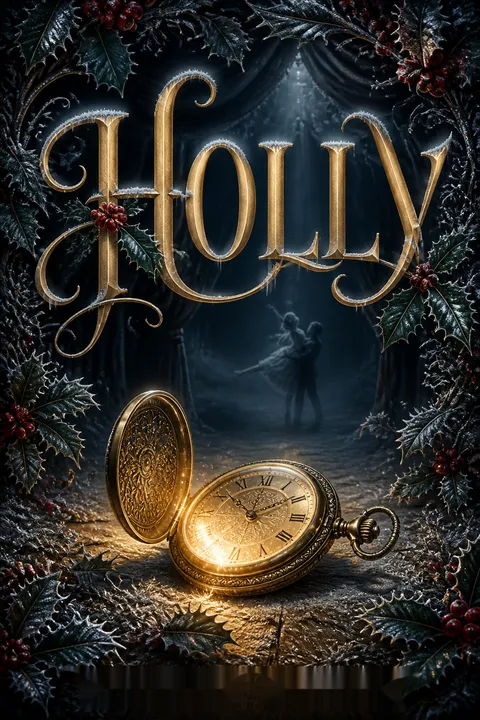

Plot Summary
Holly and Hearth: Holiday Preparations
Blythe Dryden, now the reincarnation of Life, is determined to create the perfect Christmas at Wisteria Gardens, her magical home. She uses her powers to grow holly everywhere, hoping to ward off any supernatural mischief. The house is alive with festive magic, and Blythe is surrounded by her beloved family: her husband Aris, her cousin Signa, her father Elijah, and her brother-in-law Sylas (Death). The warmth of reunion after years of separation fills the halls, but Blythe's perfectionism is tinged with anxiety—she wants this Christmas to heal old wounds and create new, joyful memories. The sense of anticipation is palpable, as is the undercurrent of something otherworldly lurking just beyond the holly-bedecked doors.
Gifts, Ghosts, and Good Intentions
Aris, recently returned to Blythe in a new body, is overwhelmed by the pressure to find meaningful gifts for his loved ones. He consults Signa, his sister-in-law, but finds little help—gifts, she says, must come from the heart. Aris's memories of past lives and the pain of separation from Blythe haunt him, but he is determined to make up for lost time. Meanwhile, the family's playful banter is interrupted by strange occurrences: books falling, cold drafts, and the sense of unseen presences. The holiday spirit is shadowed by the literal spirits that begin to make themselves known, hinting that Wisteria's new location may not be as peaceful as hoped.
Spirits in the Library
Signa, uniquely able to see and communicate with spirits, discovers a host of ghosts haunting Wisteria's library. The spirits are trapped in a loop, obsessed with finding someone named Jules and preparing for a performance that never begins. Their confusion and pain are palpable, and Signa realizes they are victims of a tragedy long past. The ghosts' presence unsettles the household, and Signa's empathy drives her to help them find peace. The emotional weight of their unfinished business mirrors the family's own struggles with loss and reunion, setting the stage for a holiday mystery that must be solved before Christmas can truly be celebrated.
Death's Errand and Absence
Sylas, the personification of Death, leaves Wisteria on a secret mission at Blythe's request, promising to return with a special gift. His absence is keenly felt, especially by Signa, who relies on his support. As he travels through snowy villages, Sylas reflects on the meaning of family and the loneliness that once defined his existence. His journey is both literal and symbolic—a search for something lost, a gesture of love, and a reminder that even Death can be moved by the warmth of the holidays. The narrative shifts between the living and the dead, the present and the past, as the family's efforts to create joy are complicated by the unresolved sorrows of others.
Family Games and Fiery Memories
The family gathers for a traditional game of snapdragon, fishing raisins from flaming brandy. The competitive spirit is high, but the game triggers a violent reaction from one of the spirits, Odette, who relives her death by fire. The chaos that ensues—shattered glass, surging flames, and ghostly screams—forces the family to confront the reality of their haunting. Blythe's powers heal the physical wounds, but the emotional scars linger. The incident reveals the depth of the spirits' trauma and the urgency of helping them move on. The family's unity is tested, but their love and resilience shine through, even as the supernatural threat grows more intense.
The Haunting Revealed
Signa investigates the spirits' origins, piecing together clues from their behavior and appearance. She learns that they are the remnants of a theater troupe who perished in a fire decades ago, their souls trapped by unfinished business and unspoken regrets. The haunting is not malevolent, but it is powerful—rooted in longing, loss, and the need for closure. The family debates whether to tell Blythe, fearing it will ruin her perfect Christmas, but ultimately realize that honesty and togetherness are more important than illusion. The stage is set for a confrontation with the past, as the living and the dead prepare to face their shared history.
Secrets, Schemes, and Sleep
As the spirits grow more active, the family's sleep is disturbed by ghostly visitors and anxious thoughts. Blythe and Aris's intimacy is interrupted by the cold presence of the dead, while Signa is kept awake by the spirits' ceaseless activity. The tension between secrecy and transparency comes to a head, with Blythe sensing that something is being hidden from her. Meanwhile, Sylas continues his quest, and Signa's longing for his return is matched by her determination to solve the mystery. The emotional stakes rise as the family grapples with the limits of their powers and the depth of their love for one another.
Town of Brude: Clues and Connections
Determined to help the spirits, Signa ventures into the nearby town of Brude, seeking historical records and local lore. She discovers that Wisteria was built on the site of a burned theater, and that the townspeople still whisper about the tragedy. The investigation is both external and internal—Signa must navigate the living's skepticism and the dead's confusion, all while managing her own feelings of isolation and responsibility. Blythe and Aris accompany her, their relationship deepening as they share memories and hopes for the future. The town's festive atmosphere contrasts with the sorrow that lingers at Wisteria, highlighting the need for healing and reconciliation.
The Mystery of the Theater
Signa's search leads her to the cemetery, where she meets Jules, the sole survivor of the theater fire. Wracked with guilt, Jules reveals that his carelessness with a pipe caused the blaze that killed his friends and beloved Odette. The spirits' endless search for Jules is rooted in their need for closure and forgiveness. Signa's compassion and persistence convince Jules to return to Wisteria and face the ghosts of his past. The emotional confrontation between Jules and Odette is both heartbreaking and cathartic, offering a path to redemption for the living and the dead alike.
Gathering the Living and the Dead
With the truth revealed, the family devises a plan to help the spirits move on: they will recreate the ballet performance that was never completed, inviting both the living townsfolk and the ghosts to participate. Aris and Blythe use their magic to transform Wisteria into a grand theater, while Signa and Sylas prepare Jules and the spirits for their final dance. The preparations are fraught with emotion—fear, hope, love, and regret mingle as the boundaries between worlds blur. The family's unity and creativity are tested, but their determination to bring peace to Wisteria is unwavering.
The Ballet's Unfinished Performance
On Christmas Eve, Wisteria is filled with townspeople and spirits alike, all gathered to witness the ballet. The performance is both beautiful and haunting, as the ghosts relive their last moments and the living bear witness to their sorrow and joy. Odette and Jules dance together, their love transcending death and time. As the music swells and the final notes fade, the spirits begin to vanish, their unfinished business finally resolved. The audience, enchanted by Aris's magic, applauds, unaware of the true miracle they have witnessed. The family's efforts are rewarded with a sense of closure and peace, both for themselves and for the souls they have helped.
Possession, Panic, and Truth
During the preparations, the spirits' emotions boil over, leading to a dangerous moment when Signa is nearly possessed by the ballet mistress. Sylas intervenes, using his powers to protect her and restore order. The crisis forces the family to confront their own secrets and fears, particularly Blythe's anger at being kept in the dark. Through honest conversation and mutual support, they reaffirm their commitment to facing challenges together. The ordeal deepens their bonds and clarifies their purpose: to honor the past, cherish the present, and build a future rooted in love and understanding.
A Plan for Passing On
With the danger passed, the family works together to finalize the preparations for the ballet. Each member contributes their unique gifts—Blythe's creativity, Aris's artistry, Signa's empathy, Sylas's guidance, and Elijah's wisdom. The process is both practical and symbolic, representing the healing power of collaboration and the importance of community. The anticipation of the performance is tinged with sadness, as the family prepares to say goodbye to the spirits who have become part of their lives. The chapter is a celebration of resilience, forgiveness, and the enduring strength of chosen family.
The Final Dance
The ballet reaches its emotional climax as Odette and Jules share their final dance. Their love, once thwarted by tragedy, is finally fulfilled in a moment of grace and beauty. As the spirits fade, guided by Sylas to the afterlife, the living are left with a sense of awe and gratitude. The performance is a testament to the power of art, memory, and reconciliation. The family's efforts have not only freed the ghosts but also healed their own wounds, allowing them to embrace the future with hope and joy. The chapter ends with a sense of closure and the promise of new beginnings.
Farewells and New Beginnings
On Christmas morning, the family gathers to exchange gifts and reflect on the events of the past days. The atmosphere is one of warmth, laughter, and relief. Aris is reunited with his beloved pet Beasty, reincarnated as a cat, thanks to Blythe and Sylas's efforts. The gifts exchanged are deeply personal, symbolizing the love and understanding that bind the family together. The absence of spirits is felt as a blessing, and the house is filled with the sounds of celebration. The chapter is a joyful affirmation of the power of love to overcome loss and the importance of cherishing every moment together.
Christmas Morning: Gifts and Grace
The family's Christmas celebration is marked by gratitude, forgiveness, and the joy of reunion. Each gift exchanged carries a story, a memory, or a hope for the future. The bonds between Blythe, Aris, Signa, Sylas, and Elijah are stronger than ever, forged in the fires of adversity and tempered by compassion. The return of Beasty is a symbol of the enduring connections that transcend even death. The chapter is a meditation on the meaning of home, the value of second chances, and the beauty of imperfect, messy, and magical family life.
Love, Loss, and Reunion
As the festivities wind down, the family reflects on the lessons learned and the challenges overcome. Blythe and Aris reaffirm their love, grateful for the time they have been given. Signa and Sylas find solace in each other, their partnership deepened by shared trials. Elijah, the mortal anchor of the family, is honored and cherished. The house, once haunted by sorrow, is now filled with light and laughter. The chapter ends with a sense of peace and anticipation, as the family looks forward to whatever adventures the future may hold.
Epilogue: Time's Gift
In the quiet after the celebration, Aris gives Signa a magical stopwatch—a relic that may hold the key to understanding her own mysterious origins and the fate of her parents. The gift is both a temptation and a burden, symbolizing the ongoing quest for knowledge and closure. Signa chooses, for now, to savor the present, surrounded by those she loves. The snow falls gently outside, and the house is at peace. The story ends with the promise that, whatever mysteries remain, the family will face them together, united by love, courage, and the magic of Christmas.
Analysis
"Holly" by Adalyn Grace is a luminous meditation on the interplay of grief, love, and the redemptive power of community. Set against the backdrop of a magical Christmas, the novella uses the haunting of Wisteria Gardens as a lens through which to explore the unfinished business that binds both the living and the dead. The narrative's heart lies in its celebration of chosen family—those who, despite supernatural burdens and personal failings, choose to show up for one another. The personification of Life, Death, and Fate as flawed, yearning beings allows for a nuanced exploration of agency, destiny, and the possibility of change. The story's central mystery—the tragedy of the theater fire—serves as both a plot engine and a metaphor for the ways in which trauma lingers until it is acknowledged and transformed. Through acts of honesty, creativity, and forgiveness, the characters model a path toward healing that is both magical and deeply human. The novella's ultimate message is that perfection is not the absence of pain, but the willingness to face it together, to honor the past, and to embrace the messy, beautiful present. In a world haunted by loss, "Holly" offers the hope that, with love and courage, even the most restless spirits can find peace.
Review Summary
Holly is a holiday novella set in the Belladonna universe, featuring beloved characters like Blythe, Aris, and Signa. Readers praise its cozy atmosphere, gothic elements, and mystery plot. Many appreciate the return to the world and characters, though some feel it doesn't add much to the overall story. The novella includes illustrations that are highly regarded. While most reviewers enjoyed the festive tale, a few found it unnecessary or less engaging than the main series. Overall, fans of the Belladonna series seem delighted by this Christmas-themed addition.
Characters
Blythe Dryden
Blythe is the heart of Wisteria Gardens and the emotional center of the family. As the reincarnation of Life, her powers allow her to nurture and protect, but also burden her with the responsibility of keeping everyone safe and happy. Her relationship with Aris is passionate and deeply rooted in shared loss and reunion. Blythe's perfectionism masks a vulnerability—she fears losing those she loves and strives to create moments of joy to heal old wounds. Her journey is one of learning to accept imperfection, trust her family, and embrace the messy, magical reality of togetherness. Her growth is marked by increasing openness, resilience, and the ability to find beauty in both sorrow and celebration.
Aris Dryden
Aris, the reincarnation of Fate, is a man shaped by centuries of longing, loss, and the relentless pursuit of meaning. His return to Blythe is both a miracle and a challenge, as he must navigate a new body, new memories, and the weight of past mistakes. Aris's creativity manifests in his magical artistry—he weaves tapestries, crafts costumes, and transforms spaces with a thought. His love for Blythe is fierce, but he struggles with vulnerability and the fear of not being enough. Aris's arc is one of redemption, learning to accept help, and finding joy in the present. His relationships with Sylas, Signa, and Elijah reveal layers of pride, humor, and deep-seated loyalty.
Signa Farrow
Signa is uniquely attuned to the world of the dead, able to see, hear, and help spirits move on. Her role as a "bridge" between worlds is both a gift and a burden, isolating her from the living even as she brings peace to the dead. Signa's relationship with Sylas (Death) is a source of strength and comfort, but also of longing when he is absent. Her investigative instincts drive the plot, as she unravels the mystery of the haunted theater and guides the spirits to closure. Signa's journey is one of self-acceptance, embracing her unique place in the world, and finding fulfillment in both love and purpose.
Sylas (Death)
Sylas, also known as Death, is both a cosmic force and a deeply human character. His powers are immense, but his heart is tender—especially for Signa and his family. Sylas's humor and mischief mask a profound loneliness, which is gradually healed through connection and service. His role as a guide for souls is mirrored in his guidance of the living, offering wisdom, protection, and the occasional prank. Sylas's arc is one of learning to balance duty and desire, to be present for those he loves, and to accept that even Death can be transformed by love and belonging.
Elijah
Elijah is Blythe's father and the family's grounding presence. Though aging and mortal, he is fiercely devoted to his daughter and her found family. Elijah's wisdom, humor, and acceptance provide stability amid the chaos of magic and mystery. He is a bridge between the ordinary and the extraordinary, reminding the others of the value of simple joys and the inevitability of change. Elijah's arc is one of quiet heroism, offering support, perspective, and unconditional love. His presence is a reminder that mortality is not a weakness, but a source of meaning and urgency.
Odette
Odette is the central ghost haunting Wisteria, a dancer whose life and love were cut short by the theater fire. Her confusion, pain, and yearning for Jules drive the haunting and the emotional stakes of the story. Odette's journey from terror and rage to peace and acceptance is a microcosm of the larger themes of grief and healing. Her final dance with Jules is both a personal redemption and a release for all the trapped spirits. Odette's character embodies the power of memory, the need for forgiveness, and the possibility of transcendence.
Jules
Jules is the sole living survivor of the theater fire, tormented by the knowledge that his carelessness caused the tragedy. His reluctance to face the past is overcome by Signa's compassion and persistence. Jules's reunion with Odette is a moment of catharsis, allowing both to find peace. His arc is one of atonement, courage, and the acceptance of forgiveness. Jules represents the living's responsibility to the dead, and the healing that comes from confronting, rather than fleeing, one's mistakes.
The Ballet Mistress
The ballet mistress is the leader of the ghostly troupe, enforcing discipline and structure even in death. Her rigidity masks a deep sorrow and a desperate need for resolution. She is both a source of conflict and a catalyst for the spirits' eventual release. Her interactions with Signa and the others highlight the dangers of denial and the necessity of facing painful truths. The ballet mistress's arc is one of relinquishing control and allowing herself and her charges to move on.
Beasty
Beasty, once Aris's beloved fox and now returned as a cat, is a symbol of the enduring bonds that transcend death and time. Her presence brings comfort, joy, and a sense of continuity to the family. Beasty's return is a testament to the power of love, memory, and the magic that infuses the world of Wisteria. She is both a comic relief and a poignant reminder of what has been lost and regained.
Gundry
Gundry is Death's hound, a creature of both the living and the dead. His protective instincts and supernatural abilities make him a valuable ally in the family's struggles. Gundry's presence is a source of comfort and security, especially for Signa. He embodies the theme of loyalty and the importance of guardianship, both literal and metaphorical.
Plot Devices
Haunted House as Emotional Mirror
The central plot device is the haunting of Wisteria Gardens, which serves as both a literal and metaphorical reflection of the family's unresolved grief, guilt, and longing. The spirits' unfinished business parallels the living characters' struggles with loss, reunion, and the fear of imperfection. The house's transformation—from a place of sorrow to one of celebration—mirrors the characters' emotional journeys. The use of the haunted house trope is elevated by its integration with themes of memory, forgiveness, and the healing power of community.
Magical Realism and Personified Forces
The narrative structure is enriched by the personification of abstract forces—Life (Blythe), Death (Sylas), and Fate (Aris)—as characters with human desires, flaws, and relationships. This device allows for a blending of the mundane and the magical, grounding supernatural events in emotional reality. The interplay between their powers and personalities drives both the plot and the thematic exploration of destiny, mortality, and agency.
Mystery and Investigation
The story employs classic mystery elements: clues, red herrings, and a gradual revelation of the truth behind the haunting. Signa's role as investigator and bridge between worlds is central, and her process of gathering information, interviewing witnesses (both living and dead), and piecing together the narrative of the theater fire provides momentum and suspense. The resolution of the mystery is not just about solving a crime, but about enabling forgiveness and release.
Performance as Catharsis
The recreation of the unfinished ballet is both a plot device and a symbolic act. It provides a structure for the spirits' release, a communal event that brings together the living and the dead, and a metaphor for the power of art to transform pain into beauty. The performance is a ritual of closure, allowing the characters to confront their fears, express their love, and move forward.
Foreshadowing and Symbolism
Throughout the narrative, symbols such as holly (protection, hope), gifts (love, understanding), and the magical stopwatch (the mystery of time and fate) are used to foreshadow key events and underscore thematic concerns. The careful placement of these symbols creates a sense of cohesion and resonance, inviting readers to look beyond the surface and consider the deeper meanings of the story's events.
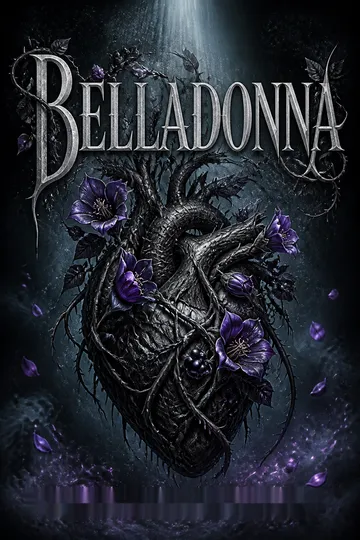
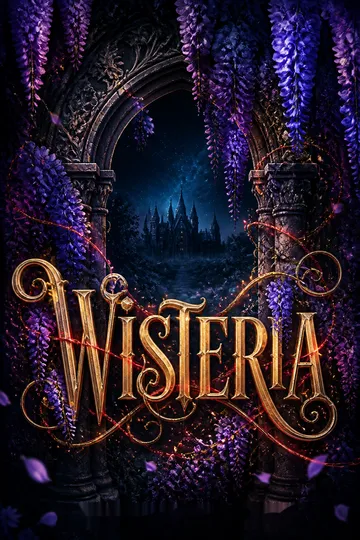
Belladonna Series


Download PDF
Download EPUB
.epub digital book format is ideal for reading ebooks on phones, tablets, and e-readers.








































