
Plot Summary
Born Singing, Born Different
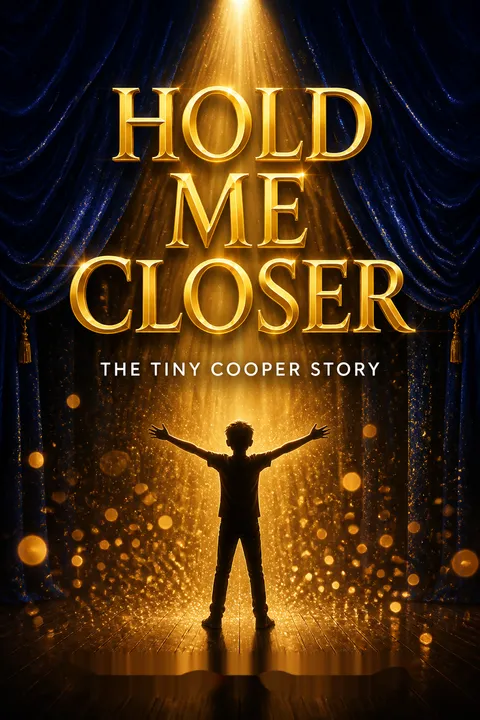
Tiny Cooper bursts into the world not with a cry, but with a song, already larger than life and unapologetically himself. From the very first moment, he is both literally and figuratively too big to hide, his identity as a big, gay baby both a source of joy and a challenge. The world around him—parents, neighbors, and community—reacts with a mix of awe, confusion, and judgment. Yet, Tiny's exuberance and self-acceptance shine through, establishing the musical, theatrical lens through which he will narrate his life. This opening is not just about being different, but about embracing difference as a kind of superpower, setting the stage for a story that will be as loud, sparkling, and heartfelt as its protagonist.
Family, Football, and Fitting In
Growing up in a loving, if sometimes bewildered, family, Tiny learns about devotion and belonging through Sunday football rituals. His parents' unconditional love is expressed not through grand speeches but through shared traditions and steadfast support, even as they struggle to understand his uniqueness. The suburban backdrop and the family's "religion" of football become metaphors for the longing to fit in, to be part of something larger. Yet, Tiny's size and flamboyance make him stand out, and the tension between wanting to belong and needing to be himself becomes a central theme. The lessons of teamwork, hope, and resilience learned on the couch and the field will echo throughout his journey.
Lynda's Lessons in Wholeness
Lynda, the cool lesbian babysitter, becomes Tiny's first mentor outside his family. Through her heartbreaks and creative coping, she teaches Tiny the importance of channeling pain into art and never seeing oneself as half of a whole. Lynda's wisdom—"Don't get trapped into thinking people are halves instead of wholes"—plants the seeds for Tiny's later struggles and triumphs in love. Their bond is both nurturing and empowering, showing Tiny that adulthood is not about perfection but about authenticity and resilience. Lynda's presence is a reminder that chosen family and queer role models can be lifelines, offering guidance that parents and peers cannot.
Friendship Dugout: Meeting Phil
On the baseball field, Tiny meets Phil Wrayson, a boy whose quiet goodness and loyalty become the bedrock of Tiny's social world. Their friendship, forged in the dugout and tested by bullies and clueless coaches, is a safe haven where Tiny can be himself, even if some topics remain unspoken. Phil's defense of Tiny, both subtle and overt, models the kind of allyship that is crucial for queer youth. Yet, the limits of their communication—especially around "boy stuff"—foreshadow the challenges of intimacy and vulnerability that will recur in Tiny's relationships. The dugout becomes a metaphor for the spaces where true friendship can flourish, even amid misunderstanding.
The Glass Closet Shatters
Despite his outsize personality, Tiny struggles to say the word "gay" aloud, trapped in a "glass closet" where everyone can see but he cannot fully claim his identity. The hardest coming out, he realizes, is to oneself. In a poignant solo, Tiny finally names his truth, feeling both terror and liberation. The chorus of queer voices—friends, exes, and even the ghost of Oscar Wilde—echoes his journey, affirming that self-acceptance is the first, hardest, and most necessary step. This moment is both a personal breakthrough and a universal rite of passage, resonating with anyone who has ever hidden a core part of themselves.
Coming Out, Coming Home
Tiny's coming out to his parents is met with love, humor, and a few confessions about lipstick and peas. His mother's song of unconditional love and his father's awkward but heartfelt support culminate in a mother-daughter fashion show that redefines family pride. Coming out to Phil at the Pride parade is met with playful acceptance—"Dude, you couldn't be gayer"—and the football team, after some locker room drama, ultimately stands by him. These scenes are both comic and moving, showing that acceptance is possible, even if it comes with its own set of challenges and negotiations. Tiny's world expands as he claims his place in it.
Pride, Prejudice, and Locker Rooms
The locker room, a site of anxiety for many queer teens, becomes a stage for Tiny's defiance and humor. Bullies taunt him, but Tiny's wit and the unexpected support of his teammates turn the tide. The football team's acceptance is not just a personal victory but a communal one, challenging stereotypes and affirming that masculinity and queerness are not mutually exclusive. This chapter underscores the importance of solidarity and the power of confronting prejudice with both courage and community. Tiny's relief and pride are hard-won, marking a turning point in his sense of belonging.
What's Missing: The Search for Love
With friends, family, and self-acceptance in place, Tiny feels an ache for something more—love. Guided by Lynda and the ghost of Oscar Wilde, he realizes that Act One of life is about finding yourself, but Act Two is about finding others. The absence of romantic love becomes a palpable presence, a "sense never used." This longing propels Tiny into the next phase of his journey, where the search for love will be as fraught, funny, and illuminating as the search for self. The stage is set for heartbreak, hope, and the parade of ex-boyfriends to come.
Parade of Ex-Boyfriends
Act Two opens with a literal parade of Tiny's ex-boyfriends, each breakup a lesson in vulnerability, disappointment, and self-discovery. The reasons are as varied as the boys themselves—too clingy, too big, not enough spark, or simply not ready. The musical number is both hilarious and heartbreaking, capturing the universal pain of rejection and the specific challenges of queer teen dating. Through it all, Tiny's desire for love remains undiminished, even as he learns that not every relationship is meant to last, and that sometimes the most important lesson is how to let go.
First Crush, First Crash
Brad, the first boy Tiny truly likes, seems perfect—until the moment of truth, when Brad can't reciprocate Tiny's feelings. The pain of unrequited love is sharp and raw, and Tiny's exuberant declarations only make the rejection sting more. Phil's attempts at comfort are well-meaning but inadequate, highlighting the loneliness of heartbreak. Subsequent crushes and rebounds only reinforce the lesson that love cannot be forced, and that timing and readiness matter as much as chemistry. Tiny's resilience is tested, but his hope endures.
Drama Camp and Summer of Gay
At Starstruck Drama Camp, Tiny finds his tribe—a community of queer kids and allies where he can be fully himself. The "summer of gay" is a whirlwind of musicals, crushes, and firsts, culminating in a sweet but short-lived romance with Joseph. The camp experience is both liberating and bittersweet, teaching Tiny that some loves are meant to be fleeting, and that chosen family can be as vital as romantic connection. The return to school brings new possibilities and new heartbreaks, but also a deeper sense of self.
The Inadequacy Blues
As relationships come and go, Tiny is haunted by feelings of inadequacy—too big, too much, too unlovable. Exes' cruel words echo in his mind, and even the most empowering musical numbers can't fully silence his insecurities. Friends like Phil and Djane offer support, but Tiny's longing for romantic validation remains acute. The pressure to have sex, to be wanted, and to be enough weighs heavily, leading to moments of despair and self-questioning. Yet, through it all, Tiny's humor and honesty keep him moving forward.
Texts, Ghosts, and Oscar Wilde
In the age of texting, Tiny's heartbreak is amplified by the temptation to over-communicate. The ghost of Oscar Wilde appears, offering cautionary advice: "Don't hit send." Wilde's presence is both comic and profound, reminding Tiny that passion can be channeled into art, and that not every feeling needs to be shared or acted upon. The interplay of technology, longing, and literary history adds depth to Tiny's journey, connecting his struggles to a broader queer lineage and the timeless challenges of love and self-expression.
Saving Myself, Setting Boundaries
Faced with pressure from boyfriends to have sex before he's ready, Tiny draws a line—he will "save himself for someone who treats me better." This act of self-respect is both empowering and difficult, challenging the notion that love or sex is the answer to loneliness. Djane's advice—"Don't do what you don't want to do"—reinforces the importance of agency and consent. Tiny's decision is a turning point, marking a shift from seeking validation in others to honoring his own needs and boundaries.
Will Grayson: A New Hope
When Tiny meets Will Grayson, a boy as wounded as he is, a new kind of connection emerges. Their relationship is tender, awkward, and fraught with misunderstandings, but also full of possibility. Tiny's optimism and Will's vulnerability create a dynamic that is both healing and precarious. The challenges of depression, self-doubt, and differing needs test their bond, but Tiny's willingness to be "something else" for Will—an escape, a comfort, a friend—shows the depth of his capacity for love. This chapter is a meditation on the complexities of queer relationships and the courage it takes to love someone as they are.
Drunk on Love, Sober on Pain
The intoxication of new love gives way to the sobering realities of difference, pain, and the limits of what one person can do for another. Tiny's relationship with Will is both exhilarating and exhausting, filled with moments of joy and moments of despair. The struggle to balance hope and honesty, to accept imperfection, and to let go when necessary becomes the heart of Tiny's emotional arc. The support of friends and the lessons of past heartbreaks inform his choices, but the pain of falling and landing is unavoidable.
Falling, Landing, and Letting Go
The end of Tiny's relationship with Will is not a tragedy, but a rite of passage. Through swings, songs, and honest conversation, Tiny comes to understand that love is about falling, landing, and getting up to fall again. The concept of "weltschmerz"—the gap between the world as it is and as it should be—becomes a guiding metaphor. Tiny realizes that the pursuit of love is not about finding a missing half, but about embracing the fullness of oneself and the beauty of connection, however brief. The finale is both an ending and a beginning.
Finale: Hold Me Closer
Surrounded by friends, family, exes, and the chorus of his life, Tiny steps into the spotlight one last time. The message is clear: life is a series of falls and landings, of heartbreaks and harmonies, and the only way through is to keep singing, keep loving, and keep holding each other closer. The open ending is a celebration of resilience, community, and the endless possibility of new songs. Tiny's story is not just his own, but an invitation to everyone to embrace their own musicals, their own falls, and their own capacity for love.
Analysis
A celebration of queer resilience, self-acceptance, and the messy beauty of loveHold Me Closer: The Tiny Cooper Story is both a coming-of-age tale and a meta-theatrical celebration of queer identity. By framing Tiny's life as a musical, Levithan elevates the everyday struggles of adolescence—coming out, first love, heartbreak, and self-doubt—into a universal story of longing and belonging. The novel's humor, vulnerability, and self-awareness make it accessible and resonant, especially for readers who have felt "too much" or "not enough." At its core, the book argues that wholeness comes not from finding a missing half, but from embracing oneself and the communities that sustain us. The parade of ex-boyfriends, the wisdom of mentors, and the support of friends and family all contribute to a narrative that is as much about falling as it is about getting up again. In a world that often demands conformity, Tiny's story is a joyful, defiant reminder to sing, to love, and to hold each other closer—no matter how many times we fall.
Review Summary
People Also Read



Characters
Tiny Cooper
Tiny is the exuberant, unapologetically gay protagonist whose size and personality make him impossible to ignore. His journey is one of self-discovery, from a singing newborn to a high schooler navigating friendship, family, and a parade of ex-boyfriends. Psychologically, Tiny is both confident and vulnerable, craving love and acceptance while wrestling with feelings of inadequacy. His relationships—with parents, friends, and lovers—reveal a deep longing to be seen and cherished for who he is. Over time, Tiny learns to balance his need for connection with self-respect, ultimately embracing the messiness of love and the importance of holding himself and others closer.
Phil Wrayson
Phil is Tiny's best friend, a straight boy whose loyalty and understated goodness provide a safe harbor for Tiny. Their friendship is marked by humor, mutual support, and occasional misunderstandings, especially around topics of love and sexuality. Phil's willingness to stand up for Tiny, both on and off the field, models true allyship, even as he struggles with his own feelings (notably for Djane). Psychologically, Phil is grounded, compassionate, and sometimes oblivious, but his presence is a constant reminder that friendship can be as vital as romance. His own romantic subplot with Djane adds depth to his character.
Lynda
Lynda, the lesbian babysitter, is Tiny's first queer role model and a source of wisdom about love, heartbreak, and self-worth. Her advice to see oneself as whole, not half, shapes Tiny's approach to relationships. Lynda's own struggles with love and art provide a template for resilience and creative expression. She represents the importance of chosen family and intergenerational queer support, offering guidance that is both practical and profound. Her recurring presence in Tiny's life, even after she leaves for college, underscores the lasting impact of early mentors.
Mom
Tiny's mother is a pillar of support, offering acceptance, humor, and a willingness to embrace her son's uniqueness. Her musical numbers and heartfelt conversations reveal a deep, if sometimes bewildered, understanding of Tiny's journey. Psychologically, she embodies the ideal of parental love—unconditional, adaptable, and proud. Her participation in the mother-daughter fashion show and her gentle handling of Tiny's confessions highlight her commitment to celebrating her child, no matter what. She is both a grounding force and a cheerleader.
Dad
Tiny's father initially struggles with his son's difference but ultimately rises to the occasion, joining Tiny in public displays of pride and affection. His solo moments reveal the generational challenges of fatherhood, masculinity, and acceptance. Psychologically, Dad is a work in progress—loving but sometimes awkward, learning to balance his own discomfort with his desire to be present for Tiny. His willingness to participate in the fashion show and his emotional honesty mark his growth and the evolving nature of parental love.
Will Grayson
Will is Tiny's most significant boyfriend, a boy grappling with depression, self-doubt, and the fear of being unlovable. Their relationship is a study in contrasts—Tiny's optimism meets Will's darkness, creating both healing and friction. Will's struggles force Tiny to confront the limits of what love can fix and the importance of accepting others as they are. Psychologically, Will is raw, guarded, and searching for connection, his journey intertwined with Tiny's in ways that are both uplifting and painful. Their breakup is a catalyst for Tiny's final growth.
Djane
Djane is Phil's love interest and Tiny's friend, offering sharp advice and emotional support. Her presence adds a layer of complexity to the friendship dynamics, and her guidance—especially around boundaries and self-respect—helps Tiny navigate the pressures of dating. Djane's own romantic subplot with Phil provides a counterpoint to Tiny's story, highlighting the universality of longing and the importance of honest communication. She is both a grounding influence and a source of comic relief.
The Ghost of Oscar Wilde
Wilde's spectral appearances offer both comic and philosophical commentary on Tiny's journey. As a symbol of queer history and the dangers of unchecked passion, Wilde cautions Tiny against impulsive communication and encourages him to channel his feelings into art. Psychologically, Wilde represents the enduring legacy of queer resilience, creativity, and the bittersweet lessons of love. His interventions are both timely and timeless, connecting Tiny's struggles to a broader narrative of queer survival and expression.
Ex-Boyfriends
The parade of ex-boyfriends—each with their own quirks, flaws, and reasons for leaving—serves as a collective character, embodying the trials and errors of young love. Through them, Tiny learns about boundaries, self-worth, and the importance of timing and compatibility. Psychologically, they represent both the external challenges of dating and the internal work of growing up. Their presence is a reminder that every heartbreak is a step toward understanding oneself and what one truly needs.
Ensemble (Friends, Family, Community)
The ensemble—parents, teammates, townspeople, and fellow queer kids—provides the backdrop against which Tiny's story unfolds. They embody the shifting attitudes of society, the power of community, and the importance of both chosen and biological family. Psychologically, the ensemble represents the collective forces that shape identity, offering both obstacles and support. Their songs and reactions amplify Tiny's emotions, making his journey both personal and universal.
Plot Devices
Musical Structure as Narrative
The novel is structured as a musical, with songs, stage directions, and theatrical flourishes that blur the line between reality and performance. This device allows Tiny's emotions to be expressed in heightened, lyrical ways, making the story both larger-than-life and deeply intimate. The musical format also enables quick shifts in tone—from comedy to heartbreak, from solo introspection to ensemble celebration—mirroring the unpredictability of adolescence and love. The use of recurring motifs, reprises, and callbacks creates a sense of cohesion and progression, while the open ending invites the audience to imagine the next act.
Parade of Ex-Boyfriends
The literal parade of ex-boyfriends serves as both a comic spectacle and a structural device, allowing Tiny (and the reader) to revisit and reframe past relationships. Each ex represents a different lesson or challenge, and their collective presence underscores the idea that love is a process of trial and error. The parade format also highlights the performative aspects of dating and the ways in which memory and narrative shape our understanding of ourselves and others.
Foreshadowing and Thematic Echoes
Advice from Lynda, the wisdom of Oscar Wilde, and the rituals of family life all foreshadow later developments in Tiny's journey. The themes of wholeness, self-acceptance, and the dangers of seeking completion in others are introduced early and revisited throughout, creating a sense of thematic resonance. The musical's structure allows for reprises and echoes, reinforcing the cyclical nature of growth and the importance of learning (and relearning) key lessons.
Meta-Narrative and Self-Awareness
Tiny's awareness that he is telling his own story—writing and starring in his own musical—adds a layer of meta-narrative that invites readers to reflect on the act of storytelling itself. This device empowers Tiny to claim agency over his narrative, even as he acknowledges its messiness and incompleteness. The open ending and direct address to the audience reinforce the idea that life, like theater, is a work in progress.
Will Grayson, Will Grayson Series Series

About the Author
Other books by David Levithan




Download PDF
Download EPUB
.epub digital book format is ideal for reading ebooks on phones, tablets, and e-readers.








































