
Plot Summary
Belltower Ghost Awakens
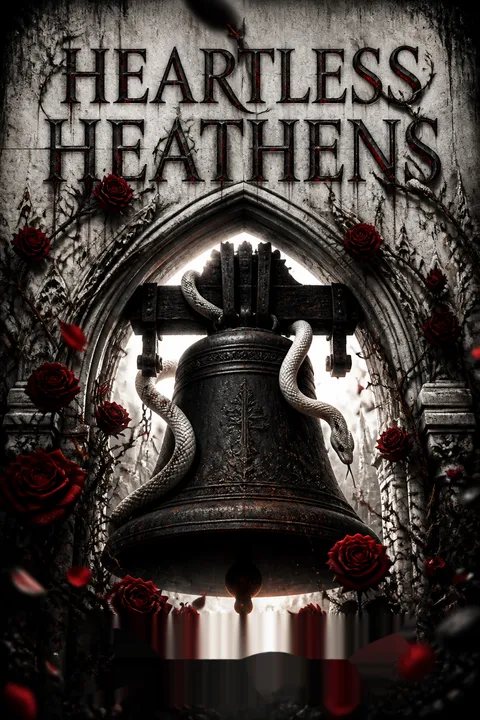
Romina, a secret ward of the cruel Archbishop Frollo, has spent her life locked in the belltower of a religious university, isolated from the world and haunted by dreams of violence and forbidden desire. Her only companions are books, a stone gargoyle, and the echoing voice of her guardian's abuse. As the new school year approaches, Romina's longing to join the world below intensifies, but Frollo's warnings about the "heathens" arriving on campus only deepen her sense of dread and curiosity. The world outside is a dystopian theocracy, and Romina's existence is a myth whispered among students. Her story begins not with a bang, but with a slow, aching hunger for freedom and identity.
Heathens Claim the Chapel
Three enigmatic young men—Sonny, Felix, and Corvin—arrive at the university, their presence bought by the immense wealth and influence of their guardian, Arlan Black. They are here on a mission: to recover what Frollo stole from Arlan, but also to claim their own destinies. Their arrival shakes the campus, and they quickly seize the condemned chapel as their lair, much to Frollo's horror. The trio's dark charisma and disregard for the rules mark them as dangerous, but also magnetic. Unbeknownst to them, Romina is watching from above, her world about to collide with theirs in ways none can predict.
Secrets Behind Iron Doors
As the heathens renovate the chapel, they become obsessed with a locked iron door leading to the attic—Romina's prison. Their attempts to break in mirror Romina's own struggle for escape. Meanwhile, Romina, starving and desperate, sneaks into the newly claimed chapel for food, leaving traces that spark rumors of a ghost. The boys sense something—or someone—is hidden in the walls, and the myth of the belltower ghost grows. The tension between secrecy and discovery mounts, setting the stage for a fateful encounter.
The Girl in the Shadows
Romina's world shatters when Corvin, in the throes of a traumatic blackout, discovers her in his room. The encounter is brutal and terrifying, but it also brings her into the orbit of the three boys. Felix, the gentlest of the trio, becomes her protector, while Sonny remains suspicious and Corvin is wracked with guilt. The boys debate her fate, torn between suspicion and empathy. Romina, traumatized but resilient, begins to taste freedom—and danger—for the first time.
Collision of Past and Present
As Romina's presence is revealed, the boys piece together her story: the secret ward of Frollo, raised in isolation, possibly the key to Arlan's lost legacy. The campus buzzes with rumors of the ghost, and Romina's identity becomes a battleground between Frollo's lies and the boys' quest for truth. The trio's own traumas—murdered mothers, forced loyalty, and the burden of inheritance—intertwine with Romina's, forging a bond of shared pain and defiance. Together, they begin to challenge the suffocating order of the university and the church.
The Devil's Inheritance
The truth of Romina's parentage emerges: she is the granddaughter of Arlan Black, the last of a powerful bloodline, and possibly the daughter of Frollo himself. Her existence is both a threat and a promise—a weapon against the church, and a pawn in Arlan's dying game. The boys, each with their own claim to her, must navigate the treacherous politics of inheritance, loyalty, and desire. Romina, for the first time, glimpses a future beyond the belltower, but it is fraught with peril and manipulation.
Breaking the Chains
Romina's relationship with the boys deepens, marked by both tenderness and violence. She learns to wield a knife, to claim pleasure, and to assert her will. The trio, each broken in their own way, find healing and purpose in her presence. Together, they begin to plot their escape from Frollo's grasp and the church's control. The lines between captor and captive, victim and avenger, blur as Romina steps into her own power.
The Ghost Revealed
The attic is finally breached, revealing the squalor of Romina's captivity and the extent of Frollo's cruelty. The boys are horrified, and their resolve to protect Romina hardens. The myth of the ghost is dispelled, replaced by the reality of a girl forged in suffering. Romina, no longer a secret, becomes a symbol of resistance—a living rebuke to the church's hypocrisy and violence.
Baptism by Fire
Romina's journey is marked by blood: the violence of her first sexual experiences, the brutality of Frollo's punishments, and the cathartic revenge against those who harm her. The boys, too, are drawn into cycles of violence—against Frollo, against their own demons, and against the world that made them. Together, they enact a baptism by fire, burning away the lies and forging a new identity in the crucible of pain and desire.
The Devil's Playground
The trio's Satanic heritage comes to the fore as they initiate Romina into their world of ritual and magic. The binding ritual, a literal and symbolic act, ties their fates together. Romina, once a pawn, becomes a willing participant in her own transformation. The power of choice—over her body, her destiny, and her love—becomes her greatest weapon. The old world, ruled by Frollo and the church, begins to crumble.
Blood and Belonging
With Arlan's death, Romina inherits not just wealth, but the burden of leadership. The boys, now her chosen family, must navigate the new world they have created—one where loyalty is tested, and the cost of freedom is high. The past cannot be erased, but together they forge a new path, bound by blood, desire, and shared purpose.
The Ritual of Binding
The binding ritual cements the quartet's bond, both magical and emotional. Romina, Felix, Corvin, and Sonny become inseparable, their love as fierce as their pain. The ritual is both a healing and a scar, a mark of survival and defiance. Together, they claim their right to exist, to love, and to fight for a future of their own making.
The Fall of the Archbishop
Romina confronts Frollo in a final, brutal reckoning. With the help of her chosen family, she enacts vengeance for years of abuse, exposing his crimes and ending his reign. The cathedral burns, the old order collapses, and Romina stands triumphant—not as a victim, but as a survivor and a leader. The world she knew is gone, but a new one is possible.
Ashes of the Old World
The aftermath of Frollo's fall is both liberating and terrifying. The university and the church reel from the loss of their leader, and Romina and her family must flee, leaving behind the ruins of their old lives. The world is still dangerous, but for the first time, they are free to choose their own path. The ashes of the old world become the soil for something new.
Rebirth in the Aftermath
In the wake of destruction, Romina and her family rebuild their lives. They travel to Oxford, claim their inheritance, and begin to use their power for good. The wounds of the past remain, but they are no longer defined by them. Together, they create a new home, a new family, and a new purpose. The journey is far from over, but the future is theirs to shape.
Bound by Blood and Desire
The bonds between Romina, Felix, Corvin, and Sonny deepen, marked by both passion and pain. Their love is unconventional, fierce, and unapologetic—a testament to their survival and their refusal to be broken. Together, they challenge the world's expectations and claim their right to exist on their own terms. The power of choice, once denied to Romina, becomes the foundation of their new life.
Dreaming a New Dawn
As the dust settles, Romina reflects on her journey—from the belltower ghost to the leader of a new order. The dreams that once haunted her become a source of strength, guiding her toward a future filled with hope, love, and possibility. The story ends not with an ending, but with a new beginning—a dawn forged in fire, blood, and the unbreakable bonds of chosen family.
Analysis
A modern gothic of trauma, power, and reclamationHeartless Heathens is a dark, unflinching exploration of trauma, survival, and the search for belonging in a world ruled by cruelty and hypocrisy. At its core, the novel is a subversive retelling of the gothic captivity narrative, blending dystopian critique with erotic transgression and the redemptive power of found family. The story refuses easy answers or sanitized resolutions—its characters are deeply flawed, their relationships marked by both violence and tenderness. Yet, in the ashes of the old world, they forge something new: a love that is fierce, chosen, and unapologetic. The novel's lessons are both personal and political: that freedom is never given, only claimed; that healing is possible, but never simple; and that the power to define oneself is the greatest act of rebellion. In a time when institutions fail and old gods die, Heartless Heathens offers a vision of hope born from the courage to face the darkness—and to choose love, again and again, in spite of it.
Review Summary
Heartless Heathens received mixed reviews, with ratings ranging from 1 to 5 stars. Many readers praised the dark, spicy content and gothic atmosphere, while others criticized the lack of character development and world-building. Some found the romance and consent issues problematic, given the female protagonist's sheltered background. The book's anti-religious themes and political commentary were polarizing. Readers appreciated the unique premise but felt the execution was inconsistent. Overall, it was a divisive read that appealed to fans of dark romance but wasn't for everyone.
People Also Read







Characters
Romina Black
Romina is the heart of the story—a girl raised in captivity, shaped by trauma, and driven by a desperate hunger for freedom and belonging. Her relationship with Frollo is one of abuse and manipulation, but she emerges from it with a fierce will to live and love. Romina's journey is one of self-discovery, as she learns to wield both knife and desire, to claim her own body and destiny. Her connection to the three boys—Felix, Corvin, and Sonny—is complex, marked by both tenderness and violence. As the granddaughter of Arlan Black and possibly the daughter of Frollo, Romina embodies the collision of innocence and corruption, victimhood and agency. Her development is a testament to resilience, the power of choice, and the healing found in chosen family.
Sonny Santorini
Sonny is the leader of the trio, marked by his icy demeanor, sharp intellect, and deep scars. Raised by Arlan Black to be the heir of the Satanic Shrine, Sonny is both a product and a rebel against his upbringing. His relationship with Romina is fraught with suspicion, desire, and eventual surrender—he is both her tormentor and her savior. Sonny's trauma—witnessing his mother's murder, enduring Arlan's rituals—has made him both ruthless and vulnerable. His journey is one of learning to trust, to love, and to accept the pain that comes with intimacy. Sonny's development is a study in the cost of survival and the possibility of redemption.
Felix Escura
Felix is the emotional anchor of the group, the one most capable of tenderness and empathy. Haunted by the loss of his mother and the burden of protecting his twin, Felix finds solace in caring for others—especially Romina. His relationship with her is marked by genuine affection, playfulness, and a desire to heal. Felix's struggle is with his own sense of inadequacy and the fear of being left behind. His development is a journey toward self-acceptance, learning to balance his need to give with his right to receive love.
Corvin Escura
Corvin, Felix's twin, is marked by trauma-induced blackouts and a desperate need for control. His violence is both a weapon and a shield, a way to keep the world at bay. Corvin's relationship with Romina is complicated—he is both her first abuser and her fiercest protector. His journey is one of reckoning with his own darkness, learning to trust others, and finding redemption in love. Corvin's development is a testament to the possibility of healing, even for those most broken.
Claüde Frollo
Frollo is the story's primary antagonist—a man of the cloth whose piety masks cruelty, hypocrisy, and abuse. His relationship with Romina is one of domination and manipulation, keeping her hidden and dependent. Frollo's own trauma and ambition drive him to monstrous acts, but he is ultimately undone by the very secrets he tried to keep. His downfall is both a personal and symbolic victory for Romina and her chosen family.
Arlan Black
Arlan is the shadowy force behind much of the story's conflict—a billionaire, cult leader, and manipulator. His obsession with legacy and control shapes the destinies of Sonny, Felix, Corvin, and Romina. Arlan's death is both a liberation and a burden, forcing his heirs to confront the cost of inheritance and the meaning of family. His legacy is both a curse and a gift, a challenge to be met and overcome.
Reesa
Reesa is one of the few female characters outside the main quartet, serving as Romina's first real friend and a link to the world beyond the chapel. Her brashness, humor, and loyalty provide much-needed relief and support. Reesa's presence highlights the importance of chosen family and the power of solidarity among the marginalized.
Lincoln Rugsley
Lincoln is a minor but pivotal antagonist—a student whose violence against Romina catalyzes her final transformation. His attack is a stark reminder of the dangers lurking even outside the church's control, and his fate at the hands of Romina and the boys is both justice and warning.
Sister Sophia
Sister Sophia represents the institutional cruelty of the church—a woman who, despite her own suffering, perpetuates Frollo's abuse. Her role in Romina's exorcism is a chilling reminder of how systems of power corrupt even those meant to nurture.
Korina Black
Though dead before the story begins, Korina's presence haunts Romina's journey. Her choices, dreams, and sacrifices shape the destinies of all the main characters. Korina is both a cautionary tale and a source of hope—a reminder that the past cannot be escaped, but it can be transformed.
Plot Devices
Duality of Captivity and Freedom
The story's structure hinges on the contrast between captivity and freedom—Romina's belltower is both a prison and a place of transformation. The locked doors, secret rooms, and hidden truths serve as metaphors for the characters' internal struggles. The gradual breaking of these barriers mirrors Romina's journey from victim to survivor, and the boys' own battles with trauma and loyalty.
Ritual, Magic, and the Occult
The use of Satanic ritual and magic is both literal and symbolic—a means of claiming power, forging bonds, and rewriting destiny. The binding ritual, in particular, serves as a climax of both plot and character development, transforming the quartet from a collection of broken individuals into a chosen family. The occult elements also serve to critique the hypocrisy of the church and to explore the power of belief—whether in God, the Devil, or oneself.
Trauma, Healing, and Found Family
The narrative is driven by cycles of trauma and healing—abuse, violence, and loss are ever-present, but so are tenderness, loyalty, and love. The found family trope is central, offering an alternative to the blood ties that have failed the characters. The story's emotional arc is one of moving from isolation and shame to connection and acceptance, with love as both a risk and a reward.
Subversion of Religious and Social Norms
Set in a dystopian theocracy, the story uses its setting to critique the dangers of religious extremism, patriarchy, and the commodification of bodies and souls. The characters' defiance—sexual, magical, and emotional—is both a survival strategy and a revolutionary act. The destruction of the cathedral and the church's downfall are both literal and symbolic victories.
Nonlinear, Dreamlike Structure
The narrative frequently blurs the lines between dream and reality, past and present, trauma and desire. Romina's recurring dreams serve as both foreshadowing and catharsis, guiding her toward the truth of her identity and her power. The story's structure is episodic, mirroring the fragmented nature of memory and the nonlinear path of healing.
Download PDF
Download EPUB
.epub digital book format is ideal for reading ebooks on phones, tablets, and e-readers.








































