
Plot Summary
Mirror Twins, Broken Homes
Asa and Avi, mirror twins from Hungary, are adopted by American parents who quickly become overwhelmed by the boys' emotional detachment and inability to bond. After a failed attempt to separate them, which results in violent, feral behavior, the twins are placed in a group home. Dr. Rice, the director, is unnerved by their eerie synchronicity and lack of affect, but Thomas Mulvaney, a billionaire with a penchant for "collecting" psychopathic children, sees their potential. He adopts them, determined to raise them as part of his ongoing experiment: can psychopathy be channeled for good? The twins' early years are marked by emotional voids, a fascination with pain, and a bond so deep it borders on the supernatural.
The Mulvaney Experiment
Thomas Mulvaney's household is a carefully curated family of adopted children, each with psychopathic tendencies. His goal is to teach them to function in society, using their lack of empathy as a tool for vigilante justice. The Mulvaney children are trained to mimic normalcy, charm, and affection, but their true natures are never far from the surface. Thomas's methods are controversial and secretive, but his "sons" become highly successful professionals—doctors, architects, designers—while also serving as his private executioners, targeting those who escape legal justice. The family's code is strict: only kill the guilty, never the innocent, and never for personal gain.
Zane's Obsession Ignites
Zane Scott, a struggling crime blogger desperate for a big break, becomes obsessed with the Mulvaney family. Convinced that Thomas is hiding something sinister, Zane maps out connections between the family and a series of suspicious deaths. His own family life is fractured—his parents cold, his beloved brother Gage dead by suicide. Zane's need for validation and truth drives him to infiltrate the Mulvaney world, even as his personal demons and unresolved grief threaten to consume him. He's determined to expose the Mulvaneys, but he's unprepared for the darkness—and allure—he finds.
Predator Meets Prey
At a press dinner, Zane and Asa's paths cross. Asa, restless and reckless without his twin, is drawn to Zane's vulnerability and sharp wit. Their flirtation is charged with danger; Asa warns Zane he's a predator, and Zane, both terrified and aroused, accepts the challenge. They leave together, setting the stage for a night of violent, consensual sex that blurs the line between pleasure and pain. Zane, ever the reporter, sees an opportunity to get closer to the Mulvaneys, while Asa is intrigued by Zane's willingness to play his dangerous games. Their connection is immediate, raw, and fraught with risk.
Dangerous Games Begin
After their night together, Zane snoops in Asa's house, discovering hints of the family's criminal activities. He follows Asa to a remote cabin, where he witnesses Asa and his brother-in-law dismembering a body. Caught, Zane tries to bluff his way out, but Asa kidnaps him, chaining him to a radiator. The power dynamic shifts: Zane is both prisoner and partner, as Asa proposes a deal—help solve a string of campus suicides in exchange for answers about the Mulvaneys. Their relationship becomes a twisted partnership, built on mutual need, sexual chemistry, and the threat of violence.
Hunted and Hunter
Asa and Zane's sexual relationship intensifies, defined by predator-prey dynamics and consensual non-consent. Asa's need for control and Zane's craving for attention and pain create a volatile, addictive bond. Meanwhile, Zane's investigation into the suicides deepens, revealing a pattern of "games" that push vulnerable students to their deaths. Asa's family becomes involved, each member bringing their own skills and traumas to the case. The line between hunter and hunted blurs, as Zane finds himself both terrified of and dependent on Asa.
Secrets, Scars, and Sex
Zane's emotional wounds—his brother's suicide, his mother's rejection—surface as he's drawn deeper into the Mulvaney world. Asa, for all his psychopathy, becomes Zane's anchor, offering a twisted form of care and protection. Their sex is brutal, cathartic, and healing, leaving Zane marked inside and out. The Mulvaney family, initially wary, begins to accept Zane as one of their own, recognizing his resilience and his value as both a partner to Asa and an investigator. Together, they uncover the existence of a deadly online game targeting high-achieving students.
The Family Code
Zane is initiated into the Mulvaney code: loyalty above all, kill only the guilty, protect the family's secrets. He learns the family's history, their methods, and the psychological toll of their work. Asa's twin, Avi, returns, complicating the dynamic with his own possessiveness and rivalry. Zane's role shifts from outsider to insider, as he proves his worth by helping profile the game's victims and handlers. The family's acceptance is conditional, but Zane finds a sense of belonging he's never known.
Suicide Clusters Unveiled
The investigation reveals that the campus suicides are orchestrated by a shadowy "game master" who recruits handlers to psychologically torture students into killing themselves. The game is modeled after real-life internet challenges but is far more sophisticated and sadistic. Zane's own brother may have been a victim, deepening his personal stake. The Mulvaneys use their resources—hacking, profiling, surveillance—to track the game's origins, uncovering a network of handlers and a mastermind with global reach.
The Game Master's Web
Calliope, the family's hacker, traces the game master to a reclusive tech mogul, Frederick Deetz, who runs the operation from a fortified island. The Mulvaneys plan a coordinated assault, using their unique skills to breach Deetz's defenses while Calliope hacks his system. Zane, desperate for closure, insists on being part of the mission. The confrontation is tense and violent, culminating in Deetz's capture and the exposure of his crimes. The family ensures that justice is served—on their terms.
Pain, Power, and Partnership
Zane is given the choice of how to punish Jerry, the handler responsible for his brother's death. He opts for a slow, torturous demise, mirroring the psychological torment inflicted on the game's victims. The act is both cathartic and scarring, forcing Zane to confront the darkness within himself. Asa supports him, offering comfort and understanding in his own brutal way. Their partnership is solidified through shared violence, mutual trust, and the recognition that they are both broken—and better—together.
Truths in Blood and Bruises
With the game master dead and the handlers hunted down, Zane and Asa face the aftermath. Zane's grief for his brother is raw, but he finds solace in Asa's unwavering presence. The Mulvaney family, once skeptical, embraces Zane as one of their own. Zane's crime blog becomes a tool for shaping public perception, exposing the truth about the game and its victims while protecting the family's secrets. The scars—physical and emotional—remain, but they are now symbols of survival and belonging.
The Handler's Identity
Through meticulous profiling and investigation, the family identifies the handler as Jerome Devlin, a rejected applicant with a vendetta against elite students. His capture and interrogation reveal the structure of the game and the role of the game master. The family's code is tested as they balance the need for vengeance with the imperative to protect the innocent. Zane's skills as a reporter and profiler prove invaluable, earning him the family's respect and trust.
Vengeance and Vigilance
The Mulvaneys execute their own brand of justice, ensuring that those responsible for the deaths are punished. Zane, once an outsider, is now complicit in the family's vigilantism. The experience changes him, hardening his resolve and deepening his bond with Asa. The family remains vigilant, aware that new threats will always emerge. Zane's role as both chronicler and participant cements his place in the Mulvaney legacy.
Love in the Dark
Asa proposes to Zane, acknowledging their unconventional love and the darkness they share. Their wedding is both a celebration and a declaration of loyalty—to each other and to the family. Zane's mother tries to sabotage the event, but the Mulvaneys close ranks, protecting their own. The ceremony is a moment of healing, marking the end of Zane's search for belonging and the beginning of a new chapter. Their love, forged in pain and violence, is imperfect but real.
Family, Forgiveness, Forever
Zane finds the family he's always craved—not through blood, but through shared secrets, loyalty, and love. The Mulvaneys, for all their flaws, offer him acceptance and purpose. Together, they face the future, knowing that their work is never done. The story ends with Zane and Asa united, their scars a testament to survival, and their partnership a promise of forever.
Analysis
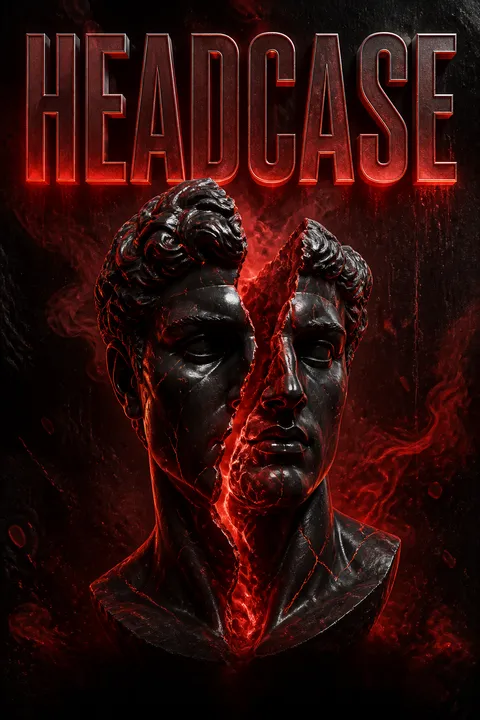
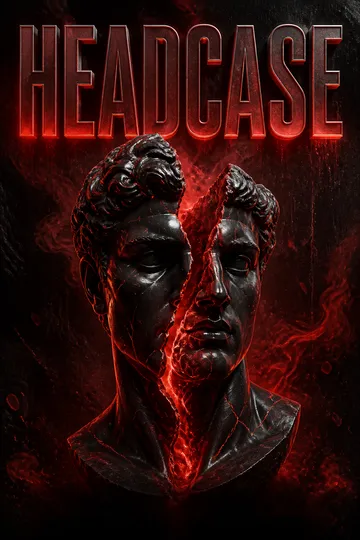
Headcase is a dark, provocative exploration of trauma, power, and the search for belonging. Onley James crafts a narrative that blurs the line between hero and villain, challenging readers to question the nature of justice, love, and redemption. The Mulvaney family, with their strict code and vigilante methods, serve as both a critique and a fantasy of moral absolutism in a world where the legal system often fails. Zane's journey—from broken outsider to beloved partner and avenger—offers a powerful meditation on the ways in which pain can be transformed into purpose, and how love can be found in the most unlikely places. The novel's explicit sexuality and violence are not gratuitous but serve to illuminate the psychological complexities of its characters, particularly the interplay between vulnerability and strength. Ultimately, Headcase is a story about the families we choose, the scars we carry, and the possibility of healing—even in the darkest of circumstances. It is a testament to the resilience of the human spirit and the enduring power of connection, no matter how unconventional.
Review Summary
Headcase receives mixed reviews averaging 4.22/5 stars. Readers praise the compelling crime plot, steamy scenes, and psychopathic protagonist Asa. However, many felt the romance lacked depth, with criticism of rushed instalove and underdeveloped emotional connections. Several reviewers were disappointed by minimal twin interactions despite the twins' established bond, and felt the BDSM elements were teased but underdelivered. The mystery subplot involving a suicide game was praised as disturbing and well-researched. Some found the book formulaic compared to earlier series entries, while others enjoyed the familiar comfort-read quality.
People Also Read


Characters
Asa Mulvaney
Asa is a mirror twin, raised by Thomas Mulvaney to be both a functioning member of society and a vigilante executioner. Psychopathic but not without his own code, Asa is driven by a need for control, power, and connection—primarily with his twin, Avi, and later with Zane. His relationship with Zane is defined by dominance, violence, and unexpected tenderness. Asa's development is marked by his struggle to balance his nature with his desire for love and belonging. He is fiercely loyal to his family and, ultimately, to Zane, whom he claims as his own in every sense.
Zane Scott
Zane is a crime blogger haunted by his brother's suicide and his parents' emotional neglect. His obsession with the Mulvaneys is both professional and personal—a quest for truth, validation, and connection. Zane's psychological wounds make him vulnerable to Asa's predatory attention, but he is also resourceful, brave, and unflinching in the face of darkness. His journey is one of transformation: from outsider to insider, victim to avenger, and, finally, from lost soul to beloved partner. Zane's relationship with Asa is both destructive and redemptive, offering him the family and love he's always craved.
Thomas Mulvaney
Thomas is the patriarch of the Mulvaney family, a billionaire who adopts and raises psychopathic children as part of a grand experiment. He is cold, calculating, and deeply committed to his code: kill only the guilty, protect the innocent, and never act out of personal vendetta. Thomas's relationship with his children is complex—he is both father and handler, teacher and judge. He values loyalty above all and is willing to make hard choices to protect his family and their mission.
Avi Mulvaney
Avi is Asa's twin and mirror image, sharing an almost supernatural bond. He is equally psychopathic, with a flair for fashion and a penchant for mischief. Avi's relationship with Asa is both competitive and codependent; he is wary of Zane but ultimately accepts him as part of the family. Avi's development is marked by his struggle to assert his own identity while remaining deeply connected to his brother.
Atticus Mulvaney
Atticus is the family's physician and a former killer who now prefers to heal rather than harm. He is meticulous, intelligent, and somewhat aloof, but his loyalty to the family is unwavering. Atticus serves as a voice of reason, often mediating conflicts and ensuring that the family's actions remain within the bounds of their code. His relationship with his husband, Jericho, and his role as a caretaker for troubled youth add depth to his character.
Jericho
Jericho is Atticus's husband and a former street kid turned vigilante. He runs a garage that serves as a safe haven for at-risk youth, using his skills to "discourage" predators in the neighborhood. Jericho is tough, resourceful, and fiercely protective of those he loves. His relationship with Atticus is built on mutual respect and shared trauma, and he becomes a mentor to Zane as he navigates the family's world.
August Mulvaney
August is a genius statistician and behavioral profiler, married to Lucas, a former FBI agent. He is analytical, detached, and often the brains behind the family's operations. August's development is shaped by his transition from killer to father, as he and Lucas raise twin daughters. His ability to profile both victims and perpetrators is crucial to solving the case of the deadly game.
Lucas
Lucas is August's husband, a former FBI profiler with genuine psychic abilities. He is sensitive, intuitive, and deeply affected by the suffering of others. Lucas's visions and insights are instrumental in unraveling the game's mysteries. His relationship with August and their children provides a counterpoint to the family's violence, offering hope and healing.
Calliope
Calliope is the family's resident hacker, a genius with computers and surveillance. She is quirky, irreverent, and fiercely loyal to the Mulvaneys. Calliope's skills are essential in tracking the game master and exposing the network of handlers. Her relationship with her son, Dimitri, and her role as the family's digital guardian add layers to her character.
Beverly Scott
Beverly is Zane's mother, a cold, self-absorbed woman whose emotional neglect and favoritism contribute to Zane's lifelong wounds. She is obsessed with appearances and social status, incapable of genuine affection. Beverly's attempts to sabotage Zane's happiness are ultimately thwarted by the Mulvaneys, but her influence lingers as a source of trauma and motivation for Zane's quest for belonging.
Plot Devices
Duality and Mirror Imagery
The novel uses the motif of mirror twins—Asa and Avi—to explore themes of duality, identity, and codependence. Their bond is both a source of strength and vulnerability, mirroring the internal conflicts faced by other characters. The predator-prey dynamic between Asa and Zane further reinforces the theme of duality, as each becomes both hunter and hunted, victim and aggressor.
Vigilante Justice and Moral Codes
The Mulvaney family operates under a strict code: kill only the guilty, protect the innocent, and never act out of personal vendetta. This code is both a safeguard and a source of tension, as characters grapple with the morality of their actions. The narrative structure alternates between acts of violence and moments of introspection, forcing characters—and readers—to question the nature of justice and redemption.
Psychological Games and Manipulation
The deadly online game at the heart of the plot serves as a metaphor for the psychological manipulation that pervades the story. Characters are constantly engaged in games of power, dominance, and submission—both in their personal relationships and in their pursuit of justice. Foreshadowing is used to build suspense, as early hints of the game's existence and the twins' abilities pay off in later revelations.
Trauma, Healing, and Found Family
The novel explores the long-term effects of trauma—suicide, abuse, neglect—and the ways in which characters seek healing through connection, violence, and love. The found family trope is central, as Zane is gradually accepted into the Mulvaney clan, finding the acceptance and purpose he's always craved. The narrative structure allows for deep psychological exploration, with flashbacks, internal monologues, and shifting perspectives.
Consent, Power Exchange, and Sexuality
Sexual power dynamics are a key plot device, with Asa and Zane's relationship defined by consensual non-consent, pain, and dominance. These scenes are not merely titillating but serve to explore issues of trust, vulnerability, and healing. The negotiation of boundaries and the use of safewords mirror the larger themes of control and surrender that run throughout the novel.
Necessary Evils Series

Download PDF
Download EPUB
.epub digital book format is ideal for reading ebooks on phones, tablets, and e-readers.








































