
Plot Summary
Wedding Day Meltdown
Sophie stands at the altar, heart pounding, dreading her wedding to Stuart. She's not just nervous—she's desperate for a way out, knowing Stuart has cheated again. As the pastor asks if anyone objects, a stranger stands and exposes Stuart's infidelity, causing chaos. Sophie's relief is palpable, but so is her devastation. The wedding collapses in a spectacular, public fashion, leaving Sophie humiliated but free. Her best friend Asha celebrates dodging the "Stuart bullet," and Sophie is left to process the emotional wreckage, grateful for the mysterious "Objector" who saved her from a lifetime of regret.
The Objector Arrives
Max, the so-called Objector, is paid to disrupt weddings for those desperate to escape. He's not a hero, just a guy with a knack for dramatic interventions. After the chaos, he meets Sophie and Asha in the honeymoon suite, where tequila and Twinkies flow. Sophie, still reeling, is both grateful and intrigued by Max's calm, almost businesslike demeanor. Their banter is sharp, their pain raw, and a strange camaraderie forms. Max's role is clear: he's the last-minute savior, but he's also a man with his own scars and rules about who he helps.
Twinkies and Tequila
Sophie, Asha, and Max drown their sorrows in whiskey and pizza, tossing Twinkies off the balcony in a cathartic act of rebellion. The night turns from grief to laughter as Sophie and Max debate the existence of love, both jaded by betrayal. Sophie insists love is a myth, a trick of biology, while Max is more cautious, shaped by his own losses. Their chemistry is undeniable, but both are wary. As the night winds down, they find comfort in each other's company, two cynics in a world obsessed with romance.
Love Is a Lie
Sophie and Max's late-night conversation deepens. Sophie reveals her history of being cheated on, her belief that "The One" is a myth, and her admiration for her grandparents' practical partnership. Max shares his own origin story as the Objector, helping people escape toxic relationships. They bond over their shared skepticism, but there's an undercurrent of longing—both for connection and for proof that love might be real. Their vulnerability is masked by humor, but the emotional stakes are rising.
Four Months Later
Sophie, now single and living with quirky roommates, is rebuilding her life. She's determined to keep her independence, even if it means taking on odd living arrangements. When Max texts her out of the blue with a proposition—to help object at another wedding—Sophie is hesitant but intrigued. Their dynamic is playful, their banter sharp, and the possibility of a partnership in "objecting" is both absurd and appealing. Sophie's skepticism about love remains, but Max's offer is a tempting escape from routine.
Coffee and Propositions
Over coffee, Max pitches Sophie on joining him as an "Objectress" for a friend's wedding. He spins a tale of betrayal and small-town politics, tugging at Sophie's empathy and sense of justice. She's reluctant, but the promise of helping someone escape a bad marriage—and a hefty payment—wins her over. Their agreement is sealed with sarcasm and mutual respect, setting the stage for a partnership that's equal parts business and unresolved attraction.
The Objectress Awakens
Sophie prepares for her debut as an Objectress, nerves jangling. Max coaches her through the process, their rapport growing with every joke and shared anxiety. The wedding is a spectacle of country kitsch, and Sophie's nerves nearly get the best of her. But when she sees the cheating bride's brazen behavior, her anger fuels her courage. She stands, objects, and chaos erupts. Sophie's headlock on the bride becomes legend, and she and Max escape, adrenaline high and laughter bubbling. Their partnership is cemented, and the thrill of the rescue lingers.
Redneck Wedding Rescue
Sophie and Max debrief at a bar, joined by the grateful groom. The sense of accomplishment is real, but so is the growing attraction between them. They play games, share stories, and the line between friendship and something more blurs. A near-kiss outside Sophie's building leaves them both shaken and wanting. The emotional intimacy is as potent as the physical, and both are left wondering what, exactly, is happening between them.
Headlocks and Heroics
The almost-kiss haunts both Sophie and Max. Their friendship deepens through shared jokes, social media antics, and mutual support. They become each other's alibi for family and work, faking a relationship for convenience—but the feelings are real. Their banter is electric, their connection undeniable, but both are terrified of crossing the line. The tension simmers, and when they finally give in to their attraction, it's explosive, leaving them both reeling and unsure of what comes next.
Partners in Crime
Sophie and Max navigate the messy territory of friends with benefits. Their physical chemistry is off the charts, but emotional vulnerability is harder. Both are haunted by past betrayals and the fear of falling for someone who could hurt them. They set rules, break them, and set them again, each encounter deepening their bond. The question of whether love is real—or just a convenient label—hangs over them, unresolved but ever-present.
Chemistry and Boundaries
When Max's ex, Lilibeth, becomes the target of a new objecting mission, old wounds resurface. Max's reluctance to sabotage her wedding confuses and hurts Sophie, who can't understand his protectiveness. Their partnership fractures under the weight of jealousy, misunderstanding, and unspoken feelings. Both retreat, licking their wounds, unsure if their connection can survive the fallout.
The Big Misunderstanding
Sophie and Max's friendship reaches a breaking point. Sophie, pushed by her roommates and her own heartache, realizes she's been running from her feelings. Max, after a cathartic conversation with his ex, understands he's truly over her—and truly in love with Sophie. Their reunion is raw, honest, and messy, but it's also a turning point. They admit their fears, their desires, and their love, finally choosing each other over their doubts.
Realizations and Reconciliations
Sophie and Max embrace their relationship, redefining what love means for them. Their partnership is built on friendship, respect, and a shared sense of humor. They support each other's ambitions, celebrate each other's quirks, and find joy in the everyday. Their love is imperfect but real, forged in the fires of heartbreak and healed by laughter. The past no longer haunts them; the future is theirs to shape.
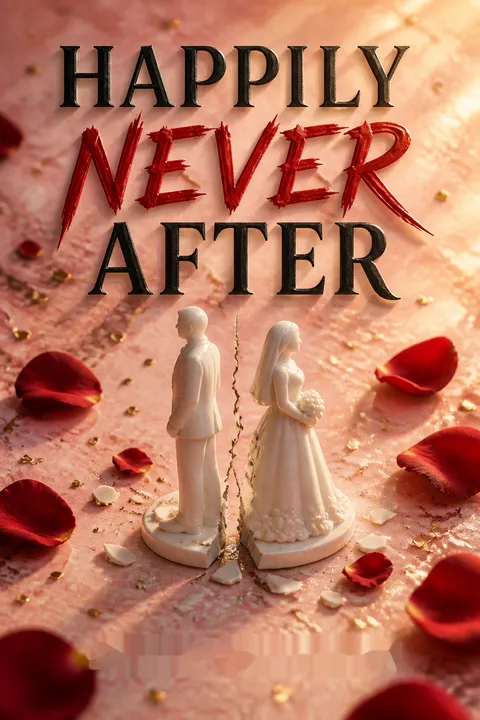
Happily Never After
Sophie and Max marry in a rooftop ceremony surrounded by friends, family, and the oddball roommates who became their chosen family. Their vows are unconventional, their celebration irreverent, but their commitment is fierce. They've learned that love isn't a fairy tale—it's a choice, a partnership, and a leap of faith. Their story ends not with a promise of "happily ever after," but with the certainty that, together, they can face whatever comes next—laughing, loving, and objecting to anything less than the real thing.
Analysis
A modern rom-com that deconstructs love and reinvents happily ever afterHappily Never After is a sharp, self-aware romance that both celebrates and subverts the conventions of the genre. Lynn Painter crafts a story that is as much about friendship, self-discovery, and healing as it is about romantic love. By centering two cynics who have been burned by betrayal, the novel interrogates the myths of soulmates and "The One," offering instead a vision of love as a choice—messy, imperfect, and deeply human. The recurring motif of objecting at weddings becomes a metaphor for rejecting societal expectations and forging one's own path. The humor is biting, the banter electric, and the emotional arc satisfying. Ultimately, the book argues that love is not a fairy tale, but a partnership built on honesty, respect, and the courage to try again. The lesson is clear: happiness is not about finding someone perfect, but about choosing someone real, again and again, even when it's scary. In a world obsessed with happily ever after, Happily Never After dares to ask what comes next—and finds joy in the answer.
People Also Read









Characters
Sophie Steinbeck
Sophie is a sharp, witty HR professional whose belief in love has been shattered by repeated betrayals. Her journey begins with a public wedding disaster, but she emerges resilient, determined to reclaim her life on her own terms. Sophie's skepticism about love masks a deep longing for connection and safety. Her friendship with Max challenges her defenses, forcing her to confront her fears and desires. Through humor, vulnerability, and a willingness to risk her heart again, Sophie transforms from a woman running from love to one who redefines it for herself. Her relationships—with Max, her quirky roommates, and her friends—reveal her capacity for loyalty, courage, and growth.
Max Parks
Max is the enigmatic "Objector," a man who disrupts weddings to save others from bad marriages. Scarred by his own heartbreak, he's built walls of cynicism and self-reliance. Max's rules for objecting are strict, his empathy genuine, and his humor dry. Meeting Sophie shakes his carefully ordered world, awakening feelings he thought he'd buried. Max's journey is one of learning to trust again, to risk vulnerability, and to accept that love—messy, unpredictable, and real—might be worth the gamble. His relationship with Sophie is both a partnership and a healing process, as he learns to let go of the past and embrace the possibility of happiness.
Stuart Lauren
Stuart is Sophie's ex-fiancé, whose repeated infidelities set the story in motion. Outwardly polished and supportive, he's ultimately self-serving and manipulative. Stuart's betrayal forces Sophie to confront uncomfortable truths about herself and her beliefs. His presence lingers as a reminder of what Sophie fears most—being hurt, being fooled, and being forced to settle. Stuart's role is less about his own development and more about catalyzing Sophie's transformation and highlighting the contrast between toxic and healthy relationships.
Asha
Asha is Sophie's ride-or-die, the friend who orchestrates the original objecting scheme. She's bold, supportive, and unafraid to break the rules for those she loves. Asha's unwavering belief in Sophie's worth helps anchor her through the chaos. She provides comic relief, emotional support, and a reminder that chosen family can be just as vital as romantic love.
Larry
Larry is one of Sophie's elderly roommates, a sharp-tongued, opinionated man with a hidden well of wisdom. His unconventional living situation with Sophie and Rose provides both comic relief and genuine insight. Larry's blunt advice and surprising emotional intelligence help Sophie see her own patterns and fears more clearly. He's a stand-in for the reader's conscience, pushing Sophie to take risks and embrace vulnerability.
Rose
Rose, Sophie's other senior roommate, is equally eccentric but more nurturing. She balances Larry's abrasiveness with warmth and humor. Rose's presence in Sophie's life underscores the importance of intergenerational friendship and the value of community. She's a cheerleader, a confidante, and a gentle nudge toward self-acceptance.
Edie
Edie is Sophie's boss and a key figure in her career development. She's tough but fair, pushing Sophie to grow both personally and professionally. Edie's belief in Sophie's potential is a source of motivation and validation. Her guidance helps Sophie navigate the challenges of work, love, and self-worth.
Lilibeth
Lilibeth is Max's former love, whose reappearance tests his emotional growth. She represents unfinished business, old wounds, and the temptation to retreat into the safety of the known. Lilibeth's storyline forces Max to confront his feelings, let go of the past, and choose Sophie with intention and clarity.
TJ
TJ is Max's friend and the first beneficiary of Sophie's objecting skills. His vulnerability, gratitude, and eventual freedom serve as a reminder that love can be both a trap and a liberation. TJ's story parallels Sophie's, offering a glimpse of what's possible when courage and support align.
Becca
Becca is Stuart's mistress, a shadowy figure whose actions catalyze Sophie's awakening. She's less a character than a symbol of betrayal, the embodiment of the lies and secrets that undermine trust. Becca's presence is felt more in absence, a reminder of the damage done by dishonesty.
Plot Devices
The Wedding Objection
The recurring motif of objecting at weddings serves as both plot engine and metaphor. Each objection is a moment of truth, a public reckoning that forces characters to confront reality. The device allows for high-stakes drama, comic relief, and emotional catharsis. It also mirrors the characters' internal struggles—objecting to the lies they tell themselves, the roles they're forced into, and the futures they fear.
Friends-to-Lovers Trope
The transition from friendship to romance is central, allowing for organic development of trust, vulnerability, and desire. The trope is subverted by the characters' mutual cynicism and the deliberate avoidance of traditional romantic gestures. Their relationship grows through shared experiences, banter, and mutual support, making the eventual confession of love both inevitable and hard-won.
Fake Relationship
Sophie and Max's decision to fake a relationship for professional and familial reasons adds layers of complexity. The performative aspect of their partnership blurs the line between reality and pretense, forcing them to confront what they truly want. The device also satirizes modern romance, highlighting the absurdity of curating happiness for an audience.
Misunderstanding and Reconciliation
The central misunderstanding—Max's protectiveness of his ex, Sophie's jealousy, and their mutual fear of vulnerability—drives the narrative tension. Their eventual reconciliation is earned through honest communication, self-reflection, and the willingness to risk heartbreak. The device underscores the importance of facing one's fears and choosing love despite uncertainty.
Humor and Banter
The novel's signature wit and rapid-fire dialogue serve as both defense mechanism and means of connection. Humor allows the characters to process pain, deflect discomfort, and build intimacy. It's a coping strategy, a flirtation, and a declaration of compatibility.




Download PDF
Download EPUB
.epub digital book format is ideal for reading ebooks on phones, tablets, and e-readers.








































