
Plot Summary
Summer Without Magic
Jane, Mark, Katharine, and Martha, siblings in a 1920s city, brace themselves for another uneventful summer. Their father is gone, their mother works long hours, and they're left in the care of the uninspired Miss Bick. The children long for the kind of magical adventures they read about in E. Nesbit's books, but reality is all chores, library trips, and neighborhood boredom. Their camaraderie is tinged with rivalry and longing, each child yearning for something extraordinary to break the monotony. The summer stretches ahead, empty and ordinary, until a glint of metal in the sidewalk hints that perhaps, just this once, magic might find them after all.
The Half-Magic Coin
Jane discovers an odd, worn coin that looks like a nickel but bears strange markings. When she carelessly wishes for a fire, a playhouse burns down—just a small one, not a real disaster. The siblings realize the coin grants wishes, but only halfway. Their mother, borrowing the coin for bus fare, wishes to be home and ends up stranded halfway between her destination and home. The children experiment, confirming the coin's peculiar power. Excitement and anxiety mingle as they realize the coin's potential—and its limitations. The rules of magic are not as simple as they'd hoped, and every wish comes with unexpected consequences.
Wishes Gone Awry
The children take turns with the coin, each wish going humorously or disastrously wrong. Martha wishes the cat could talk, and Carrie begins to speak in garbled half-English. Mark wishes for adventure and ends up in a desert—without the "island" part of "desert island." The siblings scramble to undo their mistakes, learning that every wish must be carefully worded and doubled to get the intended result. Their adventures grow wilder, but so do the complications. The coin's magic is both a blessing and a curse, teaching the children caution, teamwork, and the unpredictable nature of desire.
Deserted in the Sands
Mark's wish for a "desert island" lands the children in the middle of the Sahara Desert, with only sand in every direction. They're rescued by a ragged caravan, but the leader, Achmed, has his own designs on the magical coin. The children must use their wits and the coin's tricky magic to escape, ultimately wishing Achmed happiness and themselves home. The experience is harrowing but transformative, teaching them empathy for others and the importance of fairness. The coin's power is both exhilarating and dangerous, and the children begin to understand the weight of responsibility that comes with magic.
Knights, Quests, and Consequences
Katharine's wish for medieval adventure transports the siblings to King Arthur's time. They meet Sir Launcelot, rescue him from a witch's castle, and inadvertently disrupt the legendary tournament. Katharine, eager to prove herself, defeats Launcelot in combat, shaming the hero and upsetting the balance of legend. Merlin intervenes, warning them about meddling with history and the dangers of unchecked magic. The children are sent home, chastened and wiser. Their brush with legend reveals the limits of fantasy and the real consequences of their actions, deepening their understanding of both magic and themselves.
The Perils of Power
After their Arthurian misadventure, the children are reluctant to use the coin. The thrill of magic is tempered by guilt and the fear of causing harm. They resolve to use the coin only for good, but even well-intentioned wishes can go awry. Jane contemplates wishing for world peace or infinite knowledge, but the siblings debate the ethics of such grand desires. The coin's power is seductive, but its limitations and the risk of unintended consequences force the children to confront the complexity of wish-making. They learn that true happiness may not come from magic at all.
Martha's Ghostly Misadventure
On a trip to the movies, Martha, bored and uncomfortable, wishes she weren't there. She becomes half-invisible, causing chaos in the theater and panic in the streets. The city erupts in confusion, with rumors of ghosts and Martians spreading. The siblings, separated and desperate, must use the coin to restore Martha and undo the havoc. With the help of Mr. Smith, a kindly bookseller who understands their plight, they manage to set things right and erase the city's memory of the incident. The ordeal leaves them shaken, but grateful for the return to normalcy.
Jane's Family Crisis
As the children grow closer to Mr. Smith, Jane struggles with the idea of a new father figure. She wishes to belong to another family, and the coin obliges—she becomes "Little Comfort," a prim, joyless girl in a cold, gray house. The siblings, with Mr. Smith's help, rescue her, and Jane realizes that her real family, with all its imperfections, is where she truly belongs. The episode forces Jane to confront her grief over her father's death and her fear of losing her place in the family. Acceptance and love triumph over resentment and jealousy.
The Step-Father Solution
The children, now fond of Mr. Smith, conspire to help their mother and him find happiness together. Their mother, however, is plagued by doubts and fears she's losing her mind due to the magical events she's witnessed. The children attempt to use the coin to grant her heart's desire, but their wishes go comically awry—she becomes overly agreeable, or is thrust into unwanted adventures. Only when Mr. Smith carefully wishes for her to be herself, open to magic but free from fear, does she find peace. The family is finally united, and happiness seems within reach.
Mother's Heart's Desire
The children offer the coin to their mother, inviting her to wish for whatever she truly desires. She wishes not for riches or power, but for love, security, and the chance to care for her children. Mr. Smith promises to provide these things without magic, and the coin's magic seems to fade. The family's happiness is achieved not through wishes, but through understanding, acceptance, and love. The coin's purpose fulfilled, it becomes just an ordinary object—its magic spent in the service of bringing a family together.
The Last Wish
As the family prepares for a new life—summers in the country, a new stepfather, and the end of Miss Bick—the children realize the coin's magic is gone. Jane, still missing her father, makes a final, unconscious wish to feel his approval. That night, she senses his presence, half-there, comforting her and assuring her that all is well. The last wish is granted quietly, bringing Jane peace and closure. The coin's magic, subtle and gentle, has given the children not just adventure, but healing.
Passing on the Magic
With their own adventures complete, the children decide to pass the coin on, leaving it for another child to find. They watch as a tired little girl and her baby sibling discover the coin, and the magic begins anew. The siblings realize that magic is not just about wishes, but about hope, kindness, and the willingness to believe. Their story ends, but the magic continues, ready to bring wonder—and lessons—to the next dreamer who finds it.
Analysis
A meditation on desire, family, and the limits of magicHalf Magic is more than a whimsical adventure; it's a nuanced exploration of childhood longing, the unpredictability of wishes, and the transformative power of love. The half-magic coin, with its frustrating limitations, becomes a metaphor for the imperfect, often bittersweet nature of real life. The children's journey—from boredom to chaos to contentment—mirrors the universal process of growing up: learning that happiness cannot be wished into existence, but must be built through empathy, acceptance, and courage. The book gently mocks the fantasy genre's promise of easy solutions, insisting instead on the value of mistakes, the necessity of forgiveness, and the enduring strength of family. In the end, the greatest magic is not in the coin, but in the willingness to hope, to love, and to believe in the possibility of happiness—even, or especially, when it comes in unexpected, imperfect halves.
Review Summary
Half Magic is beloved by many readers, particularly those who encountered it in childhood, with nostalgia playing a significant role in its high ratings. Reviewers praise its clever magical concept, witty writing, and literary references—especially to E. Nesbit. Many enjoy reading it aloud to children. However, some critics note problematic elements, including a racially stereotyped Arab character and mild sexism, reflecting its 1950s origins. Adult first-time readers occasionally find it harder to connect with, though most acknowledge its undeniable charm and intelligence.
Characters
Jane
Jane is the eldest of the four children, practical yet imaginative, and often takes charge of their adventures. She is fiercely protective of her siblings but struggles with her own vulnerabilities, especially regarding her late father and the prospect of a new stepfather. Jane's journey is one of learning to balance control with acceptance, and fantasy with reality. Her emotional arc is the most profound: from longing for magic to fearing change, and finally to embracing her family's new happiness. Jane's leadership is tested by the coin's unpredictable magic, but her growth is marked by empathy, humility, and the courage to let go.
Mark
Mark, the sole brother, is logical, skeptical, and often the voice of reason. He is quick to analyze the coin's rules and is cautious about its use, advocating for fairness and responsibility. Mark's sense of justice is strong, and he is often the first to recognize the ethical implications of their wishes. He is protective of his sisters, sometimes exasperated by their impulsiveness, but always loyal. Mark's development centers on learning empathy and the limits of logic—realizing that not all problems can be solved by reason alone, and that magic, like life, is full of ambiguity.
Katharine
Katharine is gentle, imaginative, and often lost in books and poetry. She longs for romance and adventure, idolizing the chivalric tales of King Arthur. Her wishes are often the most fanciful, but she learns the hard way that fantasy can have real-world consequences. Katharine's journey is about finding her own voice and agency, moving from passive comfort to active participant. She grapples with the complexities of good intentions gone wrong and learns that true heroism lies in humility and self-awareness.
Martha
Martha, the baby of the family, is stubborn, sensitive, and often overlooked. Her wishes are the most straightforward, but also the most chaotic—her half-invisibility causes citywide panic, and her longing for belonging drives key plot points. Martha's innocence and honesty often cut through the older siblings' debates, providing clarity and emotional grounding. She is the first to forgive, the quickest to love, and her growth is seen in her increasing confidence and sense of self-worth.
Mother (Alison)
The children's mother is a widow, juggling work and family with resilience and grace. She is practical, loving, and sometimes overwhelmed, but her deepest wish is for her children's happiness. Her journey is one of learning to accept help, to believe in magic again, and to open her heart to new love. The coin's magic tests her sanity and her faith, but ultimately brings her the happiness she deserves. Her relationship with Mr. Smith is a gentle romance, built on mutual respect and understanding.
Mr. Smith (Hugo)
Mr. Smith is a kindly, bookish man who enters the children's lives as a stranger and becomes their friend—and eventually, their stepfather. He is patient, wise, and open-minded, able to accept the children's magic without fear or skepticism. Mr. Smith's presence brings stability and warmth, helping the family heal and grow. His own longing for connection mirrors the children's, and his willingness to believe in magic is both literal and metaphorical—a testament to the power of hope and kindness.
Carrie the Cat
Carrie, the family cat, becomes a victim of Martha's half-wish, speaking in garbled nonsense and causing both hilarity and frustration. Carrie's predicament is a recurring reminder of the coin's unpredictable power and the importance of careful wishing. Her eventual return to normalcy is a small but satisfying victory for the children.
Achmed the Arab
Achmed, the desert caravan leader, initially threatens the children but ultimately receives a wish that brings him happiness and prosperity. His transformation underscores the book's themes of empathy, justice, and the ripple effects of kindness.
Sir Launcelot
In the Arthurian adventure, Sir Launcelot represents the ideals—and pitfalls—of chivalry. His defeat by Katharine is both a triumph and a tragedy, forcing the children to confront the consequences of meddling with history and the limits of fantasy.
Miss Bick
Miss Bick is the children's caretaker, practical to a fault and utterly immune to magic. She represents the adult world's skepticism and the limitations of routine, serving as a contrast to the children's imaginative lives.
Plot Devices
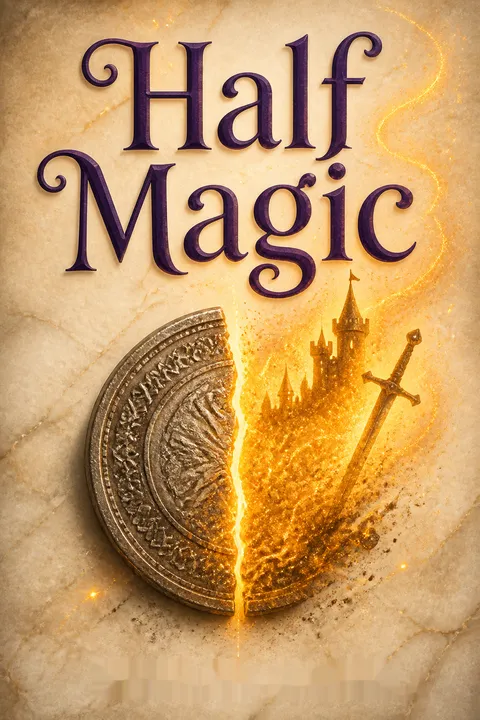
The Half-Magic Coin
The central device is the magical coin, which grants only half of whatever is wished for. This twist on the classic wish-granting trope creates both humor and tension, as the children must learn to double their wishes or face unintended consequences. The coin's limitations force the siblings to think carefully, collaborate, and accept responsibility for their actions. Its unpredictable magic serves as a metaphor for the unpredictability of life and the dangers of unchecked desire. The coin also acts as a catalyst for character growth, pushing each child to confront their fears, flaws, and hopes.
Episodic Adventure Structure
The narrative unfolds in a series of loosely connected episodes, each centered on a wish gone wrong. This structure allows for a variety of settings—deserts, medieval England, city streets—and a range of tones, from comic to poignant. The episodic format mirrors the children's emotional journey, with each adventure teaching a new lesson about magic, family, and self-discovery.
Foreshadowing and Recurrence
Early references to E. Nesbit's books and the children's longing for magic foreshadow the arrival of the coin. Recurring motifs—such as the importance of careful wishing, the unpredictability of magic, and the longing for belonging—create cohesion and depth. The coin's eventual loss and rediscovery by another child suggest the cyclical nature of magic and the universality of hope.
Metafictional Awareness
The children's awareness of literary tropes and their debates about the ethics of wishing add a layer of self-reflection. The book playfully acknowledges its own genre, inviting readers to question the nature of magic, storytelling, and the boundary between fantasy and reality.
Tales of Magic Series
Download PDF
Download EPUB
.epub digital book format is ideal for reading ebooks on phones, tablets, and e-readers.








































