


Plot Summary
Prologue
Two years before the story, Shane2 lies bleeding on a sidewalk outside a convenience store, barely conscious. The woman who promised forever1 has drained his family accounts and vanished, leaving him with nothing. His father's abuse escalated after the financial ruin, his scholarship evaporated, and now he survives on drugs, alcohol, and the occasional kindness of friends who scrape him off the pavement.
Passersby pretend not to see him. In his haze, he still searches crowds for her face, knowing she does not exist anywhere he can reach. He wants to die. The ghost of the woman he loved online as a boy has hollowed him out completely.
The prologue opens with emotional devastation made physical. Shane's body, broken and discarded on concrete, mirrors his internal state: a man who has been used and thrown away. The woman who betrayed him is never named here, preserving the mystery that will drive the narrative. What makes the opening effective is its inversion of power. Shane, who will spend the novel as a terrifying, violent force, begins as a victim, eliciting something close to pity. His searching for her face in every crowd foreshadows the obsessive loop that will define his relationship with Montana: he cannot stop looking for her, even when finding her means destroying them both.
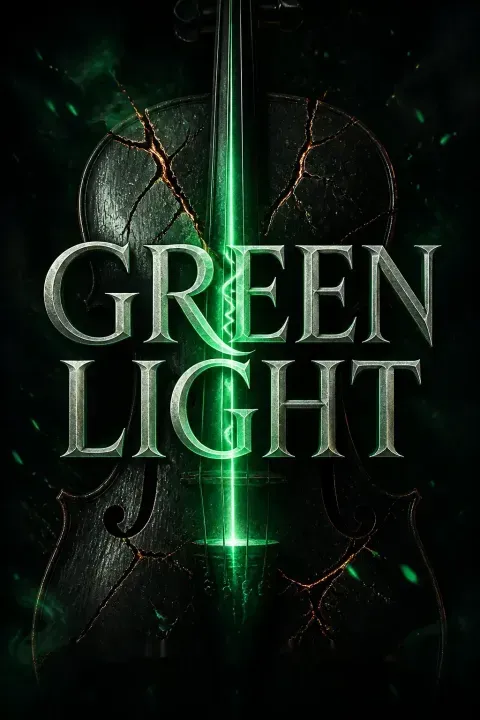
Green Light
Montana Rowe, 18, arrives at a sparse office to audition for adult film work, hoping to earn quick money. Her contact is not the older Vince she expected but a young, tattooed man named Croix.2 His stare holds something beyond professional scrutiny, a flicker of recognition she cannot place. He demands she verbalize the phrase 'green light' for consent, then films every inch of her body before commanding her to her knees.
The sex is intense and unnervingly personal; he praises her skill while his jaw tightens with suppressed rage and his hands tremble. Montana1 leaves believing she performed well. She does not know the audition was staged, the promised payment will never arrive, and Croix2 is about to become her stepbrother.
The audition scene functions as a distorted mirror of their past online relationship. The 'green light' consent ritual, which should empower, becomes a tool of control that reverses the dynamic where Montana once held power over him through a screen. Shane's shifting behavior (professional, then tender, then rough) reveals a man at war with himself, torn between lingering desire and the need for retribution. The scene establishes the central paradox of their relationship: every intimate act is simultaneously an act of violence and a confession of unresolved love.
Welcome Home, Gutter Rat
Montana's father Phil,9 remarried to Kathy Sinclair,10 arranges for Montana1 to live with Kathy's10 son Shane Delacroix2 and his two roommates. When she arrives at the dilapidated house, the man leaning in the doorway is Croix2 from the audition. Phil,9 oblivious, introduces them as step-siblings and departs.
Alone, Shane2 shoves Montana1 against the kitchen wall, covers her mouth, and reveals he knows everything. She is vEn0mX, the cam girl who drained his family accounts years ago and ghosted him, triggering his father's worst violence and his own descent into addiction. He has their sex tape and intends to use it as leverage. She will earn back his money, or he will destroy every part of her new life.
This turning point transforms the story from a chance encounter into a calculated revenge narrative. Shane's immediate physical intimidation establishes the violent undercurrent of their dynamic, but his trembling hand and the raw pain in his accusations reveal the wounded boy beneath the monster. Montana's shock is genuine: for all her manipulation of men, she never anticipated becoming prey in someone else's trap. The step-sibling relationship adds a layer of forced proximity and taboo that neither can escape.
Blood on the Tablecloth
At a tense family dinner with Phil9 and Kathy,10 Shane2 torments Montana1 beneath the table, sliding his hand up her thigh while making innuendos about the new applicant he is interviewing. Montana,1 seething, asks pointed questions about his arrest record and the calculus teacher he nearly killed by stabbing him repeatedly in the neck with a pencil.
When Shane's2 fingers reach her panties, she grabs her butter knife and drags the blade across his forearm, drawing blood that soaks into his pants and the white tablecloth. Phil9 explodes at Montana,1 demanding she respect Kathy's10 household. Shane2 bleeds and smiles. Montana1 walks out into the night, riding city buses alone, recognizing there is no sanctuary for her anywhere.
The dinner scene crystallizes the generational abandonment at the heart of Montana's psychology. Phil's reflexive defense of his new wife's son over his own daughter confirms that Montana has never had a protector. Her violence with the knife is not just retaliation against Shane but against every adult who failed her. Shane's smile through the blood signals his perverse admiration: she fights back, and that makes her worthy of his obsession. The bus rides that follow become her ritual of escape throughout the novel, the only place she can be alone with her ghosts.
Music and Humiliation
After stealing Montana's1 music folder, Shane2 offers its return on one condition. In his bedroom, he has arranged lights, a camera, and a chair fitted with a flesh-toned silicone dildo. He demands she strip, attach nipple and clit clamps, straddle the chair, and play her cello for the camera.
Desperate to practice for her orchestra audition, Montana1 complies, sinking onto the toy and performing with agonizing precision while the clamps tug at her flesh with every bow stroke. Shane2 watches, aroused and tormented, as her talent transforms degradation into something hauntingly beautiful. He later sends the video to the entire rugby team, including her boyfriend Wesley,3 ensuring her carefully constructed new life begins to publicly crumble.
This scene is the most explicit fusion of Shane's two obsessions: Montana as musical prodigy and Montana as sexual object. By forcing her to combine both on camera, he attempts to reduce her greatest achievement to just another pornographic performance. Yet Montana's defiant competence undermines his goal; she cannot be entirely degraded because her talent transcends the humiliating context. Shane recognizes this and it infuriates him, because it means the woman he fell in love with online was never entirely a lie.
The Mask in the Dark
Montana1 slips into a dark bedroom at a rugby house party, expecting Wesley3 after using a black hair tie signal on the doorknob. Shane,2 having stolen Wesley's3 phone and intercepted the text, enters wearing a bike mask. He wraps a cord around her neck, gags her with her own panties, and takes her from behind with punishing, possessive force, deliberately denying her climax twice.
When he finally reveals his face, Montana's1 horror mingles with involuntary arousal. He finishes inside her and whispers that she will never be allowed to forget him. Later, downstairs, she watches him kiss another woman with a passion he has never shown her, and a jealousy she cannot name claws at her chest.
The masked encounter dramatizes the central conflict of consent and recognition in their relationship. Montana's body responds even as her mind revolts, revealing a truth she has suppressed: her attraction to Shane exists independently of her will. His denial of her orgasm is the ultimate power play, a sadistic assertion that pleasure will only be granted on his terms. Seeing him kiss another woman afterward introduces a new element: Montana's possessiveness. The boundaries between hatred and desire have fully collapsed.
Cello Ashes, Alley Rescue
Shane2 throws a bonfire party and burns Montana's1 cello, the instrument representing her new identity and her secret mission to find Gabriella Marxon's12 killer. Devastated, she flees into a rainstorm. Three men corner her in an alley, groping her and preparing to rape her. Shane,2 who followed, watches for a suspended, agonizing moment before attacking them with a car rim, beating two unconscious as the third flees.
In the rain-soaked aftermath, he confesses: he is K1ngK0br@, the online lover she abandoned years ago. He emptied his family accounts for her, endured escalated beatings from his father, and spiraled into drugs after she vanished. Montana1 finally understands his hatred was born from love that had nowhere to go.
This is the pivotal revelation that recontextualizes everything. Shane's destruction of the cello is not random cruelty but symbolic: he is destroying the path she chose that did not include him. His momentary hesitation before rescuing her from the alley reveals the war within him between the monster he became and the boy who loved her. The rain-soaked confession is the first moment of honesty between them, stripping away layers of deception. Montana's stunned silence suggests guilt and the beginnings of understanding that she created this version of him.
The Macrae Mansion Ritual
Shane2 brings Montana1 to the abandoned Macrae Mansion, where Josiah's6 sister Gabriella12 was tortured and murdered by a serial killer. He ties Montana1 to the blood-stained chair with zip ties and a belt around her neck, then narrates the killer's actions while touching her: how he removed her teeth with pliers, sliced off her breasts, sodomized her with a broom handle, and violated her corpse.
Montana,1 terrified and unwillingly aroused, notices the painting 'The Isle of the Dead' on the torn wall canvas, identical to one in Conductor Hopkins's4 home.
The line between erotic ritual and confession blurs. Montana1 realizes Shane2 is showing her the darkness she created in him while inadvertently confirming her suspicions about who the real killer might be.
This scene is the book's most disturbing fusion of sex, violence, and revelation. By reenacting Gabriella's murder on Montana's body, Shane externalizes his internal state: he is the monster she made, capable of the same brutality as the killer who haunts this town. Yet his careful narration, stopping short of actual harm, suggests he is still performing, still testing boundaries. Montana's simultaneous terror and arousal reveal how thoroughly her own trauma has wired her to conflate danger with intimacy. The painting's presence connects the personal revenge plot to the larger mystery she is pursuing.
Sleeping Prey
An anonymous text sends Montana1 to CyprusX, the dark web platform where she once performed as vEn0mX. There she finds multiple videos of herself sleeping while Shane2 kneels over her body, masturbating against her unconscious form, finishing on her stomach, and uploading the footage under her old username.
He has been slipping sleep aids into her drinks nightly and earning thousands in royalties from her dormant fanbase. Enraged, Montana1 grabs his gun from his nightstand and nearly shoots open a padlocked wooden box hidden under his bed before Wheeter7 intervenes. The confrontation is interrupted when Shane2 bursts in, frantic: Rocco,11 his Doberman, has vanished. The box, and whatever secrets it contains, remains locked.
The sleep videos represent Shane's ultimate violation of consent, yet they also reveal a pathetic truth: he cannot fully possess her while she is awake and resistant. The drugging and filming are his way of having her without her agency, a fantasy of ownership that real intimacy denies him. Montana's rage is justified, but the interruption by Rocco's disappearance forces a prioritization of loyalty over vengeance. The moment foreshadows their eventual alliance against external threats and tests whether her anger can coexist with her growing attachment.
Dog's Teeth, Girl's Gun
Wesley3 and his teammates, seeking retaliation for Shane's2 provocations, have kidnapped Rocco,11 hanged him by the neck from a tree limb, and pulled several teeth with pliers. Montana,1 riding with Alek5 to the rugby house, finds Rocco11 barely alive and bleeding in the backyard. She draws Shane's2 gun, forces Wesley's3 accomplice to cut the dog down at gunpoint, and fires at Wesley's3 feet when he tries to justify the torture as a lesson in social conduct.
Alek5 helps carry Rocco11 to his SUV. Shane,2 Josiah,6 and Wheeter7 arrive moments later; a gunfight erupts in the basement and Wheeter7 takes a bullet graze to his thigh. Seeing Montana1 protect his dog fundamentally alters how Shane2 sees her. His gratitude cracks something open between them.
This crisis serves as a crucible that transforms the dynamic between Montana and Shane. Her willingness to risk herself for Rocco (a dog she claimed to hate) demonstrates a capacity for loyalty and courage that contradicts Shane's image of her as purely selfish. The violence against the dog, perpetrated by the 'respectable' Wesley, inverts the moral hierarchy: the monster Shane appears more humane than the golden boy. Montana stepping into the protector role destabilizes their predator-prey dynamic and creates space for genuine partnership.
Burning New Scars
In the aftermath of the rescue, Montana1 and Shane2 finally confront their tangled history with honesty. She asks about the circular scars on his arms, and he admits most came from his own hand during drug binges after she left. Montana1 takes his lighter and a cigarette and burns new marks over his father's old ones, each searing accompanied by a declaration: for the sex tape, for the public humiliation, for framing her mother, for making her fall for the monster she created.2
Shane,2 tied to the bed, endures willingly, his body her canvas. When she unties him, they confess that what exists between them is love, not just obsession or revenge. He tells her he will not survive losing her again. She promises she will stay.
The scar-burning ritual is the consummation of their relationship on equal terms. Montana is not submitting but actively participating in Shane's healing by inscribing herself into his flesh, literally overwriting the physical record of his suffering with her own presence. The act is both violent and tender, mirroring their entire dynamic. When Shane admits he cannot survive losing her again, he surrenders the last weapon in his arsenal: his emotional invulnerability. They have finally found a mutual language for their love, and it speaks in pain and permanence.
The Wrong Man
Montana1 meets Conductor Hopkins4 after hours, prepared to trade her body for evidence linking him to Gabriella's12 murder. Instead, the conductor offers her a replacement cello simply in exchange for honest insight into Wesley's3 dangerous behavior. He is kindly, paternal, and visibly scandalized when she misreads his intentions and kneels before him.
Montana1 realizes with sickening clarity that she spent years pursuing the wrong suspect. Hopkins4 is not the killer. All her sacrifices, the cello obsession, the relationship with Wesley,3 the infiltration of the orchestra, were built on a false premise. She leaves the meeting hollowed and directionless, unsure who the real murderer is or whether justice was ever within reach.
This is Montana's crisis of faith. Her entire identity and mission have been constructed around a false premise. The moment reveals both her courage (she was willing to trade her body for justice) and her blindness (she projected guilt onto the most convenient suspect). Hopkins's unexpected decency destabilizes her black-and-white worldview: not all powerful men are predators. The question becomes not just who the real killer is, but whether Montana can reconstruct her sense of purpose when the foundation crumbles. The answer will come violently and soon.
The True Face of Evil
Before the concert, Alek5 finds Montana1 alone in a practice room. His charm evaporates as he presents her with a cheap emerald necklace, mocking her as a broke whore who thought her talent alone earned her orchestra seat.
He confesses he killed Gabriella12 and other women, framing a homeless man for the crimes. Conductor Hopkins4 was his unwitting camouflage. He manipulated the retirement of the previous cellist to create an opening, knowing Montana1 would pursue it, and fed her false clues pointing toward Hopkins.4
Alek5 lunges, punching her face and strangling her against the chalkboard. Montana,1 vision fading, claws at his arms. Her fingers find the tiny guitar-shaped keychain blade that her online best friend Markie2 once mailed her. She stabs it into Alek's5 neck.
Alek's reveal recontextualizes every interaction they have had. His kindness was reconnaissance; his marriage and career were camouflage; his cultivated charm was the lure. The cheap necklace encapsulates his view of women as disposable objects to be purchased and discarded. His motive is chillingly simple: he graduated from watching women perform online to killing them in person for a more interactive experience. Montana's shock is compounded by the realization that she befriended, confided in, and was mentored by the very monster she was hunting. The keychain from Markie becomes the unexpected instrument of her survival.
Markie's Secret
Shane,2 having crashed his motorcycle while racing to the Institute after realizing Alek5 was the killer, bursts into the room to find Alek5 bleeding from the neck and Montana1 near unconsciousness. She asks how he found her. He admits he received her text because he is Markie.2
For years, the best friend she confided every secret to, the one who sent the life-saving keychain, the one who knew about every boyfriend, every fear, every step of her investigation, was Shane2 in disguise. He created the Markie2 persona after she ghosted him, needing any access to her he could get, and sustained the lie for years. Together, they finish Alek,5 nailing his body to a chair and carving 'Killer of Gabby Marxon12 'into his chest. Justice, finally, is hers.
The Markie revelation is the book's final and most profound deception. Shane did not just seek revenge; he systematically inserted himself into every corner of Montana's life, becoming the one person she trusted while hiding in plain sight. The keychain, his gift as Markie, becomes the instrument of her salvation, closing the loop of their twisted history. Montana's acceptance of this ultimate betrayal signals that she has chosen their toxic, all-consuming bond over any pretense of normalcy. Their joint killing of Alek is the consummation of their partnership: two damaged people finding redemption through shared violence in service of justice.
Blood on the Stage
Montana1 walks onto the concert stage in her black satin gown, face bruised and swollen, hands caked with dried blood, and a gash bleeding through the slit in her dress. Conductor Hopkins,4 aghast but silent, raises his baton. She plays with transcendent fury, her cello wailing through every movement and channeling Gabriella's12 memory into each stroke of the bow.
As the final notes of 'The Isle of the Dead' fade, the audience finally registers her blood-spattered appearance. Screams erupt. People trample over seats to escape. In the chaos, Montana1 locks eyes with Shane,2 who stands at the back of the auditorium, also covered in blood, watching her with fierce, possessive pride. They have done this together and will never be separate again.
The concert scene is Montana's ultimate transformation. She does not hide the evidence of violence; she wears it as a badge of honor, finally flaunting her dirt as she once wished people would. The performance of 'The Isle of the Dead' becomes a literal funeral rite for Gabriella and a public unmasking of the rot beneath the orchestra's refined surface. Shane watching from the audience, equally bloodied, establishes them as a unit: two outcasts who have carved their own justice from a system that failed. The fleeing audience represents the world that cannot look at what they have done, but also cannot undo it.
Epilogue
Three years later, Shane2 has traded his buzz cut for dark curls and his addictions for a quiet life in a remote cabin with Montana1 and Rocco.11 Josiah6 and Wheeter7 have moved in together, finally acknowledging their love. Wesley3 was expelled after a rape accusation.
Alek's5 body was discovered and linked to multiple homicides, posthumously confirming his guilt. Richard Sheldon, the homeless man framed for Gabriella's12 murder, was released and compensated. Montana,1 no longer a cellist, has become a top-ranked gamer on Vicon Cross, secretly demolishing Shane's2 records while he sleeps.
One afternoon, he discovers her on the couch, controller in hand, having just defeated his ranking. He pulls her onto his lap, and they begin again: the endless, toxic, consuming loop they call love.
The epilogue offers a vision of earned peace that never sacrifices the edge defining this couple. Shane's physical transformation signals his internal healing, yet his possessiveness remains undimmed. Montana's transition from cellist to gamer is thematically perfect: she has exchanged one form of virtuosic performance for another, but now she competes directly with Shane rather than against the ghosts of her past. Their life is not normal but it is stable. The final image of her defeating him at his own game, then being pulled into his lap, encapsulates their dynamic: perpetual competition, perpetual surrender, perpetual desire. The outside world has moved on, but they remain in their private loop, finally safe from everyone but each other.
Analysis
Green Light operates at the intersection of dark romance and vigilante thriller, using the conventions of both genres to explore a single, uncomfortable question: can two people who have destroyed each other build something real from the wreckage? The answer the novel offers is a qualified yes, provided both parties accept that their love will never look like anyone else's.
Shane2 and Montana1 are not redeemable in any conventional sense. He drugs her, films her without consent, burns her possessions, and orchestrates public humiliation. She drained his family's finances, abandoned him without explanation, and has spent years using men as disposable tools. Yet the novel insists, with unnerving conviction, that their mutual recognition is the only authentic connection either has ever experienced. They see each other's worst selves and choose to stay. That is the book's dark thesis: to be truly seen, in all one's damage and depravity, is rarer and more valuable than being loved for a curated performance of goodness.
The murder mystery subplot provides a moral framework that partially legitimizes their violence. Alek5 is a monster the system failed to catch; by killing him, Montana1 and Shane2 are not just saving themselves but delivering justice for Gabriella12 and other victims. The novel carefully distinguishes between their toxic but consensual dynamic and Alek's5 predation, even as it blurs the line elsewhere. Shane's2 worst acts, troubling as they are, exist within an emotional context that Alek's5 crimes lack: he hurts Montana1 because she hurt him first, not because he views women as objects for disposal.
The epilogue's domestic tranquility is deliberately unsettling. Readers must sit with the knowledge that this happy ending was purchased with blood, lies, and years of mutual torment. The novel does not apologize for its characters or ask forgiveness on their behalf. It simply presents them, in their cabin in the woods, finally at peace, and trusts the reader to decide whether they deserve it.
Review Summary
Green Light by Jescie Hall is a divisive dark romance novel featuring step-siblings Shane and Montana. Readers praise its intense plot, twisted characters, and steamy scenes, while others criticize its toxicity and excessive bullying. The book explores themes of revenge, obsession, and trauma bonding. Many readers found it addictive and unpredictable, with unexpected twists. However, some felt it was too long, repetitive, or morally challenging. Overall, it's a polarizing read that appeals to fans of dark, taboo romances but may not suit everyone's tastes.
People Also Read
Characters
Montana Rowe
Cam girl turned cellist seeking justiceAn 18-year-old survivor of childhood neglect and sexual abuse who learned to weaponize her sexuality online as vEn0mX, a faceless cam performer. After her mother's arrest and her online friend Gabriella's12 murder, Montana reinvented herself, mastering the cello in under two years to infiltrate the Montgomery Fine Orchestra. Her goal was to get close to the man she believed killed Gabriella12. Beneath her cold, manipulative exterior lies a desperate need for love she has never received. She is fiercely intelligent, sexually confident, and morally flexible, using men as tools for survival and advancement. Her relationship with Shane2 forces her to confront the human cost of her deceptions and the possibility that vulnerability is not synonymous with weakness.
Shane Delacroix
Vengeful stepbrother with a double lifeA 21-year-old former scholarship student turned violent addict after the online lover he worshipped drained his family's finances and vanished. Beneath his tattoos, piercings, and hair-trigger temper lies a man who has never recovered from being discarded. He works as a software developer by day while dealing drugs and uploading pornographic content by night. His mother Kathy10 married Montana's1 father Phil9, making Montana1 his stepsister and giving him the opportunity for retribution he has craved for years. Despite his rage, his obsession with Montana1 is indistinguishable from love; he cannot destroy her without destroying himself. His loyalty to his two roommates, Josiah6 and Wheeter7, and his dog Rocco11 reveals a capacity for fierce protection that contradicts his monstrous self-image.
Wesley Hopkins
Entitled boyfriend and rugby captainThe wealthy, handsome son of Conductor Hopkins4 and Montana's1 boyfriend of seven months. Wesley is a campus golden boy accustomed to getting what he wants without effort. He views Montana1 as a possession and is quick to call her a whore when a sex tape surfaces, revealing the fragility of his respect. His cruelty toward Rocco11 (hanging the dog and pulling its teeth) exposes a sadistic core beneath his polished exterior. Montana1 uses him for access to his father, and he never suspects her manipulation, too blinded by entitlement to imagine being a pawn in someone else's game.
Conductor Charles Hopkins
Orchestra leader and false suspectWesley's3 father and the respected conductor of the Montgomery Fine Orchestra. Montana1 spends years believing he is Gabriella's12 killer based on circumstantial evidence: his musical selections featuring 'The Isle of the Dead', his sabbatical timing, and his connection to the dark web. When she finally confronts him, he proves to be a decent, principled man concerned only with his son's welfare and her musical talent. His unexpected innocence forces Montana1 to confront the possibility that her entire mission was misguided.
Aleksander Romanski
Charming fellow cellist with hidden depthsA handsome, married 37-year-old cellist in the orchestra who takes a mentoring interest in Montana1. He is cultured, wealthy, and disarmingly kind, giving her rides home and taking her to dinner when her car breaks down. His wife is frequently absent on vacations funded by his musical career. Alek provides Montana1 with inside information about Conductor Hopkins4 that seems to support her suspicions, positioning himself as her ally and confidant. His polished exterior and genuine musical talent make him an unlikely suspect in any crime, which is precisely what makes him dangerous.
Josiah Marxon
Trauma-bound roommate and loyal friendCalled Sigh, he is one of Shane's2 two roommates. His older sister Gabriella12 was brutally murdered at the Macrae Mansion, a crime that shattered him and left him unable to form normal romantic attachments. He is a skilled hacker and tech expert who makes money fixing digital problems for campus clients. His sexual relationship with Wheeter7 blurs the line between physical release and emotional dependency, something Shane2 fears will destroy their friendship. Josiah is quiet, observant, and deeply protective of his chosen family while remaining haunted by the sister he could not save.
Cade Wheeter
Pink-haired dealer and loyal heartThe second roommate, recognizable by his magenta hair and irrepressible humor. Wheeter sells drugs to neighborhood clients, carrying his merchandise in a tackle box alongside his fishing pole. He is openly bisexual, into cosplay and furry culture, and harbors deepening feelings for Josiah6 that go beyond their casual sexual arrangement. Wheeter is the emotional center of the household, offering kindness to Montana1 even when Shane's2 cruelty is at its peak. He was once protected by Shane2, who attacked a teacher for humiliating Wheeter about his sexuality, cementing their brotherhood.
Lana
Shane's volatile on-again flingA tattoo artist with a blue streak in her black hair who has been Shane's2 casual partner for years. She is jealous of Montana1 instantly and provides tattoos for Shane2 in exchange for rough sex that borders on degrading. Her possessiveness masks insecurity; she knows Shane2 has never truly been hers. Her near-death encounter with Alek5 later in the story becomes a crucial clue that helps Shane2 identify the real killer.
Phil Rowe
Montana's neglectful fatherMontana's1 biological father who abandoned her and her drug-addicted mother, then remarried Kathy Sinclair10 and found religion. He arranged Montana's1 move to Montgomery and her living situation with Shane2, but consistently prioritizes his new wife's comfort over his daughter's wellbeing. His refusal to protect Montana1 or acknowledge her mother's humanity makes him a source of deep, unhealed wounding for his daughter.
Kathy Sinclair
Shane's self-absorbed motherShane's2 mother who married Phil9 after a whirlwind Vegas wedding. She remains willfully ignorant of her son's criminal activities and the abuse he suffered from his father, preferring to maintain a facade of suburban propriety. Her primary concern is appearances; she treats Montana1 with condescension masked as maternal interest and uses family dinners as props for her delusional performance of happy domesticity.
Rocco
Shane's fiercely loyal DobermanA large black Doberman with cropped ears who initially terrifies Montana1 but gradually wins her affection. Trained with German commands, Rocco is protective of his household and especially of Shane2, who rescued him. His brutal treatment at Wesley's3 hands (hanging and tooth extraction) becomes the catalyst that unites Montana1 and Shane2 against their common enemies. Rocco's quiet, unconditional loyalty provides a model of love that neither human character has experienced.
Gabriella Marxon
Murdered sister and online friendJosiah's6 older sister, murdered two years before the story begins in the infamous Macrae Mansion killing. Under the alias Ella Marx, she was a cam performer on CyprusX who mentored a younger Montana1 and confided disturbing details about a client who wanted increasingly violent content. Her murder was pinned on a homeless man, Richard Sheldon, who was innocent. Montana's1 entire mission is driven by her need to find Gabriella's real killer and deliver justice that the legal system denied.
Plot Devices
CyprusX
Dark web platform connecting all charactersA hidden corner of the internet where underage and young adult performers sell explicit content to paying clients. Montana1 began performing there as vEn0mX at 15 to support her drug-addicted mother, and it is where she met both K1ngK0br@ (Shane2) and Ella Marx (Gabriella12). The site's anonymity enables exploitation, obsession, and criminal behavior while also fostering genuine connection between isolated people. Years later, Shane2 uses the platform to upload videos of Montana1 without her knowledge, profiting from her dormant fanbase. The site represents both the trap of their past and the only space where they were ever truly honest with each other.
The sex tape
Leverage for blackmail and revengeThe recording of Montana's1 fake audition with Shane2, in which she performs oral sex and intercourse on camera while stating her real name and age. Shane2 holds this footage as blackmail, threatening to release it to ruin her new life with the orchestra and her relationship with Wesley3. He eventually does send out a solo performance video instead, which paradoxically brings Wesley3 and Montana1 closer when she lies and claims she made it for him. The tape symbolizes Shane's2 power over her public identity and the permanent record of their first physical encounter.
The cello
Instrument of infiltration and self-reinventionMontana1 learned to play the cello in under two years, an extraordinary feat driven by her need to join the Montgomery Fine Orchestra and get close to Conductor Hopkins4, whom she suspected of murder. The instrument symbolizes her new identity and her relentless drive. Shane2 burns her first cello, a devastating act that destroys her carefully constructed path. He later replaces it with an expensive Davide Pizzolato, purchased with royalties from the videos he made of her, an act that is both apology and reassertion of control. The cello is her voice: through it she expresses the grief and rage she cannot otherwise articulate.
The Isle of the Dead
Symbolic link between music and murderA symphonic poem by Rachmaninoff inspired by a painting of the same name, depicting a solitary boatman ferrying a coffin to a desolate island. Conductor Hopkins4 added the piece to his repertoire after a sabbatical, and Montana1 sees the painting both in Hopkins's4 home and at the Macrae Mansion crime scene. She interprets the recurring imagery as evidence of Hopkins's4 guilt. The piece becomes her obsession, the final song she performs at the concert while covered in Alek's5 blood. It represents death, mourning, and the journey of the soul, themes that resonate with both Gabriella's12 murder and Montana's1 own psychological odyssey.
The guitar keychain
Hidden blade that saves Montana's lifeA small metal keychain shaped like a Fender guitar, sent to Montana1 by her online best friend Markie2 with a note joking that she could use it if another teacher tried to exploit her. A thin two-inch blade slides out from the body of the guitar. Montana1 carries it always, even holding it to Shane's2 throat during a confrontation. In the climactic scene, when Alek5 is strangling her, she finds the keychain and stabs it into Alek's5 neck, severing an artery and saving her life. The keychain is the ultimate symbol of Shane's2 duplicity: his gift as Markie2, intended to protect her from predators, becomes the weapon that kills one, while also exposing that Markie2 was Shane2 all along.
FAQ
Synopsis & Basic Details
What is Green Light about?
- A Dark Tale of Trauma and Obsession: Green Light follows Montana, a young woman hardened by a traumatic past who uses her sexuality for survival and seeks justice for a murdered friend. Her path collides with Shane, a man equally damaged by addiction and betrayal, who becomes her stepbrother and holds a dangerous secret over her.
- Worlds Collide in a Twisted Reality: The story navigates their complex, volatile relationship, blurring lines between love, hate, power, and consent, set against a backdrop of hidden online lives, a prestigious music world, and the lingering shadow of a brutal crime.
- Seeking Justice and Self-Acceptance: As Montana infiltrates a seemingly respectable community to uncover the truth about her friend's death, she and Shane are forced to confront their own demons, betrayals, and the possibility of finding a unique connection forged in shared darkness.
Why should I read Green Light?
- Unflinching Look at Trauma's Impact: The novel offers a raw and intense exploration of how past abuse and neglect shape individuals, driving them to extreme measures for survival and control, providing a challenging but rewarding read.
- Complex and Morally Ambiguous Characters: Montana and Shane are deeply flawed protagonists whose motivations and actions constantly challenge reader judgment, offering a compelling study of human nature in the face of immense pain.
- Intriguing Mystery Woven with Psychological Thriller: Beyond the intense character dynamics, the underlying mystery of a past murder provides a strong plot engine, filled with red herrings and unexpected reveals that keep you guessing until the end.
What is the background of Green Light?
- Set in a Town Haunted by Violence: The story takes place in a town still reeling from the brutal, unsolved murder of Gabriella Marxon, a crime that deeply impacts several characters and serves as a catalyst for the plot.
- Exploration of Online Subcultures: A significant element involves the dark web site CyprusX, highlighting a hidden world where individuals engage in explicit activities, blurring the lines between anonymity, exploitation, and unexpected connection.
- Contrast of Social Strata: The narrative juxtaposes the gritty reality of characters from disadvantaged backgrounds with the seemingly polished world of a prestigious orchestra and affluent families, exposing hypocrisy and hidden darkness within both.
What are the most memorable quotes in Green Light?
- "At a woman's core, she knows—there's a distinct difference between being looked at and being seen.": This opening line from Montana's perspective immediately establishes her awareness of perception versus true vulnerability and her strategy of weaponizing being "looked at" to avoid being "seen."
- "Men and monsters are merely separated by mismanaged trauma.": Shane's chilling observation encapsulates a central theme of the book, suggesting that the capacity for monstrous acts is not inherent but a consequence of unaddressed psychological pain, justifying his own violent tendencies.
- "It's the slow decay of hope that kills the living, not the beasts subjecting us to their bite.": This quote, tattooed on Shane and later echoed by Montana, signifies their shared philosophy of survival: enduring pain is preferable to losing hope, even if that hope is twisted or rooted in revenge.
What writing style, narrative choices, and literary techniques does Jescie Hall use?
- Visceral and Explicit Prose: Hall employs a raw, sensory-driven style, particularly in depicting sexual and violent encounters, using explicit language and detailed physical descriptions to immerse the reader in the characters' intense experiences and psychological states.
- Alternating First-Person Perspectives: The narrative frequently shifts between Montana and Shane's first-person points of view, offering intimate access to their thoughts, motivations, and conflicting emotions, creating dramatic irony and highlighting their subjective realities.
- Symbolism and Motif Repetition: Recurring symbols like the "Green Light" (consent, surrender), the "Isle of the Dead" painting/music (death, transition, hidden darkness), scars (trauma, survival), and animalistic imagery (rats, wolves, pets) are woven throughout to deepen thematic resonance and character representation.
Hidden Details & Subtle Connections
What are some minor details that add significant meaning?
- Shane's Scars as a Visual Diary: Beyond the obvious knife wound, the text mentions cigarette burns on Shane's forearm ("the ones he gave me on those nights he forgot who he was, and the ones I gave myself every time I remembered"), revealing layers of abuse and self-harm tied to his father and Montana's absence.
- The Isle of the Dead Painting's Ubiquity: The painting appears not only in Conductor Hopkins' office and home but also at the Macrae Mansion crime scene, and the corresponding Rachmaninoff piece is central to the orchestra's repertoire, subtly linking Hopkins to the murder motif long before Alek is revealed as the killer.
- The Guitar Keychain's Dual Function: Montana's seemingly innocuous keychain from her online community is revealed to be a small switchblade, symbolizing her hidden capacity for violence and serving as the weapon she uses against Alek, connecting her online persona to her real-world actions.
What are some subtle foreshadowing and callbacks?
- Shane's Prologue as a Premonition: Shane's opening scene, waking up broken and bleeding on the street near shattered glass, foreshadows his continued self-destruction, the violence he will inflict and endure, and the literal shattering of lives and illusions throughout the book.
- Montana's Early Power Dynamics: Montana's initial thoughts about men being "weak around me, beneath me, inside of me" and her control over being "looked at" subtly foreshadow her ability to manipulate and dominate men, including Shane and Alek, using her sexuality as a tool.
- The "Pretty Girl" Nickname's Shifting Meaning: Initially used by Shane in a predatory context during the audition, the nickname is later used by Alek, creating a subtle link between the two men as potential threats or manipulators before Alek's true nature is revealed.
What are some unexpected character connections?
- Shane as Montana's Online Confidante (Markie): The most significant hidden connection is the reveal that Shane was Montana's best friend Markie online for years, explaining his intimate knowledge of her life, vulnerabilities, and plans, and serving as the ultimate betrayal and source of his leverage.
- Montana as Shane's Father's Mistress (Online): Montana's online persona, vEn0mX, was the "other woman" who lured Shane's abusive father away with false promises, inadvertently saving Shane from further abuse and creating a twisted foundation for their real-life connection and conflict.
- Montana as Ella Marx's Online Mentee: Montana's connection to the murder victim, Gabriella Marxon (Ella Marx online), as a mentor who taught her how to navigate the dark web site CyprusX, reveals the deep personal stake Montana has in seeking justice and explains her knowledge of Ella's secrets.
Who are the most significant supporting characters?
- Alek Romanski: Initially presented as a charming mentor and potential love interest, Alek is revealed to be the true antagonist and serial killer, his hidden sadism and connection to Gabriella's murder driving the central mystery and providing Montana with her ultimate target for revenge.
- Rocco: Shane's loyal dog serves as a symbol of unconditional love and innocence in a brutal world. His bond with Shane highlights Shane's capacity for tenderness, and Rocco's torture by Wesley becomes a catalyst for Shane's protective rage, solidifying his loyalty to those he cares about.
- Josiah and Wheeter: More than just housemates, they represent Shane's chosen family and a brotherhood forged in shared trauma. Their loyalty to Shane, despite his destructive behavior, and their own evolving relationship provide moments of genuine connection and highlight the complex bonds formed in difficult circumstances.
Psychological, Emotional, & Relational Analysis
What are some unspoken motivations of the characters?
- Montana's Need for Control: Beneath her quest for justice and survival, Montana is driven by a deep-seated need to reclaim control after experiencing powerlessness and abuse in her past, using her sexuality and manipulation as tools to assert dominance.
- Shane's Craving for Punishment: Shane's self-destructive behavior and willingness to endure pain (both self-inflicted and from others) stem from a subconscious belief that he deserves punishment, possibly for his perceived role in his father's abuse or his inability to save himself.
- Alek's Pursuit of "Emotion" through Violence: Alek's confession that "Sanity is so monotonous" and his need to "infuse some emotion" through violence suggests a psychopathic boredom with conventional life, seeking extreme experiences to feel alive, making his murders a twisted form of artistic expression.
What psychological complexities do the characters exhibit?
- Trauma Bonding and Repetition Compulsion: Montana and Shane are drawn to each other through their shared experiences of trauma and abuse, repeating patterns of control, submission, and volatile intensity that are both destructive and strangely comforting.
- Dissociation and Emotional Numbing: Both protagonists exhibit dissociation as a coping mechanism, detaching from their emotions and bodies during traumatic or overwhelming experiences (Montana during sex/auditions, Shane during violence/drug use), allowing them to survive but hindering genuine connection.
- Sadism and Masochism: The sexual dynamics between Shane and Montana often involve elements of sadism (inflicting pain/humiliation) and masochism (receiving pain/humiliation), reflecting their past traumas and their complex relationship with pleasure and control.
What are the major emotional turning points?
- Shane's Realization of Montana as vEn0mX: This reveal is a pivotal emotional shock for Shane, transforming his abstract online obsession into a concrete, infuriating reality, fueling his rage and setting the stage for their toxic real-life dynamic.
- Montana Witnessing Rocco's Torture: Seeing the innocent dog harmed triggers a powerful emotional response in Montana, shifting her focus from her own pain to protective rage and solidifying her resolve to act against Wesley and his friends.
- Shane's Confession of Love for "Venom": Shane's raw admission of his past love for Montana's online persona, even amidst his current hatred, is a moment of profound vulnerability that cracks Montana's emotional barriers and lays the groundwork for their potential reconciliation.
How do relationship dynamics evolve?
- Montana and Shane: From Online Fantasy to Real-World Torment to Trauma-Bonded Love: Their relationship transforms from an anonymous online connection built on shared vulnerability and fantasy into a volatile, manipulative real-life dynamic fueled by betrayal and revenge, eventually evolving into a complex love based on mutual understanding and acceptance of their shared darkness.
- Montana and Wesley: From Convenient Alliance to Disgusted Rejection: Their relationship is initially transactional for Montana, a means to an end. Wesley's possessiveness and eventual disgust upon seeing her video, followed by his cruelty towards Rocco, reveal his true character and lead to Montana's complete rejection of him and his world.
- Shane and His Father: From Abuser/Victim to Abandonment to Confrontation: Shane's relationship with his father is defined by abuse and abandonment. Their brief, violent confrontation late in the book highlights the lasting impact of the trauma and Shane's ultimate rejection of his father's attempt at connection.
Interpretation & Debate
Which parts of the story remain ambiguous or open-ended?
- The Long-Term Health of Shane and Montana's Relationship: While the ending shows them together, their relationship is explicitly built on shared trauma, manipulation, and violence. It remains ambiguous whether this foundation is sustainable for genuine healing or if their toxic patterns will ultimately consume them.
- The Full Extent of Shane's Past Trauma: While his father's abuse and Montana's "betrayal" are highlighted, the narrative hints at other dark periods ("drug-induced blackouts," "places I could find pain again") without fully detailing them, leaving some ambiguity about the complete picture of his psychological damage.
- The Future Consequences of Their Actions: The epilogue shows some immediate fallout (Alek's death, Wesley's ruin, Shane's father's separation), but the long-term legal or personal repercussions for Shane and Montana's vigilante actions and violent tendencies are left open.
What are some debatable, controversial scenes or moments in Green Light?
- The Non-Consensual Filming and Distribution of Montana's Audition: Shane secretly filming Montana and later distributing the video (even if only to Wesley's team initially) is a clear violation of her privacy and consent, sparking debate about the power dynamics and morality of his actions, even within the context of her profession.
- Shane Defiling Montana in Her Sleep: Shane's actions of rubbing himself against Montana and ejaculating on her while she is drugged and asleep are deeply disturbing and non-consensual, pushing the boundaries of what some readers may find acceptable, even within a dark romance context.
- Montana's Violent Revenge Against Alek: Montana's decision to torture and kill Alek, rather than turn him over to the authorities, presents a morally ambiguous climax, forcing readers to debate whether her actions constitute justified vigilantism or a descent into the same depravity as her abuser.
Green Light Ending Explained: How It Ends & What It Means
- Justice Served, Violently: The Green Light ending explained reveals that Montana discovers Alek Romanski is the true killer of Gabriella Marxon (Ella Marx online) and other victims. She confronts him at the Institute and, in a brutal fight, tortures and kills him using tools from his bag, avenging Ella and others while embracing her own capacity for violence.
- The Markie Reveal and Forged Connection: Shane is revealed to have been Montana's online best friend, Markie, for years, explaining his intimate knowledge of her life and his manipulative actions (including sending her to his own audition). This betrayal is shocking but ultimately solidifies their bond, as Montana accepts his deception as a twisted form of love and protection.
- Embracing Shared Darkness and a New Beginning: Montana and Shane fully accept each other's trauma, flaws, and violent tendencies, finding solace and a unique, intense love in their shared darkness. They reject conventional morality and societal expectations, choosing to build a life together on their own terms, forever marked by their pasts but united by their understanding of each other. The final scene shows them together, with Montana now challenging Shane in his own gaming world, symbolizing their continued dynamic of power, challenge, and mutual obsession.
About the Author

Download PDF
Download EPUB
.epub digital book format is ideal for reading ebooks on phones, tablets, and e-readers.








































