
Plot Summary
Family Portraits and Heirlooms
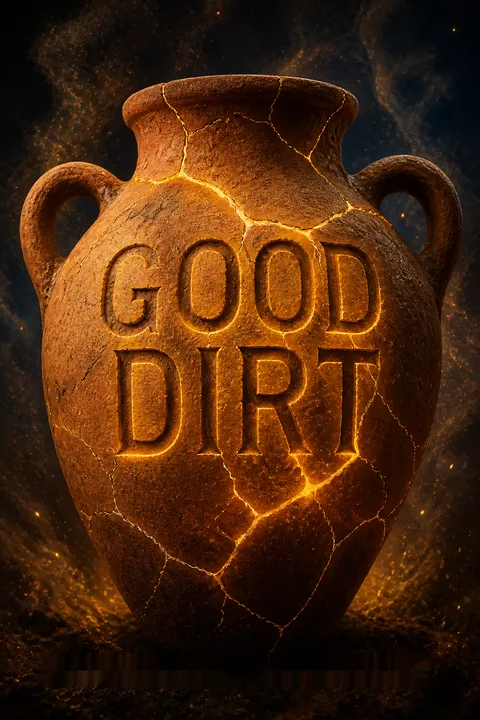
The Freeman family's life is marked by rituals and heirlooms, most notably an old stoneware jar called Old Mo, which is treated as a beloved member of the family. On a bright morning, Baz and Ebby, siblings, playfully dress up the jar for a family photo, their parents laughing in the background. The moment is filled with warmth, love, and the sense of belonging that comes from shared history and tradition. This memory, preserved in a photograph, becomes a touchstone for the family, a symbol of unity and the preciousness of ordinary happiness. Yet, beneath the laughter, there is an awareness that such moments are fleeting, and the objects we cherish carry the weight of our stories and our hopes for continuity.
Shattered Afternoon
In a quiet Connecticut town, the Freeman family's peace is violently disrupted when two masked men invade their home, seeking the valuable Old Mo jar. Baz, the teenage son, is shot and killed while trying to protect the family heirloom, and the jar is shattered in the chaos. Ebby, only ten, witnesses the tragedy and is forever marked by the trauma. The event sends shockwaves through the family and community, leaving behind grief, guilt, and unanswered questions. The loss of Baz and the destruction of the jar become twin wounds, fracturing the family's sense of safety and identity, and setting the stage for years of complicated mourning and the struggle to reclaim what was lost.
At Least, This
Years later, the Freemans gather for Ebby's wedding, hoping for a day of joy after so much loss. Ebby, now a poised young woman, plans to honor her brother by carrying his photograph down the aisle. But as guests assemble, the groom, Henry, fails to appear, and the ceremony is abruptly canceled. The family is left reeling, their hopes for healing dashed once more. Yet, in the midst of disappointment, Ebby's parents find solace in their daughter's resilience and the enduring bonds of family. The phrase "At least, this" becomes a mantra—a recognition that even in the face of heartbreak, there are moments and connections worth holding onto.
The Jar's Journey
Old Mo, the jar, is more than an object; it is a vessel of family history, crafted by an enslaved ancestor, Moses, and carried north during a daring escape to freedom. The jar's journey mirrors the family's own, from bondage to self-determination, from South Carolina to Massachusetts. Stories about the jar, passed down through generations, become a source of pride and identity, teaching the children about resilience, ingenuity, and the hidden worth of those underestimated by society. The jar's presence in the Freeman home is a daily reminder of survival, transformation, and the power of objects to connect past and present.
Ebby's Escape
Haunted by her brother's murder and the public's fascination with her tragedy, Ebby grows up under the shadow of loss and unwanted attention. After her failed wedding, she flees to France, seeking anonymity and a chance to reinvent herself. In a small riverside village, she finds temporary peace, working remotely and tending to a friend's guesthouse. Yet, even in this new setting, Ebby cannot fully escape her past. Nightmares, memories, and the persistent ache of grief follow her, as does the pressure to appear composed and successful. Her journey becomes one of seeking not just distance, but a way to live with her pain.
Guesthouse Encounters
Ebby's fragile sense of safety is upended when Henry, her ex-fiancé, arrives at the guesthouse with his new girlfriend, Avery. The encounter is awkward and painful, forcing Ebby to confront unresolved feelings and the unfinished business of their relationship. Meanwhile, Avery, observant and ambitious, navigates her own insecurities and ambitions, sizing up both Ebby and Henry. The guesthouse becomes a crucible where past wounds are reopened, new connections are tested, and the possibility of moving forward is both tantalizing and fraught.
Past and Present Collide
The narrative weaves together the Freemans' contemporary struggles with the stories of their ancestors—Kandia, Moses, Willis—whose lives were shaped by enslavement, resistance, and the search for freedom. The jar's creation, the trauma of separation, and the acts of courage and love that enabled survival are recounted alongside Ebby's own efforts to rebuild her life. The past is not distant; it is alive in the family's rituals, in the scars they bear, and in the choices they make. The collision of past and present reveals the enduring impact of history on identity and the necessity of remembering.
Clay and Bloodlines
The story of Moses, the enslaved potter, and his descendants is interwoven with the Freemans' modern narrative. Moses's artistry, his secret inscriptions, and his relationships—marked by love, loss, and violence—become foundational myths for the family. The jar, with its hidden message ("The Mind Cannot Be Chained"), is both a literal and symbolic link across generations. The act of shaping clay becomes a metaphor for shaping destiny, and the bloodlines that connect the Freemans to both African and Native American ancestors are sources of both pain and pride.
Love, Loss, and Legacy
Ebby's relationships—with Henry, with her parents, with new friends and lovers—are shaped by the legacies of trauma and resilience. The failed wedding, the miscarriage she keeps secret, and her tentative romance with Robert in France all reflect her struggle to trust, to risk vulnerability, and to claim happiness despite loss. Her parents, Ed and Soh, grapple with their own grief and guilt, questioning their choices and their ability to protect their children. The family's legacy is not just one of suffering, but of enduring love and the determination to pass on stories, values, and hope.
The Weight of History
The Freemans' prosperity and prominence as an African American family in New England are both a source of pride and a target for suspicion and violence. The narrative explores the burdens of representation, the microaggressions and exclusions they face, and the ways in which history—personal and collective—shapes their sense of self. The unresolved mystery of Baz's murder, the suspicion that the jar was the true target, and the family's silence about certain truths all weigh heavily. The process of reckoning involves not just uncovering facts, but confronting guilt, shame, and the limits of what can be known or changed.
Secrets and Confessions
As Ebby and her family begin to confront the secrets they have kept—from each other and from themselves—old wounds are reopened but also begin to heal. Ebby confesses to her father that she witnessed more of the crime than she admitted, and Ed reveals that he secretly saved and repaired the broken jar. Henry finally explains his reasons for abandoning Ebby, rooted in guilt and fear, and the family confronts the possibility that the crime was orchestrated by someone in their social circle. These confessions are painful but necessary steps toward reconciliation and understanding.
Rebuilding and Reconciliation
The repaired jar becomes a symbol of the family's efforts to piece themselves back together. Ed, Soh, and Ebby work to restore not just the object, but their relationships and their sense of purpose. They decide to share the jar's story with the wider community, transforming private pain into public education and commemoration. The process of rebuilding is both literal and emotional, requiring forgiveness, acceptance, and the willingness to embrace new possibilities. The family's homecomings—both physical and emotional—are marked by renewed connection and the recognition that healing is ongoing.
The Jar Restored
The Freemans donate Old Mo to a museum, where it becomes the centerpiece of an exhibit on African American history, craftsmanship, and resilience. Visitors are invited to touch the jar, to read its inscription, and to add their own stories to the collective memory. The exhibit is a triumph, drawing crowds and sparking conversations about race, history, and the meaning of inheritance. For the Freemans, the act of letting go of the jar is both a loss and a liberation, allowing them to honor their ancestors while making space for new beginnings.
Homecomings
Ebby returns to Connecticut, reconnecting with her parents, her old neighbors, and the places that shaped her. She and her father share long-overdue conversations about guilt, responsibility, and the impossibility of undoing the past. The family's homecomings are bittersweet, marked by the absence of Baz but also by the presence of love and the possibility of joy. Ebby's relationship with Robert deepens, and she begins to imagine a future that includes both remembrance and renewal.
The Mind Cannot Be Chained
The jar's inscription—"The Mind Cannot Be Chained"—becomes the guiding principle for the family and the exhibit. It encapsulates the lessons of survival, creativity, and defiance that have sustained the Freemans and their ancestors. The phrase resonates with visitors, who add their own interpretations and stories, creating a living legacy. The family's willingness to share their pain and their triumphs becomes an act of resistance against erasure and a testament to the enduring power of hope.
Legacy Unveiled
The public unveiling of the jar and the family's stories brings a sense of closure and celebration. The exhibit becomes a space for healing, dialogue, and the affirmation of shared humanity. Ebby, now more at peace with her past, embraces her role as a storyteller and custodian of memory. The family's legacy is no longer a private burden, but a gift to the community and the nation. The act of unveiling is both an ending and a beginning, opening the way for new stories to be told.
At Least, This
In the end, the Freemans accept that not all wounds can be healed, not all questions answered, and not all losses restored. Yet, they find meaning in what remains: love, memory, resilience, and the capacity to rebuild. The phrase "At least, this" echoes through their lives as a reminder to cherish what endures, to honor the past without being trapped by it, and to move forward with courage and hope. The story closes with the recognition that the mind, like the jar, can be broken and mended, and that legacy is not just what we inherit, but what we choose to create.
Analysis
A modern meditation on inheritance, trauma, and the power of storytellingGood Dirt is a sweeping, multi-generational novel that explores how families carry both the burdens and blessings of their histories. Through the lens of the Freeman family and their heirloom jar, Charmaine Wilkerson examines the ways in which trauma—personal and collective—shapes identity, relationships, and the stories we tell about ourselves. The novel is deeply attuned to the complexities of race, class, and belonging in America, highlighting both the progress and the persistent wounds of the past. At its core, Good Dirt is about the possibility of healing—not through forgetting or erasing pain, but through naming it, sharing it, and transforming it into something that can nourish others. The jar's inscription, "The Mind Cannot Be Chained," encapsulates the book's central message: that even in the face of violence, loss, and injustice, the human spirit can endure, adapt, and create meaning. The novel invites readers to consider what we inherit, what we choose to pass on, and how we might build a legacy of resilience, empathy, and hope.
Review Summary
Good Dirt receives mixed reviews averaging 3.98/5 stars. Many praise Wilkerson's elegant prose, emotional depth, and exploration of generational trauma, racism, and family legacy centered around a historic stoneware jar. Fans appreciate the multiple POVs, timeline shifts, and rich historical research. Critics cite excessive POVs causing confusion, underwhelming "secrets," reliance on miscommunication, and dragging historical sections. The contemporary storyline following Ebby Freeman resonates more strongly than the jar's history for some readers. Comparisons to Black Cake are frequent, with divided opinions on whether this sophomore effort surpasses or falls short of the debut.
People Also Read






Characters
Ebby (Ebony Freeman)
Ebby is the heart of the novel—a woman marked by childhood trauma, public scrutiny, and the burden of being the "surviving Freeman child." Her brother's murder and the destruction of the family heirloom define her early life, shaping her relationships and her sense of self. Intelligent, sensitive, and reserved, Ebby struggles with complicated grief, guilt, and the pressure to appear strong. Her failed wedding and subsequent escape to France are attempts to reclaim agency and privacy. Through new friendships, love, and the act of writing her family's stories, Ebby gradually moves toward healing, learning to accept both her pain and her capacity for joy. Her journey is one of integration—of past and present, loss and hope.
Ed Freeman
Ed is a loving, pragmatic father whose life is upended by the loss of his son and the suffering of his daughter. He is deeply connected to family history, seeing himself as a steward of both material and moral legacies. Ed's guilt over moving the family to Connecticut and his secret preservation of the broken jar reflect his desire to protect and restore. He is a man of action and structure, yet emotionally vulnerable, struggling to communicate his pain. His eventual openness with Ebby and Soh, and his role in restoring and donating the jar, mark his growth toward acceptance and reconciliation.
Soh Freeman
Soh is a formidable presence—intelligent, elegant, and fiercely protective of her family. Her response to tragedy is to maintain order, composure, and high standards, both for herself and for Ebby. She is haunted by the loss of Baz and the fear of losing Ebby, channeling her anxiety into vigilance and achievement. Soh's relationship with Ed is tested by grief and secrets, but her capacity for forgiveness and her commitment to family ultimately prevail. She embodies the tension between vulnerability and resilience, tradition and change.
Baz (Edward Basil Freeman)
Baz is remembered as a bright, loving, and playful presence, deeply bonded with Ebby and the family's traditions. His death is the central trauma of the novel, casting a long shadow over the Freemans' lives. Through memories, dreams, and the stories told about him, Baz remains a guiding spirit—an emblem of innocence lost and the enduring power of love. His legacy is felt in the rituals, the jar stories, and the family's determination to honor his memory.
Henry Pepper
Henry is Ebby's ex-fiancé, whose abandonment of her on their wedding day is both a personal and public blow. He is drawn to Ebby's depth and history but ultimately retreats from the complexities of her trauma and his own guilt. Henry's struggle to confront uncomfortable truths—about his family, privilege, and the possible involvement of his father's friend in the crime—mirrors the novel's themes of silence and complicity. His eventual efforts to make amends, including helping with the jar project, reflect growth, but his limitations as a partner are laid bare.
Avery Williams
Avery is Henry's new girlfriend, a young lawyer with her own insecurities and aspirations. She is both a rival and a mirror for Ebby, navigating issues of race, class, and self-worth. Avery's psychological insight and adaptability allow her to survive awkward situations, but she is also searching for authenticity and purpose. Her eventual decision to pursue her own path, rather than remain in Henry's shadow, marks her as a character of agency and evolving self-awareness.
Robert
Robert is a French widower who becomes Ebby's lover and, potentially, her partner. He is patient, kind, and attentive, offering Ebby a relationship free from the burdens of her past. His own experience of loss creates a bond of empathy and understanding. Robert represents the possibility of renewal, the courage to risk intimacy again, and the hope that love can be rebuilt on new foundations.
Moses
Moses is the craftsman who made Old Mo, inscribing it with a secret message of resistance. His life is marked by suffering, artistry, and acts of quiet defiance. Through his relationships—with Kandia, Flora, Betsey—and his mentorship of Willis, Moses embodies the transmission of skill, memory, and hope across generations. His story is a testament to the power of creativity and the unbreakable spirit of the oppressed.
Willis/Edward Freeman
Willis, later known as Edward Freeman, escapes slavery by stowing away on a ship, carrying the jar and his dreams of freedom. His journey is one of transformation—of identity, place, and purpose. As a painter, craftsman, and patriarch, Willis bridges the worlds of bondage and liberty, South and North, past and future. His choices and resilience set the course for the family's prosperity and values.
Kandia
Kandia is Moses's mother, a potter in West Africa who is kidnapped and enslaved. Her skills, spirit, and love are passed down through her son and, ultimately, to the Freemans. Kandia's story is one of loss, endurance, and the persistence of cultural memory. She represents the deep roots of the family's identity and the enduring influence of women's labor and wisdom.
Plot Devices
Interwoven Timelines and Generational Echoes
The novel employs a braided narrative, moving fluidly between contemporary events and historical episodes spanning from West Africa to the American South and New England. This structure allows the reader to see how trauma, resilience, and hope are transmitted across generations. The jar serves as a literal and symbolic anchor, connecting characters and themes. Foreshadowing is used to build suspense around the crime, the jar's fate, and the possibility of healing. The narrative's layering of voices and perspectives deepens the emotional resonance and underscores the interconnectedness of personal and collective histories.
The Heirloom as Symbol and Catalyst
Old Mo is more than a family artifact; it is a vessel of stories, a witness to suffering and survival, and a catalyst for action. Its destruction and eventual restoration mirror the family's own journey through trauma and healing. The jar's secret inscription—"The Mind Cannot Be Chained"—is both a message of resistance and a guiding principle for the characters. The process of sharing the jar's story with the public becomes an act of reclaiming agency and transforming private pain into communal meaning.
Silence, Secrets, and Confession
The novel explores the power of silence—what is withheld out of fear, shame, or protection. Characters keep secrets from each other and themselves, whether about the crime, their feelings, or their histories. The gradual revelation of these secrets—through confession, confrontation, and storytelling—drives the plot and enables reconciliation. The tension between silence and speech is a central motif, reflecting the broader societal reluctance to confront uncomfortable truths about race, violence, and inheritance.
Trauma and the Search for Healing
The psychological impact of violence and loss is explored through dreams, flashbacks, and the characters' struggles with anxiety, depression, and self-doubt. Therapy, writing, and ritual become means of processing trauma. The narrative does not offer easy resolutions but suggests that healing is possible through honesty, connection, and the willingness to embrace imperfection. The motif of rebuilding—whether of the jar, relationships, or self—underscores the resilience of the human spirit.
Community, Belonging, and Exclusion
The Freemans' status as a prosperous black family in a predominantly white enclave exposes them to both admiration and suspicion. The novel interrogates the limits of inclusion, the persistence of microaggressions, and the ways in which history shapes contemporary identities. The act of sharing the jar with the public becomes a statement about belonging, legacy, and the right to claim and tell one's own story.
Download PDF
Download EPUB
.epub digital book format is ideal for reading ebooks on phones, tablets, and e-readers.








































