
Plot Summary
Fugitives in the Breachlands
Wren Graven, Julian Knight, and Prince Leo are on the run, hunted by Wren's own father and his soldiers after upending his schemes. Their journey through the Breachlands is fraught with danger, exhaustion, and the ever-present threat of betrayal. Wren's powerful ghostsmith ring, which amplifies her magic, is both a weapon and a curse—capable of controlling the dead but also making her a target. The trio's trust is fragile, tested by past betrayals and the weight of secrets. As they evade capture, the Breachlands' haunted landscape mirrors their inner turmoil, and the lines between friend and foe blur, setting the stage for a story where survival depends on both cunning and the willingness to face one's own darkness.
Haunted Territory's Perilous Welcome
The group's only hope lies in reaching the Haunted Territory, where the living are less dangerous than the undead. Wren's magic offers a way through, but the path is blocked by her father's forces. Forced to detour, they seek help from Julian's contacts in Southbridge, a town wary of outsiders and rife with its own dangers. Disguises and quick thinking get them inside, but the past catches up: Julian is now a wanted man, accused of treason and kidnapping. The town's orphanage offers a brief refuge, but trust is scarce, and the threat of betrayal looms. The haunted lands ahead promise both peril and the possibility of answers, as Wren's connection to the dead grows ever more vital—and dangerous.
Wanted: Dead or Alive
Julian's face is plastered on wanted posters, and the group's presence in Southbridge is quickly discovered. The town's loyalty is tested as old friends become potential enemies, and the regent's reach extends even here. Julian's sense of self-worth is shaken as he's forced to confront the possibility that his people might turn against him for a reward. The trio's escape is narrow, aided by the kindness of a few and the quick wits of Leo. The emotional toll of being hunted, the pain of betrayal, and the fear of being remembered as a villain weigh heavily on Julian, setting the stage for a reckoning with his past and the choices that have led him here.
Sanctuary and Secrets
The group finds temporary sanctuary in the orphanage's cellar, where old wounds and new tensions simmer. Wren and Julian's relationship is strained by guilt and unspoken feelings, while Leo's optimism offers a rare moment of levity. The cramped quarters force intimacy, and the night is filled with restless dreams and unresolved conflict. When soldiers come searching, the group's escape is desperate and chaotic, relying on Leo's hidden talents and Julian's iron strength. The experience deepens their bonds but also exposes the fractures within, as trust is both given and withheld. The cost of survival is high, and the secrets they carry threaten to tear them apart.
Captured and Betrayed
The group is captured by the regent's forces, including former allies now turned adversaries. The townspeople's loyalty is divided, and the price of betrayal is paid in full. Julian's reputation is weaponized against him, and Leo's royal status offers little protection. The captors' plans are unclear, but it's evident that Wren's ghostsmith abilities are coveted by powerful enemies. The journey as prisoners is fraught with uncertainty, and the threat of execution hangs over Julian. Wren's resolve hardens as she realizes that her magic may be the key to both their salvation and their doom. The lines between captor and captive blur, and the true enemy remains shrouded in shadow.
Ghosts, Magic, and Motives
The captives are separated and questioned, their fates hanging in the balance. Wren's ghostsmith powers are both feared and desired, and her connection to the Corpse Queen becomes a focal point. The arrival of Hawke, Wren's long-lost twin brother and a powerful ghostsmith in his own right, complicates matters. Hawke's motives are ambiguous—he claims to want to help, but his loyalty to their mother, the Corpse Queen, is suspect. The siblings' reunion is fraught with mistrust, but necessity forces an uneasy alliance. The revelation that the iron revenant army can only be awakened by a ghostsmith of their blood sets the stage for a confrontation that will determine the fate of the living and the dead alike.
The Revenant Onslaught
As the regent's and the Corpse Queen's forces clash, the battlefield is overrun by revenants—undead soldiers animated by forbidden magic. Wren, Julian, and Leo seize the chaos to escape, aided by Hawke's knowledge of secret tunnels and ghostly familiars. The cost of freedom is high: friends are lost, and the group is forced to confront the true horror of the undead. Wren's powers are pushed to their limits as she commands and battles revenants, while Julian's iron magic becomes both shield and weapon. The group's flight through the haunted ruins of Laketown is a harrowing ordeal, and the realization that the iron revenant army is only the beginning of the Corpse Queen's plans drives them toward the heart of the Breach.
Sibling of Shadows
Hawke's true allegiance is revealed as he leads the group through the throughway—a network of tunnels built by ghostsmiths. The siblings' bond is tested by old wounds and new betrayals, as Hawke's connection to their mother threatens to undo everything they've fought for. Wren's ghostsmith abilities grow, and she learns to command her familiar, Willow, while Hawke's animal ghosts offer both companionship and strategic advantage. The journey underground is a crucible, forcing the group to confront their fears and the legacy of their blood. The revelation that the well of magic at the Breach's heart is built on the bones and souls of the dead sets the stage for a final, desperate gambit.
Laketown's Drowned Sorrows
The group's passage through the sunken city of Laketown is haunted by the memories of those lost in the Breach's first catastrophe. Mercy, a lone bonesmith survivor, offers aid and wisdom, teaching Wren and Hawke the true cost of undeath. The drowned dead are restless, and Wren's Vision—a rare ghostsmith ability—allows her to witness their final moments. The emotional toll is immense, and the group is forced to reckon with the pain and suffering that underpins the magic they wield. The journey is a reminder that the past is never truly buried, and that the living must bear witness to the dead if they are to find peace.
Throughway of the Dead
The throughway is both a physical and metaphorical journey, as Wren and Hawke delve deeper into the secrets of their heritage. The tunnels are lined with the bones of ghostsmiths, their spirits trapped in eternal servitude. Wren's Vision reveals the truth of the well's creation and the schism that divided the House of Bone and the House of Ghost. The siblings' bond is strengthened by shared purpose, but the weight of their ancestors' sins is heavy. The realization that the well can only be destroyed by sacrificing the souls bound within forces Wren to confront the limits of her power and the cost of victory.
The Well's Dark Heart
The group reaches the well, a reservoir of raw magic built on the bones and ghosts of the dead. The power is intoxicating, and the temptation to use it for personal gain is strong. Wren and Hawke must work together, amplifying each other's magic to reach the linchpins that bind the souls to the well. The process is agonizing, both physically and emotionally, as the siblings are forced to relive the memories and pain of the dead. The destruction of the well is a cataclysmic event, unleashing a flood of ghosts and severing the source of the iron revenant army's power. The cost is high, but the possibility of peace is finally within reach.
Confessions and Forgiveness
In the aftermath of the well's destruction, Wren and Julian confront their feelings for each other. Old grievances are aired, apologies are made, and forgiveness is granted. The trauma of betrayal and loss is acknowledged, but so too is the strength found in vulnerability and trust. The group's bonds are reforged, stronger for having been tested. Wren's acceptance of her ghostsmith heritage is mirrored by Julian's acceptance of his own scars, both physical and emotional. The promise of a future together—one built on honesty and mutual respect—offers hope in a world still haunted by the past.
Collapse and Survival
A cave-in separates the group, and Julian is buried alive, forced to confront his mortality and the legacy of his family. The experience is a crucible, stripping away pretense and leaving only the raw desire to live and to love. Wren's desperate search for Julian is a testament to her growth, as she refuses to give up on him or on herself. The group's eventual reunion is bittersweet, marked by relief and the knowledge that survival is never guaranteed. The collapse is both literal and symbolic, representing the breaking of old structures and the possibility of building something new from the rubble.
The Corpse Queen's Trap
The group is lured into a trap by the Corpse Queen, Wren and Hawke's mother, whose plans for resurrection and domination are finally revealed. The ritual to awaken the iron revenant army requires Wren's blood and magic, and the siblings are forced to choose between family and the greater good. The Corpse Queen's power is terrifying, her ability to possess and command the dead seemingly limitless. Wren's refusal to submit is an act of rebellion, but the cost is high: Julian is mortally wounded, and the group is scattered. The stage is set for a final confrontation, where love and loyalty are tested to their breaking point.
The Iron Army Marches
The iron revenant army, now awakened and commanded by the regent, marches on the Breachfort. The defenders are outnumbered and outmatched, forced to rely on ingenuity and courage to hold the line. Leo's quick thinking and diplomatic skills prove invaluable, while Inara and the bonesmiths use every trick at their disposal to slow the undead advance. The battle is brutal, and the cost in lives is high. Julian, resurrected by the well's magic, returns to the fight, wielding newfound power and determination. The fate of the Dominions hangs in the balance, and the outcome is anything but certain.
The Lich's Ritual
The Corpse Queen's true nature is revealed: she is a lich, an undead sorceress whose spirit can possess and command the dead at will. The ritual to bind Locke Graven's ghost to Vance's body is both horrifying and tragic, as the past is resurrected in service of a monstrous ambition. Wren and Hawke are forced to confront the legacy of their parents, and the realization that the cycle of violence and betrayal can only be broken by sacrifice. The ritual's aftermath leaves the siblings with a choice: perpetuate the sins of the past, or forge a new path for the living and the dead.
The Breaking of Bonds
Wren and Hawke, united in purpose, use their combined magic to remove the linchpins binding the Corpse Queen's spirit to her body and to the iron revenant army. The act is both liberation and destruction, freeing the souls trapped within and severing the Corpse Queen's hold on the world. The cost is immense, as the siblings are forced to confront the pain and loss that have defined their lives. The breaking of bonds is both an ending and a beginning, as the possibility of peace and reconciliation emerges from the ashes of war.
The Last Stand at the Wall
The Breachfort's defenders make their final stand against the iron revenant army, using every resource and ounce of courage they possess. Julian's return and the destruction of the scepter turn the tide, but victory is hard-won and bittersweet. The cost of survival is measured in sacrifice and loss, but also in the forging of new alliances and the promise of a better future. The wall, once a symbol of division and fear, becomes a testament to resilience and hope.
The Well's Undoing
Wren and Hawke descend to the well's heart, using their combined magic and the power of their amplifiers to remove the linchpins and release the souls trapped within. The act is both a reckoning and a redemption, as the siblings confront the legacy of their ancestors and choose to break the cycle of violence and servitude. The well's destruction is a cataclysmic event, but it is also an act of mercy, offering peace to the dead and a chance for the living to heal.
Peace for the Dead
With the well destroyed and the iron revenants defeated, Wren and Hawke dedicate themselves to reaping the remaining undead and offering peace to the souls trapped in the Breachlands. The process is slow and arduous, but it is also an act of love and atonement. The siblings' bond is strengthened by shared purpose, and the possibility of a new House of the Dead—one built on compassion and understanding—emerges. The living and the dead are finally given the chance to rest, and the world begins to heal.
New Dawn for the Living
The aftermath of war brings trials, reckonings, and the promise of renewal. Wren and Julian, united by love and shared purpose, look to the future with hope. Leo finds his place as a diplomat and bridge between worlds, while Hawke is welcomed into the House of Bone. The Breachlands, once a place of death and despair, become a symbol of resilience and the possibility of peace. The story ends not with an ending, but with a beginning—a new dawn for the living, and the promise that the mistakes of the past need not define the future.
Analysis
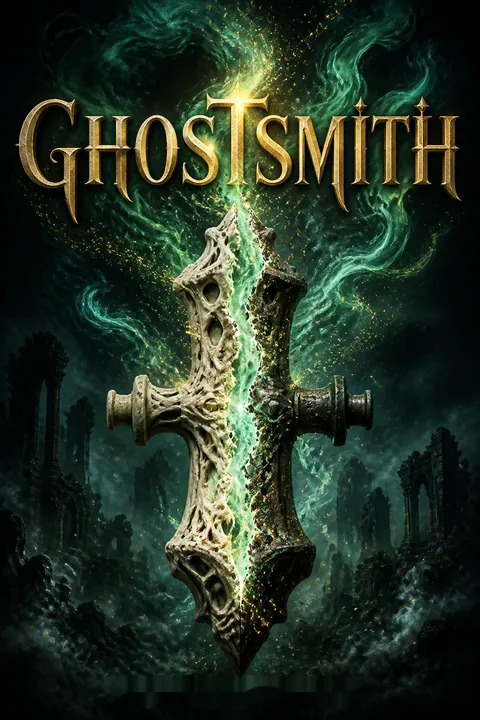
Ghostsmith is a sweeping, emotionally charged fantasy that interrogates the boundaries between life and death, power and mercy, legacy and self-determination. At its core, the novel is about breaking cycles—of violence, of servitude, of inherited trauma—and forging new paths through compassion, honesty, and the willingness to face uncomfortable truths. The story's magic system, built on the bones and ghosts of the past, is a potent metaphor for the ways in which history shapes the present, and the act of freeing the dead is both a literal and symbolic act of healing. The characters' journeys—from exile and betrayal to forgiveness and belonging—mirror the larger arc of the world itself, as the Breachlands move from a place of death and despair to one of hope and renewal. The novel's ultimate message is that peace is possible, but only if we are willing to confront the darkness within ourselves, honor the pain of the past, and choose mercy over vengeance. In a world haunted by ghosts, it is the living who must learn to let go.
Review Summary
Ghostsmith is the thrilling conclusion to the House of the Dead duology. Readers praise the unique world-building, magic system, and character development, particularly Wren's growth. The fast-paced plot and action scenes keep readers engaged, though some felt the villains lacked depth. While the romance takes a backseat, the found family dynamic shines. Overall, reviewers consider it a satisfying end to a memorable YA fantasy series, perfect for fans of spooky, bone-filled adventures. Most rate it 4-5 stars, recommending it for its originality and entertainment value.
People Also Read

Characters
Wren Graven
Wren is the fierce, stubborn, and deeply flawed protagonist whose journey is defined by her struggle to reconcile her bonesmith heritage with her newly awakened ghostsmith powers. Exiled and desperate for her father's approval, Wren's arc is one of self-discovery, as she learns that true strength lies not in power but in compassion and the willingness to face her own darkness. Her relationships—with Julian, Leo, and especially her twin brother Hawke—are fraught with betrayal, forgiveness, and the search for belonging. Wren's psychological complexity is rooted in her fear of becoming a monster, her longing for love, and her ultimate decision to break the cycle of violence that has defined her family for generations.
Julian Knight
Julian is the exiled heir to the House of Iron, haunted by the betrayal of his uncle and the loss of his family. His iron hand is both a symbol of strength and a reminder of past trauma, and his journey is one of reclaiming agency and self-worth. Julian's relationship with Wren is central to his development, as he learns to forgive, trust, and love again. His sense of duty and justice drives him to risk everything for the greater good, and his willingness to sacrifice himself for others is both his greatest strength and his deepest vulnerability. Julian's arc is one of redemption, as he moves from self-doubt to self-acceptance, and from isolation to connection.
Leo (Prince Leopold Valorian)
Leo is the third son of the king, often dismissed as a "spare's spare" but possessing a keen mind, a golden touch (literally, as a goldsmith), and a gift for diplomacy. His optimism and humor mask deep insecurities, and his arc is one of proving his worth—not to his family, but to himself. Leo's ability to see the best in others, to mediate conflict, and to find creative solutions makes him indispensable. His flirtatious nature and open heart bring levity and warmth, and his eventual embrace of a diplomatic role signals a new era of peace and cooperation.
Hawke
Hawke is Wren's long-lost brother, raised by the Corpse Queen and torn between loyalty to his mother and his own conscience. His mastery of ghostsmith magic is both a gift and a curse, and his arc is defined by the struggle to break free from manipulation and forge his own path. Hawke's relationship with Wren is central, as the siblings move from suspicion and betrayal to trust and partnership. His compassion for the undead and his desire to use his powers for good mark him as a bridge between worlds, and his willingness to atone for past wrongs is a testament to his growth.
The Corpse Queen (Ravenna)
Ravenna is the story's primary antagonist, a once-brilliant ghostsmith who becomes a lich—an immortal undead sorceress—driven by grief, ambition, and the desire to reclaim her lost house. Her ability to possess and command the dead makes her nearly unstoppable, but her humanity is eroded by centuries of pain and betrayal. Ravenna's relationship with her children is complex, marked by manipulation, conditional love, and the hope for a legacy. Her ultimate defeat is both a tragedy and a mercy, as she is finally allowed to rest.
Vance Graven
Wren's father is a master of schemes, driven by the need to surpass his brother Locke and restore the House of Bone's glory. His love for Wren is conditional, and his willingness to use her as a tool is a source of deep psychological trauma. Vance's arc is one of hubris and downfall, as his machinations ultimately lead to his own undoing. His inability to let go of the past and his obsession with power make him both a cautionary figure and a tragic one.
Mercy
Mercy is a lone bonesmith who survived the Laketown flood and has dedicated her life to reaping the undead and offering peace to the restless dead. Her wisdom, pragmatism, and compassion make her a mentor to Wren and Hawke, and her presence is a reminder that mercy—for both the living and the dead—is possible even in the darkest of times.
Inara Fell
Inara is Wren's former rival and eventual ally, a bonesmith valkyr whose intelligence and determination are matched only by her dry wit. Her arc is one of moving from competition to collaboration, and her support is instrumental in Wren's acceptance into the House of Bone. Inara's loyalty, strategic mind, and willingness to challenge authority make her a vital part of the new order.
Starling
Starling is Hawke's wet nurse and surrogate mother, a ghostsmith who represents the possibility of a different path for the exiled house. Her tragic death and subsequent reaping are a turning point for Hawke, forcing him to confront the cost of loyalty and the meaning of family. Starling's memories and sacrifice are a reminder that the past cannot be undone, but it can be honored.
Locke Graven
Locke is the legendary hero of the Iron Uprising, whose death and subsequent resurrection as a ghost are central to the story's themes of memory, legacy, and the cost of power. His spirit, manipulated by Ravenna and used as a pawn in her schemes, is ultimately freed by Wren and Hawke. Locke's arc is one of tragic heroism, as he is both a symbol of the past's glory and a warning against repeating its mistakes.
Plot Devices
Dual Magic and Amplifiers
The story's world is built on a complex system of magic, with different houses wielding power over bone, iron, gold, and ghosts. Amplifiers—objects made of the user's magical material—are used to enhance abilities, but they also serve as symbols of identity and inheritance. The duality of Wren's bonesmith and ghostsmith heritage is both a source of power and conflict, driving the plot and her character arc. The use of amplifiers as both tools and weapons is central to the story's exploration of agency, legacy, and the cost of power.
The Well and the Linchpins
The well at the heart of the Breach is both a literal and metaphorical source of power, created by binding the souls of the dead to their bones with linchpins. The well's magic is intoxicating but unstable, and its destruction is both a physical and spiritual act of liberation. The linchpins serve as a plot device to explore themes of bondage, servitude, and the possibility of release. The act of removing the linchpins—freeing the dead—mirrors the characters' own journeys toward freedom and self-acceptance.
Possession and Identity
The ability of ghostsmiths—and especially the Corpse Queen—to possess and command the dead raises questions about identity, agency, and the boundaries between self and other. The ritual to bind Locke's ghost to Vance's body is a chilling exploration of resurrection and the loss of autonomy. The story uses possession as a metaphor for the ways in which the past, family, and trauma can shape and control us, and the act of breaking free is both a personal and collective victory.
Vision and Memory
Wren's rare Vision ability allows her to witness the memories of the dead, offering both insight and empathy. This plot device is used to reveal hidden truths, resolve mysteries, and offer closure to the living and the dead. The act of bearing witness is central to the story's themes of reconciliation and healing, and the ability to see and honor the past is presented as a necessary step toward building a better future.
Narrative Structure and Foreshadowing
The story is structured around shifting alliances, betrayals, and revelations, with each character's arc mirroring the larger themes of the narrative. Foreshadowing is used to build tension and anticipation, as secrets are hinted at and gradually revealed. The use of parallel journeys—Wren and Hawke, Julian and Leo, the living and the dead—creates a sense of symmetry and inevitability, while also allowing for moments of surprise and catharsis.

Download PDF
Download EPUB
.epub digital book format is ideal for reading ebooks on phones, tablets, and e-readers.








































