
Plot Summary
1. Funeral Lies and Introductions
At Sam's funeral, Alison is thrust into the uncomfortable role of "the girlfriend," despite having been dumped by Sam weeks before his death. Her best friend Mara supports her through the awkwardness, but Alison is quickly swept into the family's grief and the expectations of Sam's friends. She meets Adam, Sam's gruff best friend, and is introduced to the complicated web of relationships and unspoken truths that surround Sam's life and death. The funeral is not just a goodbye to Sam, but the beginning of Alison's entanglement in a story of grief, identity, and the lies we tell to comfort others—and ourselves.
2. The Girlfriend Role
Pressed by Sam's sister Rachel, Alison reluctantly agrees to continue the charade of being Sam's girlfriend for the sake of his grieving parents. The family needs the comfort of believing Sam was "settling down," and Alison, ever the people-pleaser, can't bring herself to correct them. This decision sets off a chain of events that forces Alison to confront her own discomfort with conflict, her desire to be needed, and the emotional cost of pretending. The role is both a shield and a prison, as Alison navigates the expectations of Sam's family and friends, all while hiding her own complicated feelings about their breakup and his sudden death.
3. Packing Up the Past
Alison volunteers to help pack up Sam's apartment, a task that unexpectedly pairs her with Adam. Both are outsiders in their own ways—Alison as the ex-girlfriend, Adam as the distant best friend—and their initial interactions are stiff, awkward, and tinged with mutual suspicion. The process of sorting through Sam's belongings becomes a physical manifestation of their grief, as well as a battleground for their clashing personalities. Each item packed away is a reminder of the life Sam lived and the roles Alison and Adam played in it, forcing them to confront uncomfortable truths about themselves and each other.
4. Grief, Guilt, and Girl Scout Cookies
As Alison and Adam work through Sam's things, their conversations reveal layers of survivor's guilt and insecurity. Alison, a BRCA1 mutation carrier who underwent a preventative mastectomy, struggles with the feeling that she "cheated" death and must now live a life worthy of her second chance. Adam, meanwhile, is haunted by the distance that had grown between him and Sam before his death. Their banter over frozen Thin Mints and coffee becomes a way to process pain, and small acts of kindness begin to thaw the ice between them. The apartment becomes a crucible for their grief, guilt, and the tentative beginnings of friendship.
5. Awkward Partnerships
The weekends spent together in Sam's apartment force Alison and Adam into a reluctant partnership. Their differences—her anxious chatter, his gruff silence—create friction, but also moments of unexpected understanding. As they tackle repairs, share meals, and navigate the absurdities of estate logistics (including a snow emergency and a notary visit to a shirtless friend), their defenses begin to lower. The awkwardness of their situation—fake dating the dead, as Alison jokes—gives way to genuine moments of vulnerability, humor, and even attraction, though both are hesitant to acknowledge it.
6. Survivor's Guilt Unpacked
Alison's internal struggle with her BRCA diagnosis and preventative surgery is woven throughout her interactions and choices. She feels unworthy of her "cheat code" survival, believing she must live a bigger, braver life to justify her decision. This guilt drives her to overcommit, to people-please, and to chase experiences that don't fit her true self. Therapy sessions, conversations with her mother, and the physical reminders of her surgery (phantom nipples, numbness) all highlight the ongoing nature of survivor's guilt. Alison's journey is not just about grief for Sam, but about learning to accept herself—scars, limitations, and all.
7. The North Shore Grump
Adam, known as the "North Shore Grump," is initially defined by his reticence and bluntness. Beneath his gruff exterior, however, is a man deeply affected by loss, guilt, and the fear of moving forward. His passion for carpentry, his loyalty to family, and his acts of quiet care (like bringing Alison coffee or fixing Sam's apartment) reveal a tenderness he struggles to express. As he and Alison grow closer, Adam's emotional walls begin to crack, exposing his own insecurities about worthiness, ambition, and the possibility of happiness after loss.
8. Thin Mints and Thawing Hearts
The slow accumulation of small, thoughtful gestures—sharing cookies, swapping favorite mugs, helping each other through awkward moments—lays the groundwork for Alison and Adam's deepening connection. Their banter becomes more playful, their silences more comfortable, and their physical proximity more charged. The rituals of packing, eating, and even arguing become acts of intimacy, as both begin to see and appreciate the other's quirks and vulnerabilities. The apartment, once a site of grief, becomes a space where something new and hopeful can take root.
9. Secrets, Sinks, and Setbacks
As the deadline to finish Sam's apartment looms, Alison and Adam's relationship is tested by secrets, misunderstandings, and the weight of their respective baggage. Alison's ongoing deception about her relationship with Sam, Adam's unresolved guilt, and the intrusion of well-meaning but oblivious friends (like Russell) create tension and confusion. A panic attack at a family event brings Alison's struggles to the surface, while Adam's fear of repeating past mistakes makes him pull away. Both are forced to confront the limits of pretending and the necessity of honesty—with themselves and each other.
10. Panic, Panic, and Progress
The emotional toll of grief, guilt, and pretense culminates in a series of breaking points: Alison's panic attack, a disastrous family confrontation, and a painful argument with Adam. These crises force both characters to reckon with their patterns of avoidance, self-sabotage, and the stories they tell about themselves. Therapy, friendship, and the support of loved ones help Alison begin to untangle her survivor's guilt and accept her own desires. Adam, too, starts to see the ways he's been hiding from life and love. Progress is messy, but necessary.
11. Truths at the Cookie Party
At the annual Lewis family Cookie Party, the truth about Alison and Sam's relationship finally comes out in a dramatic, public fashion. The revelation is painful for everyone involved, but it also brings a sense of relief and closure. Alison and Adam's budding romance is exposed, and both must face the consequences of their choices. The fallout is messy—hurt feelings, guilt, and the end of the "girlfriend" charade—but it also clears the way for honesty and the possibility of a relationship built on truth rather than pretense.
12. Breaking Points and Breakthroughs
In the aftermath of the Cookie Party, Alison spirals into self-doubt, convinced she must become someone else to be worthy of love and survival. She attempts to force herself into the mold of an "adventurous" person, planning a solo camping trip and preparing for a trek in Patagonia. Her friends intervene, helping her see that self-acceptance—not self-improvement—is the real goal. Through therapy, honest conversations, and a muddy, miserable hike, Alison realizes that living fully doesn't mean living someone else's life. She begins to embrace her true self, quirks and all.
13. Into the Wild (and Out Again)
Alison's attempt to "Eat, Pray, Love" her way into worthiness ends in a literal and metaphorical fall—slipping in the mud, losing her gear, and finally admitting she hates camping and doesn't want to go to Patagonia. This moment of surrender is liberating, allowing her to let go of the pressure to perform and to accept that her value isn't contingent on grand gestures or survival stories. She reconnects with her family, makes peace with her BRCA journey, and begins to see that contentment and joy can be found in the ordinary, not just the extraordinary.
14. Coming Home to Yourself
Returning home for Christmas, Alison confronts the dynamics of her family—her mother's guilt, her sister's pregnancy, her father's quiet support—and finds healing in their imperfect love. Honest conversations about survivor's guilt, ambition, and the randomness of life help Alison release the burden of "deserving" her second chance. She embraces her passions (trains, trivia, cozy nights in) and lets go of the need to prove herself through adventure or achievement. The holidays become a time of reconnection, forgiveness, and the quiet joy of being known and loved as she is.
15. Trivia, Trains, and Second Chances
The new year brings a chance for Alison and Adam to reconnect, thanks to a serendipitous calendar alert from Sam. In a public, rom-com-worthy declaration at a trivia tournament, Adam confesses his love and commitment to building a life with Alison. Their reunion is both a tribute to Sam's memory and a celebration of the messy, beautiful process of moving forward. Together, they embrace the possibility of happiness—not as a reward for surviving, but as a birthright. Their love story is grounded in honesty, acceptance, and the shared understanding that life is both fragile and precious.
16. Love, Loss, and Living Forward
In the aftermath of their reunion, Alison and Adam navigate the challenges of blending their lives—moving in together, supporting each other through surgeries and setbacks, and building a home filled with love, laughter, and the occasional Thin Mint. Their journey is not about erasing the past or overcoming grief once and for all, but about learning to live with loss, to forgive themselves and each other, and to choose joy in the face of uncertainty. The story ends not with a grand gesture, but with the quiet, everyday acts of love that make a life worth living.
Analysis
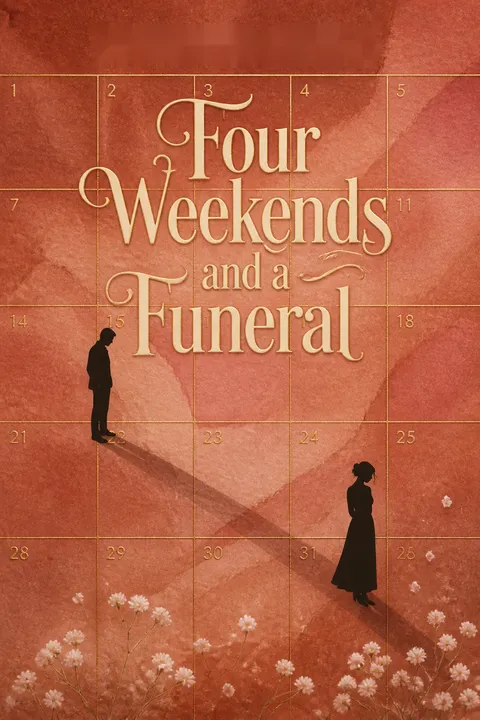
Ellie Palmer's Four Weekends and a Funeral is a heartfelt, witty, and deeply resonant exploration of grief, survivor's guilt, and the messy, beautiful process of learning to live—and love—after loss. By centering the story on a protagonist who has "cheated" death through preventative surgery, Palmer interrogates the pressure to live a life worthy of survival, and the ways in which self-improvement can become a form of self-punishment. The novel's structure—anchored by weekends spent packing up an ex-boyfriend's apartment—serves as both a metaphor for emotional unpacking and a crucible for the slow-burn romance between two wounded, lovable misfits. Palmer's deft use of humor, banter, and rom-com tropes grounds the story in warmth and relatability, while her nuanced portrayal of trauma, therapy, and chosen family offers a blueprint for healing. Ultimately, the book argues that living fully is not about grand adventures or performative bravery, but about embracing one's true self, scars and all, and finding joy in the ordinary moments of connection, comfort, and love.
Review Summary
Reviews for Four Weekends and a Funeral are mixed, averaging 3.69/5. Many readers praise the grumpy/sunshine dynamic, witty banter, and chemistry between Adam and Alison, with some calling it a standout debut romance. The BRCA1 representation resonates strongly with some readers while feeling tonally heavy for others. Common criticisms include weak third-act conflict, rushed pacing toward the end, and an imbalance between the medical storyline and romance. Supporting characters, particularly Mara and Chelsea, receive widespread appreciation.
People Also Read









Characters
Alison Mullally
Alison is a thirty-something transportation consultant whose life is shaped by her BRCA1 genetic mutation and the preventative double mastectomy she underwent. Haunted by survivor's guilt and a sense of unworthiness, she tries to live a "big" life to justify her second chance, often at the expense of her own happiness. Alison is deeply empathetic, conflict-averse, and prone to people-pleasing, which leads her to play the role of Sam's grieving girlfriend long after their breakup. Her journey is one of self-acceptance—learning to embrace her quirks, limitations, and desires without apology. Through therapy, friendship, and love, Alison discovers that she is enough, just as she is.
Adam Berg
Adam is Sam's best friend, known for his stoic demeanor and blunt honesty. A skilled carpenter with dreams of starting his own business, Adam is paralyzed by fear of failure and haunted by guilt over his drifting friendship with Sam. His guardedness masks a deep well of loyalty, kindness, and vulnerability. Adam's journey is about learning to forgive himself, to risk connection, and to move forward after loss. His relationship with Alison challenges him to open up, to accept love, and to build a future rooted in authenticity rather than obligation or regret.
Sam Lewis
Sam, though deceased at the novel's start, is a vibrant presence throughout the story. Charismatic, impulsive, and always chasing the next thrill, Sam represents the ideal of "living life to the fullest." His relationships—with Alison, Adam, and his family—are complicated by his own insecurities and the pressure to meet others' expectations. In death, Sam becomes both a symbol of what's lost and a catalyst for the growth and healing of those he left behind. His "Messages from the Future" serve as both haunting reminders and unexpected gifts.
Mara Montgomery-Kline
Mara is Alison's best friend and emotional anchor. Tall, stylish, and ruthlessly ambitious, Mara is the group's fixer and protector, often pushing Alison to stand up for herself and to pursue what she truly wants. Her competitive streak (especially in trivia) masks a deep care for her friends' well-being. Mara's psychoanalysis reveals a fear of helplessness and a tendency to control situations to avoid vulnerability. Her friendship with Alison is tested but ultimately strengthened by honest confrontation and mutual support.
Chelsea Olsen
Chelsea is the third member of Alison's inner circle—a science teacher with a passion for animals, reality TV, and emotional honesty. She brings levity and warmth to the group, always ready with a hug, a pep talk, or a well-timed joke. Chelsea's fresh, open-hearted approach to life helps Alison see possibilities beyond her fears. Her own struggles with relationships and self-worth mirror Alison's, and their friendship is a source of healing and joy for both.
Rachel Lewis
Rachel is Sam's flight attendant sister, pragmatic and fiercely protective of her family. She enlists Alison in the "girlfriend" deception out of a desire to shield her grieving parents from further pain. Rachel's actions are driven by love, but also by her own loneliness and need for connection. Her eventual honesty and vulnerability help the family begin to heal and allow Alison to forgive herself for her role in the charade.
Judy and Richard Lewis
Judy and Richard are devastated by the loss of their son and cling to the idea that he was "settling down" with Alison. Their grief manifests in different ways—Judy in emotional withdrawal, Richard in logistical busyness. Their need for comfort leads them to embrace Alison, but also to avoid confronting the reality of Sam's life and relationships. Their journey is one of gradual acceptance, forgiveness, and the painful process of letting go.
Russell Rossi
Russell is Sam's friend and a recurring source of chaos—shirtless notary, real estate "multihyphenate," and perpetual flirt. His lack of self-awareness and penchant for inserting himself into situations provide both humor and frustration. Russell's role is to highlight the absurdities of grief, friendship, and the ways people try (and fail) to help. Despite his flaws, he is ultimately well-intentioned and loyal.
June Berg
June is Adam's bubbly, creative sister, a single mom who anchors Adam to his family and community. Her home is a haven of color, chaos, and unconditional love. June's encouragement and gentle nudging help Adam confront his fears and take steps toward building the life he wants. Her relationship with Adam reveals his softer side and his longing for connection.
Denise (Therapist)
Denise is Alison's therapist, guiding her through the labyrinth of survivor's guilt, self-doubt, and the pressure to "live big." Her calm, insightful questioning helps Alison untangle her feelings and move toward self-acceptance. Denise's presence underscores the importance of mental health support in navigating trauma, grief, and the messy process of becoming oneself.
Plot Devices
Fake Relationship and Mistaken Identity
The central plot device is Alison's agreement to pretend to be Sam's girlfriend for the sake of his grieving family. This "fake dating the dead" trope is both a source of comedy and a profound exploration of the ways people use illusion to cope with loss. The device allows for the examination of identity, boundaries, and the emotional toll of living a lie—even for good reasons. It also sets up the slow-burn romance between Alison and Adam, as both must navigate the tension between pretense and authenticity.
Forced Proximity and Weekend Structure
The narrative is structured around four weekends spent packing up Sam's apartment, each serving as a stage in Alison and Adam's evolving relationship. The forced proximity of these weekends creates opportunities for conflict, vulnerability, and intimacy. The physical act of sorting through Sam's belongings becomes a metaphor for unpacking grief, guilt, and the stories we tell about ourselves and others.
Survivor's Guilt and Self-Improvement
Alison's survivor's guilt over her BRCA diagnosis and surgery drives her to chase experiences and personas that don't fit her true self. The narrative uses this device to explore the pressure to "live life to the fullest" after trauma, and the ways in which self-improvement can become a form of self-punishment. Therapy, friendship, and honest self-reflection are used to subvert this trope, leading to a message of self-acceptance.
Calendar Alerts and Messages from the Dead
Sam's habit of leaving motivational calendar alerts for Alison and Adam becomes a recurring motif, blurring the line between grief and guidance. These messages serve as both painful reminders of loss and unexpected catalysts for growth and connection. The device adds a touch of magical realism, suggesting that love and influence persist beyond death.
Bar Trivia and Found Family
The recurring trivia nights and tournaments provide a backdrop for friendship, competition, and the search for meaning in the mundane. The trivia team—quirky, supportive, and fiercely loyal—serves as Alison's chosen family, offering both comic relief and emotional grounding. The structure of trivia (questions, answers, teamwork) mirrors the characters' journeys toward understanding themselves and each other.
Public Declarations and Rom-Com Tropes
The novel plays with classic romantic comedy tropes—public confessions, misunderstandings, and grand gestures—while subverting them with emotional honesty and self-awareness. The climactic trivia tournament scene, in which Adam declares his love, is both a nod to genre conventions and a testament to the power of vulnerability and second chances.
Download PDF
Download EPUB
.epub digital book format is ideal for reading ebooks on phones, tablets, and e-readers.








































