
Plot Summary
Crash in the Ash
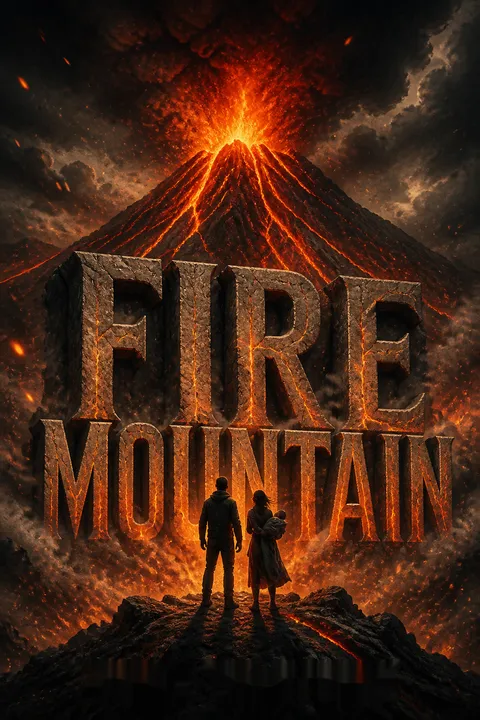
Kit Garrido, a fiercely independent truck driver, wakes up in the wreckage of her rig, disoriented and in pain, surrounded by volcanic ash from the threatening Mount Ember. She's rescued by Cullen Landry, a rugged, haunted ex-cop who lives nearby. The two strangers are forced together by circumstance, with Kit's memory fractured and her truck—her livelihood—destroyed. As the volcano rumbles, the world outside is eerily silent, and Kit's sense of control is shattered. The emotional weight of loss, fear, and vulnerability presses in, setting the stage for a harrowing journey of survival and self-discovery.
Strangers in Peril
Kit and Cullen, wary of each other, quickly realize their predicament is more dire than a simple accident. Bullet holes in Kit's truck and a bloody handprint suggest foul play, and the volcano's imminent eruption adds a ticking clock. With no way to call for help, they must rely on each other, despite deep-seated mistrust. Cullen's protective instincts clash with Kit's fierce independence, but both are forced to confront their vulnerabilities. The emotional tension between them grows as they navigate the physical and psychological dangers of the ash-choked wilderness.
The Baby and the Blood
The discovery of a baby girl, hidden and unharmed in Kit's truck, upends everything. Neither Kit nor Cullen knows how the child got there, and Kit's memory loss deepens the mystery. The baby's presence raises the stakes, transforming their flight from mere survival to a desperate mission to protect an innocent life. The emotional impact is profound: Kit is forced to confront her own fears of responsibility and loss, while Cullen's past as a cop—marked by guilt and trauma—resurfaces. The baby becomes a symbol of hope and a catalyst for their reluctant partnership.
Bullets, Money, and Memory
As they search for supplies, Kit and Cullen find a duffel bag stuffed with cash and baby supplies, deepening the mystery. Kit's inability to remember how she became involved with the baby or the money fuels suspicion between them. The threat of whoever shot at Kit lingers, and the volcano's activity intensifies. Forced to shelter together, Kit and Cullen's emotional walls begin to crack. The baby's needs force them into uneasy cooperation, and the trauma of their pasts—Kit's family wounds, Cullen's career-ending tragedy—start to surface, forging a fragile bond.
Fugitives in the Wild
Realizing they are being pursued, Kit and Cullen flee through the ash-laden wilderness, baby in tow. The landscape is transformed by the volcano's eruptions—landslides, toxic air, and falling debris turn every step into a battle for survival. Their pursuers, ruthless and relentless, close in, forcing Kit and Cullen to rely on each other's strengths. The emotional stakes rise as Kit's memories begin to return, hinting at her connection to the baby's mother, Annette. The trio's journey becomes a crucible, burning away pretense and forging trust in the heat of danger.
The Pursuit Begins
The arrival of new players—killers, a mysterious biker, and a traumatized stranger—complicates the escape. Kit and Cullen are forced into a deadly game of cat and mouse, using every ounce of ingenuity to stay ahead. The baby's vulnerability is a constant reminder of what's at stake. Betrayals and shifting alliances test their resolve, and the emotional toll mounts. Kit's growing attachment to the baby and Cullen's protective instincts deepen their connection, even as the threat of violence and the volcano's wrath loom ever closer.
Shelter and Suspicion
Seeking shelter in a deserted library with the help of Archie, a stubborn old Marine, Kit and Cullen find a brief respite. Here, the emotional undercurrents come to the fore: Kit's fear of intimacy, Cullen's guilt, and Archie's wisdom all collide. The group's dynamic is tested as they plan their next move, ration supplies, and care for the baby. The library becomes a crucible for confession and healing, but the threat outside is never far away. The emotional stakes are heightened by the realization that survival may require sacrifice.
The Truth About Annette
Through old news clippings and Kit's returning memories, the truth about Annette—the baby's mother—emerges. Annette was a victim of human trafficking, fleeing her captor, Nico, with her child and a cache of incriminating evidence. Kit's role as an unwitting rescuer is revealed, and the group is forced to confront the moral weight of their choices. The emotional impact is profound: Kit grapples with guilt and responsibility, Cullen with his need for redemption, and Archie with the cost of courage. The past and present collide, setting the stage for a final confrontation.
Tunnel of Survival
With the volcano's eruption imminent and their pursuers closing in, Kit, Cullen, and Tot (the baby) escape through an abandoned tunnel beneath a ruined mill. The journey is perilous—collapsing ladders, rising water, and suffocating darkness test their endurance and trust. The tunnel becomes a metaphor for their emotional journey: facing fears, relying on each other, and clinging to hope when all seems lost. The baby's survival is a constant motivator, and the group's bond is solidified in the crucible of adversity. Emerging battered but alive, they find a world transformed by disaster.
Fire, Flood, and Forgiveness
The eruption devastates the landscape, and Kit, Cullen, and Tot are forced to seek shelter in an abandoned trailer park. Here, the final threads of the mystery unravel: Nico, driven by vengeance and desperation, tracks them down. In a climactic confrontation, Kit and Cullen must outwit and outfight their enemy, drawing on every lesson learned and every ounce of courage. The emotional climax is not just survival, but forgiveness—of themselves, each other, and the past. The baby's safety becomes a symbol of hope and the possibility of new beginnings.
The Final Stand
As the lava flows and the earth splits, Kit, Cullen, and Tot face their greatest test. Nico's pursuit ends in violence and tragedy, but not before the group is forced to make impossible choices. Cullen is wounded, Kit must summon all her strength, and Archie's return brings both relief and heartbreak. The rescue arrives in the nick of time, but not without loss. The emotional resolution is bittersweet: survival comes at a cost, but the bonds forged in fire endure. The group's journey from strangers to family is complete.
Aftermath and Answers
In the aftermath, Kit, Cullen, and Tot are safe but forever changed. The truth about Annette's sacrifice, the fate of Nico and Simon, and the impact of the eruption are revealed. Kit and Cullen must reckon with their pasts—her fear of intimacy, his guilt—and decide if they can build a future together. The baby's fate is secured, and justice is served, but the scars remain. The emotional journey is one of healing, forgiveness, and the search for meaning in the face of tragedy.
Love in the Ashes
In the quiet after the storm, Kit and Cullen confront their feelings for each other. The trauma and loss have stripped away their defenses, revealing the possibility of love and belonging. The baby, once a symbol of chaos, becomes a beacon of hope. Kit's journey from isolation to connection, and Cullen's from guilt to grace, culminate in a hard-won embrace of the future. The story ends not with a return to the old normal, but with the birth of a new family—imperfect, scarred, but fiercely alive.
Analysis
Fire Mountain is a masterful blend of survival thriller, psychological drama, and redemptive romance, set against the apocalyptic backdrop of a volcanic eruption. At its core, the novel is about ordinary people thrust into extraordinary circumstances, forced to confront not only external dangers but the internal wounds that have shaped their lives. Dana Mentink uses the relentless pressure of disaster—both natural and human—to strip her characters down to their essentials, revealing the raw, messy, and ultimately beautiful process of healing and connection. The story interrogates themes of forgiveness, both of self and others; the cost and necessity of trust; and the possibility of hope in the ashes of loss. The baby, Tot, is both a literal and symbolic orphan, representing the future that can only be secured through courage, sacrifice, and love. The volcano, implacable and transformative, is a reminder that life's greatest upheavals can also be the crucible for new beginnings. In the end, Fire Mountain is a testament to the resilience of the human spirit, the power of found family, and the hard-won grace that comes from facing the fire—and choosing to love anyway.
Review Summary
Characters
Kit Garrido
Kit is a thirty-year-old truck driver whose life is defined by self-reliance and a deep fear of vulnerability. Scarred by her father's betrayal and her mother's unforgiving nature, Kit has built emotional walls as sturdy as her beloved rig. Her identity is tied to her work and her ability to control her environment. The crash and subsequent chaos force her to confront her deepest fears: responsibility for others, the pain of loss, and the possibility of love. Kit's journey is one of reluctant transformation—from isolation to connection, from guilt to forgiveness. Her relationship with Cullen and the baby challenges her to risk her heart, and her courage is revealed not just in survival, but in her willingness to embrace hope.
Cullen Landry
Cullen is a former cop, physically imposing but emotionally wounded by a career-ending tragedy. Guilt over a partner's injury and a failed rescue mission has driven him into isolation, where he tends horses and avoids emotional entanglement. The crisis with Kit and the baby reawakens his sense of purpose and his protective instincts. Cullen's journey is one of atonement—learning to forgive himself, trust others, and accept love. His relationship with Kit is both a source of healing and a test of his ability to let go of the past. Cullen's strength lies not just in his physical prowess, but in his capacity for empathy, humor, and self-sacrifice.
Tot (The Baby)
The baby girl, later revealed as Lucy, is the emotional heart of the story. Her presence forces Kit and Cullen to confront their fears, work together, and rediscover their capacity for love. Tot is both a literal and symbolic orphan—abandoned, endangered, and in need of protection. She represents the possibility of new beginnings, the cost of sacrifice, and the redemptive power of care. Through her, the characters' emotional arcs are crystallized: Kit's fear of responsibility, Cullen's need for redemption, and Annette's ultimate sacrifice.
Annette Bowman
Annette is a young woman who escaped human trafficking, risking everything to save her child and expose her captor, Nico. Her backstory—running from home, being exploited, and finally fighting back—embodies the novel's themes of resilience and sacrifice. Annette's actions set the entire plot in motion, and her fate is a sobering reminder of the costs of evil. Though she dies off-page, her courage and love for her child inspire Kit and Cullen to continue the fight for justice and survival.
Nico Phillips
Nico is the primary antagonist—a human trafficker whose pursuit of Annette and the incriminating evidence drives the plot. He is manipulative, ruthless, and obsessed with control, seeing people as property. Nico's psychological complexity lies in his ability to charm and terrorize, to justify his actions while inflicting suffering. His ultimate downfall is both a narrative and moral reckoning, as the forces of nature and justice converge to end his reign of terror.
Simon Phillips
Simon, Nico's brother, is less developed but serves as a loyal henchman, complicit in the crimes and violence. His death during the volcanic eruption is both a consequence of his choices and a symbol of the indiscriminate destruction wrought by both human evil and natural disaster.
Archie Esposito
Archie is a retired Marine and volunteer librarian who provides shelter, guidance, and much-needed levity. His presence is a stabilizing force, offering practical wisdom and emotional support. Archie's courage and resourcefulness are matched by his warmth and humor, and his relationship with Kit and Cullen is paternal and grounding. He represents the best of ordinary heroism—selfless, loyal, and unflappable in crisis.
Kyle Wallace
Kyle is a shadowy figure for much of the story, initially suspected of being a threat but ultimately revealed as an ally. His connection to Annette and Tot adds complexity to the rescue mission and underscores the theme of found family. Kyle's presence is a reminder that not all men are predators, and that love and loyalty can survive even the darkest circumstances.
Gideon Landry
Gideon is a background presence for much of the novel, representing the outside world and the hope of rescue. His relationship with Cullen is marked by sibling rivalry, tough love, and deep loyalty. Gideon's arrival at the climax is both a literal and symbolic salvation, bridging the gap between isolation and community.
The Volcano (Mount Ember)
Though not a character in the traditional sense, the volcano is a constant presence—threatening, unpredictable, and transformative. It serves as both antagonist and catalyst, forcing the characters to confront their mortality, their pasts, and their capacity for change. The eruption is both a literal disaster and a metaphor for the emotional upheaval each character endures.
Plot Devices
Survival Thriller Structure
The novel employs a classic survival thriller structure, with escalating external threats (volcano, killers, wilderness) mirroring the characters' internal struggles. The ticking clock of the eruption, the pursuit by human predators, and the constant need for resourcefulness create a sense of urgency and suspense. Each plot twist—discovery of the baby, revelation of Annette's past, betrayals, and shifting alliances—serves to deepen the characters' emotional arcs and force them into growth.
Amnesia and Unreliable Memory
Kit's partial amnesia is a key device, heightening suspense and complicating the mystery. Her struggle to remember how she became involved with Annette and the baby creates tension and self-doubt, while also allowing for gradual revelation of backstory and motivation. The return of memory is tied to emotional breakthroughs, making the device both plot-driven and psychologically resonant.
Found Family and Forced Proximity
The trope of strangers thrown together by disaster is used to explore themes of trust, vulnerability, and the possibility of love. The forced proximity of Kit, Cullen, and Tot—compounded by the need to care for an innocent—breaks down emotional barriers and accelerates intimacy. The found family that emerges is both a survival mechanism and a source of healing.
Symbolism of the Volcano
The volcano is more than a backdrop; it is a living symbol of chaos, destruction, and renewal. Its eruptions mirror the characters' internal crises—buried trauma, guilt, and fear erupting into the open. The landscape's transformation parallels the characters' journeys from isolation to connection, from brokenness to hope.
Moral Dilemmas and Redemption
The novel is structured around a series of moral dilemmas—whether to trust, to forgive, to risk oneself for others. The characters' decisions in moments of crisis define their arcs: Kit's choice to help Annette, Cullen's willingness to sacrifice himself, Archie's stubborn courage. Redemption is not given, but earned through action, confession, and the willingness to change.
Foreshadowing and Repetition
The narrative uses foreshadowing—Kit's memories, Cullen's guilt, Archie's stories—to build suspense and thematic resonance. Repeated motifs (the teddy bear, the truck, the baby's cries) serve as emotional anchors, reminding readers of what is at stake and what has been lost or gained.
Download PDF
Download EPUB
.epub digital book format is ideal for reading ebooks on phones, tablets, and e-readers.








































