
Plot Summary
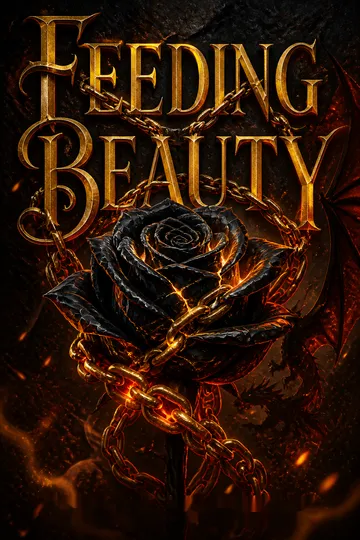
Chains of Hunger and Fire
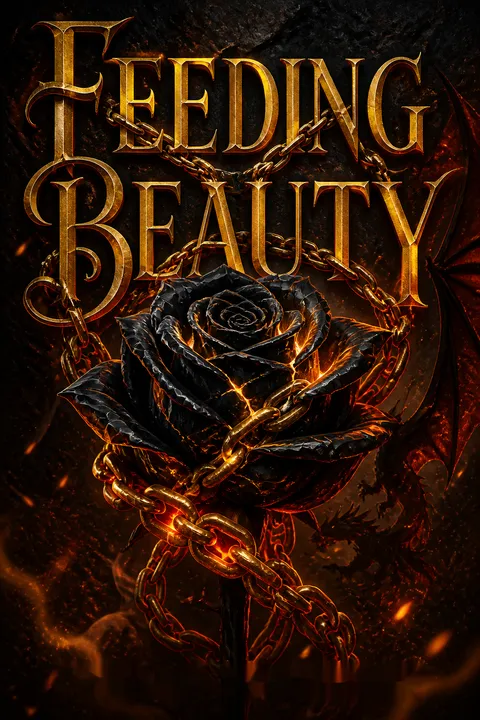
Aurora, the beautiful princess of the Realm of Roses, is cursed as a Succubus—she must feed on sexual energy to survive, but every feeding kills. Her only confidant is Talon, the last Dragon, whose burning skin makes him untouchable. Their relationship is a paradox of longing and restraint, both imprisoned by their natures. Talon's duty is to protect Aurora, clean up her deadly feedings, and keep her secret. Their mutual, forbidden desire simmers beneath every interaction, but touch is lethal. The castle is a gilded cage, and the cycle of feeding, guilt, and secrecy is slowly crushing them both. They are alone together, each the last of their kind, and the only solace they find is in each other's presence—never in each other's arms.
Princess on the Run
Desperate to escape her suffocating life and the horror of killing to survive, Aurora runs away to Boston, seeking anonymity and a chance to be more than her curse. The city is overwhelming, electric, and alive—everything her curated, isolated life was not. She's determined to live as a normal girl, to find independence, and to prove she can control her hunger. But Talon, ever her protector, tracks her down. Their reunion is fraught with longing and frustration, as Aurora insists on forging her own path. She finds herself drawn to Poison Apple, a bar run by the enigmatic Rap and staffed by the fierce, chaotic Lost Girls. Here, Aurora hopes to build a new life, even as Talon's presence is a constant reminder of everything she can't have.
Lost Girls, Found Family
At Poison Apple, Aurora is swept into the orbit of the Lost Girls—Snow, Ariel, and Rap—each with their own scars and secrets. The bar is a haven for the outcast and extraordinary, a place where magic and mayhem mingle. Aurora is mesmerized by the camaraderie, the chaos, and the unapologetic authenticity of her new friends. For the first time, she's seen for who she is, not just what she looks like or what she can do. Talon, reluctantly hired as security, watches over her, torn between duty and desire. The Lost Girls' acceptance is intoxicating, but Aurora's hunger is never far behind, and the threat of exposure looms as she tries to fit in and keep her deadly secret.
Poison Apple Initiation
Aurora's initiation into the Lost Girls is both literal and symbolic. She's given a chance to work at Poison Apple, but must prove herself—no resume, no experience, just raw determination. Rap, the bar's formidable owner, sees through Aurora's facade and offers her a shot, but with strict rules: no feeding on staff or patrons, and no lies. Talon is conscripted as security, further blurring the lines between protector and partner. Aurora's new life is messy, exhilarating, and full of firsts—her own room, new clothes, tattoos, and the beginnings of real friendship. Yet, the hunger simmers beneath, and the threat of losing control is ever-present.
Roommates, Cats, and Confessions
Settling into her new apartment with Talon, Aurora is confronted by the mundane and the magical—a devilish cat, cramped quarters, and the awkward intimacy of living with the man she can never touch. Their late-night arguments crack open old wounds and new hopes. Aurora confesses her fear that her curse is not just a need, but an addiction she's never been allowed to challenge. Talon, bound by his vow and his love, struggles to balance protection with letting her grow. Their dynamic is tested as Aurora insists on her autonomy, and Talon is forced to confront his own loneliness and the depth of his feelings for her.
Cursed by a Kiss
A flashback reveals the genesis of Aurora's curse and her bond with Talon. As a teenager, Aurora's first kiss awakens her Succubus hunger, killing a boy she cared for. Her parents, desperate, seek out Talon—the only being immune to her power. Their first meeting is fraught with pain and recognition: both are alone, both are different, and both are drawn to each other. Talon's vow to protect her is born not just of duty, but of a deep, unspoken kinship. The curse is a legacy of heartbreak, cast by a spurned Midnight Fae princess, and it shapes every moment of Aurora's life.
Becoming a Lost Girl
Aurora's transformation is both external and internal. With the help of the Lost Girls, she sheds her royal trappings—cutting her hair, getting tattoos and piercings, and embracing a new, punk identity. The ritual is more than a makeover; it's a reclamation of self. The girls share their own stories of judgment and survival, forging a bond of sisterhood. Aurora's first shift at Poison Apple is a disaster, but her friends rally around her, teaching her that failure is part of freedom. For the first time, Aurora feels like she belongs—not as a princess or a monster, but as herself.
Dragon's Desire Unleashed
Talon's desire for Aurora becomes impossible to hide as he watches her thrive and transform. Her new confidence and beauty ignite a possessive, primal hunger in him. The bar's patrons are drawn to her, and Talon is forced to confront his jealousy and the agony of watching her with others. Their mutual longing simmers, but the rules of their bodies—her deadly hunger, his burning skin—keep them apart. The tension between them is electric, and every near-touch is a reminder of what they can never have. Yet, their connection only deepens, and the boundaries between duty and desire begin to blur.
Failing, Falling, and Friendship
Aurora's attempts to master bartending are met with repeated failure, but the Lost Girls refuse to let her give up. Their support is honest and unvarnished, teaching her that real friendship is built on acceptance, not perfection. Talon, too, learns to let go of his need to control and protect, seeing Aurora's resilience and joy in her new life. Their relationship is tested by frustration and vulnerability, but small acts of care—drawing a bath, sharing a meal—become their language of love. Aurora's hunger, however, is growing, and the specter of her curse threatens to unravel everything she's built.
The Hunger Returns
Aurora's determination to resist feeding is tested to the breaking point as her hunger intensifies. Cold showers, distractions, and willpower are no match for the primal need gnawing at her. She tries to take only a taste from a stranger, but the hunger is insatiable, and the risk of losing control is ever-present. Talon sees the signs and confronts her, insisting she must feed to survive. Their argument is raw and painful, exposing the limits of autonomy in the face of addiction. Aurora's pride and fear collide, and she is forced to confront the reality that she cannot outrun her curse.
Feeding, Faking, and Fury
Talon arranges for Aurora to feed safely, hiring a willing participant and using chains and a collar to keep her from killing. The encounter is both erotic and tragic, as Aurora is forced to perform for Talon's protection, not her own pleasure. The experience leaves her still hungry and wracked with guilt. Their relationship is strained by the necessity of survival and the impossibility of fulfillment. Meanwhile, the threat of exposure grows, and the past begins to catch up with them. The lines between love, duty, and desire blur, and both are left questioning if survival is enough.
The Enemy Revealed
The arrival of Mal, the Midnight Fae who cursed Aurora, shatters the fragile peace. Mal's presence at Poison Apple triggers a catastrophic loss of control—Aurora's curse lashes out, feeding on everyone in the bar and exposing her true nature. The revelation is devastating; friends recoil, and Aurora is consumed by shame and fear. Mal's motives are revealed: revenge against Aurora's father, and a plan to use Talon's Dragon blood to become immune to Rosari powers. The past and present collide, and Aurora is forced to confront the source of her suffering.
Outed and Overwhelmed
With her secret out, Aurora is ostracized and hunted. The Lost Girls, however, refuse to abandon her, proving that chosen family can withstand even the darkest revelations. Talon is captured by Mal's vampires, and Aurora is left to face her greatest fear: losing the one person who has always stood by her. The city is no longer safe, and the dream of a new life is shattered. Yet, in the depths of despair, Aurora finds unexpected strength in her friends and the realization that she is not alone.
Breaking and Healing
Aurora, with the help of the Lost Girls and unlikely allies, mounts a rescue mission to save Talon from Mal's lair. The confrontation is brutal—Mal has absorbed mage powers and is nearly unstoppable. Aurora's curse, once a source of shame, becomes her weapon as she learns to wield it with intention. She faces Mal not as a victim, but as a survivor, refusing the offer to have her curse removed at the cost of becoming like her enemy. The battle is costly, but Aurora's choice to embrace her power, rather than be defined by it, marks a turning point.
Mal's Trap and Talon's Fall
Mal's plan comes to fruition as she uses Talon's blood to attack the Realm of Roses, seeking revenge on Aurora's family. The kingdom is thrown into chaos, and Talon is pushed to his limits, forced to go full Dragon to protect those he loves. The battle is fierce, and Mal is ultimately killed, but not before cursing Aurora one final time. In the aftermath, Aurora's hunger turns on Talon, and she is forced to feed on him, risking both their lives. The moment is both devastating and transcendent, as love and death become inseparable.
Power Unleashed, Love Tested
As Aurora feeds on Talon, their connection deepens beyond anything they've known. The curse, once a barrier, becomes a bridge. Their love, tested by fire and hunger, fuses their souls together. In the crucible of pain and passion, the curse is broken—not by violence or vengeance, but by the power of touch and mutual surrender. Aurora is no longer a slave to her hunger, and Talon's fire no longer burns her. They are finally able to touch, to love, and to be whole.
The Final Curse
With the curse broken, Aurora and Talon are free—free to touch, to love, to build a life together. They return to the place where their story began, no longer prisoners of their natures, but partners in every sense. The Realm of Roses is saved, and the Lost Girls are family. Aurora's parents accept her for who she is, and the future is open. The journey has been one of pain and loss, but also of growth, healing, and the discovery that love—chosen, fought for, and fiercely protected—can break even the oldest chains.
Mated, Free, and Home
Aurora and Talon build a new life in Boston, surrounded by friends and family. The hunger that once defined Aurora is now a part of her, not her master. Talon's fire is no longer a barrier, but a bond. They are mated, not by curse or necessity, but by choice and love. The Lost Girls remain by their side, and the future is bright with possibility. The story ends not with a happily ever after, but with the promise of a life lived fully, fiercely, and together—free at last.
Analysis
Feeding Beauty is a dark, erotic, and emotionally resonant reimagining of the "Beauty and the Beast" myth, filtered through the lens of trauma, addiction, and the search for selfhood. At its core, the novel is about the struggle to define oneself beyond the wounds inflicted by others—be they curses, expectations, or the legacies of family pain. Aurora's journey from cursed princess to empowered woman is marked by failures, setbacks, and the constant threat of losing control, but it is also a story of resilience, friendship, and the transformative power of love. Talon's arc is equally compelling, as he learns to let go of control and accept his own needs, finding freedom in vulnerability. The novel's use of found family, chosen community, and the breaking of physical and emotional barriers speaks to the universal longing for connection and acceptance. Ultimately, Feeding Beauty is a testament to the idea that healing is not about erasing pain, but about building something new in its wake—something fierce, flawed, and beautifully, defiantly alive.
Review Summary
Feeding Beauty receives high praise for its spicy retelling of Sleeping Beauty, featuring a cursed succubus princess and her dragon protector. Readers appreciate the intense chemistry, forbidden love, and emotional depth between Aurora and Talon. The book is noted for its balance of steamy scenes and compelling plot, with many considering it the best in the Lost Girls series. Fans enjoy the found family aspect and character development. While some readers had issues with certain plot elements or character decisions, most found the book addictive and satisfying.
Characters
Aurora (Beauty)
Aurora is the princess of the Realm of Roses, cursed as a Succubus to feed on sexual energy, killing her partners. Raised in isolation, she is both a symbol of beauty and a vessel of shame. Her relationship with Talon is the axis of her life—he is her protector, her confidant, and the only one immune to her power. Aurora is fiercely independent, desperate to define herself beyond her curse. Her journey is one of self-acceptance, learning to wield her power rather than be destroyed by it. She is vulnerable, stubborn, and deeply compassionate, longing for connection but terrified of hurting those she loves. Her arc is a testament to the power of choice, the pain of growth, and the possibility of redemption.
Talon (The Dragon)
Talon is the last Dragon, his body a weapon and a prison—his skin burns all who touch him, and his fire is both shield and curse. Bound by a vow to protect Aurora, he is stoic, loyal, and deeply lonely. His love for Aurora is both his strength and his torment, as he is forced to watch her suffer and survive without ever being able to touch her. Talon's journey is one of vulnerability, learning to let go of control and accept his own needs. His transformation—from untouchable guardian to mated partner—is marked by sacrifice, jealousy, and the ultimate act of surrender. He is the embodiment of devotion, willing to burn for love.
Mal (The Villain)
Mal is the Midnight Fae who cursed Aurora, driven by heartbreak and a thirst for revenge against the family that rejected her. She is a master manipulator, absorbing mage powers and building an army of vampires to enact her plan. Mal is both a cautionary tale and a mirror for Aurora—a woman destroyed by her inability to let go of pain. Her actions are monstrous, but rooted in a very human wound. In the end, her refusal to heal or forgive is her undoing, and her death is both a tragedy and a release.
Rap (Bar Owner)
Rap is the owner of Poison Apple, a sanctuary for the lost and the powerful. She is sharp, no-nonsense, and carries her own scars—both literal and emotional. Rap's leadership is grounded in loyalty and a deep sense of justice. She sees through Aurora's facade and offers her a place, but demands honesty and respect. Rap's past is hinted at, marked by loss and survival, and her role as a mentor is crucial to Aurora's growth. She is the embodiment of chosen family, offering both tough love and unwavering support.
Snow (Lost Girl)
Snow is a whirlwind of energy, humor, and unexpected depth. Her goth-glam style and sharp tongue mask a fierce loyalty and a hidden talent for combat. Snow's friendship with Aurora is immediate and unconditional, teaching her the value of honesty and resilience. She is the first to defend, the first to tease, and the first to forgive. Snow's own secrets—her training, her pain—are revealed slowly, adding layers to her character and strengthening the bond between the Lost Girls.
Ariel (Lost Girl)
Ariel is the calm center of the Lost Girls, her wheelchair never slowing her down. She is observant, artistic, and deeply empathetic, always ready with a camera or a kind word. Ariel's friendship is a lifeline for Aurora, offering both practical support and emotional wisdom. Her own struggles with judgment and acceptance mirror Aurora's, and her presence is a reminder that strength comes in many forms. Ariel's relationship with Snow is playful and grounding, and her loyalty is unwavering.
Cinder (Lost Girl)
Cinder is a later addition to the group, her blood magic and vampire connections making her both an asset and an enigma. She is reserved, strategic, and unflinching in the face of danger. Cinder's past is marked by survival and adaptation, and her ability to break Mal's thrall is crucial in the final battle. She represents the possibility of transformation, and her alliance with the Lost Girls is a testament to the power of found family.
Kai (Vampire King)
Kai is Mal's brother, the new King of the Midnight Fae. His initial hostility toward Aurora is rooted in family pain, but he ultimately becomes an ally, recognizing the greater threat Mal poses. Kai's arc is one of reckoning with the past, choosing to break cycles of vengeance, and forging new alliances. His relationship with Cinder and his willingness to help Aurora mark his growth from antagonist to friend.
Dame Kiki Eleganza (Fairy Godmother)
Kiki is a drag queen and powerful healing mage, bringing both levity and gravitas to the story. Her presence is a balm in moments of crisis, and her wisdom about love and resilience is hard-won. Kiki's role as a healer is both literal and metaphorical, helping Talon recover and offering guidance to Aurora. She embodies the spirit of community and the importance of chosen family.
Aurora's Parents (King and Queen of Roses)
Aurora's parents are both her jailers and her champions, desperate to protect her but unable to understand her pain. Their journey is one of learning to let go, to trust, and to accept their daughter for who she is. Their love is fierce, but their fear is greater—until Aurora's return forces them to confront the consequences of their choices. In the end, they choose love over control, allowing Aurora to build her own life.
Plot Devices
Curses and Hunger as Metaphor
The central plot device is Aurora's curse—a magical compulsion to feed that kills, functioning as both a literal and metaphorical addiction. The curse is a legacy of heartbreak, cast by Mal as revenge, and it shapes every relationship and choice. The hunger is not just a need, but a force that isolates, shames, and endangers. The story uses the curse to explore themes of autonomy, consent, and the struggle to define oneself beyond trauma. The breaking of the curse is not a simple reversal, but a process of acceptance, agency, and mutual healing.
Untouchable Love and Forbidden Touch
Talon's burning skin and Aurora's deadly hunger create a physical barrier that mirrors their emotional distance. Their inability to touch is both a source of longing and a crucible for their love. The narrative structure uses near-touches, glances, and acts of care to build tension and intimacy. The eventual breaking of the barrier is both a climax and a resolution, symbolizing the power of vulnerability and the possibility of connection despite pain.
Found Family and Chosen Community
The Lost Girls and the community at Poison Apple are a counterpoint to Aurora's isolation. The bar is a liminal space where the outcast and extraordinary find belonging. The friendships forged here are tested by secrets, failures, and danger, but ultimately prove stronger than blood or magic. The found family trope is used to explore themes of acceptance, resilience, and the importance of support in healing from trauma.
Foreshadowing and Narrative Echoes
The story uses foreshadowing and echoes—scenes of feeding, arguments, and near-touches recur with variations, building tension and deepening character arcs. The narrative structure is cyclical: the story begins and ends at the creek, the place of first meeting and final union. The breaking of the curse is foreshadowed by moments of mutual vulnerability and the gradual acceptance of power. The final battle is both a literal and symbolic confrontation with the past.
Power, Consent, and Agency
The use of magic—curses, feeding, thrall, and healing—is always tied to questions of consent and agency. Aurora's journey is one of reclaiming her power, learning to wield it rather than be wielded by it. The story interrogates the ethics of survival, the cost of protection, and the possibility of transformation. The breaking of the curse is not a deus ex machina, but the result of mutual surrender and the choice to love, even when it hurts.
The Lost Girls Series
About the Author
Other books by Holly Roberds

Download PDF
Download EPUB
.epub digital book format is ideal for reading ebooks on phones, tablets, and e-readers.








































