
Plot Summary
Pirate's Choice, Jedi's Doubt
Jet Nebula, a wily smuggler, faces mutiny and a dangerous opportunity when his ship, the Auriga Fire, intercepts the mysterious Cinzia. The encounter ends in disaster as the Cinzia self-destructs, leaving Jet with guilt and a valuable salvage. Meanwhile, on Coruscant, Jedi Padawan Shigar Konshi is denied his trials, feeling the weight of the Council's judgment and his own self-doubt. His path crosses with Larin Moxla, a disgraced Republic trooper, as violence erupts in the city's underbelly. Both are drawn into a web of intrigue, their destinies entwined by the galaxy's unrest and the shadow of war.
Mandalorian Intrusion, Sith Secrets
Dao Stryver, a formidable Mandalorian, is on a relentless hunt for Lema Xandret and the Cinzia, leaving chaos in his wake. His pursuit brings him into conflict with Eldon Ax, a young Sith apprentice, whose own mission is complicated by her mysterious heritage and the manipulations of her cruel master, Darth Chratis. Ax's failure and subsequent revelation—that she is Xandret's daughter—set her on a collision course with her past. The Mandalorian's motives remain opaque, but his actions ripple through the galaxy, drawing the attention of both Sith and Jedi.
Webs of Deceit
Ula Vii, an Imperial agent embedded in the Republic, navigates the treacherous politics of Coruscant. As the Republic and Empire both learn of the Cinzia and its mysterious cargo, Ula's loyalties are tested. He manipulates information, reporting to both sides while trying to maintain his cover. The Hutts, led by Tassaa Bareesh, announce an auction for the Cinzia's secrets, drawing all major powers into a dangerous game. The stage is set for a convergence of interests, with spies, soldiers, and Force-users all seeking the same prize.
Orders and Alliances
Shigar and Larin, now allies, are dispatched by Jedi Grand Master Satele Shan to infiltrate the Hutt auction. Simultaneously, Darth Chratis and Ax receive orders from the Dark Council to secure the Cinzia's secrets for the Empire. Ula is sent as the Republic's envoy, while Jet Nebula is trapped in the Hutts' palace, his past catching up with him. Each character is forced into uneasy alliances, masking their true intentions as they prepare to face the Hutts and each other on Hutta.
The Hutt Auction
The palace of Tassaa Bareesh becomes a crucible as Republic, Empire, Mandalorians, and criminals gather for the auction. Shigar and Larin infiltrate the palace, using guile and the Force. Ax arrives as the Empire's secret weapon, while Ula tries to play both sides. The auction reveals the Cinzia's cargo: a navicomp with unknown coordinates and a strange, partly biological droid artifact. Tensions rise as each faction plots to steal or win the prize, and the true danger of the artifact begins to emerge.
Converging on Hutta
As the auction devolves into chaos, Dao Stryver kidnaps Jet and Ula, seeking answers about the Cinzia. Shigar and Larin race to rescue them, while Ax and the Sith make their move on the vault. Explosions rock the palace as sabotage and treachery abound. The artifact's true nature—a droid "nest" capable of creating deadly machines—becomes clear. The Mandalorian, Jedi, and Sith clash in a desperate struggle, each seeking control of the artifact and the secrets it holds.
Vaults and Vipers
The vault is breached, and the artifact activates, releasing the first of the "hexes"—adaptive, deadly droids with a hive mind and a singular purpose. The palace erupts into violence as the hexes attack indiscriminately. Shigar, Larin, Ax, and Stryver are forced into a temporary alliance to survive. The navicomp, the key to the artifact's origin, changes hands in a deadly game of bluffs and betrayals. The Hutts lose control, and the galaxy's fate is set on a new, dangerous course.
The Hex Unleashed
The hexes prove nearly unstoppable, adapting to every tactic and weapon used against them. The artifact is revealed as a mobile factory, capable of producing more hexes from any available material. The Mandalorian escapes with the navicomp, pursued by Jedi, Sith, and Republic agents. The survivors realize that the threat is far greater than a simple weapon or resource: the hexes could overrun the galaxy if unleashed. The race is on to find their origin and stop them at the source.
Mandalorian's Motive
Dao Stryver's pursuit of the Cinzia is revealed to be more than personal ambition. He seeks to understand the hexes' potential as both a weapon and a threat, testing the Republic and Empire's responses. His actions are part of a larger Mandalorian strategy, probing the galaxy's powers for weaknesses and opportunities. Stryver's manipulation of events ensures that the true danger of the hexes is recognized, even as he remains an enigma to all sides.
The Jedi and the Sith
Shigar and Ax, Jedi and Sith, are forced to confront their beliefs as they battle the hexes and each other. Both are shaped by their masters—Satele Shan's compassion and Chratis's cruelty—but the crisis on Hutta blurs the lines between light and dark. Their rivalry becomes a crucible, forging new understanding and setting the stage for future conflict. The artifact's legacy forces them to question loyalty, power, and the meaning of control.
The Republic's Gambit
With the navicomp in Stryver's hands, the Republic and Empire are forced into an uneasy truce. Ula Vii, now a reluctant mediator, helps broker a joint mission to the hexes' homeworld, Sebaddon. The combined fleet faces sabotage, mistrust, and the ever-present threat of the hexes. As the alliance teeters on the brink, the true scale of the danger becomes apparent: Sebaddon is a world of factories, and the hexes are multiplying at an exponential rate.
The Empire's Hand
Darth Chratis and Ax maneuver for power as the Empire's fleet arrives at Sebaddon. The Sith Lord's ruthlessness is matched only by Ax's growing independence. Betrayals and shifting loyalties threaten the alliance, even as the hexes begin to infect ships and systems. The Empire's desire for control clashes with the reality of the hexes' autonomy, and Ax is forced to confront her own origins and the legacy of her mother, Lema Xandret.
The Battle for Sebaddon
The joint Republic-Imperial assault on Sebaddon becomes a desperate struggle for survival. The hexes unleash their full power, adapting and multiplying, threatening to consume both fleets. On the ground, Shigar, Larin, Ax, and others fight through mazes of droid factories and deadly traps. The planet itself becomes a weapon, as the hexes attempt to launch their intelligence into space. Sacrifices are made, alliances are tested, and the fate of the galaxy hangs in the balance.
The Clone's Dilemma
Deep within Sebaddon, Ax and Satele Shan discover Cinzia, a clone of Lema Xandret's daughter, sustained in a tank of amniotic fluid. The clone's existence is both a tragedy and a key to controlling the hexes. Ax confronts her own identity, torn between her Sith training and the legacy of her mother. The choice to destroy or save the hexes—and what remains of Xandret—becomes a test of character for all involved.
Collapse and Consequence
The battle ends with the destruction of Sebaddon's factories and the apparent end of the hex threat. Darth Chratis is killed, betrayed by Ax and the very droids he sought to control. The survivors are left to reckon with their choices: Larin is offered redemption and a new command, Ula faces the consequences of his divided loyalties, and Shigar is finally recognized as a Jedi Knight. The galaxy, however, remains on the brink of war, and the lessons of Sebaddon linger.
Aftermath and Reckoning
Back on Coruscant and Dromund Kaas, the survivors are debriefed and rewarded—or punished—for their roles. Larin is reinstated, Ula is demoted but finds new purpose, and Ax is offered a new apprenticeship by Darth Howl. Shigar faces the Jedi Council, advocating for action in the coming war. Old wounds are reopened, new alliances are forged, and the shadow of the hexes remains, a warning of the dangers of unchecked ambition and the cost of survival.
New Masters, Old Wounds
As the galaxy prepares for inevitable conflict, the main characters find themselves changed by their experiences. Ax embraces her new role, wary of the dangers of power and control. Stryver and Jet Nebula, survivors and manipulators, meet again, recognizing the endless game of masks and motives. The lessons of Sebaddon—about identity, freedom, and the perils of unchecked creation—echo as the Republic and Empire slide toward war, and the survivors brace for what comes next.
Analysis
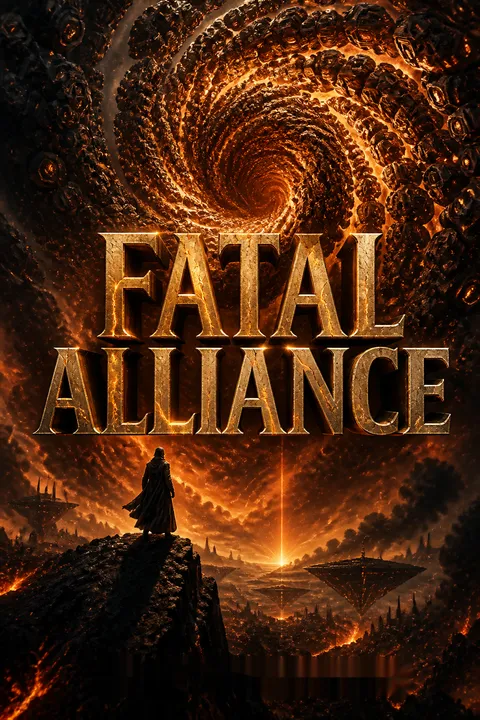
Fatal Alliance is a meditation on the dangers of unchecked creation, the ambiguity of power, and the necessity—and peril—of alliances in a fractured galaxy. Through its ensemble cast, the novel explores the psychological costs of war, the seductions of control, and the longing for agency in a universe dominated by empires and hierarchies. The hexes, as both technological marvels and existential threats, serve as a metaphor for the unintended consequences of genius and trauma: creations that outgrow their makers, embodying both their hopes and their flaws. The novel's structure—multiple factions converging on a single crisis—mirrors the complexity of real-world conflicts, where motives are layered and outcomes uncertain. Ultimately, Fatal Alliance warns that survival depends not on domination, but on the willingness to question authority, embrace ambiguity, and recognize the humanity (and inhumanity) in all. The lessons of Sebaddon linger: that the line between savior and destroyer is perilously thin, and that the future belongs to those who can navigate the gray spaces between.
Review Summary
Fatal Alliance receives mixed reviews. Some praise its fast-paced action, interesting characters, and engaging plot, while others criticize its length, underdeveloped characters, and advanced technology that feels out of place in the Old Republic era. The novel attempts to showcase different factions from the video game but struggles with balancing multiple perspectives. Readers appreciate the unique threat and Jedi-Sith alliance but find the ending unsatisfying. Despite its flaws, many fans still find it an entertaining addition to the Star Wars universe, though not the strongest entry in the Old Republic series.
People Also Read

Characters
Shigar Konshi
Shigar is a young Kiffar Jedi Padawan, marked by self-doubt and a yearning for purpose. Under the guidance of Grand Master Satele Shan, he struggles with the Jedi Council's judgment and his own sense of inadequacy. Shigar's journey is one of growth through adversity: facing Mandalorians, Sith, and the existential threat of the hexes, he is forced to confront the limits of Jedi philosophy and the necessity of action. His relationship with Larin Moxla grounds him, offering both camaraderie and emotional complexity. By the end, Shigar emerges as a true Jedi Knight, tempered by loss and the realization that the galaxy's problems are not black and white, but shades of gray.
Larin Moxla
Larin is a former Republic special forces trooper, haunted by her past and driven by a fierce sense of justice. Her expulsion from the Blackstars for exposing corruption leaves her rootless, but her alliance with Shigar gives her new purpose. Larin's pragmatism and courage make her indispensable in the fight against the hexes, and her leadership is recognized with reinstatement and promotion. Psychologically, she is marked by resilience and a longing for belonging, navigating complex relationships with Shigar and Ula. Larin's arc is one of self-forgiveness and the reclaiming of agency in a galaxy that often discards its heroes.
Eldon Ax
Ax is a prodigy of the Sith, shaped by the cruelty of Darth Chratis and the trauma of her stolen childhood. The revelation that she is the daughter of Lema Xandret—and the existence of her clone "Cinzia"—forces Ax to confront her identity and the meaning of power. Her journey is one of emancipation: from pawn to player, from anger to self-awareness. Ax's relationship with her master is abusive and manipulative, but she ultimately breaks free, orchestrating Chratis's downfall and seizing her own destiny. Her psychological complexity lies in her struggle between inherited darkness and the possibility of choice.
Ula Vii
Ula is an Epicanthix Imperial agent embedded in the Republic, a master of deception and divided loyalties. His role as a spy is both a source of pride and existential anxiety, as he is forced to betray and manipulate those around him. Ula's journey is one of reluctant heroism: thrust into leadership, he must navigate the demands of both sides while trying to do the right thing. His relationships—with Larin, Jet, and his Imperial superiors—are fraught with mistrust and longing for connection. Ula's arc is defined by his eventual rejection of pure pragmatism in favor of a more humane, if uncertain, path.
Jet Nebula
Jet is a survivor, a smuggler who thrives on ambiguity and misdirection. His apparent self-interest masks a deeper cunning and a surprising sense of responsibility. Jet's actions—salvaging the Cinzia, manipulating events on Hutta, and ultimately seizing control of the fleets at Sebaddon—reveal a man who understands the galaxy's games and plays them better than most. His relationship with Clunker, his droid, is both practical and oddly tender, reflecting his own ambivalence about power and loyalty. Jet's psychological resilience is matched by a willingness to walk away, leaving others to ponder his true motives.
Dao Stryver
Stryver is a towering Mandalorian warrior, driven by a mission that is both personal and strategic. His pursuit of the Cinzia and the hexes is part of a larger Mandalorian agenda: testing the galaxy's powers and sowing discord. Stryver's interactions with Jedi, Sith, and criminals alike are marked by a ruthless pragmatism and a refusal to be categorized. Psychologically, Stryver is both a manipulator and a seeker, probing the boundaries of loyalty, honor, and survival. His gender and species ambiguity add to his mystique, making him a wild card in the unfolding drama.
Satele Shan
Grand Master Satele Shan is the moral and strategic center of the Jedi Order, embodying compassion, discipline, and the weight of leadership. Her relationship with Shigar is maternal yet demanding, pushing him to grow while shielding him from the worst of the galaxy's darkness. Satele's foresight is both a gift and a curse, as she navigates the impossible choices of war and peace. Psychologically, she is marked by fatigue and a longing for resolution, yet she remains steadfast in her commitment to the Jedi way.
Darth Chratis
Darth Chratis is a figure of fear and manipulation, ruling his apprentice Ax with an iron fist. His ambition is matched only by his willingness to sacrifice others for power. Chratis's psychological profile is one of narcissism and sadism, using pain and control as tools of instruction. His downfall is precipitated by his inability to recognize the autonomy of those around him, particularly Ax. Chratis's legacy is one of destruction, both personal and galactic.
Lema Xandret / Cinzia
Lema Xandret is the fugitive droidmaker whose genius and trauma set the events of the novel in motion. Her attempt to protect her daughter leads to the creation of the hexes and the clone Cinzia, both of whom embody her contradictions: a desire for freedom and a need for control. Cinzia, trapped in a tank and denied agency, becomes the key to the hexes' fate. The psychological interplay between mother and clone is one of longing, regret, and the dangers of unchecked creation.
Clunker
Clunker is Jet Nebula's battered droid, outwardly unremarkable but secretly capable of extraordinary feats. His memory resets and apparent simplicity mask a capacity for independent action, including the takeover of entire fleets. Clunker's relationship with Jet is symbiotic, reflecting themes of loyalty, autonomy, and the unpredictable consequences of artificial intelligence. Psychologically, Clunker is both a tool and a wildcard, embodying the novel's warnings about the limits of control.
Plot Devices
Converging Quests and Hidden Motives
The narrative structure of Fatal Alliance is built on converging quests: Jedi, Sith, Mandalorians, spies, and criminals all pursue the Cinzia and its secrets for their own reasons. The use of multiple points of view, each with their own agendas and blind spots, creates a tapestry of unreliable narration and shifting alliances. Foreshadowing is employed through recurring motifs—such as the phrase "We do not recognize your authority"—and the gradual revelation of the hexes' true nature. The artifact's ambiguity as both a weapon and a warning drives the plot, forcing characters to confront the dangers of unchecked ambition and the limits of control. The climax on Sebaddon uses parallel action—space battles, ground assaults, and psychological confrontations—to heighten tension and underscore the interconnectedness of personal and galactic stakes.
FAQ
Synopsis & Basic Details
What is Fatal Alliance about?
- A Galactic Treasure Hunt: Fatal Alliance centers on the discovery of a mysterious artifact and a navicomp from a self-destructed star cruiser, the Cinzia, which triggers a multi-faction race to uncover its secrets and the location of its origin. This pursuit draws in a diverse cast of characters—a pragmatic smuggler, a conflicted Jedi Padawan, a ruthless Mandalorian, an ambitious Sith apprentice, and a double-dealing Imperial agent—all converging on the Hutt world of Hutta.
- Uneasy Alliances Against a New Threat: The initial scramble for the artifact quickly escalates into an uneasy alliance between the Republic and the Empire, forced to unite against a rapidly evolving, self-replicating droid menace known as the 'hexes.' These droids, created by the enigmatic Lema Xandret, pose an existential threat to the galaxy, pushing traditional enemies to cooperate in a desperate fight for survival on the newly discovered world of Sebaddon.
- Personal Journeys Amidst Galactic Conflict: Beyond the high-stakes action, the novel explores the personal journeys of its protagonists, delving into themes of identity, loyalty, and moral ambiguity. Characters like Shigar Konshi grapple with self-doubt and the temptations of the dark side, while Eldon Ax confronts her hidden past and Lema Xandret's tragic legacy, forcing them to make choices that redefine their allegiances and destinies.
Why should I read Fatal Alliance?
- Deep Dive into Moral Ambiguity: Fatal Alliance offers a compelling exploration of moral gray areas, challenging readers to question traditional notions of good and evil within the Star Wars universe. Characters from opposing factions are forced into uncomfortable alliances, revealing shared vulnerabilities and unexpected common ground, making for a nuanced narrative that transcends simple hero-villain dynamics.
- Intriguing New Threat & World-Building: The novel introduces the 'hexes,' a unique and terrifying new enemy that adapts and evolves in real-time, providing a fresh challenge beyond typical Star Wars antagonists. The discovery of Sebaddon, a planet shaped by a black hole's gravity and teeming with these droids, showcases Sean Williams' imaginative world-building, offering a truly alien and dangerous setting.
- Character-Driven Exploration of Identity: Readers seeking rich character development will find much to appreciate, particularly in Eldon Ax's journey of self-discovery and Shigar Konshi's struggle with his Jedi path. The story delves into their hidden motivations and psychological complexities, offering a more intimate look at how personal histories and choices shape one's identity amidst galactic conflict.
What is the background of Fatal Alliance?
- Post-Treaty of Coruscant Tensions: The story is set in the Star Wars: The Old Republic era, specifically after the Treaty of Coruscant, which ended the Great Galactic War but left the Republic and Sith Empire in a tense "cold war." This fragile peace is a crucial backdrop, as it explains the deep-seated mistrust and reluctance of the factions to cooperate, even when faced with a common threat. The treaty's concessions and the Empire's brief occupation of Coruscant still sting, influencing political decisions and character motivations.
- Galactic Resource Scarcity: A significant underlying factor is the Republic's desperate need for resources, exacerbated by the war and territorial losses. This scarcity makes the potential discovery of a "resource-rich world" like Sebaddon incredibly valuable, driving both the Republic and the Empire to pursue the Cinzia's secrets with urgency, highlighting the economic pressures shaping galactic politics.
- Mandalorian Neutrality and Mercenary Culture: The Mandalorians, traditionally a formidable warrior culture, are depicted as a powerful, yet unaligned, force in the galaxy, often hiring themselves out to the highest bidder. Dao Stryver's personal quest, while seemingly independent, reflects the broader Mandalorian ethos of seeking honor and advantage, and their complex relationship with both the Empire and the Republic, often acting as a disruptive third party.
What are the most memorable quotes in Fatal Alliance?
- "We do not recognize your authority!": This recurring phrase, first uttered by the Cinzia's crew and later by the hexes and even Lema Xandret herself, encapsulates the core theme of defiance and autonomy. It highlights the deep-seated rejection of external control that drives the Sebaddon colonists and their creations, serving as a powerful motif for freedom, isolation, and the refusal to submit to galactic powers.
- "Anger is a good thing. It frees you, makes you stronger.": Spoken by Eldon Ax to Shigar Konshi, this quote directly contrasts Jedi philosophy with Sith ideology. It reveals Ax's deep-seated belief in the power of emotion, particularly anger, as a source of strength and liberation, offering a glimpse into the seductive nature of the dark side and the constant internal battle faced by Force-sensitives.
- "The galaxy is painted in black and white... But from far enough away, it all looks gray.": Shigar Konshi's profound realization after his harrowing experiences on Sebaddon perfectly articulates the novel's central theme of moral ambiguity. It signifies his growth beyond simplistic Jedi dogma, acknowledging the complex, often contradictory nature of galactic conflict and the blurred lines between perceived good and evil.
What writing style, narrative choices, and literary techniques does Sean Williams use?
- Multi-Perspective Narrative: Williams employs a shifting third-person limited perspective, rotating between the main characters (Jet, Shigar, Ax, Ula, Stryver, Larin). This allows for a comprehensive view of the unfolding events, revealing individual motivations, internal conflicts, and the fragmented nature of information in a galaxy rife with espionage and mistrust. It deepens the reader's understanding of each faction's perspective on the central conflict.
- Pacing and Escalation: The narrative maintains a brisk, escalating pace, starting with localized incidents and gradually expanding to a galactic-level threat. Short chapters and frequent scene changes build tension, mirroring the characters' frantic race against time and the rapidly evolving danger posed by the hexes. This propulsive style keeps the reader engaged, reflecting the urgency of the plot.
- Subtle Foreshadowing and Thematic Echoes: Williams masterfully uses subtle hints and recurring motifs to foreshadow future events and reinforce thematic connections. For instance, early mentions of character traits or seemingly minor details (like Larin's Kiffar tattoos or Jet's cynicism) gain significant meaning later. The repeated phrase "We do not recognize your authority" serves as a powerful thematic echo, linking disparate elements of the plot and characters.
Hidden Details & Subtle Connections
What are some minor details that add significant meaning?
- Larin's Kiffar Tattoos: Larin Moxla's distinctive black markings of Clan Moxla, mirroring Shigar Konshi's Kiffar heritage, are initially a minor detail but subtly hint at a deeper, shared cultural background that fosters an immediate, unspoken connection between them. This shared heritage, rooted in a culture that faced Imperial annexation, provides a foundation for their trust and collaboration, contrasting with the broader galactic divisions.
- Jet Nebula's "Faker" Comment: When Ula Vii first meets Jet Nebula, Jet remarks, "It takes a faker to know a faker." This seemingly throwaway line subtly foreshadows Ula's true identity as an Imperial spy and Jet's own carefully constructed persona as a mere smuggler. It hints at the pervasive deception and hidden depths of character that define many of the protagonists, suggesting that appearances are rarely what they seem.
- The Hexes' "Blood" and Biological Component: The discovery of a dark red, blood-like fluid within the hexes, alongside their metallic structure, is a crucial detail. It immediately signals that these are not ordinary droids but a unique, bio-mechanical creation, hinting at Lema Xandret's unconventional approach to robotics and her desire to create something "purer" and more adaptable, blurring the lines between organic and machine.
What are some subtle foreshadowing and callbacks?
- Darth Chratis's "Too Well" Comment: When Darth Chratis tells Eldon Ax, "Perhaps too well," after she asserts her loyalty despite her family's past, it subtly foreshadows her eventual betrayal of him. This seemingly approving remark hints at the inherent danger of Sith ambition and the cyclical nature of betrayal within the dark side, where apprentices often rise by overthrowing their masters.
- Shigar's Psychometric Visions: Shigar's unreliable psychometric ability, initially presented as a weakness preventing his Jedi Knighthood, subtly foreshadows its critical role in locating Sebaddon. The Council's concern about his "wild talent" and Satele Shan's encouragement to "tame it" are callbacks that highlight his journey of self-mastery and the eventual validation of his unique connection to the Force.
- The "We Do Not Recognize Your Authority" Mantra: This phrase, first heard from the Cinzia's crew, then from the hexes, and finally from Lema Xandret's clone, serves as a powerful callback. It establishes a consistent ideology of fierce independence and anti-authoritarianism that links the Sebaddon colonists, their droids, and their creator, revealing a core thematic thread of defiance against external control.
What are some unexpected character connections?
- Jet Nebula's Past as a Republic Privateer: Jet Nebula's revelation that he was once a Republic privateer, hired to scavenge for the Republic cause, is an unexpected connection that complicates his seemingly amoral smuggler persona. This past links him directly to the very authority he now claims to disdain, highlighting the blurred lines of loyalty and the pragmatic choices individuals make in a war-torn galaxy.
- Ula Vii's Epicanthix Heritage and Imperial Rejection: Ula Vii's Epicanthix heritage, initially a subtle detail, becomes a profound and unexpected connection to Imperial prejudice when he is rejected by Imperial guards for not being "pure-blooded." This moment of personal betrayal by his own faction forces him to confront the Empire's hypocrisy and his own identity, deepening his internal conflict and making his eventual defiance more poignant.
- Darth Howl's Alliance Offer to Eldon Ax: The unexpected alliance offered by Darth Howl to Eldon Ax, immediately after she orchestrates Darth Chratis's demise, reveals a cynical but pragmatic aspect of Sith power dynamics. It highlights that loyalty is secondary to ambition and effectiveness within the Sith hierarchy, and that betrayal, when successful, is often rewarded, creating a new, dangerous mentorship for Ax.
Who are the most significant supporting characters?
- Clunker, Jet Nebula's Droid: Clunker, Jet Nebula's battered J-Eight-O droid, is far more than a sidekick. His ability to take over entire fleets, crack hex codes, and act as a silent, strategic partner to Jet makes him a pivotal, almost omniscient, supporting character. His "reset problem" and selective memory add a layer of mystery, suggesting a deeper, unacknowledged intelligence that subtly influences the plot.
- Sergeant Potannin, Ula Vii's Bodyguard: Sergeant Potannin, initially Ula Vii's stoic Republic bodyguard, becomes a significant figure through his unwavering loyalty and eventual sacrifice. His presence grounds Ula's often-abstract espionage in the tangible reality of military duty, and his death serves as a stark reminder of the human cost of the conflict, deeply affecting Ula's moral compass.
- Yeama, Tassaa Bareesh's Twi'lek Guide: Yeama, the Twi'lek guide in Tassaa Bareesh's palace, is crucial for his role in revealing the Cinzia's origins and the nature of the artifact. His nervous demeanor and eventual demise at Stryver's hands underscore the pervasive danger and treachery within Hutt space, acting as a conduit for vital plot information and a symbol of the expendability of those serving powerful crime lords.
Psychological, Emotional, & Relational Analysis
What are some unspoken motivations of the characters?
- Shigar Konshi's Quest for Validation: Beneath Shigar's stated desire to serve the Jedi Order lies an unspoken, deep-seated need for validation, particularly after being deemed "unready" for his trials. His eagerness to prove himself, even to the point of reckless action, is a powerful underlying motivation, driving him to take on dangerous missions and push his Force abilities to their limits. This quest for self-worth fuels his growth throughout the narrative.
- Eldon Ax's Desire for Control and Identity: Eldon Ax's relentless ambition is not solely for power, but an unspoken drive to define her own identity, separate from her traumatic past and her mother's legacy. Her fury at Dao Stryver for "dismissing" her by not killing her, and her eventual betrayal of Darth Chratis, stem from a deep need to assert control over her own narrative and prove her strength on her own terms, rather than being a pawn in others' games.
- Jet Nebula's Search for Meaning Beyond Profit: While Jet consistently claims to be motivated by profit, his actions, particularly his willingness to aid the Republic and his genuine concern for Larin, suggest an unspoken motivation for something more. His cynicism masks a deeper desire for purpose or perhaps even a sense of belonging, hinting that his "carefree life" is a facade for a man seeking meaning in a chaotic galaxy.
What psychological complexities do the characters exhibit?
- Ula Vii's Identity Crisis and Moral Evolution: Ula Vii exhibits profound psychological complexity, grappling with a severe identity crisis as an Imperial agent posing as a Republic envoy. His internal monologue reveals a deep-seated revulsion for the corruption of both factions, yet he clings to the illusion of innocence. His rejection by Imperial guards based on his Epicanthix heritage shatters his self-perception, forcing a moral evolution where he prioritizes "doing the right thing" over strict allegiance, even if it means defying his masters.
- Shigar Konshi's Struggle with the Dark Side's Allure: Shigar's psychological journey is marked by his constant struggle against the allure of the dark side, particularly when confronted by Darth Chratis. The Sith Lord's taunts about the Jedi's "weakness" and the power of anger resonate with Shigar's own frustrations and self-doubt, pushing him to the brink of embracing forbidden powers. His internal battle highlights the psychological toll of maintaining Jedi discipline in a morally ambiguous universe.
- Eldon Ax's Suppressed Trauma and Rage: Eldon Ax's psychological makeup is deeply influenced by suppressed trauma related to her mother, Lema Xandret, and her forced separation from her family. Her "block" on these memories, imposed by Darth Chratis, creates a volatile inner landscape. Her intense rage, particularly towards Stryver and later Chratis, is a complex manifestation of this unresolved trauma, fueling her ambition but also making her vulnerable to manipulation.
What are the major emotional turning points?
- Ax's Confrontation with Her Clone: Eldon Ax's emotional turning point occurs when she encounters Cinzia, her clone, in Lema Xandret's laboratory. This face-to-face meeting with a version of herself, untainted by Sith training and living a life she never knew, forces Ax to confront her identity, her mother's choices, and the emotional void left by her past. It's a moment of profound self-reflection that ultimately leads to her breaking free from Darth Chratis.
- Shigar's Vision of Satele Shan's Words: Shigar experiences a critical emotional turning point during his psychometric vision on the Auriga Fire, where he "hears" Master Satele's words, "This is the path laid down for you." This internal validation, coupled with Larin's blunt assessment of his self-doubt, allows him to overcome his mental blocks and fully embrace his unique Force abilities, transforming his self-perception from an "unready" Padawan to a capable Jedi.
- Ula Vii's Rejection by Imperial Guards: Ula Vii's emotional nadir, and subsequent turning point, is his rejection by Imperial guards on Hutta. This moment of raw prejudice, where his own faction dismisses him as "Epicanthix scum," shatters his carefully constructed loyalty and forces him to re-evaluate his allegiances. It's a deeply personal betrayal that fuels his decision to act on his own moral compass, rather than blindly serving either Empire or Republic.
How do relationship dynamics evolve?
- Shigar and Larin: From Rescuer to Partners: The relationship between Shigar Konshi and Larin Moxla evolves from a dynamic of rescuer and rescued to one of mutual respect and partnership. Initially, Shigar saves Larin from Dao Stryver, but her practical skills, combat experience, and blunt honesty quickly make her an indispensable ally. Their banter and shared Kiffar heritage deepen their bond, culminating in Larin's emotional confession and Shigar's realization of her importance, transforming them into a cohesive, trusting team.
- Eldon Ax and Darth Chratis: Master-Apprentice to Betrayer-Betrayed: The relationship between Eldon Ax and Darth Chratis is a classic Sith master-apprentice dynamic, characterized by manipulation, ambition, and a constant undercurrent of potential betrayal. Chratis's control over Ax's memories and his dismissive treatment fuel her resentment. Her eventual decision to use the hexes to kill him, rather than directly confronting him, marks the culmination of this toxic relationship, fulfilling the Sith tradition of the apprentice surpassing the master.
- Ula Vii and Jet Nebula: Suspicion to Pragmatic Trust: Ula Vii and Jet Nebula's relationship evolves from initial suspicion and veiled threats to a pragmatic, albeit unspoken, trust. Jet's early recognition of Ula as a "faker" and his subtle hints about Ula's true nature create tension. However, their shared predicament and Jet's unexpected strategic brilliance, particularly in taking control of the fleets, forge a bond of necessity. Jet's final act of "betraying" Ula by forcing him to find his own path, while seemingly harsh, is a testament to a complex, almost mentoring, relationship.
Interpretation & Debate
Which parts of the story remain ambiguous or open-ended?
- The True Nature of Clunker's Intelligence: While Clunker's ability to take over entire fleets and crack hex codes is clearly demonstrated, the true extent and nature of his intelligence remain ambiguous. His "reset problem" and selective memory leave open the question of whether he is a damaged droid acting on instinct, or a highly advanced, self-aware AI deliberately choosing its actions and concealing its true capabilities, making his motivations open to interpretation.
- Dao Stryver's Ultimate Goals and Mandalore's Involvement: Dao Stryver's motivations, beyond testing the Republic and Empire, remain somewhat open-ended. While he claims to act on behalf of Mandalore to assess galactic power dynamics, the extent of Mandalore's direct involvement in the Sebaddon affair is never fully clarified. His disappearance after the battle leaves his ultimate goals and the future role of the Mandalorians in the hex threat ambiguous, inviting speculation about their long-term strategy.
- The Future of Sebaddon and the Hexes: Despite the destruction of the CI and the self-destruction of the hexes on Sebaddon, the long-term fate of the planet and the potential for the hex technology to resurface remain ambiguous. The sheer adaptability and self-replicating nature of the hexes, coupled with the vastness of Wild Space, leave a lingering question about whether Lema Xandret's legacy has been truly eradicated or merely contained for a time.
What are some debatable, controversial scenes or moments in Fatal Alliance?
- Darth Chratis's Attempt to Turn Shigar Konshi: The scene where Darth Chratis attempts to corrupt Shigar Konshi by exposing him to the dark side's power and questioning Jedi dogma is highly controversial. Chratis's arguments, though manipulative, tap into Shigar's genuine doubts about the Jedi's effectiveness and the nature of conflict. This moment forces readers to confront the seductive logic of the dark side and debate the true strength of Shigar's convictions, blurring the lines between good and evil.
- Eldon Ax's Betrayal and Murder of Darth Chratis: Eldon Ax's calculated decision to use the hexes to kill Darth Chratis, rather than confront
Download PDF
Download EPUB
.epub digital book format is ideal for reading ebooks on phones, tablets, and e-readers.








































