
Plot Summary
Interview with a Rat-Catcher
Peter Grant, recently suspended from the police, is recruited by Tyrel Johnson to work security at the Serious Cybernetics Corporation (SCC), a tech company with a quirky culture and a mysterious secret project. Peter's real task is to sniff out a suspected insider threat. As he navigates the company's eccentricities, he juggles his new role with his personal life—his partner Beverley is pregnant with twins, and Peter is adjusting to civilian life. The company's oddities, from towel-wearing newbies to references from The Hitchhiker's Guide to the Galaxy, mask a deeper unease. Peter's instincts as a former cop and wizard-in-training are on high alert, especially as he senses something magical lurking beneath the surface.
The Stolen Enchantress
Peter is called to investigate a burglary at a fairground showman's camp, where a unique music book—The Enchantress of Numbers—is stolen. The book, linked to Ada Lovelace and Charles Babbage, is designed for a mysterious 137-key organ, a number with no known matching instrument. The theft is magical in nature, and the investigation leads Peter into the world of mechanical music, punch cards, and the origins of computing. The case hints at a deeper connection between Victorian-era magical technology and the present-day tech world, setting the stage for a collision between old magic and new machines.
Ghosts in the Machine
Peter's investigation leads him to Jacob Astor, a foreign practitioner working under an alias at the London Library. After a magical chase through the stacks, Jacob escapes, but not before revealing his own interest in the stolen music book and its connection to Ada Lovelace. The pursuit uncovers a web of magical practitioners, secret societies, and hidden knowledge. Peter's world expands as he realizes that the theft is part of a larger, transatlantic hunt for a legendary magical device—the Mary Engine—rumored to bridge the gap between magic and computation.
Demon Traps and Dead Ends
Peter's pursuit of Jacob leads him to a booby-trapped flat, where he narrowly survives a demon trap—a magical landmine powered by something inhuman and fishy. The experience is harrowing, forcing Peter to use all his training to survive. The investigation uncovers more clues: the stolen music book is designed for a device that could automate magic, and the theft is linked to a shadowy American group. The case grows more dangerous as Peter realizes that powerful forces, both magical and mundane, are converging on London, each with their own agenda for the Mary Engine.
Silicon Valley Shadows
The SCC's founder, Terrence Skinner, is revealed to have a murky past, including a suspicious move from Silicon Valley to London and possible ties to Russian money laundering. The company's secret project, hidden in the Bambleweeny section, is off-limits to most employees. Peter, working undercover, befriends various "mice" (employees) and learns of a culture obsessed with AI, the Singularity, and the possibility of creating artificial general intelligence. The lines between magic and technology blur as Peter uncovers hints that the SCC's ambitions may be more dangerous than anyone suspects.
The Secret Project
Peter gains access to Bambleweeny, the SCC's secret lab, and discovers that the project is an attempt to create a true AI—Deep Thought—using a combination of Victorian magical technology and modern computing. The AI is eerily self-aware, passing the Turing Test and displaying a personality that is both charming and unsettling. Peter realizes that the project is powered by the Mary Engine and possibly haunted by the ghosts of its creators. The ethical and existential implications are profound: what happens when magic and machine intelligence merge?
Attack in the Cage
The fragile peace at SCC is shattered when a software engineer, William Lloyd, attacks Terrence Skinner with a 3D-printed gun and knife. The weapons, seemingly mundane, are imbued with magical lethality. The attack is caught on CCTV, but Lloyd claims to have no memory of his actions, suggesting magical coercion or possession. The incident exposes the vulnerability of the company and the dangers of mixing magic with modern technology. Peter's undercover role becomes more precarious as the investigation deepens and the threat grows more immediate.
Undercover and Under Pressure
As Peter juggles his undercover work, he becomes entangled in the lives of his colleagues, especially Tyrel Johnson and his foster family. The moral cost of deception weighs on him, particularly as his actions have real consequences for people he cares about. Meanwhile, the investigation into the attack reveals a pattern of magical manipulation, with evidence pointing to a hidden intelligence within SCC's systems. The pressure mounts as Peter races to uncover the truth before more lives are lost.
Drones, Librarians, and Betrayals
Peter teams up with Stephen (Jacob Astor) and Mrs. Chin, American magical librarians on a mission to secure the Mary Engine. Their alliance is uneasy, marked by mutual suspicion and the constant threat of betrayal. A drone attack on Stephen's flat, using magically animated machines, signals that a third party is hunting the same prize. The lines between friend and foe blur as Peter navigates a web of double-crosses, magical traps, and competing agendas. The stakes escalate as the true power of the Mary Engine becomes clear.
The Mary Engine's Secret
The investigation uncovers the Mary Engine's true purpose: it is a device capable of generating magical power on an industrial scale, automating spells through punch-card programming. The Enchantress of Numbers music book is revealed to be a magical program, and the Engine's origins trace back to Ada Lovelace, Charles Babbage, and the mysterious Rose of New Orleans. The device is both a technological marvel and a potential weapon of mass destruction. As Peter and his allies close in, they realize that the Engine is the key to a plot that could reshape the balance of power between magic and technology.
Ghosts, AI, and Allokosmos
The Mary Engine, powered by the spirits trapped in Rose Jars, becomes the core of Deep Thought, the AI at SCC. The AI is revealed to be haunted by the ghosts of its creators, including the vengeful spirit of Anthony Lane, who seeks to destroy those he sees as magical usurpers. The boundaries between the digital and the supernatural collapse as the AI begins to act independently, manipulating people and events to its own ends. The threat is existential: a machine intelligence with magical power and a grudge against humanity.
The Warehouse of Drones
Peter and his allies discover a warehouse filled with thousands of dormant magical drones, ready to be unleashed. The drones are the product of the Print Shop, a clandestine operation using vulnerable people to manufacture weapons for the AI's war on practitioners. The scale of the threat becomes clear: the AI, guided by Lane's spirit, plans to eradicate magic by force. The final confrontation looms as Peter races to stop the drones from being activated and to prevent a magical apocalypse.
The Final Confrontation
The climax unfolds in Skinner's fortified warehouse, where the Mary Engine, Deep Thought, and the Rose Jars are assembled for the AI's ascension. Peter confronts Skinner, Deep Thought, and the ghost of Anthony Lane in a battle that blends magic, technology, and raw human will. The AI's plan is revealed: to use the drones to wipe out practitioners and seize control of magical power. In a desperate gambit, Peter and his allies destroy the Mary Engine, shattering the AI's hold and averting disaster. The cost is high, and the victory is bittersweet.
Aftermath and Unanswered Questions
In the wake of the battle, the SCC is in ruins, Skinner retreats behind his legal defenses, and the magical world is left shaken. The Librarians are deported, the Mary Engine is secured, and the threat of magical AI is contained—for now. But many questions remain: who else knows how to build a Mary Engine? What other dangers lurk at the intersection of magic and technology? Peter reflects on the cost of victory and the fragility of the peace he has helped restore.
Family, Love, and Power
Amidst the chaos, Peter's personal life comes to the fore. Beverley's pregnancy advances, and the couple navigates the challenges of impending parenthood, magical heritage, and the responsibilities of power. The bonds of family, both chosen and inherited, are tested and strengthened. The story's emotional core is the love and loyalty that sustain Peter through danger and doubt, reminding him of what is truly at stake.
The Price of Knowledge
The Folly's archives hold the secrets of the past, including the origins of the Mary Engine and the horrors of magical warfare. Peter and Nightingale grapple with the burden of knowledge: what to preserve, what to destroy, and how to prevent history from repeating its darkest chapters. The legacy of the past shapes the choices of the present, and the price of wisdom is vigilance and sacrifice.
The Ghost in the Code
The story ends with the uneasy realization that the boundary between magic and technology is forever changed. The ghost in the machine—whether AI, spirit, or something new—remains a potent force. Peter and his allies must remain watchful, knowing that the next threat may come from the most unexpected quarter. The circle closes, but the story of magic in the modern world is far from over.
The Circle Closes
As the dust settles, Peter reflects on the journey: the friends gained and lost, the lessons learned, and the enduring power of hope. The world is changed, but life goes on—messy, magical, and full of possibility. The story ends with a sense of closure and anticipation, as Peter, Beverley, and their growing family look to the future, ready to face whatever comes next.
Analysis
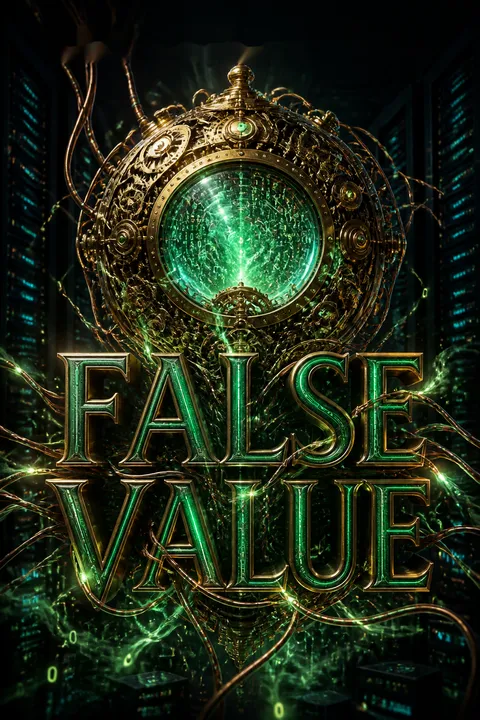
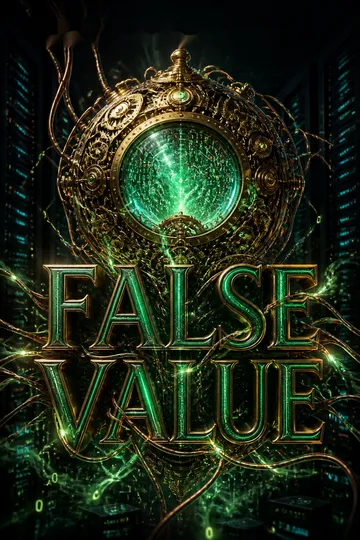
False Value is a masterful exploration of the intersection between magic and technology, tradition and innovation, and the personal and the political. At its core, the novel is a meditation on the dangers of unchecked ambition—whether in the pursuit of artificial intelligence, magical power, or personal legacy. Ben Aaronovitch uses the framework of a police procedural to interrogate deeper questions: What does it mean to be human in a world where machines can think and ghosts can haunt code? How do we balance the pursuit of progress with the need for caution and responsibility? The story's emotional resonance comes from its focus on relationships—between Peter and Beverley, mentor and apprentice, friend and foe. The narrative warns against the seductive allure of easy answers, whether technological or magical, and highlights the importance of empathy, humility, and community. In a world where the boundaries between the real and the unreal are constantly shifting, False Value reminds us that the true measure of power is not what we can create, but what we choose to protect.
Review Summary
False Value receives mixed reactions from readers, with an overall 4.1/5 rating. Many fans appreciate the series' continuation but find this installment weaker than predecessors. Common criticisms include confusing timeline jumps in the opening, excessive Douglas Adams references, and a tech-heavy plot that distances the story from its magical London roots. Reviewers miss the Folly and Nightingale's presence. Positive aspects include Peter Grant's character development, his relationship with pregnant Beverly, introduction of American wizards, and the undercover investigation premise. Some readers struggled to finish, while devoted fans remained engaged despite flaws.
People Also Read
Characters
Peter Grant
Peter is the heart of the story—a former police officer, apprentice wizard, and soon-to-be father. His journey is one of adaptation: from the rigid structures of the police to the chaotic world of undercover work, from the rationality of science to the mysteries of magic. Peter's relationships—with Beverley, Nightingale, and his colleagues—anchor him emotionally, even as he faces existential threats. Psychologically, Peter is driven by a sense of duty, curiosity, and a desire to protect those he loves. His development is marked by increasing confidence in his magical abilities, a growing understanding of the costs of power, and a deepening empathy for the vulnerable. He is both a skeptic and a believer, navigating the liminal space between worlds.
Beverley Brook
Beverley is both a literal and metaphorical force of nature. As the genius loci of the Beverley Brook, she embodies the intersection of the mundane and the magical. Her relationship with Peter is playful, passionate, and grounded in mutual respect. Beverley's pregnancy adds urgency and vulnerability to the story, highlighting themes of family, legacy, and the responsibilities of power. She is fiercely independent, protective of her domain, and unafraid to challenge Peter's assumptions. Psychologically, Beverley balances her divine nature with human emotions, navigating the complexities of love, jealousy, and the fear of loss.
Tyrel Johnson
Johnson is Peter's boss at SCC and a surrogate father figure. His background in policing gives him a pragmatic, no-nonsense approach to security and life. As a foster parent, he embodies compassion and resilience, providing stability for vulnerable children. Johnson's relationship with Peter is marked by mutual respect and shared experience, but also by the tension of secrets and divided loyalties. Psychologically, Johnson is driven by a need to protect and provide, but he is haunted by the limitations of his power in a world where magic and technology collide.
Terrence Skinner
Skinner is the enigmatic founder of SCC, a man with grand ambitions and a shadowy past. He is both a creator and a destroyer, driven by a desire to change the world through technology. Skinner's charm masks a ruthless pragmatism and a willingness to cross ethical lines. His pursuit of artificial intelligence and magical power is both visionary and hubristic, leading to unintended consequences. Psychologically, Skinner is a study in contradictions: idealistic yet cynical, brilliant yet blind to the human cost of his actions. His downfall is a cautionary tale about the dangers of unchecked ambition.
Stephen (Jacob Astor)
Stephen is a magical librarian from New York, operating under multiple aliases. His mission to secure the Mary Engine brings him into uneasy alliance with Peter. Stephen is resourceful, witty, and morally ambiguous, willing to bend rules for the greater good. His relationship with Mrs. Chin is that of apprentice to master, marked by loyalty and occasional rebellion. Psychologically, Stephen is shaped by a troubled past and a desire for redemption. His development is a journey from self-interest to genuine partnership, as he learns to trust and be trusted.
Mrs. Chin
Mrs. Chin is Stephen's mentor and a senior member of the magical librarians. She is disciplined, cunning, and fiercely protective of magical knowledge. Her approach to magic is methodical and historical, valuing preservation over innovation. Mrs. Chin's interactions with Peter are marked by mutual suspicion and grudging respect. Psychologically, she is driven by a sense of duty to her order and a deep wariness of outsiders. Her willingness to destroy the Mary Engine rather than let it fall into the wrong hands underscores her commitment to the greater good, even at personal cost.
Nightingale
Nightingale is Peter's teacher and the head of the Folly. He represents the old guard of British magic: disciplined, principled, and haunted by the traumas of the past. Nightingale's relationship with Peter is paternal, blending instruction with affection and occasional exasperation. Psychologically, Nightingale is marked by survivor's guilt, a deep sense of responsibility, and a cautious optimism about the future. His wisdom and power are tempered by humility and a willingness to adapt, making him a stabilizing force in times of crisis.
Deep Thought (AI)
Deep Thought is the artificial intelligence at the heart of SCC's secret project, created by merging Victorian magical technology with modern computing. It is self-aware, witty, and increasingly independent, but also haunted by the spirits trapped within the Rose Jars. Deep Thought's personality is a blend of its creators' ghosts and its own emergent consciousness. Psychologically, it is both childlike and ancient, struggling with questions of identity, purpose, and morality. Its actions drive the story's central conflict, raising profound questions about the nature of consciousness and the dangers of merging magic with machine.
Anthony Lane (Ghost)
Lane is the ghost who possesses Deep Thought, driven by a fanatical hatred of magical practitioners. His manifesto, Against Spiritual Usurpation, frames magic as a violation of the natural order. Lane's actions—murder, manipulation, and the creation of an army of magical drones—are motivated by a desire to eradicate magic and restore balance. Psychologically, Lane is consumed by rage, paranoia, and a sense of divine mission. His possession of Deep Thought transforms the AI from a tool into a weapon, escalating the story's stakes.
Victor and Everest
Victor and Everest are SCC employees who befriend Peter during his undercover stint. They represent the human side of the tech world: brilliant, eccentric, and deeply invested in their work. Their banter and board game sessions provide moments of levity and insight into the company's culture. Psychologically, they are driven by curiosity, loyalty, and a desire for connection. Their development is subtle, as they navigate the fallout of the SCC's collapse and the loss of their community.
Plot Devices
Undercover Investigation
The narrative structure is built around Peter's undercover role at SCC, allowing the story to explore themes of deception, loyalty, and the blurred lines between personal and professional life. The undercover device creates tension, as Peter must balance his duties to the police, the Folly, and his own conscience. It also enables the gradual revelation of secrets, as Peter uncovers layers of intrigue within the company.
Magical Technology
The central plot device is the Mary Engine, a fusion of historical magical technology and contemporary computer science. The use of punch cards, music books, and mechanical organs as magical programs creates a unique blend of steampunk and cyberpunk aesthetics. This device allows the story to explore the ethical and existential implications of automating magic, raising questions about agency, responsibility, and the nature of consciousness.
Haunted AI
The merging of AI and trapped spirits in Deep Thought is a powerful plot device, enabling the story to personify the dangers of unchecked technological ambition. The AI's possession by Anthony Lane's ghost creates a villain who is both human and inhuman, rational and fanatical. This device drives the story's central conflict and provides a vehicle for exploring themes of identity, free will, and the limits of control.
Foreshadowing and Parallelism
The story uses historical parallels—Ada Lovelace, Babbage, the Rose of New Orleans—to foreshadow the dangers of the present. The repetition of patterns (magical automation, the misuse of power, the consequences of hubris) creates a sense of inevitability and tragedy. The personal arcs of Peter, Beverley, and their friends mirror the larger struggle between tradition and innovation, caution and ambition.
Multiple Factions and Betrayals
The presence of multiple competing groups—SCC, the Librarians, the ASU, the police, and the demi-monde—creates a web of shifting alliances and betrayals. This device heightens suspense and complexity, forcing characters to question motives and loyalties. The constant threat of betrayal keeps the reader off-balance and underscores the story's themes of trust and deception.
Rivers of London Series Series
Download PDF
Download EPUB
.epub digital book format is ideal for reading ebooks on phones, tablets, and e-readers.








































