
Plot Summary
The Warmaster's Shadow Falls
The galaxy is in the throes of the Great Crusade, with the Emperor's genetically engineered sons—the primarchs—at the vanguard. Horus, the most beloved and capable, is elevated to Warmaster, entrusted with the Emperor's armies as his regent. The fleet is a tapestry of heroes, remembrancers, and mortals, all swept up in the mythic momentum of conquest. Yet, beneath the marble and gold, cracks begin to show. Horus's charisma and power inspire awe, but also envy and fear. The seeds of his eventual fall are sown in the very adulation that surrounds him, as the narrative hints at the dangers of unchecked ambition and the weight of expectation. The stage is set for a tragedy of cosmic proportions, as the greatest of the Emperor's sons begins to cast a long, uncertain shadow.
Seeds of Doubt
Within the ranks of the Sons of Horus, doubts and anxieties simmer. Garviel Loken, a captain of integrity, senses a subtle shift in the Legion's culture. The remembrancers—artists, poets, and chroniclers—struggle to capture the truth of war, while the Astartes themselves wrestle with their own humanity. The camaraderie of the Mournival, Horus's inner council, is tested by the pressures of leadership and the burdens of expectation. Erebus, a chaplain from the Word Bearers, insinuates himself into Horus's confidence, sowing seeds of spiritual and philosophical unrest. The Emperor's absence from the front lines leaves a vacuum, and the question of faith—whether in the Emperor, in reason, or in something darker—begins to gnaw at the hearts of men and demigods alike.
The Summoning of Davin
A mysterious summons from Erebus brings the 63rd Expedition back to Davin, a world once brought to compliance but now shrouded in decay and rebellion. The war council is tense, as Erebus claims that Eugan Temba, a trusted Imperial commander, has turned traitor and embraced sorcery. Horus, affronted by the insult to his honor, insists on leading the punitive expedition himself. The remembrancers and mortals are swept along, eager to witness history but unprepared for the horrors to come. The sense of foreboding deepens as the fleet prepares for war, and the first cracks in the unity of the Legion become visible.
Webs of Deceit
As the expedition lands on Davin's moon, the true nature of Erebus's machinations becomes apparent. The warrior lodges—secret societies within the Legions—are revealed as vectors for corruption, their rituals and oaths binding the Astartes in ways that undermine their loyalty to the Emperor. Loken and Torgaddon, wary of the growing influence of Erebus and the lodges, find themselves increasingly isolated. The remembrancers, too, are caught in the web, their art and words twisted by censorship and propaganda. The stage is set for a confrontation not just of armies, but of ideals and allegiances.
The Plague Moon
The assault on Davin's moon is a nightmare. The landscape is a festering swamp, and the dead rise to assail the living. The Astartes, for all their might, are beset by horrors that defy reason—plague, sorcery, and the walking dead. The Titans of the Mechanicum stride the battlefield, but even their power is not enough to dispel the sense of doom. The Warmaster himself leads from the front, but the cost is high. The boundaries between life and death, loyalty and treachery, begin to blur, and the true enemy remains hidden in the mists.
The Dead Rise
The Sons of Horus are beset by the reanimated corpses of their own fallen comrades, twisted by the power of the warp. The battle becomes a desperate struggle for survival, as ammunition runs low and the enemy seems endless. The remembrancers and mortals are caught in the crossfire, their illusions of glory shattered by the reality of war. The Warmaster's leadership is both a beacon and a burden, as his presence inspires his sons but also draws them deeper into the trap. The cost in blood and sanity is immense, and the survivors are left scarred and shaken.
The Betrayer Unmasked
The expedition discovers the wreck of the Glory of Terra, Temba's flagship, and the source of the corruption. Horus leads a strike force into the hulk, determined to confront Temba and restore his honor. Inside, they find a charnel house of rot and sorcery, and Temba himself transformed into a monstrous avatar of the warp. In a brutal duel, Horus slays Temba, but not before being wounded by a cursed blade—the anathame. The wound is more than physical; it is a spiritual poison, and as Horus collapses, the fate of the galaxy hangs in the balance.
The Fall of Horus
Horus is struck down, his body failing as the poison of the anathame spreads. The Sons of Horus are thrown into chaos, their faith in their invincibility shattered. The remembrancers and mortals are swept up in the panic, as rumors of the Warmaster's death spread like wildfire. The Legion is paralyzed, and the bonds of brotherhood begin to fray. In desperation, the warrior lodge, guided by Erebus, takes Horus to the Temple of the Serpent Lodge, seeking forbidden healing. The price of salvation is left unspoken, and the first true step into heresy is taken.
The Veil Between Worlds
As Horus lies dying, his soul is cast into the warp, where he is confronted by visions and temptations. Guided by a figure who appears as his beloved Sejanus, Horus is shown a future of religious tyranny, betrayal, and the Emperor's apotheosis. The gods of the warp offer him power and vengeance in exchange for his allegiance. Magnus the Red, primarch of the Thousand Sons, attempts to intervene, warning Horus of the deception, but is thwarted by the sorceries of Erebus and the Serpent Lodge. The battle for Horus's soul becomes a microcosm of the war for the galaxy.
The House of False Gods
Within the Delphos, the Temple of the Serpent Lodge, Horus is subjected to a ritual that blurs the line between healing and corruption. The visions in the warp intensify, showing him the Emperor's supposed betrayal and the futility of loyalty. The gods of the warp, through Erebus's manipulation, offer Horus a new destiny as the savior of mankind—if only he will turn against his father. The choice is agonizing, and the consequences will echo across eternity.
The Devil's Bargain
Horus awakens, miraculously healed, but changed. The seeds of heresy have taken root in his heart. The warrior lodges, now fully complicit, become the backbone of a new order within the Legion. Loken and Torgaddon, increasingly marginalized, struggle to hold onto their ideals as the Legion's culture shifts towards secrecy, ruthlessness, and fanaticism. The remembrancers, poets, and artists who seek to tell the truth are silenced—some by violence, others by despair. The truth becomes a weapon, and the first casualties of the coming war are not soldiers, but conscience and memory.
The Truth is All We Have
Ignace Karkasy, the poet, and Euphrati Keeler, the imagist, become symbols of resistance within the fleet. Their art and faith challenge the new orthodoxy, but the price is high. Karkasy is murdered, his death disguised as suicide, while Keeler, after a miraculous confrontation with a daemon, falls into a coma, venerated as a living saint. The remembrancers' struggle to bear witness is crushed by the machinery of power, and the Legion's descent into darkness accelerates. The cost of truth is isolation, madness, and death.
The Shattering of Brotherhood
The war against the Auretian Technocracy becomes a crucible for the Sons of Horus. The bonds of brotherhood are shattered as the Legion turns on itself, purging dissenters and scapegoating the innocent. The Mournival, once the heart of the Legion's conscience, is broken. Loken and Torgaddon, now outcasts, cling to their ideals even as the world around them descends into barbarity. The massacre at the Iron Citadel marks the point of no return, as the Legion's honor is drowned in blood.
The Quiet Order
The warrior lodges, once secret, now become the true power within the Legion. Horus, Abaddon, Aximand, and their inner circle consolidate their control, purging rivals and dissenters. The Mechanicum, the Word Bearers, and other factions are drawn into the conspiracy, each with their own motives and ambitions. The machinery of heresy is set in motion, and the fate of the Imperium is sealed. The old order is dead; in its place rises a new, darker vision of unity.
The Saint and the Poet
Euphrati Keeler's confrontation with the warp leaves her in a coma, but her act of faith inspires a new cult of the Emperor as a god. The Lectitio Divinitatus spreads like wildfire, offering hope in the face of despair. Sindermann, the iterator, is forced to confront the limits of reason and the power of belief. The lines between truth and myth, history and legend, blur, as the galaxy prepares for a war not just of armies, but of souls.
The Path to Heresy
Horus, now fully in thrall to the powers of the warp, reveals his true intentions to his inner circle. The plan to overthrow the Emperor is set in motion, with alliances forged in blood and betrayal. The remembrancers and mortals who might bear witness are silenced, their stories erased or twisted. The Legion is remade in Horus's image, and the path to heresy is irrevocably chosen. The galaxy stands on the brink of civil war, and the age of heroes gives way to the age of false gods.
The War Council
Horus convenes his war council, bringing together the Mechanicum, the Word Bearers, and other allies. The plan to lure the loyalist Legions into a trap is finalized, and the machinery of rebellion grinds into motion. The last vestiges of honor and brotherhood are sacrificed on the altar of ambition. The remembrancers, poets, and saints who might have offered hope are gone, and the galaxy is left in the hands of those who would remake it in their own image.
The Istvaan Gambit
The fleet sets course for Istvaan, where the first open act of rebellion will be unleashed. The loyalist Legions are summoned, unaware that they are marching into a slaughter. Horus, now the architect of the galaxy's greatest betrayal, stands ready to cast down the Emperor and seize the throne for himself. The age of reason and unity is over; the age of heresy and false gods has begun. The tragedy of Horus is complete, and the galaxy will burn.
Analysis
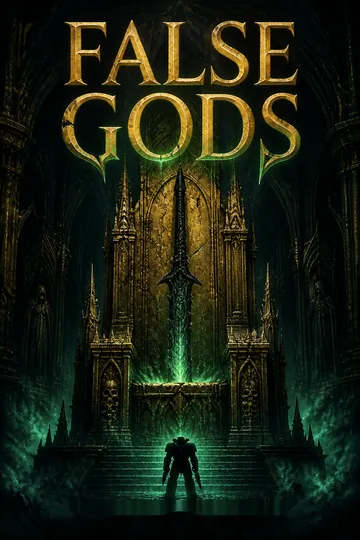
False Gods is a masterful exploration of the fragility of faith, the dangers of unchecked ambition, and the tragic consequences of betrayal. At its heart, the novel is a meditation on the nature of power—how it is won, how it is wielded, and how it corrupts. The fall of Horus is both cosmic and deeply personal, a tragedy born of love, pride, and manipulation. The narrative's use of multiple perspectives—Astartes, remembrancers, mortals—allows for a nuanced examination of the costs of war, the limits of reason, and the power of myth. The remembrancers' struggle to bear witness, the rise of the Lectitio Divinitatus, and the silencing of dissent all foreshadow the coming age of darkness, where truth is a casualty and faith becomes both weapon and refuge. The novel's lessons are stark: that unity without conscience is tyranny, that the machinery of power grinds all beneath it, and that the greatest tragedies are born not of malice, but of love twisted by fear. In the end, False Gods is a warning—a reminder that even the brightest star can fall, and that the cost of silence, complicity, and lost ideals is nothing less than the soul of humanity itself.
Review Summary
False Gods by Graham McNeill receives mixed reviews averaging 4.14/5 stars. Readers praise the book's action sequences, corruption narrative, and exploration of Horus's fall to Chaos, with many finding it equal or superior to the first novel. However, critics argue the corruption happens too quickly and simplistically, with Horus appearing easily manipulated despite being a strategic genius. Some note weaker character development and writing quality compared to the predecessor. Positive reviews highlight the rich lore, emotional impact, and effective portrayal of moral ambiguity, while detractors cite poor pacing, inconsistent characterization, and unconvincing villain motivations. Most agree it successfully advances the series' overarching narrative.
People Also Read
Characters
Horus
Horus is the Emperor's favored son, the Warmaster, and the greatest of the primarchs. His charisma, tactical genius, and genuine love for his brothers make him a natural leader, but also a target for envy and manipulation. Psychologically, Horus is torn between his loyalty to the Emperor and his own ambition, between the burden of command and the desire for love and recognition. His fall is engineered by Erebus and the powers of the warp, who exploit his doubts, pride, and sense of betrayal. Horus's transformation from hero to heretic is both cosmic and deeply personal—a tragedy of a man who sought to save humanity, only to become its greatest destroyer. His relationships with his brothers, his sons, and the Emperor are complex, marked by love, rivalry, and ultimately, betrayal.
Garviel Loken
Loken is a captain of the Sons of Horus, renowned for his integrity, courage, and loyalty. He serves as the moral center of the narrative, struggling to hold onto his ideals as the Legion descends into darkness. Loken's relationships—with Torgaddon, the Mournival, and the remembrancers—are marked by genuine affection and respect. Psychologically, he is haunted by doubt and guilt, torn between obedience and conscience. As the Legion embraces heresy, Loken becomes increasingly isolated, a Cassandra figure whose warnings go unheeded. His journey is one of loss—of friends, of faith, and of the world he believed in.
Tarik Torgaddon
Torgaddon is the heart of the Mournival, known for his humor, warmth, and unshakeable loyalty. He provides emotional support to Loken and the others, but is himself deeply affected by the Legion's transformation. Torgaddon's psychological resilience is tested as he is forced to choose between loyalty to his brothers and loyalty to his conscience. His eventual break with the Quiet Order marks him as a tragic figure, a man who refuses to compromise his integrity even as the world turns against him.
Ezekyle Abaddon
Abaddon is Horus's right hand, a warrior of immense strength and pride. His loyalty to Horus is absolute, but it blinds him to the dangers of ambition and manipulation. Abaddon's psychological makeup is defined by a need for order, strength, and recognition. As the Legion falls under the sway of the lodges and Erebus, Abaddon becomes a key enforcer of the new order, sacrificing friendship and honor for the promise of power. His relationship with Loken and Torgaddon is strained, and his transformation foreshadows the horrors to come.
Horus Aximand ("Little Horus")
Aximand is the most introspective of the Mournival, often serving as a voice of reason and caution. He is deeply loyal to Horus, but is also troubled by the changes within the Legion. Psychologically, Aximand is torn between tradition and innovation, between the old values of the Luna Wolves and the new culture of the Sons of Horus. His eventual embrace of the Quiet Order and complicity in the Legion's crimes mark him as a tragic figure, a man who loses himself in the pursuit of unity.
Erebus
Erebus is the First Chaplain of the Word Bearers, a master of deception and spiritual corruption. He insinuates himself into Horus's confidence, orchestrating the events that lead to the Warmaster's fall. Psychologically, Erebus is a true believer in the power of the warp and the gods of Chaos, but his faith is twisted by ambition and malice. He exploits the weaknesses of others, turning brother against brother and sowing the seeds of heresy. Erebus's relationship with Horus is one of seduction and betrayal, and his influence is the catalyst for the galaxy's greatest tragedy.
Petronella Vivar
Petronella is a remembrancer from Terra, determined to record the glory of Horus and the Great Crusade. Her ambition and curiosity drive her to seek out the truth, but she is ultimately destroyed by the very forces she seeks to understand. Psychologically, Petronella is both naive and perceptive, her faith in the power of words tested by the realities of war and betrayal. Her relationship with Horus is complex, marked by admiration, fear, and ultimately, victimhood. Her murder by Horus symbolizes the silencing of truth in the age of heresy.
Ignace Karkasy
Karkasy is a remembrancer whose poetry and wit make him both beloved and dangerous. He serves as a conscience for the fleet, challenging the official narrative and bearing witness to the Legion's descent. Psychologically, Karkasy is driven by a need for honesty and meaning, but is ultimately destroyed by the forces he opposes. His murder, disguised as suicide, is a warning to all who would speak truth to power.
Euphrati Keeler
Keeler is a remembrancer whose journey from skepticism to faith mirrors the spiritual crisis of the Imperium. Her miraculous confrontation with a daemon and subsequent coma make her a living symbol of the Emperor's divinity. Psychologically, Keeler is both vulnerable and courageous, her search for meaning leading her to the heart of the galaxy's spiritual conflict. Her veneration as a saint marks the beginning of a new cult, one that will shape the future of the Imperium.
Maloghurst
Maloghurst is Horus's equerry, a figure marked by physical deformity and psychological complexity. His loyalty to Horus is absolute, but it blinds him to the dangers of ambition and corruption. Maloghurst serves as a facilitator and enabler, smoothing the path for Horus's transformation and the Legion's descent. His relationship with the other characters is marked by manipulation, secrecy, and a willingness to do whatever is necessary for the Warmaster's cause.
Plot Devices
The Warrior Lodge
The lodges, inspired by the traditions of conquered worlds, become secret societies within the Legions, binding warriors with oaths and rituals that supersede their loyalty to the Emperor. The lodges serve as a vehicle for Erebus's manipulation, spreading dissent and undermining the chain of command. The secrecy and exclusivity of the lodges create an atmosphere of paranoia and mistrust, isolating those who resist and empowering those who embrace the new order. The lodges are both a symbol and a mechanism of the Legion's transformation, foreshadowing the civil war to come.
The Anathame
The anathame, a blade stolen from the interex, is both a literal and symbolic instrument of Horus's fall. Its wound is not merely physical, but spiritual, opening Horus to the influence of the warp and the machinations of Erebus. The anathame's journey—from theft to murder weapon to object of study and finally to a tool of further betrayal—mirrors the progression of the Legion's corruption. Its presence foreshadows the coming of Chaos and the collapse of reason.
The Remembrancers
The remembrancers serve as both narrators and participants, their art and words shaping and reflecting the events of the Crusade. Their struggle to bear witness is a central theme, as they are alternately celebrated, censored, and destroyed. The fate of Karkasy, Keeler, and Vivar illustrates the dangers of truth in an age of lies, and their stories serve as a counterpoint to the official narrative of glory and conquest. The remembrancers' presence allows for a multi-layered narrative, blending personal testimony with epic tragedy.
The Vision Quest
Horus's near-death experience and journey through the warp serve as both a literal and symbolic exploration of temptation, doubt, and transformation. Guided by false friends and confronted by visions of the future, Horus is forced to confront the nature of power, faith, and betrayal. The vision quest structure allows for foreshadowing, allegory, and psychological depth, as Horus's choices become the fulcrum upon which the fate of the galaxy turns.
Foreshadowing and Irony
Throughout the narrative, foreshadowing is used to create a sense of inevitability and tragedy. The adulation of Horus, the unity of the Legion, and the promise of a golden age are all undercut by hints of betrayal, corruption, and doom. Irony abounds, as the very institutions and ideals that are meant to save humanity become the instruments of its destruction. The narrative structure, with its shifting perspectives and interwoven testimonies, reinforces the sense of a world on the brink of catastrophe.
The Horus Heresy Series Series
Download PDF
Download EPUB
.epub digital book format is ideal for reading ebooks on phones, tablets, and e-readers.








































