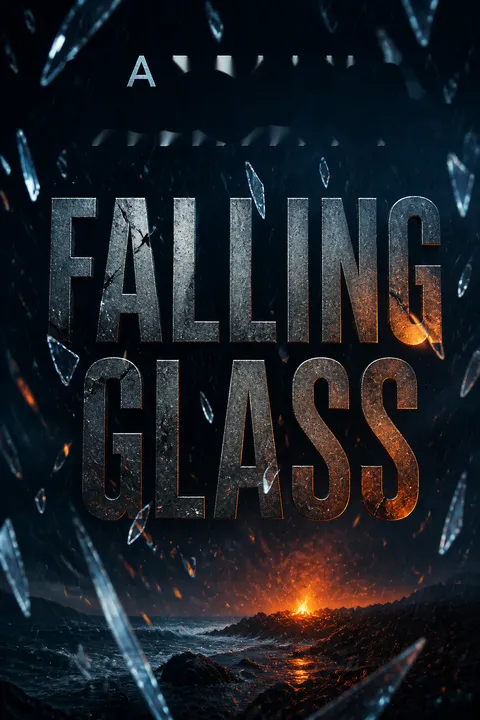

Plot Summary
Exile and Return
Killian, a former enforcer from Belfast, finds himself back in Ireland after years abroad, drawn by debts and the promise of one last lucrative job. The world he returns to is changed, yet the old ghosts and codes of violence and loyalty remain. Killian is tired, haunted by his past, and uncertain if he can ever truly leave "The Life" behind. His skills are still in demand, and soon he's pulled into a new case—one that will test his resolve, his morality, and his sense of belonging. The city's undercurrents of violence and history press in, and Killian must decide if he's a man of the past or if he can forge a new future.
Desperate Flight
Rachel, estranged wife of airline magnate Richard Coulter, is hiding in a caravan with her two daughters, Claire and Sue. She's exhausted, addicted, and desperate, haunted by the threat of her ex-husband's reach. When hired muscle tracks her down, violence erupts—her dog is killed, and she narrowly escapes with her children. Rachel's flight is frantic and raw, driven by fear for her daughters' safety and her own crumbling sanity. The world closes in, and every decision is a gamble between survival and surrender. Her journey is a testament to a mother's fierce, flawed love and the cost of secrets.
The Persuader's Job
Killian is recruited by Michael Forsythe and Sean Byrne to collect a debt from a desperate gambler, Marcetti, in New England. The job is a test of Killian's old skills—intimidation, negotiation, and the art of reading men on the edge. The encounter is tense, a dance of threats and stories, but Killian's reputation and psychological insight win the day. He secures the money without bloodshed, but the job is a reminder of the violence always lurking beneath the surface. The episode cements Killian's status as a man who can get things done, but it also deepens his sense of alienation from the "legit" world.
A Deal with Devils
Killian is summoned to Macau to meet Richard Coulter, who offers him a fortune to find Rachel and his daughters. The meeting is a collision of worlds—Coulter's wealth and power, Killian's streetwise pragmatism, and the shadowy presence of Tom Eichel, Coulter's consigliere. The job is more than a missing persons case; it's entangled with family, addiction, and the threat of scandal. Killian senses deeper currents—secrets, betrayals, and the possibility that he's being used as a pawn in a much larger game. The stakes are high, and the lines between hunter and hunted begin to blur.
The Missing and the Hunted
Rachel, now deep in hiding, struggles with addiction, paranoia, and the relentless pursuit of Coulter's agents. She reaches out to her family and lawyer, seeking help but finding only dead ends and betrayals. The pressure mounts as she realizes the net is tightening—her only leverage is a mysterious laptop containing secrets that could destroy Coulter and others. The chapter is a portrait of a woman on the edge, fighting for her children and her own soul, as the forces arrayed against her grow ever more ruthless.
The Man from the East
Markov, a Russian ex-soldier and professional assassin, is hired to find and silence Rachel. His introduction is a chilling display of violence and efficiency, as he executes a brutal job in Mexico before heading to Ireland. Markov is a man shaped by war and trauma, haunted by memories and driven by a cold professionalism. His presence raises the stakes—he is not bound by local codes or sentiment, and his pursuit of Rachel is relentless. The collision course between Markov and Killian is set, promising blood and reckoning.
Tailing Shadows
Killian follows Rachel's trail across Ireland, always a step behind, while Markov tails Killian, setting up a deadly game of cat and mouse. The landscape is bleak, rain-soaked, and haunted by history. Killian's investigation brings him into contact with Rachel's allies and enemies, revealing the depth of her desperation and the danger she faces. The tension escalates as Markov closes in, and Killian realizes he is not the only hunter on the field. The chapter is a meditation on pursuit, paranoia, and the thin line between predator and prey.
The Island Refuge
Rachel finds temporary safety on a remote island in Lough Erne, where she and her daughters experience a brief respite from fear. The island is a liminal space, suspended between worlds, offering hope and the illusion of security. Killian finally catches up, and a tense, wary alliance forms between him and Rachel. The secrets of the laptop come to the fore, revealing the true stakes of the chase. But safety is fleeting, and the shadow of violence looms ever closer, as Markov prepares to strike.
Secrets and Blackmail
The contents of the laptop are exposed: damning evidence of child abuse and corruption involving Coulter, Tom Eichel, and powerful figures in Northern Ireland. The revelation reframes the entire pursuit—Rachel is not just a fugitive mother, but the keeper of a secret that could topple governments and shatter lives. Killian is forced to choose sides, torn between his contract and his conscience. The web of blackmail, betrayal, and moral ambiguity tightens, and the cost of survival becomes ever more acute.
Betrayals and Blood
Markov, having manipulated the pursuit, launches a brutal attack on the island. Killian and Rachel, outgunned and desperate, fight for their lives and the lives of the children. The confrontation is savage and chaotic, a test of will and ingenuity. Killian's old skills and Rachel's newfound resolve are pushed to the limit. The violence leaves scars—physical and psychological—and the survivors are forever changed. The chapter is a crucible, burning away illusions and forcing hard choices.
The Final Stand
The survivors flee to Islandmagee, seeking refuge among the Pavee, Killian's people. The community offers shelter, tradition, and a sense of belonging, but the threat is not over. Tom Eichel and Coulter, desperate to contain the scandal, orchestrate a final assault, using paramilitary proxies and Markov as their instrument. The attack is a night of fire and blood, testing the bonds of loyalty and the strength of the old ways. Killian must confront his own identity and the meaning of honour in a world that seems to have none.
The Reckoning
Killian, wounded and enraged, takes the fight to Tom Eichel and Coulter. The confrontation is both personal and symbolic—a battle between the codes of the street and the corruption of power. Killian's actions are shaped by the Pavee code: debts, loyalty, and the necessity of keeping one's word. The violence is swift and final, but it comes at a cost. The old world is dying, and the survivors must find a way to live in the ruins.
Aftermath and Escape
With the enemies dead and the secrets lost to the depths, Rachel and her daughters are free, but forever marked by trauma. Killian, now a fugitive himself, helps them escape, using the old networks of the Pavee. The world is changed—there is no going back, only forward into uncertainty. The bonds forged in violence and fear endure, but the future is unwritten. The chapter is a meditation on survival, loss, and the possibility of redemption.
The Old Ways Endure
The Pavee community gathers for a ceilidh, celebrating survival and the persistence of their culture. Killian reflects on the meaning of home, family, and the old codes that have guided him. The world outside is hostile and indifferent, but within the circle of the fire, there is warmth, music, and the promise of continuity. The chapter is a bittersweet affirmation of identity in the face of erasure.
Ceilidh Night
Rachel, Killian, and the girls find solace in the rhythms of the Pavee gathering. Music, dance, and storytelling offer healing and connection. The trauma of the past recedes, if only for a night, and the possibility of a new life glimmers on the horizon. The chapter is a celebration of resilience, community, and the small joys that make survival worthwhile.
The Killing of the Tinkers
The fragile peace is shattered by an attack orchestrated by Tom Eichel, using local thugs and Markov as cover. The Pavee camp is set ablaze, and chaos reigns. Killian and the others fight back with courage and desperation, defending their own against overwhelming odds. The battle is brutal, and the cost is high, but the attackers are repelled. The old ways prove their worth, but the price of survival is steep.
Once Upon a Time in Belfast
Killian, driven by duty and rage, hunts down Tom Eichel and Coulter, delivering justice according to the only code he knows. The killings are both an act of vengeance and a closing of the circle—a reckoning for all the betrayals and violence that have shaped their lives. The city is both a graveyard and a cradle, holding the memories of the dead and the hopes of the living. The story ends where it began: in exile, with the past always present.
Epilogue: Trojan Ghosts
Killian, now living under an assumed name in England, is visited by Michael Forsythe, who has come to settle old debts. The meeting is a coda—a conversation about honour, violence, and the impossibility of escape. The ghosts of the past linger, but there is also the possibility of forgiveness and understanding. The story ends with a song, a wheatear singing in the dusk, and the sense that the old stories never truly end.
Analysis
A meditation on violence, loyalty, and the cost of survivalFalling Glass is more than a crime thriller—it is a profound exploration of the ways in which the past shapes the present, and how individuals navigate the collapse of old certainties in a world marked by betrayal and change. The novel interrogates the codes of honour that once governed the underworld and the Pavee, showing both their power and their limitations. It is unsparing in its depiction of violence, addiction, and the corrosive effects of secrecy, but it also affirms the possibility of redemption through loyalty, love, and the endurance of tradition. The story's emotional arc is one of exile and return, loss and survival, and the search for meaning in a world where the old stories still haunt the living. In the end, Falling Glass asks what it means to keep one's word, to protect the vulnerable, and to find a place to belong when the world itself is falling apart.
Review Summary
Falling Glass follows Killian, a semi-retired Irish enforcer and Pavee (Irish Traveller), who accepts a lucrative job tracking down a wealthy airline tycoon's ex-wife and daughters. The seemingly simple task becomes complicated when he discovers darker truths about his employer. Reviewers praise McKinty's tight writing, compelling dialogue, and authentic Irish atmosphere. Gerard Doyle's audiobook narration receives widespread acclaim. Most appreciate Killian's character—intelligent and preferring persuasion over violence—and the cultural insights into Pavee traditions. The ending proves divisive: some find it masterful and unexpectedly brilliant, while others consider it frustratingly open-ended.
People Also Read
Characters
Killian
Killian is a former heavy from Belfast, a man shaped by violence, loyalty, and the codes of the Pavee (Irish Traveller) tradition. He is intelligent, introspective, and deeply conflicted—torn between the old ways and the desire for a new life. His relationships are marked by loyalty and a sense of duty, but also by alienation and regret. Killian's journey is one of self-discovery, as he confronts the ghosts of his past and the moral ambiguities of his present. His psychological depth is revealed in his empathy for the vulnerable, his reluctance to use violence, and his ultimate willingness to sacrifice himself for others. Killian's arc is a meditation on honour, identity, and the possibility of change.
Rachel Coulter
Rachel is the estranged wife of Richard Coulter, a woman fleeing addiction, abuse, and the threat of losing her children. She is resourceful, resilient, and fiercely protective of her daughters, but also deeply damaged by trauma and guilt. Rachel's relationship with Killian is complex—marked by suspicion, gratitude, and a growing trust. Her possession of the incriminating laptop makes her both a target and a potential agent of justice. Rachel's psychological journey is one of survival, self-forgiveness, and the struggle to reclaim agency in a world determined to silence her. Her development is a testament to the strength and vulnerability of women under siege.
Richard Coulter
Coulter is a self-made airline magnate, a man of charm, power, and deep moral rot. His public persona is that of a successful entrepreneur and family man, but beneath the surface he is implicated in abuse, blackmail, and the ruthless pursuit of self-preservation. Coulter's relationships are transactional—he uses people as tools or threats, and his love for his children is tainted by control and fear. Psychologically, he is a study in denial, rationalization, and the corrosive effects of unchecked power. His downfall is both inevitable and tragic, a consequence of the secrets he cannot bury.
Tom Eichel
Tom is Coulter's right-hand man, a lawyer and fixer who orchestrates the pursuit of Rachel and the cover-up of the scandal. He is intelligent, calculating, and utterly ruthless, willing to use any means to protect his interests and those of his employer. Tom's relationship with Coulter is one of mutual dependence and shared guilt. Psychologically, he is a man hollowed out by compromise, addiction, and the burden of secrets. His eventual demise is a reckoning for a life spent in the service of power without principle.
Markov (Starshyna)
Markov is a Russian ex-soldier and assassin, hired to eliminate Rachel and retrieve the laptop. He is cold, efficient, and haunted by the violence of his past. Markov's relationships are transactional—he feels little for his employers or his victims, but is capable of moments of reflection and regret. Psychologically, he is a man numbed by trauma, seeking meaning in professionalism and the rituals of violence. His confrontation with Killian is a clash of codes—brutality versus honour, the new world versus the old.
Sean Byrne
Sean is Killian's former boss and mentor, a man who straddles the line between criminality and respectability. He is pragmatic, loyal, and deeply invested in the codes of the old world. Sean's relationship with Killian is paternal but also fraught with disappointment and betrayal. Psychologically, he is a survivor, always looking for the angle, but increasingly out of place in a world that no longer values his skills. His arc is one of loss and adaptation.
Michael Forsythe
Michael is a legendary figure in the underworld, a man whose reputation precedes him. He is intelligent, ruthless, and bound by his own code of honour. Michael's relationship with Killian is complex—part admiration, part rivalry, part obligation. Psychologically, he is a man who has made peace with violence, but who recognizes the costs. His appearance in the epilogue is both a threat and a gesture of respect, a final reckoning between men who understand the price of survival.
Claire
Claire is Rachel's older daughter, a child forced to grow up too quickly in the shadow of violence and flight. She is intelligent, resourceful, and fiercely loyal to her mother and sister. Claire's psychological journey is one of resilience and adaptation, as she navigates the chaos of her family's life and the dangers that surround them. She represents the possibility of a future untainted by the sins of the past.
Sue
Sue is Rachel's younger daughter, a child with learning difficulties and a gentle spirit. She is the emotional center of the family, her vulnerability both a source of danger and a catalyst for courage. Sue's relationship with Killian is especially poignant—he sees in her the possibility of redemption and the necessity of protection. Psychologically, she is a reminder of what is at stake, and her survival is a measure of the story's moral success.
Donal
Donal is the chief of the Pavee camp, a young man who embodies the values of hospitality, loyalty, and resilience. He offers refuge to Killian, Rachel, and the girls, and his leadership is marked by generosity and strength. Donal's relationship with Killian is one of kinship and mutual respect. Psychologically, he is a stabilizing force, a reminder that the old ways still have power in a changing world.
Plot Devices
Dual Pursuit Structure
The novel employs a dual pursuit structure: Rachel is hunted by both Killian (the "persuader" hired to find her) and Markov (the assassin sent to silence her). This creates a layered tension, as the reader is never sure who will reach her first or what their intentions will be. The structure allows for shifting sympathies and a deepening of character motivations, as both hunter and hunted are revealed to be more complex than they first appear.
Foreshadowing and Symbolism
The novel is rich in foreshadowing—references to the "falling glass," the weather, and the old codes of honour signal impending violence and the collapse of old certainties. Symbols such as the laptop (knowledge as both power and curse), the island (liminality and false sanctuary), and the wheatear (migration, survival, and song) deepen the narrative's resonance and connect personal fates to larger historical and mythic patterns.
Interwoven Backstories
The narrative frequently shifts between present action and backstory, revealing the traumas, betrayals, and choices that have shaped each character. These interludes provide psychological depth and contextualize the violence, showing how the past is never truly past. The technique also allows for commentary on the Troubles, the decline of traditional codes, and the persistence of memory.
Moral Ambiguity and Shifting Alliances
The novel resists simple moral binaries—Killian is both a killer and a protector, Rachel is both a victim and a manipulator, Coulter is both a father and a monster. Alliances shift as new information comes to light, and characters are forced to choose between competing loyalties and values. This ambiguity is both a source of suspense and a commentary on the complexities of survival in a corrupt world.
Thematic Echoes and Literary Allusions
The story is laced with allusions—to the Iliad, to Irish mythology, to noir fiction, and to the poetry of exile and return. These echoes serve to universalize the characters' struggles, connecting their personal dramas to larger questions of fate, honour, and the meaning of home. The use of literary and mythic frameworks also allows the novel to comment on the persistence of old stories in new forms.
About the Author

Download PDF
Download EPUB
.epub digital book format is ideal for reading ebooks on phones, tablets, and e-readers.








































