
Plot Summary
Shattered by the Devil
The story opens with Lincoln's world collapsing as Lucifer, the Devil himself, violently abducts Brielle, Lincoln's fiancée, during a moment of celebration. The trauma is immediate and visceral—Brielle's throat is cut, and she vanishes through a portal to Hell. Lincoln, his friends, and the Fallen Academy are left in chaos, unable to follow or save her. The pain is both physical and emotional, as Lincoln's broken wings mirror his shattered heart. The group's desperate attempts to open a portal are thwarted by dark magic, leaving them helpless and consumed by fear and grief. The loss is raw, and the sense of powerlessness sets the tone for the emotional journey ahead.
Desperate Portals and Pain
Lincoln and his friends, especially Shea, scramble to find a way to reach Brielle. Shea's magical abilities are blocked, intensifying the panic. The group's unity is tested as they confront their limitations and the overwhelming might of Lucifer. Lincoln's physical injuries and emotional wounds deepen as he tries to push through pain for the sake of love. The urgency is palpable—every second counts, and the possibility of losing Brielle forever haunts them. The chapter captures the agony of being unable to save someone you love, and the desperate hope that still lingers, even as reality grows darker.
Grief's Relentless Grip
In the aftermath, Lincoln wakes in the healing unit, disoriented and clinging to denial. The reality of Brielle's disappearance crushes him, and the support of friends like Shea and Noah is both a comfort and a painful reminder of what's lost. The Academy mobilizes search teams, but hope fades as hours pass with no sign of Brielle. Lincoln's grief is compounded by guilt and memories of past losses, pushing him toward emotional collapse. The world feels empty, and the pain of absence becomes a constant companion, threatening to consume him entirely.
Refusing to Let Go
Despite overwhelming grief, Lincoln and Shea make a pact on the beach—never to give up on Brielle. This moment of solidarity is a lifeline, pulling Lincoln back from the brink. Shea's fierce determination reignites Lincoln's hope, even as the world urges them to move on. The bond between friends becomes a source of strength, and the refusal to accept loss becomes an act of defiance against fate. The emotional arc shifts from despair to a fragile hope, as they vow to keep searching, no matter the cost.
Funeral Without a Body
Months pass with no sign of Brielle, and the world around Lincoln begins to move on. A funeral is held without a body, symbolizing the struggle to find closure in the face of uncertainty. Lincoln is unable to accept Brielle's death, feeling isolated as others try to heal. The ceremony is a turning point—Lincoln's anger and pain boil over, and he rejects the idea of letting go. The chapter explores the complexities of grief, the need for tangible proof, and the ways in which love resists finality.
Hope Rekindled, Plans Made
Shea discovers a way to use Brielle's wedding ring to create a magical connection, briefly sensing Brielle's presence. This fleeting contact reignites hope in Lincoln's heart, but the connection is quickly severed. The possibility that Brielle is alive becomes both a blessing and a torment, as hope and doubt wage war within Lincoln. Determined to act, Lincoln resolves to take matters into his own hands, setting the stage for a dangerous journey into Demon City. The emotional stakes are raised, as hope becomes both a motivator and a source of new pain.
Into Demon City's Depths
Lincoln ventures into Demon City, seeking the help of a Mugwort demon named Gaf. The journey is perilous—demon energy weakens him, and the environment is hostile. Lincoln's willingness to sacrifice his own safety underscores the depth of his love and desperation. He bargains with Gaf, offering money and even agreeing to fight in a brutal underground ring for information about Brielle. The chapter highlights Lincoln's transformation—his pain has made him reckless, willing to cross moral lines in pursuit of the woman he loves.
Fighting for Information
Lincoln faces a deadly opponent in the fighting ring, pushing his body and spirit to the limit. The fight is savage, and Lincoln is forced to kill to survive and secure Gaf's help. The violence marks a point of no return—Lincoln is no longer the man he once was. The cost of hope is high, and the line between heroism and self-destruction blurs. The chapter captures the physical and psychological toll of Lincoln's quest, as he becomes both a savior and a sinner in his own eyes.
The Last Resort
When Gaf returns with only Brielle's necklace and vague news that she may be dead, Lincoln's hope shatters. Overwhelmed by guilt and helplessness, he contemplates suicide as a way to reach Brielle in Hell. The darkness that has haunted him threatens to consume him completely. The act is both a cry for help and a testament to the depth of his love. The chapter is a raw exploration of despair, the limits of endurance, and the dangerous allure of self-sacrifice in the face of unbearable loss.
Raphael's Intervention
As Lincoln attempts to end his life, Raphael intervenes, healing his wounds and offering compassion instead of judgment. Raphael's act of love and sacrifice—risking his own place in Heaven—reminds Lincoln of his worth and the importance of trusting in a greater plan. The encounter is transformative, pulling Lincoln back from the edge and planting the seeds of acceptance. Raphael's wisdom and unconditional support become a turning point, helping Lincoln begin to let go of his need for control and embrace hope once more.
Joining the Resistance
Unable to remain in Angel City, Lincoln joins the Fallen Resistance in San Francisco, dedicating himself to rescuing women and children from demonic slavery. The work is dangerous and morally complex, but it offers Lincoln a sense of purpose and redemption. He partners with Catia, a tough and resourceful mage, and together they navigate the treacherous world of undercover operations. The chapter explores themes of atonement, camaraderie, and the search for meaning in the aftermath of trauma.
Undercover in San Francisco
Lincoln and Catia pose as a couple to infiltrate the city's human trafficking network. The experience is surreal and often darkly humorous, as they navigate the challenges of maintaining their cover while enduring constant surveillance. The emotional toll is heavy—Lincoln is haunted by memories of Brielle, while Catia carries her own scars. Their friendship becomes a source of comfort and strength, and their shared mission binds them together in the face of overwhelming odds.
The Broker's Dilemma
To gain the trust of the demons, Lincoln must broker the sale of a real slave—a fifteen-year-old girl. The ethical dilemma is agonizing, forcing Lincoln and Catia to confront the limits of their own morality. Catia devises a plan to save the girl, risking her own life in the process. The chapter delves into the complexities of sacrifice, the weight of impossible choices, and the ways in which hope and guilt coexist. Lincoln's resolve is tested, but the possibility of saving many drives him forward.
Sacrifice and Salvation
Catia's daring plan succeeds—she and the girl escape to safety, and Lincoln's cover remains intact. The experience deepens their bond and renews Lincoln's hope. With Catia gone, Lincoln throws himself into his work, saving as many as he can. But the danger escalates, and betrayal looms as his true identity is threatened. The chapter is a testament to the power of friendship, the courage to act in the face of fear, and the enduring impact of selfless acts.
Reunion in Chaos
Just as Lincoln's cover is blown and all seems lost, he receives word that two female slaves—one possibly Brielle—have arrived. In a chaotic battle, Lincoln and Brielle are reunited, fighting side by side against overwhelming odds. The reunion is both triumphant and bittersweet—both have been changed by their ordeals, hardened and scarred. Yet, in the midst of violence and danger, their love endures. The emotional climax is a cathartic release of hope, relief, and the promise of healing.
Healing and Forgiveness
Back at Fallen Academy, Lincoln and Brielle begin the process of healing. Lincoln reconciles with Noah, his best friend, and learns that Catia and others he cared about have survived. The support of friends and the return of love offer Lincoln a path out of darkness. The chapter is a meditation on forgiveness—of oneself and others—and the slow, painful journey toward wholeness after trauma. The scars remain, but they are now symbols of survival and resilience.
Love's Unbreakable Bond
Lincoln and Brielle marry in a simple, joyful ceremony surrounded by friends. The pain of the past year lingers, but their love is stronger for having endured it. The story ends with a sense of hope and renewal—Lincoln is determined to protect Brielle, and together they look toward a future shaped by love, courage, and the lessons of survival. The emotional arc comes full circle, affirming the power of love to heal, redeem, and transform even the deepest wounds.
Analysis
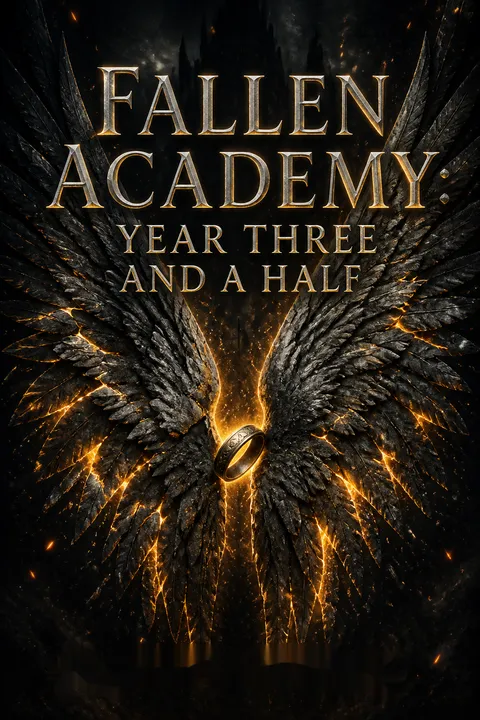
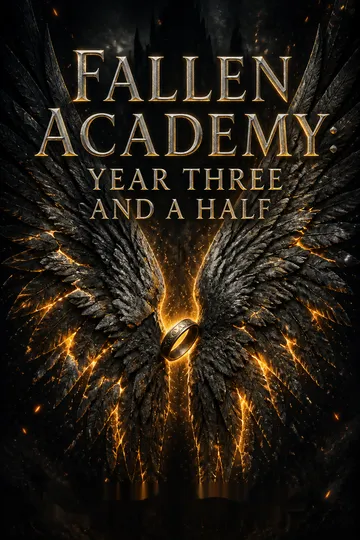
Fallen Academy: Year Three and a Half is a raw, emotionally charged exploration of love, loss, and the struggle for redemption in a world torn between light and darkness. At its heart, the novel is about the resilience of the human (and angelic) spirit—the refusal to surrender to despair, even when hope seems lost. Through Lincoln's journey, the story confronts the realities of trauma, the seductive pull of self-destruction, and the healing power of connection. The narrative does not shy away from the complexities of grief or the moral ambiguities of resistance, instead embracing them as essential parts of the human experience. The use of dual worlds, magical portals, and undercover missions serves as both plot engine and metaphor, highlighting the boundaries we must cross to find meaning and healing. Ultimately, the novel affirms that love—tested by fire, loss, and time—can endure and transform, offering not just survival, but the possibility of joy and renewal. The lessons are clear: never give up on those you love, accept help when you need it, and trust that even in the darkest moments, light can return.
Review Summary
Characters
Lincoln Grey
Lincoln is the emotional core of the story—a Celestial warrior whose life is defined by love, loss, and the relentless pursuit of hope. His relationship with Brielle is both his greatest strength and his deepest vulnerability. Lincoln's journey is marked by trauma, guilt, and the struggle to find meaning after devastating loss. He is fiercely loyal, willing to sacrifice everything for those he loves, but this devotion often leads him to the brink of self-destruction. Through pain, he learns resilience, humility, and the importance of accepting help. Lincoln's arc is one of transformation—from brokenness to healing, from despair to hope, and from isolation to connection.
Brielle Atwater
Brielle is the catalyst for much of the story's action and emotion. Her abduction and presumed death devastate those around her, but her survival and return are testaments to her strength and willpower. Brielle's time in Hell changes her—she becomes more powerful, determined, and unyielding. Her love for Lincoln is unwavering, and her loyalty to friends like Shea is a source of inspiration. Brielle embodies the theme of light overcoming darkness, and her resilience offers hope to everyone she touches. Her reunion with Lincoln is both a personal victory and a symbol of the enduring power of love.
Shea
Shea is Brielle's best friend and Lincoln's steadfast ally. Her magical abilities are crucial in the search for Brielle, and her determination never wavers. Shea's loyalty is matched by her courage—she is willing to risk everything for those she loves. Her relationship with Noah adds depth to her character, revealing vulnerability beneath her tough exterior. Shea's arc is one of growth, as she learns to balance hope with acceptance and to support others while caring for herself.
Noah
Noah is Lincoln's best friend and emotional anchor. As a healer, he provides both physical and emotional support, often at great personal cost. Noah's patience and compassion are vital in helping Lincoln survive his darkest moments. His relationship with Shea offers a counterpoint to Lincoln and Brielle's, highlighting themes of partnership, trust, and mutual support. Noah's quiet strength and unwavering loyalty make him an indispensable part of the group's dynamic.
Catia
Catia enters Lincoln's life as a partner in the resistance, posing as his girlfriend to infiltrate San Francisco's underworld. Her wit, courage, and magical prowess make her a formidable ally. Catia's own trauma—her sister's death—fuels her commitment to saving others. Her friendship with Lincoln is platonic but deeply meaningful, providing both with comfort and understanding. Catia's arc is one of healing and empowerment, as she transforms her pain into action and hope.
Raphael
Raphael is an archangel and Lincoln's mentor, embodying wisdom, patience, and unconditional love. His intervention at Lincoln's lowest point is a turning point in the story, offering both healing and perspective. Raphael's willingness to sacrifice his own place in Heaven for Lincoln underscores the story's themes of selflessness and grace. He is a stabilizing force, guiding Lincoln toward acceptance and resilience.
Marx
Marx is the Abrus demon who controls the slave trade in San Francisco. He is manipulative, ruthless, and always suspicious, serving as a constant threat to Lincoln's mission. Marx's intelligence and power make him a formidable antagonist, and his actions force Lincoln to confront the darkest aspects of his own nature. Marx represents the externalization of evil and the corrupting influence of power.
James Willow
James is Lincoln's contact in San Francisco, a resistance member risking everything to save others. His mentorship and sacrifice are crucial to Lincoln's success. James's relationship with Mathew, a rescued child, humanizes him and adds emotional depth. His eventual betrayal and presumed death highlight the dangers of resistance and the cost of heroism.
Kate Atwater
Kate is Brielle's mother, whose grief and resilience mirror Lincoln's own journey. Her struggle to find closure and her support for Lincoln add emotional complexity to the story. Kate's strength in the face of loss is both inspiring and heartbreaking, and her relationship with Lincoln evolves into one of mutual support and understanding.
Mathew
Mathew is a young boy rescued from slavery by James. His presence in the story is a reminder of what is at stake—the lives and futures of countless innocents. Mathew's courage and optimism inspire those around him, and his eventual rescue is a small but significant victory in the larger battle against evil.
Plot Devices
Dual Worlds and Portals
The narrative is structured around the existence of two worlds—Angel City and Demon City—connected by magical portals. These portals are both literal and symbolic, representing the boundaries between hope and despair, life and death, and the known and unknown. The inability to open a portal to save Brielle is a recurring source of tension, while the eventual use of portals for rescue and escape drives the plot forward. The duality of the worlds mirrors the internal struggles of the characters, and the portals serve as catalysts for action, transformation, and reunion.
Grief and Redemption Arc
The story's emotional core is Lincoln's journey through grief, guilt, and self-destruction toward healing and redemption. The narrative structure follows the classic arc of loss, descent, and eventual resurrection—mirrored in both the literal return of Brielle and Lincoln's own psychological recovery. The use of flashbacks, memories, and internal monologue deepens the exploration of trauma, while the support of friends and mentors provides a path to redemption. The arc is cyclical, with each loss and reunion reinforcing the themes of resilience and hope.
Undercover and Moral Dilemmas
The undercover mission in San Francisco introduces elements of suspense, danger, and ethical complexity. Lincoln's role as a broker forces him to navigate a world of lies, betrayal, and moral compromise. The tension between doing harm for the greater good and maintaining one's integrity is a central plot device, driving character development and thematic exploration. The use of false identities, surveillance, and constant threat of exposure heightens the stakes and underscores the fragility of hope in a corrupt world.
Foreshadowing and Symbolism
The narrative employs foreshadowing through recurring symbols—Brielle's necklace, Lincoln's scars, the wedding rings—that hint at future events and deeper meanings. These objects serve as anchors for memory, hope, and identity, connecting past, present, and future. The scars left by Raphael, for example, become both a mark of survival and a test of trust. The use of dreams, visions, and magical tethers further enriches the story's symbolic landscape, inviting readers to look beyond the surface for hidden connections.
Fallen Academy Series
About the Author



Download PDF
Download EPUB
.epub digital book format is ideal for reading ebooks on phones, tablets, and e-readers.








































