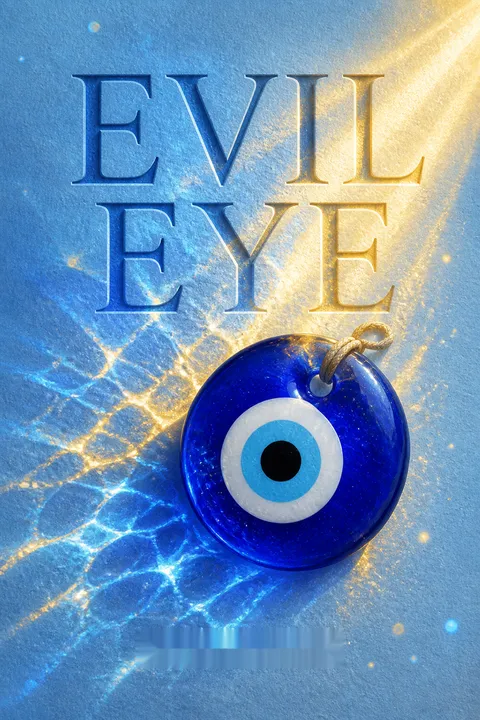
Plot Summary
Generations of Curses
The story opens with Yara, a Palestinian-American woman, haunted by the superstitions and traumas passed down through generations of women in her family. Her grandmother's rituals—reading Turkish coffee grounds, wearing the hamsa for protection—are more than folklore; they are survival mechanisms in a world that has never been safe for women like them. Yara's mother, Meriem, carries the scars of displacement and war, her dreams of singing crushed by the realities of refugee life and the weight of her own mother's warnings. The "evil eye" is both a literal and metaphorical curse, symbolizing the envy, shame, and misfortune that seem to follow the women of Yara's family, shaping their destinies before they can even choose for themselves.
The Weight of Expectations
Yara's life in North Carolina is defined by the expectations of her Palestinian heritage and her in-laws. She is a wife, mother, and daughter-in-law, constantly judged by her mother-in-law Nadia for her housekeeping, appearance, and parenting. The pressure to conform—to be the perfect Arab wife and mother—clashes with Yara's desire for independence and self-expression. Her husband Fadi, though loving in his own way, is complicit in upholding these traditional roles, expecting Yara to prioritize family above all else. The tension between duty and desire simmers beneath the surface, threatening to erupt as Yara struggles to balance her own needs with those imposed upon her.
Art as Escape
For Yara, art is both a refuge and a means of self-discovery. Teaching at a local college, she finds joy in introducing students to diverse artists and movements, challenging the Eurocentric canon. Yet, her own creative ambitions are stifled by limited opportunities and the demands of home. Painting and photography become her private sanctuary, moments where she can silence the inner chaos and feel truly herself. But even in these moments, the voices of her family and culture intrude, reminding her of the boundaries she is not meant to cross. Art is her rebellion, her hope, and her unspoken plea for freedom.
Marriage and Motherhood
Yara's marriage to Fadi is a complex dance of love, resentment, and unmet expectations. Their relationship, shaped by tradition and necessity, often leaves Yara feeling unseen and unfulfilled. Motherhood, too, is fraught with anxiety; she fears passing on her own pain to her daughters, Mira and Jude. The daily routines—cooking, cleaning, caring—become both a comfort and a cage. Yara's longing for something more is met with resistance from Fadi and her in-laws, who see her ambitions as a threat to the family's stability. The struggle to be a good mother and a whole person becomes the central conflict of her life.
The Evil Eye
The concept of the evil eye permeates Yara's world, a symbol of the dangers of envy and the need for secrecy. Her mother's warnings—don't boast, don't draw attention, don't tempt fate—are internalized as a deep sense of shame and fear. Social media becomes a modern extension of this superstition, as Yara curates a perfect image of her family online, terrified of inviting misfortune. The evil eye is not just a curse from others, but a self-inflicted wound, a way of policing her own desires and emotions. It is the invisible force that keeps her small, silent, and afraid.
Lost in Translation
Yara's identity is fractured by her experience as the daughter of immigrants. In America, she is always the "foreign girl," never quite fitting in with her white colleagues or the broader culture. In Palestine, she is privileged and out of place, her American-ness a source of both envy and alienation. The sense of not belonging anywhere is a constant ache, intensified by microaggressions at work and the insularity of her community. Her attempts to assert herself—whether by applying for a travel opportunity or challenging stereotypes—are met with resistance and misunderstanding, deepening her isolation.
Breaking Points
The pressures of work, family, and internalized trauma reach a breaking point for Yara. A confrontation with a colleague over racist assumptions leads to a public outburst and disciplinary action at work. At home, arguments with Fadi escalate, revealing the deep cracks in their marriage. Yara's mental health deteriorates; she experiences dissociation, rage, and overwhelming guilt. The fear of becoming like her mother—volatile, depressed, and defeated—haunts her every interaction with her daughters. The cycle of silence and shame threatens to consume her, pushing her toward a crisis.
Seeking Help, Finding Stigma
Forced into counseling by her employer, Yara is skeptical and defensive, wary of Western approaches to mental health. Her sessions with William, the college counselor, are fraught with misunderstanding and cultural disconnect. The stigma of therapy in her community, and her mother's dismissal of depression as an "American sickness," make it difficult for Yara to open up. Yet, the process of talking, writing, and reflecting begins to unearth buried memories and emotions. The journey toward healing is slow and painful, complicated by the lack of support from her husband and family.
The Mirror of Motherhood
As Yara cares for Mira and Jude, she is confronted by the ways her own childhood pain resurfaces in her parenting. Her daughters' sadness, questions, and need for attention mirror her own unmet needs as a child. The fear of repeating her mother's mistakes—of being absent, angry, or emotionally unavailable—becomes a source of deep anxiety. Moments of connection and joy are shadowed by guilt and the ever-present worry that she is failing them. The realization that healing herself is essential to breaking the cycle for her daughters becomes a driving force in her journey.
The Cost of Silence
The family's history is marked by secrets—affairs, abuse, mental illness—kept hidden to preserve reputation and avoid shame. Yara's mother's affair, her father's violence, and the community's judgment are all part of a legacy of silence that suffocates the women in her family. Yara's own struggles are minimized or dismissed by those around her, reinforcing the belief that her pain is illegitimate. The inability to speak the truth—to herself, to her husband, to her parents—becomes a source of profound suffering. Only by breaking the silence can she begin to heal.
Unraveling the Past
Encouraged by her therapist, Yara begins to journal, revisiting the memories she has long suppressed. The process is excruciating, as she relives moments of violence, betrayal, and abandonment. She confronts her role in her mother's suffering, her complicity in family secrets, and the ways she has internalized blame and shame. Through writing, she starts to see her mother and grandmother not just as sources of pain, but as women shaped by their own traumas and limited choices. The act of storytelling becomes a means of reclaiming agency and understanding.
The Power of Storytelling
As Yara writes and paints, she discovers the transformative power of storytelling. By giving language to her experiences, she begins to make sense of her emotions and break free from the narratives imposed upon her. Sharing her story with her therapist, her friend Silas, and eventually herself, she finds validation and connection. The process of creating art and narrative becomes an act of resistance against the forces that have silenced her. Through storytelling, she reclaims her voice and begins to imagine a different future.
The Courage to Change
Armed with new self-awareness, Yara faces the difficult decision to leave her marriage. The prospect of divorce is terrifying—threatening her relationship with her daughters, her family's approval, and her sense of security. Yet, she recognizes that staying would mean perpetuating the cycle of pain and silence. With the support of her therapist and friend, she chooses to prioritize her own healing and her daughters' well-being. The act of leaving is both an ending and a beginning, a leap into the unknown that requires immense courage.
Forgiveness and Freedom
The journey toward healing is marked by moments of forgiveness—of her mother, her father, her husband, and most importantly, herself. Yara learns to challenge the voice of self-blame, to see her suffering as legitimate, and to accept that she is not responsible for the pain inflicted by others. Through therapy, art, and friendship, she begins to release the burden of shame and embrace the possibility of joy. Forgiveness is not forgetting, but a conscious choice to move forward without being defined by the past.
Reclaiming the Self
Free from the constraints of her marriage and the expectations of her family, Yara embarks on a journey of self-discovery. She finds fulfillment in her art, her friendships, and her relationship with her daughters. The process of rebuilding her life is messy and uncertain, but she learns to trust herself and her intuition. She redefines success on her own terms, no longer measuring her worth by external validation. The act of choosing herself—her desires, her dreams, her happiness—is a radical act of self-love.
Healing Through Creation
Painting and writing become central to Yara's healing. Through creative expression, she processes her emotions, honors her heritage, and connects with others. Her art becomes a means of storytelling, a way to make visible the experiences of Palestinian women and other marginalized voices. By sharing her work, she creates spaces for representation, healing, and community. The act of creation is both a personal and political act, challenging the forces that have sought to erase her and her people.
A New Narrative
As Yara settles into her new life, she embraces the ongoing nature of healing. She accepts that pain and joy will coexist, that recovery is not linear, and that she will continue to face challenges. Yet, she is no longer defined by her past or her suffering. She imagines new possibilities for herself and her daughters, dreams of opening an art studio, and commits to telling stories that matter. The narrative of her life is no longer one of victimhood, but of resilience, creativity, and hope.
The Promise of Tomorrow
The novel ends with Yara looking toward the future, determined to break the cycle of trauma for her daughters. She honors the women who came before her—their strength, their suffering, their dreams—and vows to do better for the next generation. Through love, art, and storytelling, she creates a new legacy, one rooted in compassion, courage, and possibility. The promise of tomorrow is not the absence of pain, but the presence of hope and the freedom to choose one's own path.
Analysis
Evil Eye is a profound meditation on the intergenerational transmission of trauma, the suffocating power of shame, and the struggle for selfhood within the confines of culture, family, and gender. Etaf Rum crafts a narrative that is both deeply personal and universally resonant, illuminating the ways in which silence, superstition, and unspoken pain shape the lives of women across generations. The novel's modern relevance lies in its exploration of mental health stigma, the complexities of immigrant identity, and the ongoing fight for women's autonomy. Through Yara's journey—from repression and self-blame to self-compassion and agency—Rum challenges readers to consider the costs of silence and the radical potential of storytelling and art as acts of resistance and healing. The book ultimately argues that breaking cycles of trauma requires not only courage and honesty, but also the willingness to forgive oneself and imagine new possibilities. Evil Eye is a testament to the resilience of women, the necessity of confronting the past, and the hope that comes from daring to write a new story for oneself and future generations.
People Also Read






Characters
Yara Murad
Yara is the protagonist, a Palestinian-American woman caught between the expectations of her heritage and her longing for self-actualization. Raised in Brooklyn by immigrant parents, she internalizes the traumas and superstitions of her family, especially the belief in the evil eye and the weight of generational shame. As a wife and mother in North Carolina, she struggles with anxiety, depression, and the fear of repeating her mother's mistakes. Her journey is one of painful self-discovery, as she confronts her past, challenges cultural taboos, and ultimately chooses to reclaim her voice through art, therapy, and courageous change. Yara's relationships—with her husband, daughters, and friends—reflect her deep need for connection and her fear of abandonment. Her development is marked by increasing self-awareness, vulnerability, and the willingness to break cycles of silence and suffering.
Meriem (Yara's Mother)
Meriem is Yara's mother, a woman shaped by displacement, war, and the suffocating expectations of her culture. Her dreams of singing are crushed by the realities of refugee life and the demands of motherhood. She is both victim and perpetrator, passing on her pain to Yara through emotional distance, anger, and the internalization of shame. Meriem's belief in curses and the evil eye reflects her sense of powerlessness, and her affair becomes a desperate bid for happiness. Her relationship with Yara is fraught with misunderstanding, guilt, and longing for connection. In death, she becomes a haunting presence, the embodiment of unresolved trauma and the possibility of forgiveness.
Fadi Murad
Fadi is Yara's husband, a Palestinian-American businessman who embodies both the strengths and limitations of his upbringing. He is hardworking and loyal, but also upholds traditional gender roles and struggles to understand Yara's emotional needs. His own relationship with his father is fraught, and he channels his energy into work as a means of proving himself. Fadi's inability to communicate, his defensiveness, and his eventual dishonesty contribute to the unraveling of their marriage. He is both a product of his environment and an agent of Yara's pain, yet not without his own vulnerabilities and regrets.
Nadia (Yara's Mother-in-law)
Nadia is Fadi's mother, a woman who survived displacement and hardship, and who fiercely upholds the values of her community. She is critical of Yara, policing her appearance, behavior, and parenting, and serves as a constant reminder of the expectations placed on women. Nadia's rigidity is rooted in her own losses and the need to preserve family and reputation. Her relationship with Yara is adversarial but also reflects the generational transmission of trauma and the limits of empathy across different experiences.
Mira and Jude (Yara's Daughters)
Mira and Jude are Yara's young daughters, each with distinct personalities—Mira is outgoing and joyful, Jude is introspective and sensitive. Through their eyes, Yara relives her own childhood pain and fears passing it on to them. Their needs, questions, and emotional responses force Yara to confront her own wounds and motivate her to seek healing. They symbolize both the vulnerability of the next generation and the hope for breaking cycles of trauma.
Silas
Silas is Yara's colleague and friend, a culinary instructor who becomes a confidant and source of unconditional support. As a gay man navigating his own struggles with acceptance and family, Silas offers Yara a model of vulnerability, honesty, and resilience. Their friendship is a safe space for Yara to express herself without judgment, and Silas's encouragement helps her embrace therapy, creativity, and self-compassion. He represents the possibility of chosen family and the transformative power of genuine connection.
William Banks
William is the college counselor assigned to Yara after her workplace outburst. Though he is empathetic and tries to help, his lack of cultural understanding and reliance on Western therapeutic models create barriers to trust and progress. His insistence on journaling and exploring the past, however, becomes a turning point for Yara, initiating her journey of self-examination. William embodies both the limitations and potential of institutional support for mental health.
Esther
Esther is the therapist Yara seeks out on her own, offering a more holistic and culturally sensitive approach to healing. She helps Yara understand the impact of generational trauma, the importance of self-forgiveness, and the ongoing nature of recovery. Esther's guidance is instrumental in Yara's transformation, providing tools for self-awareness, emotional regulation, and the reclamation of agency. She represents the possibility of healing through compassion, insight, and spiritual integration.
Baba (Yara's Father)
Baba is Yara's father, a man shaped by displacement, loss, and the need to maintain control and reputation. He is both provider and oppressor, enforcing strict gender roles and silencing dissent. His inability to acknowledge his own pain or the suffering he inflicts on others perpetuates the cycle of trauma in the family. Baba's relationship with Yara is marked by distance, disappointment, and the refusal to accept her choices. He is both a source of pain and a symbol of the challenges of breaking free from patriarchal structures.
Teta (Yara's Grandmother)
Teta is Yara's maternal grandmother, a figure of warmth, ritual, and resilience. Her superstitions, storytelling, and culinary traditions provide Yara with a sense of belonging and continuity. Teta's experiences of loss and displacement are foundational to the family's narrative, and her love is a rare source of comfort in Yara's childhood. She embodies both the burdens and strengths of heritage, offering lessons in survival, hope, and the power of memory.
Plot Devices
Generational Trauma and Superstition
The novel uses the motif of the evil eye and family curses to explore how trauma, shame, and fear are passed down through generations. Superstitions are both protective and limiting, serving as metaphors for the psychological burdens carried by women in the family. The narrative structure interweaves past and present, showing how unresolved pain resurfaces in new forms, especially in mother-daughter relationships. Foreshadowing is employed through rituals, warnings, and the repetition of family stories, creating a sense of inevitability and the challenge of breaking free.
Dual Narrative and Journaling
The story alternates between Yara's present-day struggles and her journal entries, which reconstruct her childhood and family history. This dual narrative allows for a deep exploration of memory, repression, and the process of making sense of one's life. Journaling becomes both a plot device and a therapeutic tool, enabling Yara to confront her pain, articulate her emotions, and ultimately rewrite her story. The act of storytelling is foregrounded as a means of healing and transformation.
Symbolism of Art and Creation
Art—painting, photography, storytelling—is a recurring symbol of Yara's desire for freedom, self-expression, and connection. The creative process mirrors her journey toward wholeness, offering moments of clarity, solace, and agency. The motif of unfinished or hidden art reflects the obstacles she faces, while the eventual sharing and selling of her work signifies her reclamation of voice and purpose. Art is both a personal and political act, challenging erasure and asserting presence.
Cycles and Breaking Patterns
The novel is structured around cycles—of violence, silence, shame, and longing. Scenes and phrases repeat across generations, highlighting the difficulty of escaping inherited patterns. Yet, the narrative also emphasizes the possibility of breaking these cycles through awareness, courage, and new choices. The tension between fate and agency is central, with Yara's journey illustrating the struggle to claim a different future for herself and her daughters.
Intersectionality and Belonging
The plot explores the complexities of being Palestinian-American, navigating multiple worlds and never fully belonging in any. Microaggressions, racism, and cultural insularity are depicted as additional layers of alienation. The intersection of gender, ethnicity, and migration is central to the characters' experiences, shaping their opportunities, relationships, and sense of self. The narrative structure allows for the exploration of these themes through both personal and communal lenses.
Download PDF
Download EPUB
.epub digital book format is ideal for reading ebooks on phones, tablets, and e-readers.








































