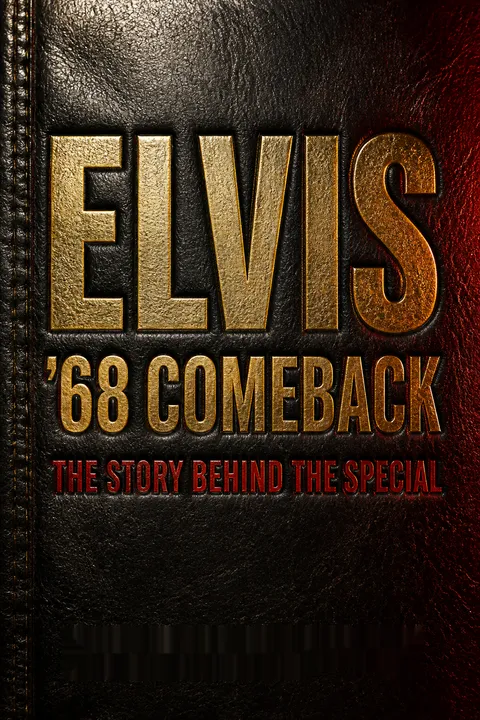

Key Takeaways
1. A Rebel Director's Vision Ignites a Comeback
Apparently Finkel thought the controversy surrounding the special and my reputation at the time as a young rebel would make me a perfect fit for Elvis Presley.
Unconventional choice. In 1968, Steve Binder, a young director with a reputation for challenging norms—like refusing to remove a controversial "touch" between white and black performers on a previous special—was sought out by NBC producer Bob Finkel to direct Elvis Presley's comeback special. Binder initially hesitated, considering a move to feature films, but fate intervened when his film project fell through. This unexpected turn of events positioned him to helm one of the most pivotal moments in music history.
Defying expectations. Binder's vision for the special was anything but conventional. He rejected Colonel Parker's insistence on a simple Christmas show, aiming instead for a "subliminal tale of his personal life’s journey" that would reintroduce Elvis as a compassionate, authentic artist. This bold approach, coupled with Binder's blunt honesty, immediately resonated with Elvis, who felt he was finally being told the truth about his stagnant career.
Custom-made show. Binder promised Elvis a custom-made special, tailored uniquely to him, emphasizing that if it didn't feel right, they would discard the concept. This collaborative spirit and commitment to authenticity laid the groundwork for a show that would defy the industry's expectations and allow Elvis to reconnect with his musical roots, ultimately restoring his confidence and re-establishing him as the King of Rock 'n' Roll.
2. Elvis's Journey from Stagnation to Rebirth
He told me about his reluctance to do a television special because he hadn’t appeared in front of a live audience for years, and he wasn’t sure they’d even accept him now, especially since the Beatles were at the pinnacle of their success in America.
Career crossroads. By 1968, Elvis Presley's career had stagnated, overshadowed by the British Invasion and a string of forgettable Hollywood movies. He confessed to Steve Binder that his career was "in the toilet" and expressed deep apprehension about returning to live performance, fearing audiences wouldn't accept him after years away from the stage. This vulnerability revealed an artist grappling with self-doubt and a loss of connection with his core power.
Rediscovering his essence. Binder's vision offered Elvis a path to reinvention, promising a show that would portray him as a real person, not just a movie star. Through intense rehearsals and intimate jam sessions, Elvis began to shed the manufactured persona, reconnecting with the raw, powerful energy that defined his early career. This process was transformative, allowing him to rediscover the joy of performing and reclaim his identity as a rock 'n' roll superstar.
Trust and transformation. A pivotal moment in Elvis's journey was his "Sunset Boulevard experiment," where he walked unrecognized among the public, realizing the Colonel's fears of mobbing were exaggerated. This, coupled with Binder's unwavering support, fostered a deep trust that empowered Elvis to embrace the risks of the comeback. He transitioned from a nervous performer to a confident, electrifying presence, proving that his charisma and voice were as potent as ever.
3. Colonel Parker's Grip: Control, Deception, and Sabotage
The Colonel told us that once the contract was fully executed, Elvis would do anything the studio or the producer asked of him as long as it was in the contract.
Manipulative manager. Colonel Tom Parker, Elvis's infamous manager, was a master manipulator, often prioritizing his own financial gain over Elvis's artistic growth. His "one-page standard contract" with film studios, while securing a million-dollar fee for Elvis, notoriously lacked provisions for ownership or ancillary rights, costing Elvis millions. Worse, it allowed screenwriters to insert songs for royalty income, regardless of quality, contributing to Elvis's career stagnation.
Sabotaging creativity. The Colonel's insistence on a bland "Christmas special" with Elvis merely saying "Hello... Merry Christmas... and Goodnight" was a direct attempt to control the narrative and limit creative input. He actively tried to undermine Binder's vision, from his "Snowmen's Club" antics to his "broom closet" office where he'd issue demands. His fury over Binder's creative choices, like firing Billy Strange, highlighted his desperate need to maintain power.
Deception and broken promises. The Colonel's most egregious act of deception involved the soundtrack album. He personally assured Binder there would be no soundtrack, only to have already secretly negotiated a deal with NBC and RCA to acquire the audiotapes for free. This betrayal, which cost Binder and Bones Howe millions in royalties, underscored his ruthless business practices and his willingness to lie to protect his financial interests and control over Elvis.
4. The Unscripted Magic of Backstage Jams
In contrast to the sweet, innocent hero image that I was taping on stage, here was this raw, sexual, and sometimes even mean-spirited Elvis backstage in his converted dressing room/bedroom.
Authenticity revealed. During the long days of rehearsals and taping, Elvis would retreat to his dressing room, which he had converted into living quarters, and engage in nightly jam sessions with his inner circle. These unscripted, spirited gatherings revealed a "raw, sexual, and sometimes even mean-spirited Elvis" – a stark contrast to the sanitized image presented on screen. Binder immediately recognized this as the "real Elvis" that fans hadn't seen since his early days.
Inspiration for innovation. Witnessing these powerful, directionless jams, Binder knew he had to capture this authentic Elvis for the special. Despite the Colonel's initial refusal and later dismissal of the idea as "crap," Binder persisted, eventually getting permission to recreate the dressing room atmosphere on stage. This led to the groundbreaking acoustic/improv segment, a concept years ahead of its time, predating MTV's "Unplugged" sessions.
Overcoming obstacles. The path to filming the improv segment was fraught with challenges. Elvis insisted on bringing in original bandmates Scotty Moore and DJ Fontana, who played on a guitar case due to the "no amplifiers" rule. The Colonel attempted to sabotage the audience by withholding tickets, forcing Binder to scramble for attendees. Even Elvis himself experienced stage fright, his mind going "blank," requiring Binder to quickly jot down stories and songs to guide him back to his natural, electrifying performance.
5. Innovative Production: Capturing Raw Rock 'n' Roll
A first in variety television was the use of a handheld camera that I had to beg NBC Sports to use for the arena and improv segments.
Breaking visual barriers. Steve Binder was determined to present Elvis authentically, rejecting the static, "t-mark" approach common in television variety shows. He pioneered the use of a handheld camera, borrowed from NBC Sports, to capture the intimacy and raw energy of Elvis's performance in the arena and improv segments. This innovative technique allowed for dynamic, documentary-style shots, freeing Elvis to move instinctively across the stage.
Lighting for freedom. Instead of traditional key lighting that restricted performers to specific spots, Binder instructed his lighting director, John Freschi, to light the entire stage. This allowed Elvis unprecedented freedom of movement, ensuring that his natural expressions—including sweat rolling down his face and mussed hair—were captured. This commitment to realism, however, drew objections from NBC executives and sponsors who preferred a more polished, sanitized image.
Unfiltered performance. Binder's philosophy was to embrace the raw, unvarnished reality of a rock 'n' roll concert. He resisted demands to reshoot scenes or edit out "sweat stains," believing that these elements contributed to the authenticity of Elvis's comeback. This dedication to an unfiltered portrayal, combined with the innovative camera work and lighting, created a visceral experience that resonated deeply with audiences and proved Elvis's enduring power as a live performer.
6. "If I Can Dream": An Anthem Born from Turmoil
Elvis looked at me and said, “I’ll do it, I’ll sing the song on the show.”
A song for the times. In the wake of Bobby Kennedy's assassination and a deeply divided America, Steve Binder recognized the need for a powerful, meaningful closing song that transcended mere entertainment. He challenged Billy Goldenberg and Earl Brown to write a song that would express Elvis's compassionate nature and address the turmoil of the era. The result was "If I Can Dream," a poignant ballad that became the emotional heart of the special.
Defying the Colonel. When Earl Brown presented "If I Can Dream," the Colonel vehemently opposed it, shouting "over my dead body" and attempting to seize publishing rights. However, Elvis, deeply moved by the song's message, made a definitive choice to sing it, defying his manager's commercial interests. This moment marked a significant assertion of Elvis's artistic will against the Colonel's control.
Integrity and impact. Billy Goldenberg's act of integrity, removing his name from the song to ensure Earl Brown received full royalties, highlighted the artistic values at play. Elvis's raw, emotional performance of "If I Can Dream" in the recording studio, where he sang in a fetal position, was a testament to its profound impact on him. Though the live television performance couldn't fully replicate that intensity, the song became an instant hit and a powerful anthem, solidifying the special's legacy beyond mere entertainment.
7. The Battle for Creative Freedom
I told him that if we did this special right, it wasn’t going to be just a lot of songs strung together with pretty scenery and colorful costumes, but a subliminal tale of his personal life’s journey.
Artistic vision vs. commercialism. From the outset, Steve Binder's vision for the Elvis special clashed with the commercial interests of Colonel Parker, NBC, and the sponsor, Singer Sewing Machines. Binder aimed for a deeply personal, authentic portrayal of Elvis's journey, while the Colonel pushed for a generic Christmas show. This fundamental disagreement fueled constant tension throughout the production.
Pushing boundaries. Binder consistently fought for creative elements that challenged the status quo, such as the "Guitar Man" segment's "house of ill repute" scene, which depicted prostitution. Despite initial approval, the scene was censored by Singer for the first broadcast, highlighting the power of commercial entities over artistic expression. Binder's insistence on a raw, sweating Elvis in black leather also met resistance from executives concerned about prime-time television's polished image.
Elvis's awakening. The struggle for creative control was not just Binder's; it was Elvis's too. Through Binder's guidance, Elvis began to understand the compromises he had made in his career. The special became a vehicle for his artistic liberation, culminating in his post-screening declaration that he would "never again make a movie or sing a song that he didn’t believe in," a testament to the profound impact of reclaiming his creative freedom.
8. The Comeback's Immediate and Lasting Impact
ELVIS was first broadcast at 9:00 p.m. on Tuesday, December 3, 1968. On December 4, when the ratings were released, NBC reported that ELVIS captured 42 percent of the total viewing audience.
A resounding success. The 1968 Elvis special was an undeniable triumph, capturing an astounding 42 percent of the total viewing audience and becoming NBC's highest-rated show of the year. This massive viewership signaled Elvis's triumphant return to cultural relevance, proving his enduring appeal and re-establishing him as a dominant force in entertainment. The special was a critical and commercial blockbuster, exceeding all expectations.
Reshaping a career. The comeback special fundamentally altered the trajectory of Elvis's career. It revitalized his image, moving him beyond the confines of his formulaic movies and reintroducing him as a powerful, charismatic live performer. The success of the special directly led to his legendary Las Vegas residency and a renewed focus on recording and touring, marking a pivotal shift from his stagnant 1960s output.
Television history. Beyond Elvis's personal comeback, the special made significant contributions to television history. Its innovative use of handheld cameras, intimate staging, and raw, unscripted segments broke new ground for variety television. It demonstrated the power of a single artist to command an entire hour of primetime, influencing future live music broadcasts and cementing its place as a landmark event in both music and television.
9. Promises Broken: The Cost of Artistic Integrity
Instead of signing the agreement, I sent the unsigned check back to the Colonel with a short note telling him what he could do with his contract.
The soundtrack betrayal. Despite Colonel Parker's personal assurance that no soundtrack album would be released from the special, he had already secretly made a deal with NBC and RCA to acquire the audiotapes for free. This blatant deception meant that Binder-Howe Productions, who were solely responsible for producing the soundtrack, received no royalties from the multiplatinum album, which went on to earn millions.
A matter of principle. When the Colonel mailed a mere $1,500 check and an agreement waiving all legal rights to the soundtrack, Steve Binder refused to sign it. His decision to return the check, despite the significant financial loss, was a powerful statement of principle against the Colonel's unethical practices. This act underscored Binder's commitment to artistic integrity over personal gain.
Uncompensated contributions. The Colonel's actions ensured that Binder and his partner Bones Howe, who had poured their creative energy into crafting the special's musical landscape, were denied any share of the immense profits generated by the soundtrack. This incident served as a stark reminder of the exploitative side of the entertainment industry and the personal cost of standing up to powerful figures like Colonel Parker.
10. The Unfulfilled Promise and Tragic End
With all the theories surrounding Elvis’s death, I’ve always felt that Elvis died of boredom, not drugs.
A fleeting freedom. After witnessing the final cut of the special, Elvis expressed a profound sense of "newfound freedom," vowing never again to make a movie or sing a song he didn't believe in. Steve Binder, however, harbored doubts about Elvis's strength to break free from the Colonel's pervasive influence. This promise, born from the creative liberation of the comeback, ultimately remained unfulfilled.
The Colonel's lingering shadow. Binder's attempts to maintain contact with Elvis after the special were thwarted, with phone numbers proving useless and backstage access in Las Vegas denied. He believed the Colonel had effectively blacklisted him, preventing any further direct communication. This demonstrated the Colonel's continued, suffocating control over Elvis's life, isolating him from those who genuinely championed his artistic growth.
A tragic decline. Years later, seeing Elvis perform in Las Vegas, Binder observed a "shell of the man" he once knew, performing for his musicians rather than the audience, his heart no longer in it. This poignant observation led Binder to conclude that Elvis's ultimate demise was not primarily due to drugs, but from the soul-crushing boredom of a career confined by the Colonel's vision. The King, who yearned to climb new mountains and explore the world, was tragically reduced to a "saloon singer," a hollow victory for the Colonel.
People Also Read
Download PDF
Download EPUB
.epub digital book format is ideal for reading ebooks on phones, tablets, and e-readers.








































