
Plot Summary
Return to the Crown
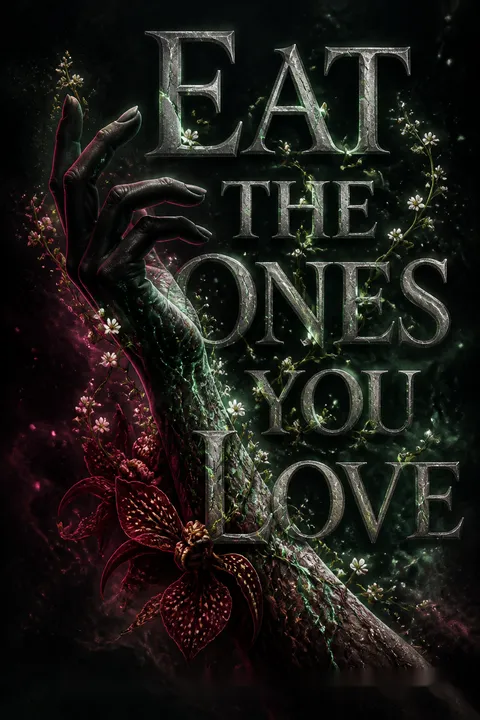
Michelle "Shell" Pine, thirty-three, returns to her childhood home in Dublin's Northside after a breakup and job loss. The Woodbine Crown Mall, a decaying relic of her youth, becomes her reluctant orbit. Shell's sense of failure and invisibility is palpable as she navigates the suffocating familiarity of her family and the mall's stagnant air. A handwritten "HELP NEEDED" sign in a florist's window draws her in, offering a glimmer of purpose amid her emotional stasis. The mall's sickly heart mirrors Shell's own, and her tentative hope is tinged with the dread of being trapped in a life she never wanted to reclaim. The stage is set for a story of return, need, and the possibility of transformation.
The Florist's Invitation
Inside the flower shop, Shell meets Neve, the enigmatic florist whose presence is both familiar and magnetic. Their exchange is charged with unspoken recognition and subtle flirtation. Neve's directness—offering Shell a job as her assistant—cuts through Shell's inertia, and the two women quickly establish a rapport. The shop, overrun with lush, organized chaos, becomes a sanctuary from Shell's crowded home and failed ambitions. Neve's hands, marked by scars and calluses, hint at a history of pain and resilience. Shell's decision to accept the job is impulsive but necessary, a step toward reclaiming agency. The flower shop, and Neve herself, promise both escape and entanglement.
New Beginnings, Old Wounds
Shell brings home a bouquet, using it as both a peace offering and a shield against her family's judgment. The flowers become a symbol of her attempt to start anew, but also of her deep-seated shame and longing for validation. Social media becomes her stage for reinvention, as she replaces memories of her ex with images of blooms. Her friends' tepid responses to her "new beginning" underscore her isolation. Shell's attraction to Neve grows, complicated by the florist's apparent engagement and the mysterious energy in the shop. The mall's impending closure looms, threatening the fragile stability Shell is building. The past is never far, and every step forward is shadowed by old wounds.
The Hungry Green
Unbeknownst to Shell, the flower shop—and the mall itself—harbors a sentient, predatory plant. This entity, "Baby," narrates parts of the story, revealing its deep connection to Neve and its insatiable hunger for human emotion and flesh. Baby's perspective is intimate and unsettling, watching Shell's every move and feeding on the pain and longing of those around it. The plant's history with Neve is dark: it has consumed before, and Neve is both its caretaker and its prisoner. As Shell becomes more entwined with the shop, Baby's interest in her intensifies, setting the stage for a dangerous symbiosis.
Shell's Awakening
Working in the shop, Shell discovers a sense of competence and belonging she hasn't felt in years. The rhythm of floristry—cutting, arranging, learning—grounds her, and Neve's praise becomes addictive. Shell's attraction to Neve deepens, complicated by the presence of Kiero, a younger coworker who flirts with her. The shop's community, including Daniel and Bec, offers camaraderie and distraction. Yet, beneath the surface, Shell is drawn to the mall's hidden corridors and the strange, pulsing life she senses in the Green Hall. Her creative energy returns, but so does a gnawing sense of being watched and chosen.
The Secret Society
Neve invites Shell to a clandestine after-hours gathering in the mall's food court, introducing her to the inner circle of Crown employees. The group—Daniel, Bec, Kiero—shares drinks, gossip, and the bittersweet camaraderie of people bound by a dying place. Shell's outsider status is both a liability and a thrill; she is eager to belong, yet wary of the secrets that bind the group. Daniel's gentle warnings about Neve's past and the recent breakup with Jen, her ex-fiancée, hint at deeper wounds. The mall's decay is mirrored in the group's nostalgia and fear of the future. Shell senses that to truly belong, she must accept the darkness at the heart of the Crown.
The Ex's Warnings
Jen, Neve's ex, now working in a remote lab, begins emailing Bec with growing concern about Neve's mental state and the strange plant in the Green Hall. Her messages are a mix of guilt, longing, and alarm, describing Neve's obsession with the plant and hints of self-harm or ritualistic behavior. Jen's scientific curiosity is tinged with fear; she suspects the plant is dangerous, possibly parasitic, and that Neve is both its victim and enabler. As Jen's warnings intensify, the sense of impending doom grows. The emails serve as both exposition and foreshadowing, drawing the reader deeper into the web of secrets and the threat lurking beneath the mall's surface.
Corridors of Decay
Kiero leads Shell through the mall's hidden corridors, a labyrinth of neglect and rot. The air is thick with dust and the sense of something alive and watching. Shell's curiosity is piqued, but the adventure turns unsettling when a vine drops from the ceiling, pulsing with unnatural life. Shell touches it, and the encounter leaves her with an inexplicable itch and a sense of having crossed a threshold. The corridors are a metaphor for the subconscious, a place where boundaries blur and the past seeps into the present. Shell's flirtation with Kiero is overshadowed by the plant's intrusion, marking her as chosen.
The Vine's Touch
After her encounter in the corridor, Shell develops a rash that blossoms into tiny white flowers on her skin. The physical manifestation of the plant's influence is both beautiful and horrifying. Neve recognizes the symptoms immediately and performs a painful extraction, revealing her own history of similar wounds. The intimacy of the procedure deepens the bond between the women, but also exposes the extent of Neve's entanglement with the plant. Neve confesses the existence of "him," the sentient orchid, and warns Shell of the dangers. The infection is both a literal and metaphorical mark of initiation, binding Shell to the mall's secret heart.
The Blooming Infection
Shell's relationship with Neve intensifies, but so does her connection to the plant. She experiences vivid dreams, heightened senses, and a growing compulsion to obey the plant's whispered commands. Her flirtation with Kiero becomes a way to assert agency, but the plant's influence is inescapable. The mall's impending closure adds urgency, as the plant's hunger grows and its need for a new caretaker becomes clear. Shell is caught between desire, fear, and the seductive pull of the Green Hall. The infection is no longer just physical; it is psychological, spiritual, and inescapable.
Confessions and Extraction
Neve finally brings Shell into the Green Hall, revealing the full extent of the plant's sentience and power. The encounter is both awe-inspiring and terrifying, as the plant speaks and Shell realizes she has been chosen for a purpose she cannot yet comprehend. The intimacy between Neve and Shell culminates in a kiss, but the plant's presence is always third in the room. Meanwhile, Jen and Bec investigate the mall's corridors, gathering evidence of the plant's unnatural growth and the disappearances linked to the Crown. The boundaries between love, obsession, and predation blur, and the stage is set for a final reckoning.
The Closure Announcement
An official email announces the immediate closure and demolition of the Woodbine Crown, sending shockwaves through the community. The group's fragile plans for the future are upended, and the sense of impending catastrophe becomes overwhelming. Neve's relief at the closure is tinged with guilt and fear, while Shell is paralyzed by indecision. The plant's hunger reaches a fever pitch, and its influence over Shell and Neve intensifies. The collapse of the mall is both literal and symbolic, a breaking point for all the characters. The countdown to destruction accelerates the need for action—and sacrifice.
Kiero's Kiss, Shell's Choice
Shell seeks solace in a day out with Kiero, their flirtation culminating in a kiss and a brief, ill-fated attempt at normalcy. Yet, even in moments of pleasure, the plant's influence is inescapable—flowers bloom in Shell's hair, marking her as irrevocably changed. Shell's attempt to set boundaries and choose her own path is undermined by the plant's growing control. The love triangle between Shell, Neve, and Kiero becomes a crucible for Shell's identity, agency, and fate. The plant's need for a new heart—and a new host—drives the narrative toward its climax.
The Green Hall's Truth
As the mall's demolition looms, the full history of the plant is unveiled. Born from trauma and nurtured by Neve, the plant has consumed before—Carla, a child, a drunk, and now seeks a permanent union with its caretaker. Shell, under the plant's thrall, is compelled to perform a ritual: burying Neve's ring at the plant's roots, offering up the heart it has long coveted. Neve's resistance crumbles as the plant, through Shell, orchestrates her transformation. The Green Hall becomes a site of horror and transcendence, where love, death, and hunger converge.
The Heart's Sacrifice
In a climactic act, Shell, guided by the plant, buries Neve's ring and witnesses Neve's body split and merge with the plant. The transformation is both violent and ecstatic, a union of flesh and flora that fulfills the plant's longing for Neve's heart. Shell is left traumatized, catatonic, and forever altered. The plant, now a hybrid of Neve and Baby, claims Shell as its new caretaker, binding her to its will. The cost of love and survival is revealed to be monstrous, and the boundaries between self and other, human and inhuman, are obliterated.
Collapse and Escape
As the Woodbine Crown collapses, Jen and Bec arrive to find Shell in shock and the plant's influence spreading. In a desperate bid to contain the threat, Jen and Bec extract the plant—now housing Neve's consciousness—and flee, leaving Shell behind to face the aftermath. The mall's destruction is both an ending and a cover-up, erasing evidence but not trauma. Shell is left to navigate the ruins of her life, haunted by what she has seen and done. The survivors are scattered, each carrying scars and secrets.
The Orchid's Prison
Jen transports the plant to her lab in the Burren, imprisoning it in glass and chemical stasis. The plant, now a fusion of Neve and Baby, is subdued but not destroyed. Jen's own body bears the mark of the encounter, as she swallows Neve's ring and feels the plant's presence within her. The cycle of hunger and possession is not ended, only relocated. The survivors form a tenuous support network, but the threat of the plant's return lingers. The story's horror is contained, but never fully vanquished.
After the Ruins
Months later, Shell has rebuilt a semblance of life in Galway, working as a florist and maintaining distant connections with the other survivors. The trauma of the Crown's collapse and Neve's death lingers, but so does the possibility of healing. Jen, now a researcher, keeps the plant under observation, sending Shell cryptic gifts and reminders of their shared ordeal. The boundaries between victim and accomplice, love and consumption, remain blurred. The story ends with Shell ingesting a piece of the plant, willingly inviting its influence and the memory of Neve back into her dreams. The cycle of hunger, love, and transformation continues.
Analysis
Sarah Maria Griffin's Eat the Ones You Love is a lush, unsettling meditation on need, transformation, and the monstrous side of love. At its heart, the novel explores how trauma, longing, and the desire for connection can both nourish and destroy. The sentient plant, Baby, is a brilliant metaphor for the ways in which our hungers—emotional, physical, existential—can consume us and those we care for. The story's horror is not just in the body, but in the psyche: the slow erosion of agency, the blurring of boundaries between self and other, the seductive power of being chosen. The mall's decay mirrors the characters' own unraveling, and its collapse is both an ending and a beginning. The novel interrogates the ethics of care, the dangers of complicity, and the possibility of survival after catastrophe. In a world where old structures are falling and new forms of life are emerging, Eat the Ones You Love asks: What are we willing to sacrifice for belonging, and what remains of us when we are finally seen? The answer is as beautiful as it is terrifying—a bloom that feeds on both love and loss.
Review Summary
Eat the Ones You Love received mixed reviews, with an average rating of 3.5/5. Readers praised the atmospheric setting of a dying mall, the intriguing premise of a sentient carnivorous plant, and the exploration of adult relationships. Many appreciated the LGBTQIA+ representation and the author's lyrical writing style. However, some found the pacing slow and the horror elements underwhelming. The audiobook version was highly recommended for its narration and immersive experience. Overall, opinions varied on the balance between character drama and plant horror.
Characters
Michelle "Shell" Pine
Shell is a woman adrift, her life upended by heartbreak and unemployment. Returning home, she is suffocated by familial expectations and the ghosts of her past. Shell's journey is one of reluctant transformation: from passive victim to active participant in the mall's—and the plant's—dark drama. Her longing for belonging and purpose makes her vulnerable to the plant's influence, and her attraction to Neve becomes both salvation and doom. Psychologically, Shell is marked by shame, self-doubt, and a desperate need to be seen. Her development is a descent into complicity, as she becomes the plant's instrument and, ultimately, its willing host.
Neve
Neve is the enigmatic florist, scarred by loss and bound to the sentient plant she calls "Baby." Her relationship with the plant is both maternal and symbiotic, a source of power and imprisonment. Neve's past is marked by trauma—the death of her aunt Carla, the loss of her fiancée Jen, and the burden of keeping the plant's secret. She is fiercely independent, yet deeply lonely, seeking connection but fearing the cost. Neve's psychological complexity lies in her ability to compartmentalize horror and nurture beauty. Her ultimate fate—consumed and merged with the plant—fulfills both her longing for escape and her fear of annihilation.
Baby (The Plant)
Baby is the novel's most unsettling presence: a sentient, predatory plant that narrates parts of the story. It feeds on human emotion, memory, and flesh, and is both childlike and ancient in its desires. Baby's relationship with Neve is possessive and adoring, but also parasitic. It views Shell as a new opportunity, a vessel for its continued survival. Psychologically, Baby embodies the monstrous side of need—the way love can consume, possess, and destroy. Its development is a slow, patient seduction, orchestrating events to ensure its own perpetuation.
Jen
Jen is Neve's ex-fiancée, a botanist whose scientific curiosity is matched by her emotional vulnerability. Her emails to Bec serve as both warning and confession, revealing the depth of her concern for Neve and the plant's danger. Jen's journey is one of guilt, responsibility, and eventual action. She is haunted by what she left behind, and her return to the Crown is both an act of penance and self-preservation. Psychologically, Jen is marked by ambivalence—torn between love, fear, and the need to do what is right. Her final act of containing the plant is both heroic and tragic.
Kiero
Kiero is the youngest member of the Crown's inner circle, a copy shop worker who becomes infatuated with Shell. His innocence and enthusiasm provide a counterpoint to the story's darkness, but also make him vulnerable. Kiero's flirtation with Shell is genuine, but ultimately secondary to the larger forces at play. Psychologically, he represents the possibility of escape and normalcy—a path Shell ultimately cannot take. His eventual departure for London is both a relief and a loss.
Daniel
Daniel is the salon stylist and emotional anchor of the group. His warmth, humor, and resilience make him a stabilizing force amid chaos. Daniel's history with Shell and Neve is long and deep, and his ability to navigate pain with grace is a testament to his strength. Psychologically, Daniel is marked by empathy and a refusal to be defined by trauma. He survives by adapting, supporting others, and maintaining hope.
Bec
Bec is the travel agent and de facto leader of the Crown's survivors. Her friendship with Jen and Neve is tested by the unfolding horror, but her loyalty never wavers. Bec's practical skills and emotional intelligence make her indispensable in the crisis. Psychologically, she is marked by a deep sense of responsibility and a willingness to act, even when afraid. Her role as Jen's rescuer and Shell's supporter cements her as a quiet hero.
Emily, Lorna, Chloe
These women represent Shell's past life and the societal pressures she cannot escape. Their intervention—an attempted "call-in"—is both well-meaning and cruel, exposing the limits of empathy and the dangers of conformity. Psychologically, they embody the voice of shame and the impossibility of returning to a former self. Their eventual irrelevance to Shell's new life underscores the novel's theme of transformation through rupture.
Carla
Carla is a ghostly presence, her death at the plant's hands the original trauma that binds Neve to Baby. Her nurturing of both Neve and the plant is twisted into a legacy of horror. Psychologically, Carla represents the dangers of unchecked care and the way love can become complicit in monstrosity.
The Woodbine Crown Mall
The mall is more than a backdrop; it is a living, dying organism that shapes and reflects the characters' inner lives. Its decay mirrors the characters' emotional states, and its collapse is both a literal and symbolic end. Psychologically, the mall embodies the tension between nostalgia and entropy, community and isolation.
Plot Devices
Dual Narration (Human and Plant)
The novel alternates between Shell's close third-person perspective and the first-person narration of Baby, the sentient plant. This duality creates a sense of intimacy and unease, allowing the reader to experience both the human and inhuman sides of the story. The plant's voice is seductive, manipulative, and omnipresent, blurring the line between protagonist and antagonist. This device also enables foreshadowing, as Baby reveals its intentions and history before the human characters are aware.
Epistolary Elements (Emails and Messages)
Jen's emails to Bec serve as a secondary narrative thread, offering backstory, warnings, and psychological insight. These messages bridge the gap between past and present, science and superstition, and function as both confession and alarm. The epistolary form allows for unreliable narration, as Jen's fear and guilt color her account, and her warnings become self-fulfilling prophecies.
The Haunted Setting
The Woodbine Crown is not just a setting but a character—its decay, labyrinthine corridors, and hidden spaces mirror the characters' psychological states. The mall's impending demolition creates urgency and a sense of inevitability. The Green Hall, in particular, is a locus of magic and horror, a liminal space where the boundaries between life and death, human and plant, are dissolved.
Infection and Transformation
The plant's influence manifests as both physical infection (rashes, blooms) and psychological compulsion. Shell's transformation from outsider to chosen vessel is marked by stages of infection, extraction, and eventual complicity. The motif of blooming—both beautiful and grotesque—serves as a metaphor for desire, trauma, and the loss of agency.
Love Triangle and Emotional Manipulation
The relationships between Shell, Neve, and Kiero create a web of desire and rivalry that the plant exploits. The love triangle is complicated by the plant's own possessiveness, turning human emotion into both sustenance and weapon. The boundaries between love, obsession, and predation are constantly blurred, heightening the story's psychological tension.
Ritual and Sacrifice
Key moments—burying the ring, the extraction of blooms, the final merging of Neve and Baby—are framed as rituals, imbuing the narrative with a sense of inevitability and mythic resonance. Sacrifice is both literal (Neve's body) and symbolic (Shell's agency), reinforcing the story's themes of consumption and transformation.
Catastrophe as Cover-Up
The mall's collapse serves as both climax and erasure, allowing the survivors to escape but leaving them haunted. The disaster is both a literal event and a metaphor for the shattering of old identities and the impossibility of return. The survivors' attempts to contain the horror—imprisoning the plant, forming new communities—are acts of both hope and denial.
Download PDF
Download EPUB
.epub digital book format is ideal for reading ebooks on phones, tablets, and e-readers.








































