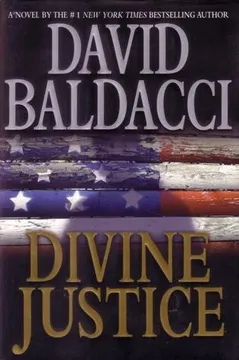

Plot Summary
Stone's Final Mission Begins
Oliver Stone, haunted former government assassin, executes two high-profile enemies—Gray and Simpson—out of vengeance and justice denied. In the storm, Stone sheds his former self, discards his tools of death, and begins a desperate escape, spiritually wounded yet committed to his cause. He orchestrates a near-impossible alibi with local help, evading an FBI dragnet and making a ghostly stop in Washington to say goodbye to the Camel Club. The reader feels Stone's fatigue, isolation, and the burden of his mission; a man hunted by those he once served, bound by a personal code. His journey commences, every step a deliberate walk into the unknown, aware his time may be running out.
Blood Debts and Farewells
Driven by lingering guilt for his friend Milton's death, Stone returns to pay his respects, burying both a literal and emotional relic beside Milton's grave. Through silent acts, he honors camraderie and loss, revisits the ghosts of his past, and faces his own isolation. He covertly leaves a letter for his friends, careful to avoid incriminating them, and quietly sets out, anonymous among mourners of another era. In this somber ritual, Stone's abiding sense of duty, regret, and loneliness pulse through the narrative—his life is a mosaic of debts, real and imagined, knotted by the violence he cannot atone for. The emotional weight is palpable; sorrow and resolve intertwine as he vanishes southward, ever the fugitive.
Knox: The Reluctant Hunter
Joe Knox, seasoned intelligence investigator, is summoned to unravel the politically explosive murders. His mind, sharp and analytical yet burdened by years of moral compromise, recognizes Stone's hand in the almost inhuman precision of the crimes. Knox's reluctant respect for both victim and perpetrator grows; his journey is marked by skepticism towards his own agency and superiors, suspicion of buried conspiracies, and an understated empathy for Stone's motivations. As Knox follows clues from crime scenes to classified files and confidential briefings with the ominously powerful Macklin Hayes, readers sense his growing unease: the case is both a pursuit and an ethical reckoning. The chase is not only across states, but deep into the shadows of American justice.
Torn Loyalties, Fractured Friends
Back in Washington, Stone's friends—Annabelle, Alex, Reuben, and Caleb—grapple with his actions, the cost of loyalty, and the law's heavy hand. Their dialogue cuts to the core of vigilante justice, the limits of friendship, and the loneliness that follows. Annabelle and Alex's budding closeness falters under tension: one is drawn toward her commitment to Stone, the other to his sworn duty. The group's rift echoes Stone's own inner war between duty and conscience. Each friend's reaction is colored by personal history, wounded pride, and fear—yet even as tempers flare and bonds strain, a shared hope for Stone's safety flickers, suffused with anxiety over the storm they see gathering on the horizon.
Anatomy of Retribution
As Stone travels, pursued by Knox and haunted by the past, he saves a young man, Danny, from violence, their paths intertwining in unexpected ways. Every move Stone makes is shadowed by a tortured sense of justice and the escalating stakes. He observes, with experienced eyes, the cracks in both his pursuers and his supposed sanctuary, and we see the psychological toll—the coin of vigilante justice is paid in sleeplessness, despair, and the unrelenting memory of innocent victims, both collateral and direct. Stone's duel is as much with his memories as with his hunters, each encounter a test of the soul for a man standing at the edge between hunted animal and act of self-sacrifice.
Trouble on the Run
Stone and Danny find themselves embroiled in small-town violence, with echoes of Stone's past reverberating in each confrontation. The pair becomes entwined with Danny's mother, Abby, and the hard realities of Divine, where problems are solved with fists and threats are always just beneath the surface. Stone's efforts to protect reveal his compassion and guilt, but also the implacable reality: wherever he goes, trouble follows. When an act of courage spirals into official suspicion, Stone's disguise starts to fray. Readers feel the mix of adrenaline and exhaustion, the tension of survival, and the weariness of a protector who cannot leave his own nature behind.
Camel Club's Crisis
As Knox's investigation closes in, the Camel Club's members become suspects, facing the threat of prosecution and betrayal. Internally, each grapples with the price of keeping Stone's secrets, weighing the bonds of friendship against the machinery of state power. Simultaneously, the authorities manipulate their fears—pressure mounts, motives blur, and the group wonders if anyone can be trusted. Paranoia and fear are palpable: does loyalty demand sacrifice, or is it a shield for complicity? When Annabelle proposes actively helping Stone escape, the others must choose between risk and resignation, their inner conflicts becoming as hazardous as any external pursuer.
Divine Bound: Unlikely Refuge
Stone settles in Divine, a seemingly idyllic mining town shadowed by poverty, addiction, and secrets. He befriends Abby Riker and becomes a surrogate father and confidant to Danny, struggling to help both while staying hidden. Yet every interaction exposes Stone's own vulnerabilities, as he is drawn into the town's subtle violence, drug epidemic, and the raw pride of people battered by circumstance. Divine's surface serenity hides a nest of corruption; the emotional undertow is strong—a blend of hope, weariness, and the iron law that nowhere is truly safe for someone with Stone's past. His stay offers the possibility of redemption, but also foreshadows disaster.
Piecing the Past
Knox, tireless and methodical, digs through layers of classified records, discovering Stone's true identity as John Carr, a Medal of Honor–worthy but betrayed veteran turned hunted assassin. As Knox reconstructs a history of espionage, family tragedy, and clandestine violence, the lines between hero and villain blur. His pursuit takes on a tone of respect, even pity, as he recognizes the institutional betrayals that shaped Stone's path. Knox's own history of loss and disillusionment parallels his target's. The chase becomes a quest for understanding; the investigator finds himself questioning not only Stone, but the justice system, the price of secret wars, and what America asks—and takes—from its servants.
Knox and the General
General Macklin Hayes, master manipulator, hovers above the narrative, setting Knox and the entire machinery of intelligence on Stone's trail, but with ambiguous motives. Critical files disappear, evidence is suppressed, and support shifts like sand. Knox, increasingly at odds with his orders, suspects that Hayes harbors a deep personal grudge against Stone, linked to their time in Vietnam. The true agenda—national security or private vengeance—becomes murky. Readers sense the cold interplay of bureaucratic power, old vendettas, and institutional cynicism; Knox must walk the razor's edge between doing his duty and being complicit in injustice. Paranoia grows: who is the real enemy?
Small Town, Deep Secrets
Stone, working for Abby, witnesses the underbelly of Divine: systematic drug abuse among miners, an economy flush with laundered money, and a local elite—judges, wardens, clerks—profiting from pain while dispensing homespun justice. As friendships deepen—particularly with Abby—Stone glimpses an almost-normal life, yet is unable to shed his vigilance or guilt. When townsfolk begin to die "accidentally," Stone suspects a conspiracy far darker than the town's cheerful facade. Emotional stakes rise: longing for peace, Stone cannot ignore his instincts, or the authentic connection he begins to feel for Abby and troubled, restless Danny.
Stranger in Rita's
In a moment of apparent calm, Stone becomes an unlikely hero, rescuing a young miner from overdose with improvised battlefield medicine. His fame in Divine grows, but so does suspicion from both law and underworld, while his relationship with Abby deepens into fragile intimacy. The cost of caring is steep—each act of gallantry exposes Stone further. Local violence escalates; threats multiply. The emotional risk of belonging, of caring for others, becomes clear: Stone would save every soul if he could, but his presense seems to bring only pain and mortal peril. The tension between love and fate is acute.
Lawmen, Judges, and Ghosts
Stone navigates a minefield of relationships—befriending the sheriff, encountering a wily judge, and running afoul of the law and Divine's criminal operators. Allies prove unreliable, motives are muddy, and the institutional rot is pervasive. Through interviews and observations Stone uncovers hints of a criminal operation—murder disguised as suicide, bribes, and missing evidence. His quest for truth ensnares him deeper in local intrigue; the sense of impending doom thickens. Fear, suspicion, and fragments of hope fill the air; the emotional stakes are high—Stone's search for justice could cost the only fragile comfort he's found in years.
The Net Tightens
Knox's investigation and the Camel Club's search converge as the noose tightens. A powerful coalition of corrupt officials, drug traffickers, and vengeful foes confine Stone's options. When local crime syndicates and the warden's corrupt forces conspire, Stone, Abby, Danny, and others face violence, blackmail, and betrayal. In parallel, Annabelle and the others, racing to uncover Divine's secrets, must outthink both the authorities and the criminals—forced to use every ounce of cunning, courage, and loyalty. As death claims innocents and old wounds are laid bare, the reader senses the story's inexorable momentum toward a confrontation in which all debts must be paid, and innocence offers no protection.
Violence in the Dark
Threatened by both law and organized crime, Stone is finally betrayed—overpowered, imprisoned, and subjected to torture at the notorious Dead Rock supermax. Abby is also captured; danger engulfs all he cares for. Dread deepens: there seems no exit from the prison's grim brutality, and Stone is forced to confront how much darkness he's carried from past to present. The narrative closes in: violence, betrayal, and moral ambiguity. Yet even imprisoned, Stone's strategic mind searches for cracks in the edifice—a hope as dim as the cell's cold light. Pain, loss, and the indomitable will to fight for others pulse through the bleakness.
Abby Riker's Sorrow
As the prison plot unravels, Abby is held hostage to coerce Danny and Stone. Her grief—fresh and terrible—becomes the focal point of the emotional climax. Stone must fight not just for his own life, but for hers and Danny's. When death claims Danny, Abby's agony is rendered with a raw authenticity; Stone's comfort is all he can offer. The price of belonging, however fragile, is once again steep: the heavy cost of connection in a world built on deception and violence. Grief, like hope, leaves its mark—yet also becomes the engine of resolve for justice, whatever its cost.
Secrets of Divine
The intricate machinery of Divine's prosperity is laid bare: a pipeline of laundered drug money, dirty officials, and complicit citizens—all masked by small-town charm. The Camel Club, now working with honest and dubious law alike, orchestrates a risky plan to expose the entire operation. Their combined resources, wit, and courage unravel the conspiracy, but not without loss. Dead Rock, the prison, is both literal and symbolic—where hope is suffocated, and power crushes those who dissent. When justice arrives, it is incomplete, too late for some, and raises as many questions as it answers. Even in victory, the survivors carry scars.
The Bottom Becomes an Ass
The final confrontation at the prison descends into chaos and bloodshed as Stone and his allies, helped by the Club, local law, and an uncorrupted guard, orchestrate escape. Old scores are settled, myriad secrets revealed, but at a profound personal cost—Danny's valiant death, Abby's heartbreak, and the end of Stone's last hope for ordinary happiness. Justice comes only through violence; mercy is measured, conditional. In the aftermath, the architecture of power is toppled, but peace is fleeting. Stone faces an uncertain future: neither hero nor monster, but marked by every loss, regret, and act of self-sacrifice.
Dead Rock's True Face
With Dead Rock and the drug ring exposed, Hayes is brought down by Stone and Knox's alliance, elite power laid bare and humbled. Stone is offered both justice and absolution—a presidential pardon hinted, the Medal of Honor at last within reach. Yet Stone's refusal of the medal, his refusal of public vindication, reveals the depth of his scars and his self-knowledge: some debts, both personal and national, cannot be repaid. The ending is suffused with dignity, loss, and hope—a promise of loyalty between friends and a measure of peace for a haunted man who chooses, at last, not to flee but to live.
Justice, Mercy, and Medals
The Camel Club regroups, battered but united. Stone returns to Mt. Zion, surrounded by friends and the ghosts of his past, refusing both public acclaim and martyrdom. He honors the dead, mends the living, and offers what comfort he can to Abby and the Club. The novel closes with a glimpse of wearied grace: no victory is unalloyed, justice never complete, but mercy is still possible—in forgiveness, in friendship, in the quiet acts of remembrance and the refusal to surrender to despair. The legacy of violence cannot be erased, but dignity and love may persist, fragile as they are.
Analysis
Divine Justice is a meditation on loyalty, justice, and the scars of serviceAt its heart, the novel interrogates what America owes its quiet, broken warriors—those sent to do "necessary evil" and then abandoned, scapegoated, or simply forgotten. Baldacci uses the thriller genre as a grammar for moral ambiguity: the mechanisms of pursuit, betrayal, and violence never resolve simply into hero and villain, but force the reader to confront the costs of vengeance and the limitations of institutional power. The personal (Stone's loss, Abby's grief, the Club's loyalty) is continually set against the systemic—government betrayal, small-town corruption, the seductive comfort of forgetting. The emotional arc, then, is not toward closure but toward acceptance: "justice" in this world is never pure, rarely redemptive, and victories are haunted by the dead. Yet the book insists on the value of small acts—risking for friends, telling the truth, showing mercy—as means of surviving in an unmerciful world. Divine Justice's contemporary resonance rests in its skepticism of authority, its deep empathy for the wounded and lost, and its insistence that, in the end, only loyalty, love, and the refusal to surrender give meaning to suffering.
Review Summary
People Also Read








Characters
Oliver Stone (John Carr)
Central to the novel, Oliver Stone is a former government assassin living under an assumed identity, carrying the grief of a murdered family, betrayals by his country, and the deaths of friends. His razor intellect, capacity for violence, and unwavering (if battered) moral core define his actions. Stone is simultaneously avenging angel and hunted prey; he is unable to rest, yet yearns for connection and peace. His relationships—with Abby, Danny, the Camel Club—challenge his isolation. Psychologically, he is marked by guilt, trauma, and self-sacrifice: he believes atonement is impossible, but through small acts of courage and loyalty, he finds moments of grace. Over the course of the narrative, Stone shifts from relentless fugitive to a man willing to face judgment, if not for redemption, then for honor.
Joe Knox
Knox, the seasoned CIA investigator tasked with bringing Stone down, is both hunter and kindred spirit. His professionalism masks a deep weariness and growing antipathy for the shadowy machinations of his superiors, especially Hayes. Knox's own losses—a dead wife, children at risk, moral scars from service—intertwine with Stone's, fostering respect, even admiration. He is methodical and relentless, but as he uncovers the injustices Stone has suffered, he is increasingly torn between duty and conscience. His development is the arc from committed enforcer to reluctant rebel, a man forced to choose between upholding a broken system and doing what he believes is right.
Annabelle Conroy
Once a con artist, now a fiercely intelligent, loyal friend, Annabelle's blend of resourcefulness, nerve, and deeply felt debts makes her Stone's staunchest defender. Her relationship with Stone—admirational, bordering on familial—anchors her actions; she instigates the Club's campaign to save him, sacrificing her own security. Annabelle's sharp wit masks old wounds and a profound struggle with trust and love, especially in her interactions with Alex. By the end, her loyalty has cost her nearly everything, but also brought her to the edge of real emotional honesty.
Abby Riker
Abby represents the possibility of healing and genuine connection for Stone. Smart, strong, and marked by tragedy—widowed by the mines, her son Danny ultimately killed—she becomes both the novel's emotional anchor and its symbol of resilience. Abby's relationship with Stone is subtle, built on kindness, sorrow, and mutual need, matured by shared danger and impossible loss. Psychologically, she balances toughness with vulnerability; her sorrow is rendered raw and real, yet she remains capable of hope and generosity even as everything dear is taken from her.
Danny Riker
Danny is a classic small-town kid: once a star athlete whose prospects were derailed, proud but adrift, fiercely loyal yet tempted by easy money. His relationship with Stone is uneasy at first, growing into respect and friendship. Bitter over lost chances, drawn into Divine's criminal underworld out of desperation, Danny is emblematic of the region's lost generation. His bravado masks pain, and in the climax, his willingness to sacrifice for others wins him redemption—even as his death devastates Abby and Stone. Danny is the novel's tragic innocence, destroyed by the world's indifference and corruption.
Lincoln Tyree
Divine's sheriff, Tyree is a pillar of the community, respected for his steadiness and his imperfect decency. Caught between local loyalty and the rot he half-suspects, Tyree is slow to act, but when moved, proves courageous and principled. His relationship with Abby is protective—a hint of unspoken love—while with Stone, it evolves from suspicion to quiet respect. Tyree's pain at failing to protect those he cares for is rendered keenly; he ultimately allies with the Club, standing against his own corrupt brother and risking all to save his town.
Howard Tyree
Howard Tyree, warden of Dead Rock, embodies the abuse of power—sadistic, greedy, and cruel. He orchestrates drug trafficking through his prison, exploits both inmates and guards, and destroys anyone who threatens his control, including Josh Coombs and Divine's innocents. The psychological portrait is clear: Howard is both a product and perpetuator of cruelty, incapable of empathy, who justifies every atrocity as necessary for order. In the end, his violence brings about his own downfall; his lack of conscience is shown as both monstrous and pathetic.
Macklin Hayes
General Hayes is the manipulator at the top: an emblem of American power's most ruthless—and most petty—instincts. Ostensibly protecting national security, he is instead consumed by a decades-old resentment over Stone's moral defiance and his own stymied ambition. Psychologically, Hayes is twisted by entitlement, convinced of his own indispensability, and increasingly desperate as secrets unravel. His eventual exposure and arrest are both vindication for Stone and a satisfying indictment of power unmoored from conscience. Hayes is not merely a villain, but the embodiment of systemic evil—the one who would rather destroy a hero than admit error.
Caleb Shaw
Caleb is the heart of the Camel Club's conscience, more comfortable with books than danger, yet fiercely loyal when pushed. His nervous humor provides relief, but his transformation—from frightened bystander to real participant in the story's perils—mirrors the growth of the entire club. His insights and wisdom, hidden under self-deprecation, often illuminate moral and strategic quandaries. Caleb's anxieties are not mere quirks but reflections of his empathy and, ultimately, his courage.
Reuben Rhodes
A former military man, Reuben is Stone's most physically formidable ally but also among the most emotionally intuitive. His plain speech and quick temper hide a deep sense of justice and loyalty; he acts as both the protector of weaker friends and the bulwark against group despair. Reuben's development is less about change than revelation: his willingness to risk—and sometimes die—for friends is rooted in a history of betrayal and redemption. He is the Club's blunt instrument, but also its moral core.
Plot Devices
Narrative Structure and Tension
The story unfolds through a tightly woven, shifting third-person narrative: Stone's flight and inner torment, Knox's investigation, the Camel Club's resistance, the local drama in Divine—all develop in interlaced arcs, each with their own emotional logic and climax. The structure allows the reader to feel both the heat of pursuit and the suffocation of entrapment. Tension is built through alternating points of view, cliffhanger chapter endings, and deliberate pacing that pairs action sequences (chases, escapes, fights) with moral debates and psychological depth, ensuring that every plot development is rooted in character stakes. The use of letters, secret compartments, and the intricate mechanics of hiding and escaping are classic Baldacci, but here serve as metaphors for the impossibility of truly escaping one's past.
Foreshadowing and Symbolism
The book employs repeated motifs of graves, letters, and storms to foreshadow both doom and hope: each visit to a cemetery, for example, signals both closure and the refusal of finality—hauntings that must be resolved. Divine itself is a symbol—its name, ironically, masks rot; the physical mine shafts represent buried secrets, layers of pain, with Dead Rock both a literal and metaphorical prison. The Medal of Honor, withheld and then proffered, becomes the story's emotional fulcrum, emblematic of justice denied and the hollow rewards of institutional validation.
Manipulation/Institutional Corruption
Both local and federal authorities orchestrate cover-ups, manipulate evidence, and use individuals as pawns. Hayes' vendetta, the corrupt judge's machinations, and the collusion between prison and drug syndicate show the impossible odds the heroes face, and the story exploits this for maximum suspense. The constant question: when no system is trustworthy, what is just? The reader is kept off-balance, assurance crumbling as new betrayals emerge.
False Identity and Disguise
Nearly every character is—or pretends to be—other than they appear: Stone as Ben, Annabelle's endless scams, Alex's divided loyalties, Tyree's double life, and more. The hardships of maintaining such facades are central, and the moment when masks fall is almost always paired with both danger and catharsis. In Divine, the town itself hides in plain sight—a paradise built on exploitation and lies.
The Physical as Metaphor
Stone's physical injuries mirror internal wounds—his survival through violence is both an asset and an unending wound. The structure of Divine's mines and the supermax echo the characters' psychological entrapments and their desperate longing for release, justice, or forgiveness. The pain is real, but so too is the hope for incremental escape—through friendship, confession, or sacrifice.
The Camel Club Series


About the Author






Download PDF
Download EPUB
.epub digital book format is ideal for reading ebooks on phones, tablets, and e-readers.








































