
Key Takeaways
1. Disability is a Natural Part of the Human Experience
Disability: a state of being; a natural part of the human experience.
Defining Disability. Disability is not merely a medical condition or an impairment, but a fundamental aspect of human diversity. It encompasses a wide range of physical, mental, cognitive, and developmental differences. Definitions vary, from legal and medical perspectives focusing on limitations, to personal perspectives emphasizing identity and lived experience.
Diverse Perspectives. Many disabled individuals view their disability as a social identity, a source of pride, and a connection to a vibrant community. Others may see it primarily as a functional limitation or a medical challenge. The meaning of disability is deeply personal and evolves over time.
Challenging Stigma. By recognizing disability as a natural part of life, we can challenge the stigma and misconceptions that often surround it. This shift in perspective promotes inclusion, acceptance, and a more equitable society for all.
2. Language Shapes Perception: Choose Words Carefully
The choices that we, as disabled people, make about how to describe and define ourselves are deeply personal, and each of us has our own preferences.
Person-First vs. Identity-First. There are two primary approaches to language about disability: person-first language (PFL), which emphasizes the person before the disability (e.g., "person with a disability"), and identity-first language (IFL), which places the disability first (e.g., "disabled person"). Both are valid, and individual preferences vary.
Respecting Preferences. It is crucial to respect individual preferences regarding language. Some people with intellectual and developmental disabilities prefer PFL, rooted in the People First movement. Many Autistic individuals prefer IFL, viewing Autism as an integral part of their identity.
Avoiding Euphemisms and Slurs. Avoid using outdated or euphemistic terms like "handicapped" or "special needs," as they can be patronizing or inaccurate. Refrain from using disability-related slurs like "retarded" or "midget," which are deeply hurtful. Instead, use respectful and accurate language, and when possible, ask individuals for their preferred terminology.
3. Intersectionality: Disability Intersects with Other Identities
Disability must be considered within an intersectional framework because it cuts across political, social, and cultural narratives and identities.
Overlapping Identities. Disability intersects with other aspects of identity, such as race, gender, sexual orientation, religion, and socioeconomic status. These intersections create unique experiences of both privilege and marginalization.
Privilege and Bias. Acknowledging intersectionality requires recognizing that disabled people are not exempt from experiencing privilege or bias. A white disabled person, for example, may experience privilege that disabled people of color do not.
Centering Marginalized Voices. It is essential to center the lived experiences of marginalized disabled people, whose voices are often excluded from broader conversations about disability rights. This includes actively listening to and amplifying the perspectives of disabled people of color, LGBTQ+ disabled people, and other underrepresented groups.
4. Ableism: Recognize and Challenge Discrimination
Ableism is attitudes, actions, and circumstances that devalue people because they are disabled or perceived as having a disability.
Defining Ableism. Ableism is discrimination and prejudice against people with disabilities, encompassing attitudes, actions, and systemic barriers that devalue and marginalize disabled individuals. It is deeply ingrained in society and often goes unnoticed.
Manifestations of Ableism. Ableism can manifest in various forms, including:
- Physical inaccessibility (e.g., lack of ramps, elevators)
- Discriminatory laws and policies (e.g., subminimum wage for disabled workers)
- Stereotypes and microaggressions (e.g., assuming disabled people are incapable or tragic)
- Exclusion from social and professional opportunities
Challenging Ableism. Combating ableism requires active awareness, education, and advocacy. This includes challenging ableist language, promoting accessibility, and advocating for policies that protect the rights and dignity of disabled people.
5. Accessibility: More Than Just Ramps
If the disability community wants a world that’s accessible to us, then we must make ideas and experiences of disability accessible to the world.
Defining Accessibility. Accessibility is the degree to which a product, device, service, or environment is available to as many people as possible. It is about removing barriers and ensuring that disabled people have equal opportunities to participate in all aspects of life.
Types of Accessibility. Accessibility encompasses various forms, including:
- Physical accessibility (e.g., ramps, elevators, accessible restrooms)
- Digital accessibility (e.g., websites, apps, documents that are usable by people with disabilities)
- Communication accessibility (e.g., sign language interpreters, captions, plain language)
- Programmatic accessibility (e.g., inclusive policies, flexible work arrangements)
The Curb-Cut Effect. Accessibility benefits everyone, not just disabled people. The "curb-cut effect" illustrates how features designed for disabled people, such as curb cuts, also benefit parents with strollers, travelers with luggage, and many others.
6. Disability Etiquette: Respect and Consideration
Overthinking is one enemy of disability etiquette, but so is making assumptions about what a person wants and needs.
Treating People with Respect. Disability etiquette is about treating disabled people with the same respect and consideration you would give anyone else. It involves avoiding assumptions, respecting personal space, and communicating directly.
Do's and Don'ts. Key etiquette guidelines include:
- Asking before offering help
- Using respectful language
- Avoiding intrusive questions
- Respecting personal boundaries
- Communicating directly with the disabled person, not their companion
Curious Kids. When children express curiosity about disability, respond honestly and respectfully, using it as an opportunity to educate and promote understanding. Avoid shushing or scolding children, as this can reinforce stigma.
7. Media's Impact: Authentic Representation Matters
Indeed, the history of disabled people in the Western world is in part the history of being on display, of being visually conspicuous while being politically and socially erased.
Stereotypes and Misconceptions. Media portrayals of disability often perpetuate harmful stereotypes and misconceptions, such as the "tragic victim," the "supercrip," or the "inspiration porn" narrative. These representations can reinforce stigma and limit opportunities for disabled people.
Authentic Representation. Authentic representation involves portraying disabled characters as complex, multidimensional individuals with their own stories, desires, and agency. It also means casting disabled actors in disabled roles and consulting with disabled people on disability-related content.
Challenging Harmful Tropes. Be critical of media portrayals of disability and challenge harmful tropes. Support media that promotes positive, authentic representation and amplifies the voices of disabled people.
8. Allyship & Accompliceship: Meaningful Action for Change
To be an ally is to help people who are marginalized in some capacity to make the most of their life in this unchanged system...to be an accomplice...is to work side by side with people who are marginalized, to confront the system and contribute to shifting it accordingly.
Beyond Allyship. While allyship is important, it is not enough. Accompliceship involves actively working alongside disabled people to dismantle ableist systems and create a more equitable society.
Key Actions for Allies/Accomplices. Meaningful action includes:
- Centering disabled voices and leadership
- Advocating for accessibility and inclusion
- Challenging ableism in all its forms
- Supporting disability-owned businesses and organizations
- Recognizing and compensating disabled people for their work
Ongoing Commitment. Allyship and accompliceship are ongoing journeys, not destinations. It requires continuous learning, reflection, and a commitment to challenging your own biases and assumptions.
Review Summary
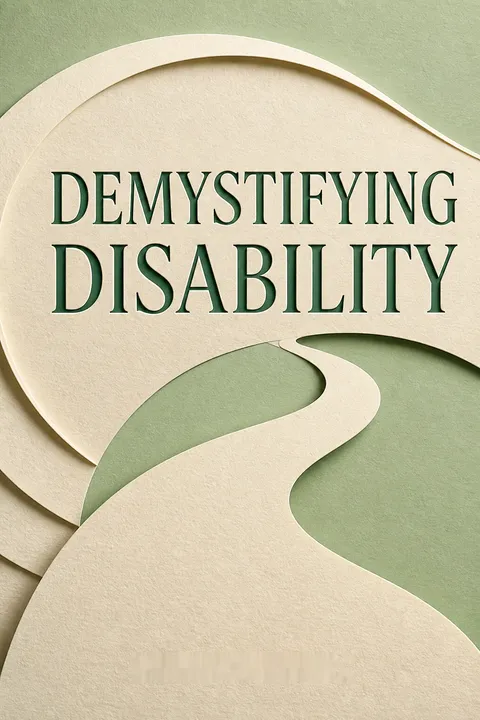
Demystifying Disability receives mostly positive reviews for its accessible introduction to disability issues. Readers appreciate the author's friendly tone, practical advice on etiquette, and discussions of media representation. Some criticize the book's US-centric focus and occasional oversimplification. Many find it eye-opening and valuable for both disabled and non-disabled readers. The book is praised for its inclusivity and intersectional approach. Some reviewers note it's best suited for those new to disability topics, while others appreciate its comprehensive overview. Overall, it's considered a useful resource for understanding and advocating for disability rights.
People Also Read
FAQ
What is "Demystifying Disability" by Emily Ladau about?
- Comprehensive Disability 101: The book serves as an accessible introduction to disability, aiming to answer common questions, dispel myths, and provide practical guidance for being a better ally.
- Personal and Community Perspectives: Emily Ladau shares her lived experience as a disabled woman, while also including insights and quotes from a diverse range of disabled people.
- Focus on Language, History, and Etiquette: The book covers how to talk about disability, the history of disability rights, ableism, accessibility, and everyday etiquette.
- Resource for Allies and the Curious: It’s designed for anyone—disabled or nondisabled—who wants to deepen their understanding and support the disability community.
Why should I read "Demystifying Disability" by Emily Ladau?
- Breaks Down Barriers: The book helps readers confront their own biases and misconceptions about disability, making it easier to engage in respectful, informed conversations.
- Practical Guidance: It offers actionable advice on language, etiquette, and allyship, making it a useful resource for workplaces, schools, and social settings.
- Intersectional Approach: Ladau emphasizes the diversity within the disability community, including intersections with race, gender, and other identities.
- Empowering and Nonjudgmental: The tone is welcoming and nonjudgmental, encouraging readers to learn without fear of making mistakes.
What are the key takeaways from "Demystifying Disability" by Emily Ladau?
- Disability Is Diverse: There is no single disability experience; disability is a natural, varied part of the human condition.
- Language Matters: The words we use shape perceptions—person-first and identity-first language both have value, and preferences should be respected.
- Ableism Is Pervasive: Ableism is deeply embedded in society, from systemic barriers to everyday language, and everyone has a role in challenging it.
- Allyship Is Ongoing: Being an ally is a continuous process of learning, listening, and supporting disabled people, not a one-time achievement.
How does Emily Ladau define disability in "Demystifying Disability"?
- Beyond Medical Definitions: While legal and medical definitions focus on impairments, Ladau defines disability as a state of being and a natural part of the human experience.
- Evolving Identity: Disability is not static; it can change over time and is influenced by personal, social, and cultural factors.
- Social and Cultural Dimensions: Disability is also an identity, a community, and a culture, not just a diagnosis or limitation.
- Individual Experience: Each person’s experience of disability is unique, even among those with the same diagnosis.
What is ableism, according to "Demystifying Disability" by Emily Ladau?
- Definition of Ableism: Ableism is the attitudes, actions, and circumstances that devalue people because they are disabled or perceived as having a disability.
- Systemic and Everyday: Ableism exists both in large-scale systems (like inaccessible transportation) and in daily interactions (like patronizing comments).
- Self-Perpetuating Cycle: Ableist assumptions lead to systemic barriers, which in turn reinforce those assumptions.
- Internalized Ableism: Disabled people themselves can internalize ableist beliefs, making self-acceptance and advocacy challenging.
How does "Demystifying Disability" by Emily Ladau recommend talking about disability and choosing the right language?
- Respect Individual Preferences: Always ask people how they prefer to be described—some prefer person-first language (“person with a disability”), others identity-first (“disabled person”).
- Avoid Outdated and Offensive Terms: Terms like “handicapped,” “wheelchair-bound,” and euphemisms like “differently abled” are generally discouraged unless specifically preferred by the individual.
- Be Direct, Not Euphemistic: Using “disabled” is not offensive; avoiding the word can reinforce stigma.
- Language Evolves: Be open to learning and adjusting language as the disability community’s preferences and standards change.
What are the main models of understanding disability discussed in "Demystifying Disability" by Emily Ladau?
- Medical Model: Focuses on disability as an individual’s impairment or diagnosis, often seeing it as something to be fixed.
- Social Model: Emphasizes that people are disabled by societal barriers and inaccessible environments, not just by their bodies or minds.
- Other Models: The book also covers the charity, cultural, economic, human rights, and religious models, each offering different perspectives on disability.
- No One-Size-Fits-All: Ladau encourages readers to recognize the limitations of each model and to see disability as a complex, multifaceted experience.
How does "Demystifying Disability" by Emily Ladau address intersectionality and privilege within the disability community?
- Intersectionality Defined: Disability intersects with other identities like race, gender, sexuality, and class, affecting how people experience discrimination and privilege.
- Privilege Within Disability: Not all disabled people experience the same barriers; factors like race, communication style, and visibility of disability can confer privilege or additional marginalization.
- Centering Marginalized Voices: The book highlights the importance of centering disabled people with multiple marginalized identities in advocacy and conversations.
- Ongoing Self-Examination: Both disabled and nondisabled people are encouraged to examine their own privileges and biases.
What is disability etiquette, and what practical advice does "Demystifying Disability" by Emily Ladau offer?
- Golden Rule Approach: Treat disabled people as you would want to be treated, with respect and without condescension.
- Ask, Don’t Assume: Don’t offer help, ask intrusive questions, or touch mobility aids without permission; always ask first.
- Communicate Directly: Speak to disabled people, not just to their companions or interpreters, and use clear, respectful language.
- Accessible Spaces: Don’t use accessible amenities (like parking or restrooms) unless you need them, and don’t assume someone’s disability status based on appearance.
How does "Demystifying Disability" by Emily Ladau explain ableism and accessibility in society?
- Ableism Is Widespread: It’s present in laws, workplaces, media, and daily interactions, often going unnoticed by nondisabled people.
- Accessibility Is Essential: Accessibility means creating environments, products, and services that everyone can use, not just adding ramps or elevators.
- Barriers Are Socially Created: Many challenges faced by disabled people are due to societal choices, not inherent limitations.
- Everyone Benefits: Accessibility improvements (like curb cuts) often help everyone, not just disabled people.
How does "Demystifying Disability" by Emily Ladau critique disability representation in the media?
- Stereotypes and Tropes: The book identifies common harmful tropes like “inspiration porn,” “pity porn,” and the “tragedy” narrative.
- Lack of Authentic Representation: Disabled people are underrepresented and often portrayed by nondisabled actors, reinforcing stereotypes.
- Positive Representation Matters: Authentic, diverse, and multidimensional portrayals by disabled creators and actors are essential for changing perceptions.
- Media’s Impact: Media shapes how society views disability and how disabled people see themselves, making accurate representation crucial.
What are the best quotes from "Demystifying Disability" by Emily Ladau and what do they mean?
- “If the disability community wants a world that’s accessible to us, then we must make ideas and experiences of disability accessible to the world.”
- This quote highlights the importance of sharing stories and educating others to foster understanding and inclusion.
- “There is no singular disability experience, and this book is in no way intended to be representative of every single person with a disability.”
- Ladau emphasizes the diversity within the disability community and cautions against generalizations.
- “Ableism is attitudes, actions, and circumstances that devalue people because they are disabled or perceived as having a disability.”
- This succinct definition clarifies the broad and pervasive nature of ableism.
- “Nothing about us without us.”
- A rallying cry for disability rights, this phrase insists that disabled people must be included in decisions that affect their lives.
- “Being an ally is really more of a ‘show, don’t tell’ kind of thing.”
- Ladau reminds readers that allyship is demonstrated through ongoing action, not just words.
Download PDF
Download EPUB
.epub digital book format is ideal for reading ebooks on phones, tablets, and e-readers.








































