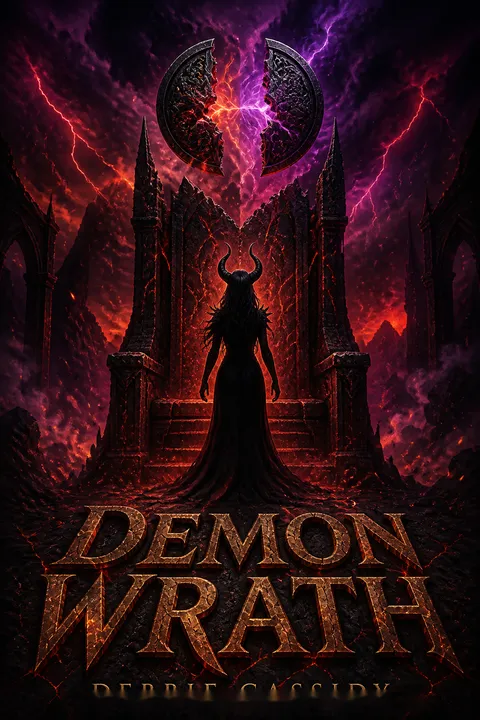

Plot Summary
Poisoned Kiss, Shattered Trust
The story opens with Nyx, newly chosen as Satan, preparing for her coronation. Her world is upended when Zepar, her lover and trusted ally, poisons her with a paralytic kiss and steals the amulet that binds her to the seat of Satan's power. As she lies helpless, she learns from Theo—the sentient power of the Satanic seat—that Zepar is also her father's murderer. This revelation shatters Nyx's trust and sets her on a path of vengeance and heartbreak, as she realizes the depth of Zepar's deception and the precariousness of her new role.
Coronation Interrupted, Secrets Revealed
As the coronation ball approaches, Nyx's friends and siblings gather, only to discover her seemingly lifeless body. Panic and confusion ripple through Morningstar as her closest allies—Orina, Mallini, Gus, and others—scramble to understand what has happened. The event, meant to solidify Nyx's rule, instead exposes the vulnerability of the new Satan and the dangerous political undercurrents swirling beneath the surface. The family's unity is tested as secrets and suspicions come to light.
Betrayal and Paralysis
Trapped in her own body, Nyx battles the effects of Zepar's toxin with Theo's guidance. Her anger and sense of betrayal fuel her determination to survive. As she regains control, she is forced to confront the reality that Zepar's affection was a mask for manipulation. The emotional toll is immense, but Nyx's resilience shines as she vows to hunt Zepar down and reclaim what was stolen—not just the amulet, but her sense of agency and trust.
The Amulet Stolen
The theft of the amulet is more than a personal loss; it is a threat to the stability of the demon realms. The amulet is revealed to be part of a lock to a prison containing ancient, world-ending powers. Zepar's motives remain murky, but his actions endanger everyone. The princes and council debate their next moves, torn between maintaining a façade of strength for political reasons and addressing the existential threat Zepar now poses.
The Ball Must Go On
Despite the chaos, the public coronation proceeds. Nyx, still reeling from betrayal and barely recovered, must present herself as a strong, unassailable leader. The ball becomes a stage for political maneuvering, alliances, and veiled threats. Nyx's performance is flawless, but beneath the surface, she is haunted by doubt and rage. The event cements her authority but also isolates her, as she realizes the loneliness of power.
Dance of Power and Desire
Amidst the festivities, Sin—Nyx's electus and enigmatic prince—claims her for a dance that blurs the line between dominance and desire. Their chemistry is undeniable, but Sin's possessiveness and emotional distance frustrate Nyx. The dance is both a public display of unity and a private battle for control. Nyx's relationships with her consorts and allies are tested as she navigates love, lust, and the burdens of leadership.
Investigations and Hidden Doors
While Nyx manages the political front, Orina and Dhuma investigate Zepar's private quarters, searching for clues to his plan. Their search leads them to a hidden pocket reality—a trap set by Zepar using ancient, forbidden magic. Orina and Odette (Zepar's mother) are caught in this alternate space, where they piece together Zepar's motives and the extent of his alliance with the fawda, a shadowy, world-threatening force.
The Pocket Reality Trap
Trapped in Zepar's pocket reality, Orina and Odette must work together to escape. Their ordeal reveals Odette's ignorance of her son's true nature and the tragic consequences of parental neglect and ambition. The experience deepens the psychological complexity of the narrative, highlighting themes of guilt, redemption, and the generational scars left by power struggles.
The Fawda Connection
The investigation uncovers that Zepar is working with the fawda, ancient enemies from the djinn world who seek to unleash chaos and destruction. Zepar's motivations are rooted in a twisted desire to restore the fallen to their rightful place and fill the "vacancy" of God, believing himself destined for ultimate power. His willingness to sacrifice anyone—including Nyx and Loke—marks him as a tragic, deluded antagonist.
Satan's Family Binds
With Nyx preparing to leave on a quest to secure the true key to the prison, Theo—the sentient seat—offers to bind with Nyx's siblings, granting them power and insight in her absence. This act of trust and unity strengthens the family's resolve and ensures Morningstar's stability. The siblings' acceptance of Theo's presence marks a new era of shared leadership and mutual reliance.
The Source's Summons
Summoned by the Source, the primordial entity overseeing the prison, Nyx learns that the key is not an object but a person—Loke, a man she once loved. The Source tasks Nyx with finding and bringing Loke to safety, warning that Zepar's pursuit threatens all realities. The revelation reframes Nyx's quest as both a personal and cosmic struggle, intertwining love, sacrifice, and the fate of worlds.
The Key Named Loke
Nyx finds Loke trapped in a fabricated reality, his memories of her and his true nature erased. Their reunion is bittersweet, filled with longing and the ache of lost time. Nyx must restore Loke's memories and convince him to leave with her, knowing that doing so may cost them both dearly. Their love becomes a crucible for the story's central themes: identity, destiny, and the price of freedom.
Butterfly's Illusion
Nyx and Loke live an idyllic life together in the Butterfly club, unaware of the passage of time or the looming threat. When reality intrudes, Nyx is forced to shatter the illusion, awakening both herself and Loke to the truth. The pain of leaving behind their dream life underscores the story's exploration of choice, consequence, and the seductive power of denial.
Love and Loss in Time
As Zepar closes in, Nyx uses her unique power to open a doorway through time, returning to the moment she first met Loke in Butterfly. She saves him from destruction, but the act comes at a heavy price: she must send Loke away to another world, erasing their shared memories to keep him safe. The sacrifice is devastating, but it averts catastrophe and forges a new, uncertain path for the future.
The Maras Break Free
While Nyx battles on the cosmic front, Sev, her consort and maras warrior, destroys the contract binding his people to Umbrane, the cruel duke. With the help of his newfound sister Alania, Sev frees the maras and their mothers, reclaiming their heritage and dignity. The maras' liberation is both a personal victory and a turning point in the struggle against tyranny and exploitation.
Infection's Shadow Returns
Tristeene, Nyx's sister, battles the infection that threatens to consume her. With the help of Odette and a newly synthesized blocker, she gains temporary respite and the ability to spy on the entity behind the infection. The discovery that the infected are gathering at the site of the old rift signals a new, imminent threat—the possible return of the abyssal breach and the unleashing of ancient horrors.
Hallini's Treachery
Hallini, head of House Mairva, reveals her plan to unleash the infection and purge the world of hybrids and fallen. Using allure and manipulation, she attempts to seize control of the hub to the abyss. Her actions expose the lingering resentments and divisions among the demon houses, as well as the dangers of unchecked purity and fanaticism. The family's quick response averts disaster, but not without cost.
The Rift Reopens
As the maras reclaim their freedom and Morningstar regroups, the infected gather at the site of the old rift. The oak tree marking the sealed breach splits, and the rift reopens, threatening to unleash chaos once more. The story ends on a cliffhanger, with Nyx and her allies facing a new, existential crisis—one that will test their unity, resolve, and the very fabric of their world.
Analysis
A tale of destiny, defiance, and the cost of freedomDemon Wrath is a rich, emotionally charged fantasy that weaves together personal and cosmic stakes. At its core, the novel interrogates the nature of destiny: Are we bound by the paths laid out for us, or can we carve our own? Nyx's journey from pawn to queen is a testament to the power of agency, resilience, and chosen family. The story's use of sentient power, time manipulation, and layered betrayals elevates it beyond standard fantasy fare, offering a meditation on love, loss, and the price of rewriting fate. The narrative warns of the dangers of unchecked ambition, purity, and the longing for validation, while celebrating the messy, imperfect bonds that hold us together. In a world where apocalypse is always one betrayal away, Demon Wrath insists that hope lies not in prophecy or power, but in the courage to choose, to love, and to fight for a future of our own making.
Review Summary
Demon Wrath receives an overall rating of 4.45/5, with readers praising its emotionally charged plot twists, multiple POVs, and complex character development. Many highlight Nyx's growth as a protagonist and the expanding roles of her siblings. The betrayal by Zepar shocked readers, while Sin's emotional unavailability frustrated many. Reviewers appreciated the world-building and series momentum heading into the finale, though some found the numerous POVs and storylines overwhelming. The cliffhanger ending left readers eagerly anticipating the final installment.
People Also Read





Characters
Nyx
Nyx is the heart of the narrative—a woman forged in hardship, marked by abandonment, and thrust into power as Satan. Her journey is one of self-discovery, resilience, and sacrifice. She is fiercely loyal to her chosen family, yet haunted by the betrayals of those she loves. Nyx's relationships—with her siblings, consorts, and the sentient seat Theo—are complex, blending love, duty, and vulnerability. Her ability to open doorways, both literal and metaphorical, symbolizes her role as a bridge between worlds and destinies. Nyx's greatest strength is her refusal to be defined by fate; she carves her own path, even when it means paying the ultimate price.
Zepar
Zepar is a fallen prince's son, a master manipulator driven by a desperate need for acceptance and power. His love for Nyx is genuine but twisted by his belief in his own destiny as a savior or god. Zepar's alliance with the fawda and his willingness to sacrifice anyone for his cause make him both pitiable and terrifying. His actions are rooted in childhood wounds—rejection by his father, Ramiel, and the burden of being different. Zepar embodies the dangers of unchecked ambition and the tragic consequences of seeking validation through destruction.
Sin
Sin is both Nyx's electus and a prince with his own hidden agenda. He is a study in contradictions: passionate yet emotionally distant, protective yet controlling. Sin's relationship with Nyx is fraught with power struggles and unspoken longing. He marks her as his mate without consent, reflecting his belief in destiny and dominance. Yet, beneath his stoic exterior lies a vulnerability he refuses to show. Sin's actions are shaped by ancient wounds and a sense of cosmic responsibility, making him both an ally and a source of pain for Nyx.
Loke
Loke is the living key to the prison in Tarrifel—a man whose existence is both a blessing and a curse. Stripped of his memories and agency, he finds fleeting happiness with Nyx in the Butterfly club, only to be sacrificed in Zepar's quest for power. Loke's love for Nyx is pure and transformative, offering her a glimpse of the life she could have had. His ultimate fate—erased and hidden in another world—underscores the story's themes of love, loss, and the cost of defying destiny.
Theo
Theo is the consciousness of the Satanic seat, a being of immense wisdom and empathy. She guides Nyx through crises, offers power to her siblings, and becomes a symbol of unity and shared responsibility. Theo's longing for connection and form mirrors the characters' own desires for belonging and agency. Her presence blurs the line between tool and companion, making her an integral part of the family's strength and resilience.
Sev
Sev is a maras warrior, once enslaved and abused, now a leader and consort to Nyx. His journey from victim to liberator is marked by pain, rage, and the healing power of love. Sev's bond with Nyx is primal and passionate, rooted in mutual respect and shared trauma. His liberation of the maras and reunion with his mother and sister represent the reclaiming of identity and the breaking of generational chains.
Tristeene
Tristeene, Nyx's sister, is a succubus battling the infection that threatens to consume her. Her struggle is both physical and psychological, as she navigates the entity's garden of souls and spies on the enemy from within. Tristeene's resilience and willingness to risk herself for the greater good highlight the story's themes of sacrifice and the enduring bonds of family.
Orina
Orina is Nyx's best friend and a skilled investigator. Her loyalty and resourcefulness are invaluable as she uncovers Zepar's secrets and navigates the dangers of the demon realm. Orina's outsider perspective and angel-blessed heritage add depth to the narrative, challenging the insular politics of Morningstar and advocating for change.
Gus
Gus is one of Nyx's siblings and acts as regent in her absence. His diplomatic skills and calm demeanor provide stability during crises. Gus's ability to mediate between factions and his openness to Theo's power make him a linchpin in the family's efforts to maintain order and unity.
Odette
Odette is Zepar's mother, a powerful conji and fallen. Her love for her son is complicated by guilt and denial. Odette's efforts to cure Tristeene and her role in the family's scientific endeavors highlight the story's exploration of redemption, forgiveness, and the limits of parental influence.
Plot Devices
Sentient Power and Shared Agency
The narrative employs the unique device of a sentient seat of power—Theo—who not only guides and empowers Nyx but also binds her siblings, creating a network of shared strength and insight. This device symbolizes the importance of collective leadership and the rejection of solitary rule. It also allows for rapid communication, emotional support, and the pooling of resources in times of crisis.
Pocket Realities and Time Manipulation
The use of pocket realities—hidden rooms, alternate timelines, and fabricated worlds—serves both as literal traps and metaphors for psychological entrapment. Nyx's ability to open doorways, especially through time, introduces high-stakes choices and the theme of sacrifice. The temporal reset, where Nyx rewinds time to save Loke, is a pivotal plot device that explores the consequences of defying fate and the cost of rewriting destiny.
Betrayal and Hidden Motives
The story is propelled by betrayals—Zepar's duplicity, Sin's secrets, Hallini's treachery. These betrayals are not merely plot twists but explorations of trust, power, and the psychological scars left by abandonment and ambition. The constant questioning of motives keeps the narrative tense and the characters' relationships dynamic.
Cosmic Stakes and Personal Sacrifice
The narrative structure balances cosmic threats—the opening of ancient prisons, the return of the rift, the ambitions of gods—with deeply personal stakes: love, family, and identity. The foreshadowing of apocalypse is always mirrored by the characters' internal struggles, making every victory and loss resonate on multiple levels.
Political Intrigue and Social Commentary
The demon realm's politics—alliances, contracts, and betrayals—mirror real-world issues of purity, exclusion, and the dangers of fanaticism. The story critiques the pursuit of power for its own sake and the marginalization of hybrids and outsiders, advocating instead for unity, empathy, and shared responsibility.
Demons of Morningstar Series
Download PDF
Download EPUB
.epub digital book format is ideal for reading ebooks on phones, tablets, and e-readers.








































