
Plot Summary
Game Night Catastrophe
The story opens with a group of friends playing Dungeons & Dragons, where a heated in-game conflict between Phil and Amy spills into real life. Amy, new to the game, accidentally causes a character's death, igniting tension with Phil. The group's dynamic is playful but fraught with old wounds and unspoken feelings, especially between Phil and Amy, who share a complicated history. The session's fallout sets the tone for their relationship: competitive, emotionally charged, and laced with unresolved attraction. The game becomes a microcosm for their real-life struggles, foreshadowing the emotional battles to come.
Old Friends, New Tensions
After the game, the group heads to the pub, and the narrative delves into Phil and Amy's intertwined past. Phil, a full-time carer for his grandmother Ethel, is weighed down by responsibility and loss, while Amy, recently returned home after a painful breakup, feels like an outsider among her brother's friends. Their banter masks deeper wounds—Amy's longing for belonging and Phil's fear of vulnerability. The evening is tinged with nostalgia and regret, as both struggle to navigate the blurred lines between friendship, family, and something more.
Lemon Bars and Longing
Amy's internal monologue reveals her sense of displacement and envy as she watches the group's camaraderie. She's haunted by her failed relationship and the emotional distance with Phil, who oscillates between teasing and protectiveness. The lemon bar—a small, shared act of pettiness—symbolizes their push-pull dynamic. Amy's longing for connection is palpable, but so is her fear of rejection. The chapter ends with Amy alone, facing the ghosts of her past and the uncertainty of her future, her heart aching for something she can't quite name.
Caregiver's Burden
Returning home, Phil's life is a careful balancing act between caring for Ethel, managing finances, and maintaining a semblance of normalcy. The house is filled with reminders of loss and love—his parents' memory, Ethel's decline, and the ever-present threat of change. Phil's exhaustion is both physical and emotional, and his moments of respite are fleeting. The narrative explores the quiet heroism and isolation of caregiving, as well as the guilt and grief that come with watching a loved one fade. Phil's vulnerability is hidden behind humor and routine, but it's clear he's nearing his breaking point.
Exes and Pretending
Amy is forced to meet her ex, Chris, and his new fiancée, Niamh, at the local bar. The encounter is humiliating and raw, dredging up old betrayals and insecurities. Phil, witnessing Amy's distress, steps in to play the role of her boyfriend, blurring the line between pretense and reality. Their act is convincing—so much so that it sparks rumors and hope among their friends and families. The charade is both a shield and a catalyst, allowing Amy to reclaim some dignity while exposing the depth of Phil's feelings for her.
The Kiss That Wasn't
Flashbacks reveal a pivotal night five years earlier when Phil and Amy almost kissed, only for Phil to pull away, fearing he'd take advantage. The missed opportunity haunts them both, coloring every interaction with regret and what-ifs. In the present, their staged kiss outside the bar is electric, reigniting old desires and confusing new ones. Their friends, witnessing the moment, are thrilled, but Phil and Amy are left reeling—caught between the safety of friendship and the risk of something more.
Rumors and Realities
News of Phil and Amy's "relationship" spreads quickly, fueled by eager friends and hopeful family members. Both are swept up in the momentum, unable to correct the misunderstanding without disappointing those around them. The lie becomes a comfort and a trap, offering them a taste of what could be while raising the stakes of their eventual fallout. As they navigate the expectations of others, they're forced to confront their own desires and fears, each wondering if the pretense could become real.
The Pact Is Sealed
Phil and Amy, recognizing the benefits of their ruse, agree to continue pretending for the summer. They set ground rules—no unnecessary PDA, exclusivity, a shared backstory, and a planned breakup. Their "lore" becomes a living document, a playful but poignant record of their imagined romance. As they spend more time together, the boundaries blur, and genuine affection grows. The arrangement offers them both respite from loneliness and pressure, but also sets them on a collision course with their own hearts.
Lore, Lies, and Love
The daily exchange of "Phamy lore" becomes a ritual, each entry a window into their hopes, insecurities, and humor. Their friends and family embrace the couple, drawing them into a web of shared activities—pub quizzes, camping trips, D&D sessions, and family dinners. The fake relationship becomes a safe space for vulnerability, allowing Phil and Amy to support each other through work challenges, caregiving struggles, and personal growth. Yet, the specter of their planned breakup looms, casting a shadow over their happiness.
Rules of Engagement
As the summer unfolds, Phil and Amy's rules are repeatedly challenged by circumstance and desire. Shared beds, accidental touches, and moments of intimacy blur the line between act and reality. Their chemistry is undeniable, and their friends' teasing only heightens the tension. Both are afraid to admit how much they want the relationship to be real, each fearing rejection and the loss of their hard-won friendship. The emotional stakes rise as they approach the fantasy festival—a milestone that will test their resolve.
Camping and Confessions
A group camping trip becomes a crucible for Phil and Amy's feelings. Surrounded by friends and the beauty of the outdoors, they find moments of peace and connection, but also jealousy and doubt. Confessions are made—about past hurts, present fears, and future dreams. The physical proximity and shared vulnerability push them closer, but also expose the fragility of their arrangement. The trip ends with unresolved tension, as both struggle to reconcile their growing love with the inevitability of their planned breakup.
Costumes and Complications
Phil throws himself into making costumes for the upcoming fantasy festival, using the work as both a distraction and a love language. Amy becomes more involved in Ethel's care, deepening her bond with Phil's family. The demands of caregiving, work, and friendship begin to take their toll, and both Phil and Amy feel the strain. Their relationship, once a source of joy, becomes another responsibility to manage. The festival approaches, promising both escape and reckoning.
Friendship and Family Dinners
The group's weekly rituals—film nights, pub quizzes, D&D, and family dinners—become a lifeline for Phil and Amy. Surrounded by friends who love and accept them, they find moments of belonging and peace. Yet, the pressures of caregiving and the weight of their secret threaten to unravel everything. Amy's growing competence and confidence at work are mirrored by Phil's increasing exhaustion. The support of their chosen family is both a blessing and a reminder of what's at stake if things fall apart.
Burnout and Boundaries
Phil's caregiving responsibilities intensify as Ethel's health declines, pushing him to the brink of burnout. Amy, recognizing the toll, tries to help, but Phil's pride and fear of burdening others lead him to shut her out. Their relationship suffers as a result, with both retreating into old patterns of self-protection. The fantasy festival, once a symbol of hope and creativity, becomes a backdrop for confrontation and heartbreak. The boundaries they set to protect themselves now threaten to keep them apart for good.
The Breaking Point
A crisis with Ethel forces Phil to confront the limits of his strength and the consequences of his isolation. In the aftermath, he pushes Amy away, ending their relationship in a misguided attempt to protect her from his pain. Amy, devastated but resilient, leans on her family and friends for support. Both are left to reckon with the fallout—Phil with guilt and loneliness, Amy with grief and anger. The planned breakup, once a distant worry, becomes a painful reality.
The Festival Fallout
As the group travels to Manchester for the fantasy ball, Amy is forced to face the end of her relationship with Phil. Surrounded by friends, she finds solace in their love and acceptance, but the absence of Phil is keenly felt. Phil, meanwhile, is confronted by the consequences of his choices and the realization that he cannot do everything alone. An intervention by friends and family offers him a lifeline, but the path to healing—and to Amy—is uncertain.
The Ball Approaches
Inspired by the support of his loved ones and the wisdom of Ethel, Phil decides to fight for Amy. He crafts a stunning dress for her, a tangible expression of his love and regret. With the help of friends, he orchestrates a dramatic entrance at the fantasy ball, donning a suit of armor and declaring his feelings in front of everyone. The gesture is both romantic and vulnerable, a public acknowledgment of his mistakes and his hope for a second chance.
Endings and Interventions
Amy, moved by Phil's gesture and the outpouring of support from their friends and family, finds the courage to forgive. Their reunion is tender and honest, marked by mutual vulnerability and a commitment to facing life's challenges together. The story ends with a dance under the stars, surrounded by the people who have become their true family. The fake relationship that began as a shield against loneliness becomes a real partnership, built on love, trust, and the willingness to be present for each other—no matter what.
Grand Gestures
Phil and Amy's reconciliation is not just a return to romance, but a reimagining of what it means to love and be loved. They acknowledge their flaws, fears, and the ways they've hurt each other, choosing to move forward with honesty and hope. The grand gesture at the ball is both a culmination and a new beginning, a promise to show up for each other in all the messy, beautiful ways that matter. Their story is one of resilience, forgiveness, and the transformative power of love.
Dancing Under the Stars
The final scene is a celebration—of love, friendship, and the courage to embrace life's uncertainties. Phil and Amy, surrounded by their chosen family, dance under the stars, their hearts full of gratitude and possibility. The journey that began with a game night catastrophe ends with a promise: to be present, to love fiercely, and to face whatever comes next—together.
Analysis
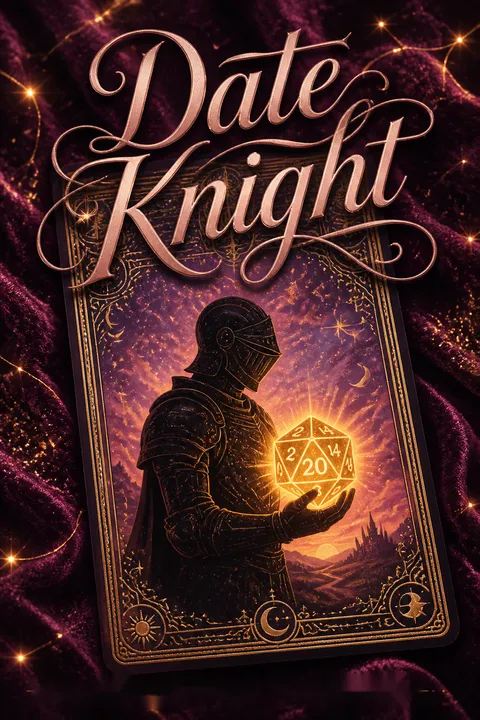
Date Knight is a contemporary romantic comedy that uses the conventions of fake dating, found family, and roleplay to explore deeper themes of vulnerability, caregiving, and the courage to love. At its heart, the novel is about the tension between self-protection and connection—how trauma, duty, and fear can isolate us, and how love, in all its messy forms, can bring us back to ourselves. The story's use of D&D and collaborative storytelling is more than a quirky backdrop; it's a metaphor for the risks and rewards of emotional honesty. By blurring the line between act and reality, the novel invites readers to consider how we perform for others—and for ourselves—and what it takes to drop the mask. The narrative is both a celebration of nerd culture and a meditation on the realities of caregiving, grief, and resilience. Ultimately, Date Knight argues that true heroism lies not in grand gestures or perfect plans, but in the willingness to be present, to accept help, and to risk one's heart for the possibility of joy. The novel's emotional arc—from loneliness and longing to forgiveness and hope—offers a modern lesson: that love is not about rescuing or being rescued, but about showing up, again and again, for ourselves and each other.
People Also Read



Characters
Phil Owen
Phil is a man defined by duty and loss. Orphaned young and raised by his grandmother Ethel, he's become her full-time carer as she battles dementia. Phil's life is a careful balancing act—juggling work, friendship, and the relentless demands of caregiving. His humor and competence mask deep exhaustion and a fear of vulnerability. Phil's relationship with Amy is fraught with history: a near-romance derailed by self-doubt, years of missed chances, and a fake dating pact that exposes his longing for connection. His journey is one of learning to accept help, confront his own needs, and risk his heart for love.
Amy Evans
Amy is a woman in transition—recently returned home after a devastating breakup, she feels like a perpetual outsider among her brother's friends. Her sharp wit and mystical interests (tarot, crystals, astrology) are both a shield and a source of comfort. Amy's lifelong crush on Phil is complicated by old wounds and new hope, as their fake relationship blurs into something real. She's resourceful, caring, and determined to prove her worth, both at work and in love. Amy's arc is about claiming her place in her chosen family, embracing her strengths, and learning to trust her own heart.
Ethel Owen
Ethel is Phil's grandmother and surrogate mother, a once-vibrant woman now fading under the weight of dementia. Her sharp tongue and warmth are a source of comfort and pain for Phil, who is haunted by the inevitability of her loss. Ethel's decline is both a catalyst and a crucible for the story, forcing Phil to confront his limits and the meaning of love. Her wisdom, humor, and stubbornness shape the family's dynamic, and her blessing is crucial to Phil and Amy's reconciliation.
Jack Evans
Jack is Amy's older brother and Phil's best friend, a gentle giant with a heart of gold. He's the glue that holds the group together, offering support, humor, and a steady presence. Jack's own journey—navigating love, work, and family—mirrors the story's themes of chosen family and resilience. His loyalty to both Amy and Phil is tested by their romantic entanglements, but he ultimately champions their happiness.
Chloe
Chloe is the group's resident agent of chaos—fun-loving, impulsive, and fiercely loyal. Her love of drama (both in D&D and real life) often stirs the pot, but her heart is always in the right place. Chloe's friendship with Amy is a source of comfort and comic relief, and her encouragement helps push Phil and Amy toward honesty. She embodies the messy, joyful energy of found family.
Fatima
Fatima is the group's D&D gamemaster and a grounding presence. Her intelligence, empathy, and organizational skills keep the group (and the story) on track. Fatima's subtle interventions—both in-game and out—help nudge Phil and Amy toward growth. She represents the power of storytelling to heal and connect.
Morgan
Morgan is Jack's girlfriend and a talented designer, often acting as a bridge between Amy and the rest of the group. Her warmth and insight help Amy feel included, and her own relationship with Jack offers a model of healthy partnership. Morgan's creativity is mirrored in the group's shared projects and adventures.
Grey
Grey is Phil's university friend, a physically imposing but emotionally soft presence. Their humor, kindness, and willingness to help make them a beloved member of the group. Grey's journey is one of self-acceptance and quiet strength, offering support to both Phil and Amy in times of need.
Anil
Anil is Ethel's professional carer and a crucial support for Phil. His expertise, compassion, and honesty help Phil navigate the complexities of caregiving. Anil's interventions—both practical and emotional—are instrumental in pushing Phil to accept help and consider new possibilities for Ethel's care.
Niamh and Chris
Niamh (Amy's ex-best friend) and Chris (her ex-boyfriend) represent betrayal, heartbreak, and the lingering wounds of the past. Their reappearance forces Amy to confront her insecurities and claim her own worth. Their engagement and wedding serve as a backdrop for Amy's journey from loss to self-acceptance.
Plot Devices
Fake Dating and Roleplay
The central device is the fake dating pact between Phil and Amy, born out of a need to save face and deflect pressure. This arrangement allows both to explore vulnerability and intimacy in a "safe" context, lowering their defenses and exposing their true feelings. The D&D campaign, with its shifting roles and collaborative storytelling, mirrors their real-life journey—blurring the line between act and reality, and offering a space to rehearse courage, confession, and forgiveness.
Parallel Narratives and Lore
The "Phamy lore" note, a living document of their fake relationship, becomes a meta-narrative—a way to process hopes, fears, and regrets. Flashbacks to their near-romance five years earlier, and the ongoing D&D campaign, provide emotional resonance and foreshadowing. The lore entries, both playful and poignant, allow the characters to rewrite their past and imagine new futures, highlighting the power of narrative to heal and transform.
Caregiving and Burnout
Phil's role as Ethel's carer is both a source of meaning and a barrier to happiness. The story explores the realities of caregiving—exhaustion, guilt, isolation, and the fear of losing oneself. The tension between self-sacrifice and self-care is a recurring motif, with interventions from friends and family serving as turning points. The narrative structure uses parallel crises (Ethel's health, Amy's work, the fake relationship) to build to moments of reckoning and change.
Found Family and Community
The group's rituals—game nights, family dinners, shared projects—are both plot devices and emotional lifelines. The story uses ensemble scenes to show the power of chosen family to offer support, challenge, and unconditional love. Interventions, both subtle and dramatic, drive the plot forward and force characters to confront their limitations and accept help.
Grand Gesture and Public Confession
The fantasy ball serves as the stage for Phil's grand gesture—a public declaration of love, vulnerability, and hope. The use of costumes, dance, and spectacle heightens the emotional stakes, allowing for a cathartic resolution. The narrative structure builds to this moment, using foreshadowing, callbacks, and parallel storylines to create a sense of inevitability and release.
Download PDF
Download EPUB
.epub digital book format is ideal for reading ebooks on phones, tablets, and e-readers.








































