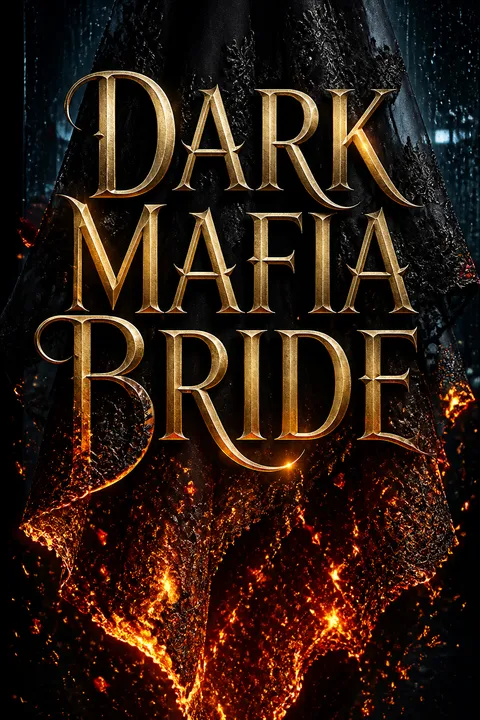
Plot Summary
Rain, Debt, and Danger
Mirabella Ricci trudges through a rain-soaked city, burdened by crushing debt and the weight of her family's needs. Her mother's illness and her family's poverty force her into dangerous jobs and even more dangerous debts. One night, as she tries to make it home, she's cornered by Abruzzi's thugs—menacing enforcers of a ruthless loan shark. Their threats escalate, and Mirabella's fear is palpable, but her determination to protect her family keeps her defiant. The city's darkness mirrors her own sense of hopelessness, and the threat of violence looms ever closer. In this moment, Mirabella's vulnerability and courage are laid bare, setting the stage for a life-altering encounter.
The Reaper's Rescue
As Mirabella faces imminent assault, a mysterious figure—Ettore Greco, known as The Reaper—emerges from the shadows. His reputation as a ruthless mafia enforcer precedes him, and his presence terrifies even Abruzzi's men. With lethal efficiency, Ettore dispatches her attackers, saving Mirabella but revealing his own darkness. The encounter is both terrifying and magnetic; Mirabella is drawn to his power and the strange sense of safety he provides. Their chemistry is immediate, charged with adrenaline and forbidden attraction. Ettore's intervention is not just a rescue—it's the catalyst that entwines their fates, setting off a chain of events neither can control.
One Night, New World
Shaken but alive, Mirabella accepts Ettore's offer of warmth and food. Their conversation is laced with tension, flirtation, and the raw honesty of two people who have nothing left to lose. Mirabella, emboldened by her brush with death, propositions Ettore for a night she'll never forget. Their connection is electric, and what begins as a transaction of bodies becomes something deeper—a moment of vulnerability and mutual need. For Mirabella, it's an awakening; for Ettore, it's a crack in his carefully constructed armor. By morning, Mirabella is gone, but neither can forget the night that changed them.
Mafia Proposals and Secrets
Ettore, haunted by Mirabella, faces pressure from his consigliere to clean up his image for business expansion. The solution: marriage to a woman of status. But Ettore's mind is on Mirabella, not the polished socialites his family expects. Meanwhile, Mirabella's debts worsen, and she's offered a way out—a marriage contract from a faceless mafia boss. The offer is both salvation and a trap, promising money and protection in exchange for her freedom. Both are caught between personal longing and the demands of their criminal world, their choices narrowing as danger closes in.
The Marriage Offer
Mirabella's family is threatened, her debts called in, and her options vanish. The mafia's offer—marriage for money and safety—becomes her only escape. The contract is cold, transactional, and terrifying, but the alternative is unthinkable. Mirabella signs, sacrificing her autonomy for her family's survival. The act is both surrender and defiance, a choice made under duress but with fierce resolve. The stage is set for a collision of worlds: Mirabella's desperate hope for a better life and Ettore's ruthless need for control and legitimacy.
Family, Fear, and Choices
Mirabella's family is uprooted, her secret tearing at her conscience. She faces the judgment of her grandmother and the confusion of her sister, all while hiding the truth of her arrangement. Ettore's family, too, is a nest of vipers—resentful aunts, calculating cousins, and the ever-present shadow of his father's legacy. Both protagonists are trapped by family expectations and the scars of the past. Their choices are never truly their own, and every act of rebellion or submission is a negotiation with fate.
The Contract Signed
The marriage contract is signed in a sterile hotel, its terms as binding as any prison. Mirabella is swept into Ettore's world—a mansion of cold luxury, hostile relatives, and constant surveillance. She is both guest and captive, her every move scrutinized. Ettore, for his part, is torn between his growing obsession with Mirabella and the demands of his criminal empire. Their relationship is transactional, but the undercurrents of desire and resentment run deep. The contract is a lifeline and a shackle, binding them together in a web of power, fear, and longing.
Into the Lion's Den
Mirabella's arrival at the Greco estate is met with suspicion and open hostility. Ettore's aunts and cousins see her as an interloper, a threat to their status and inheritance. Mirabella struggles to find her place, clinging to her dignity and the hope that she can endure for her family's sake. Ettore is both protector and jailer, his possessiveness both comforting and suffocating. The mansion is a gilded cage, and Mirabella's isolation grows. Yet, beneath the surface, a dangerous intimacy begins to develop between her and Ettore—a connection forged in adversity and mutual need.
Wedding Day Escape
On the day of the wedding, Mirabella's fear and desperation reach a breaking point. She stages a daring escape, using her wits and Nonna's old self-defense tricks to slip past the estate's guards. Her flight is frantic, her hope for freedom short-lived. Ettore's men quickly track her down, and she is brought back—her defiance met with both anger and reluctant admiration. The failed escape cements her fate: there is no way out but through. The wedding proceeds, a spectacle of power and submission, sealing her to Ettore in the eyes of the world.
Caught and Cornered
The wedding is both pageant and prison, a public display of unity masking private turmoil. Mirabella is paraded before Ettore's family and the press, her every gesture scrutinized. The ceremony is charged with tension—resentment, desire, and the unspoken threat of violence. The wedding night is a battleground of wills, passion, and pain. Both are forced to confront the reality of their arrangement: they are bound together, for better or worse, in a world that will not let them go.
Vows and Violence
As Mirabella and Ettore navigate their new roles, old enemies resurface. Abruzzi's threats escalate, and the violence of the mafia world intrudes on their fragile peace. Ettore's jealousy flares when Mirabella is seen with another man, and his possessiveness becomes both shield and weapon. Their relationship is a storm of passion and mistrust, each trying to assert control while fearing betrayal. The line between protection and domination blurs, and both are forced to reckon with the darkness inside themselves and each other.
Pretending and Possession
Mirabella and Ettore must maintain the façade of a loving marriage for the world, even as their private battles intensify. Family gatherings are minefields, with Ettore's aunts undermining Mirabella at every turn. The pressure to produce an heir, to conform to the Greco legacy, weighs heavily. Mirabella's sense of self erodes under the constant scrutiny, and Ettore's need for control threatens to destroy the fragile trust between them. Yet, in stolen moments, their connection deepens, hinting at the possibility of something real beneath the lies.
Love, Lust, and Lies
The physical attraction between Mirabella and Ettore is undeniable, but it is complicated by secrets and half-truths. Mirabella discovers she is pregnant, a fact she hides out of fear and uncertainty. Ettore's enemies close in, and a fire—set by those who wish to destroy them—forces Mirabella and her family to flee. The trauma brings them closer, but also exposes the fault lines in their relationship. Lies and omissions pile up, threatening to tear them apart just as they begin to hope for something more.
Fire, Betrayal, and Survival
The fire that destroys Mirabella's home is both literal and symbolic—a cleansing and a curse. Abruzzi's involvement is suspected, but the true mastermind remains hidden. Mirabella's survival is a testament to her resilience, but the trauma leaves scars. Ettore's guilt and rage drive him to violent retribution, but his actions only deepen the rift between them. Mirabella's pregnancy becomes a secret burden, her trust in Ettore shaken by his capacity for violence and his inability to protect her from the dangers of his world.
The Truth Unravels
As Mirabella's pregnancy progresses, the truth about the fire and the conspiracy against her comes to light. Ettore's aunt, Camila, is revealed as the architect of much of Mirabella's suffering, her actions driven by jealousy and a twisted sense of loyalty. The revelation is explosive, shattering the fragile peace of the Greco household. Ettore's rage nearly leads to tragedy, but Mirabella's intervention saves Camila from his wrath. The family is forever changed, and the cost of survival is laid bare.
Separation and Suffering
Unable to forgive Ettore's violence and the betrayals that have marked their marriage, Mirabella leaves, determined to build a life for herself and her unborn twins. Ettore is left to grapple with the consequences of his actions, his love for Mirabella now a source of pain and regret. Both struggle with loneliness and the demands of their respective worlds. Mirabella's independence is hard-won, but the ache of separation lingers. Ettore's attempts at redemption are met with skepticism, and the possibility of reconciliation seems distant.
Reconciliation and Redemption
Time and distance allow wounds to heal, and both Mirabella and Ettore are changed by their suffering. Ettore's persistent efforts to make amends, his willingness to confront his own darkness, and his unwavering love for Mirabella begin to break down her defenses. Mirabella, too, must confront her own fears and the depth of her feelings for Ettore. Their reunion is tentative, marked by vulnerability and the hard-earned wisdom of experience. Together, they face the future—not as captor and captive, but as partners and equals.
Homecoming and Hope
Mirabella and Ettore's journey comes full circle as they build a new life together, free from the shadows of the past. Their love, tested by violence, betrayal, and loss, emerges stronger and more resilient. The birth of their twins is both a symbol of hope and a testament to their survival. Surrounded by family—chosen and blood—they find peace in the ordinary joys of home and parenthood. The scars remain, but they are no longer wounds; they are reminders of a love that endured against all odds.
Analysis
Dark Mafia Bride is a modern gothic romance that interrogates the intersections of power, gender, and survival in a world ruled by violence and tradition. At its core, the novel is a story of agency reclaimed: Mirabella's journey from victim to survivor, from pawn to partner, is a testament to the resilience of the human spirit. The arranged marriage trope is subverted, becoming a site of both oppression and liberation, as Mirabella and Ettore negotiate the terms of their relationship and their own identities. The novel explores the psychological costs of trauma, the corrosive effects of toxic family dynamics, and the redemptive power of love hard-won. Its lessons are both timeless and timely: that true strength lies in vulnerability, that forgiveness is an act of courage, and that the families we choose can be more powerful than those we are born into. In a world where survival often means compromise, Dark Mafia Bride insists on the possibility of hope, healing, and a love that endures against all odds.
Characters
Mirabella Ricci
Mirabella is the emotional heart of the story—a young woman shaped by hardship, fiercely loyal to her family, and driven by a relentless will to survive. Her journey is one of transformation: from a desperate, debt-ridden daughter to a woman who claims her own agency, even in the face of overwhelming power. Mirabella's relationship with Ettore is fraught with tension, desire, and mistrust, but her capacity for forgiveness and her refusal to be broken define her arc. She is both vulnerable and unyielding, her love hard-won and fiercely defended. Her psychological complexity lies in her ability to endure trauma without losing her sense of self, and in her insistence on dignity and autonomy, even when the world conspires to strip them away.
Ettore Greco
Ettore is a study in contradictions: ruthless and tender, powerful and haunted, a man who wields violence as both shield and sword. His reputation as The Reaper is well-earned, but beneath the surface lies a deep well of longing—for love, for redemption, for a life beyond blood and power. Ettore's relationship with Mirabella is transformative, forcing him to confront the darkness within himself and the legacy of his family. His journey is one of self-discovery and atonement, as he learns to balance the demands of his world with the needs of his heart. Ettore's psychological depth is rooted in his struggle to reconcile his capacity for violence with his desire to protect and cherish, and in his willingness to change for the woman he loves.
Nonna (Mirabella's Grandmother)
Nonna is the anchor of Mirabella's family—a woman hardened by loss but softened by love. Her wisdom and sharp tongue are matched by her unwavering devotion to her grandchildren. She is both critic and champion, challenging Mirabella to be strong while offering unconditional support. Nonna's relationship with Ettore evolves from suspicion and hostility to grudging respect, reflecting her ability to recognize true love and redemption when she sees it. Her presence is a reminder of the enduring power of family and tradition, even in a world corrupted by violence.
Isabella (Mirabella's Mother)
Isabella's illness is the catalyst for much of Mirabella's desperation, but she is more than a passive victim. Her quiet strength and resilience inspire Mirabella's sacrifices, and her recovery is a symbol of hope. Isabella's relationship with her daughters is marked by tenderness and regret, her gratitude for their devotion tempered by guilt over the burdens they bear. She is a reminder of the costs of poverty and the quiet heroism of those who endure.
Giulia (Mirabella's Sister)
Giulia represents the future Mirabella fights for—a younger sister whose innocence and optimism are both a comfort and a responsibility. Her presence grounds Mirabella, reminding her of what is at stake. Giulia's coming-of-age is woven into the larger narrative of survival and resilience, her growth a testament to the power of love and sacrifice.
Zia Camila
Ettore's aunt is the primary antagonist within the family—a woman driven by jealousy, pride, and a twisted sense of loyalty. Her machinations are the source of much of Mirabella's suffering, and her eventual downfall is both a reckoning and a release. Camila's psychological complexity lies in her inability to adapt to change, her fear of losing power, and her willingness to destroy what she cannot control. She is a cautionary figure, a reminder of the dangers of unchecked ambition and the corrosive effects of envy.
Abruzzi
Abruzzi is the external threat that drives much of the plot—a ruthless loan shark whose violence and manipulation force Mirabella into desperate choices. He is both a symbol of the dangers of poverty and a mirror for Ettore's own capacity for cruelty. Abruzzi's pursuit of Mirabella is relentless, his eventual downfall a necessary catharsis. Psychologically, he represents the inescapable consequences of past mistakes and the ever-present threat of violence in a world ruled by power.
Luca
Luca is Ettore's right hand—a man whose loyalty is unquestioned but whose conscience is not untouched. He is both participant and witness, his actions shaped by duty and a quiet sense of justice. Luca's presence is a reminder of the costs of loyalty in a world where morality is negotiable, and his relationship with both Ettore and Mirabella is marked by respect and a willingness to bend the rules for the greater good.
Milo
Milo is both confidant and betrayer—a friend whose actions, manipulated by others, nearly destroy Mirabella's reputation and marriage. His arc is one of guilt and redemption, his confession a turning point in the unraveling of the conspiracy against Mirabella. Milo's psychological complexity lies in his vulnerability to temptation and his ultimate willingness to face the consequences of his actions.
Vittorio
Ettore's younger brother is a rare source of warmth and support in the Greco family. His loyalty to Ettore is matched by his empathy for Mirabella, and he often serves as a bridge between the warring factions of the household. Vittorio's presence is a reminder that not all family is toxic, and that change is possible even in the most entrenched systems.
Plot Devices
Arranged Marriage as Power Play
The central plot device is the arranged marriage contract—a transaction that is both a lifeline and a shackle. It serves as a crucible for character development, forcing Mirabella and Ettore into close proximity and constant negotiation. The contract is a symbol of the ways in which women's bodies and choices are commodified in patriarchal systems, but it is also subverted as Mirabella claims agency within its confines. The marriage is both a site of conflict and a space for intimacy, its terms constantly renegotiated as the characters grow.
Dual Narration and Shifting Perspectives
The story alternates between Mirabella's and Ettore's perspectives, allowing readers to experience the emotional stakes from both sides. This dual narration creates dramatic irony, as each character's misunderstandings and secrets are revealed to the reader before they are to each other. The shifting perspectives also highlight the psychological complexity of both protagonists, making their eventual reconciliation more satisfying.
Family as Both Haven and Hell
Both Mirabella and Ettore are shaped by their families—one loving but impoverished, the other wealthy but toxic. The contrast between these households is a recurring motif, and the struggle to define family on their own terms is central to the narrative. Betrayals and alliances within the family drive much of the plot, and the eventual forging of a new, chosen family is the story's emotional climax.
Secrets, Betrayals, and Revelations
The plot is propelled by secrets—hidden debts, concealed pregnancies, and the true motives of allies and enemies. Foreshadowing is used to build suspense, with early hints of betrayal and danger paying off in explosive revelations. The uncovering of Camila's conspiracy and the truth about the fire are turning points that force the characters to confront the consequences of their actions and the limits of forgiveness.
Violence as Both Threat and Catharsis
Violence is ever-present, both as a threat from external enemies and as an expression of internal conflict. The story does not shy away from the brutality of the mafia world, but it also uses violence as a metaphor for the emotional wounds the characters inflict on each other. The resolution of the plot requires not just the defeat of physical threats, but the healing of psychological scars.

Download PDF
Download EPUB
.epub digital book format is ideal for reading ebooks on phones, tablets, and e-readers.








































