
Plot Summary
Shattered at the Grave
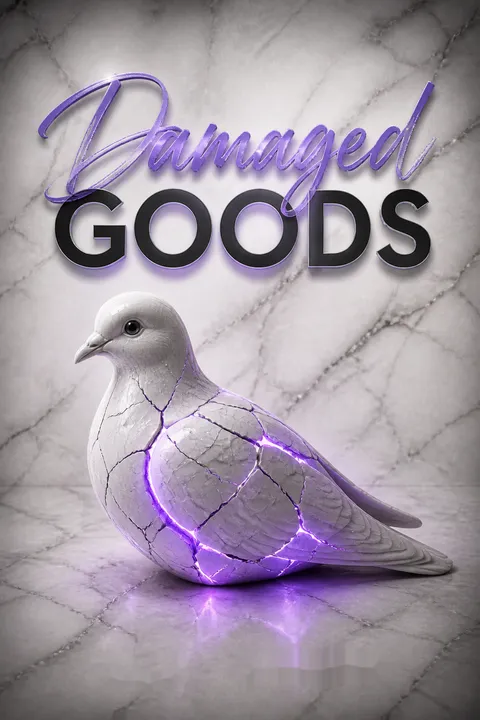
At fourteen, Lev stands at his mother's grave, unable to cry, his world upended. Bailey, his best friend, holds him together, promising never to leave. Their grief explodes in the woods, where anger and pain are unleashed on nature. In the aftermath, they find solace in each other, witnessing two turtle doves—symbols of hope and loyalty. Bailey swears she'll always be there, and Lev clings to her as his lifeline. This moment cements their codependent bond, setting the stage for a love that is both salvation and self-destruction.
Perfection Frays, Pain Grows
At nineteen, Bailey is the model daughter and student, but beneath the surface, she's crumbling. Injuries and relentless pressure at Juilliard drive her to painkillers and anxiety meds. She hides her dependency, desperate to maintain her flawless reputation. The more she tries to control her life, the more it slips away. Her self-worth is tied to achievement, and as her body fails, so does her sense of identity. The seeds of addiction are sown in her need to please and her terror of not being enough.
Addicted to Numbness
Bailey's injuries worsen, and her academic performance falters. She turns to a campus dealer, Payden, for stronger drugs, rationalizing her use as necessary for survival. The pills numb her physical and emotional pain, but also distance her from her true self and loved ones. Her dependency deepens, and she begins to lie to everyone, including herself. The spiral accelerates when she overdoses, alone and terrified, and calls Lev—the one person she trusts to save her.
The Call That Saves
In a moment of crisis, Bailey reaches out to Lev, despite their growing distance. Lev, at a party, drops everything to coordinate her rescue, his love and fear overriding all else. As Bailey slips into unconsciousness, their old connection flares—Lev's voice is her lifeline. The trauma of nearly losing her shakes both of them, but also exposes the depth of their unresolved feelings and the dangerous codependency that binds them.
Homecoming and Denial
After her overdose, Bailey is brought back to Todos Santos. Her parents are shocked and desperate, oscillating between anger and concern. Bailey insists it was a one-time mistake, but the truth is harder to face. She's forced into outpatient rehab, but continues to hide her drug use. Lev, meanwhile, is torn between anger, guilt, and his enduring love for her. Their families, once sources of stability, now feel like prisons of expectation and disappointment.
Secrets, Lies, and Pills
Bailey's lies multiply as she continues using, even as she attends support groups and pretends to recover. Lev tries to intervene, demanding drug tests and accountability, but Bailey resists, lashing out and pushing him away. Their once-easy friendship is now fraught with suspicion, jealousy, and pain. Lev's own struggles—with football, family expectations, and his feelings for Bailey—mirror her downward spiral. Both are trapped by the roles they've been forced to play.
Rival Hearts Collide
Lev, now football captain, is distracted by Bailey's return and her rumored overdose. His anger explodes at school, leading to fights and confrontations. Bailey, meanwhile, learns about Lev's new girlfriend, Thalia—a girl who looks eerily like her. The revelation stings, fueling Bailey's self-destructive behavior and deepening the rift between them. Their mutual jealousy and inability to communicate honestly drive them further apart, even as their longing for each other intensifies.
The Girlfriend Revelation
Thalia visits Bailey, presenting herself as a friend but revealing her relationship with Lev. The encounter is excruciating for Bailey, who realizes Lev has moved on—or is trying to. Thalia's presence is both a comfort and a threat, as she offers Bailey drugs and subtly undermines her recovery. The triangle becomes a battleground for affection, validation, and control, with Bailey caught between resentment and resignation.
Spiraling and Sabotage
Bailey's attempts to get clean are sabotaged by Thalia, who supplies her with drugs under the guise of friendship. Lev, increasingly desperate, tries to protect Bailey but is also drawn into toxic games of jealousy and control. Their interactions become more volatile, culminating in public humiliations and private breakdowns. Bailey's family, overwhelmed and helpless, considers sending her to inpatient rehab, but she clings to her dream of returning to Juilliard.
Breaking Points and Betrayals
Bailey's addiction leads to a catastrophic relapse, and she is hospitalized after another overdose. Juilliard revokes her admission, and her family's patience is exhausted. Lev, wracked with guilt and anger, finally lets her go, recognizing that their love has become poisonous. Both are forced to confront the reality that they cannot save each other, and that healing requires distance and painful honesty. The loss of their shared dreams leaves them adrift and alone.
The Cost of Dreams
Lev, pressured by his family to pursue football, secretly longs to become a pilot. Bailey, stripped of her identity as a ballerina, must reckon with the emptiness left behind. Both are haunted by what might have been, and by the ways they failed themselves and each other. Letters, apologies, and confessions are exchanged, but the wounds run deep. Only by letting go of their old selves can they begin to imagine new futures.
Hitting Rock Bottom
Bailey enters inpatient rehab, finally surrendering to the need for help. The process is grueling—physically, emotionally, and spiritually. She confronts the roots of her addiction, her perfectionism, and her fear of failure. Lev, meanwhile, is accepted to the Air Force Academy, thanks in part to Bailey's behind-the-scenes efforts. Both begin to rebuild their lives, learning to stand alone before they can hope to stand together.
Letting Go to Heal
Months pass with no contact. Bailey focuses on recovery, finding purpose in teaching dance and helping others. Lev endures the rigors of military training, discovering his own strength and resilience. Their families heal in parallel, with old wounds addressed and new bonds formed. The absence of each other is keenly felt, but also necessary for true healing. Both learn that love cannot be a substitute for self-worth or sobriety.
Letters, Loss, and Hope
Bailey writes Lev a letter of apology, unsure if he will respond. Lev, moved by her words and her efforts to support his dreams, realizes that their love endures despite everything. They meet again, older and wiser, and share their truths. The doves that once symbolized their bond return, marking a new beginning. Their reunion is not a return to the past, but the start of a healthier, more honest partnership.
Rebuilding from Ruins
Bailey embraces a new identity as a teacher and mentor, finding fulfillment in helping others rather than chasing perfection. Lev pursues his passion for flying, free from the weight of family expectations. Their love, once destructive, becomes a source of strength and inspiration. Together, they honor the scars of their past while building a future rooted in acceptance, growth, and hope.
Doves Return Home
In a final, luminous reunion, Lev and Bailey return to their secret spot in the woods, where the doves once appeared. They exchange vows—not of perfection, but of enduring love and mutual support. Their families, once fractured, are now whole. The story ends not with a triumphant victory, but with the quiet, hard-won peace of two damaged souls who have learned to love themselves and each other, flaws and all.
Analysis
A modern tale of perfection, addiction, and redemption
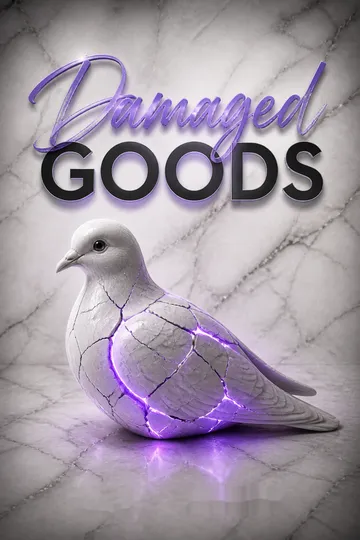
Damaged Goods is a raw, emotionally charged exploration of the high cost of perfectionism and the insidious nature of addiction. Through the intertwined journeys of Bailey and Lev, the novel exposes the dangers of tying self-worth to achievement and the ways in which love, when rooted in codependency, can become destructive. The story refuses easy answers—recovery is depicted as a messy, nonlinear process, and forgiveness is hard-won. The use of dual narration and time jumps deepens the reader's understanding of how trauma and expectation shape identity. The symbolism of doves and the motif of letters reinforce the themes of hope, loyalty, and the necessity of honest communication. Ultimately, the novel argues that true healing requires letting go—of old dreams, toxic attachments, and the illusion of control. Only by embracing imperfection and learning to stand alone can Lev and Bailey find their way back to each other and to themselves. The message is clear: damaged goods are still goods, and survival is its own kind of victory.
Review Summary
People Also Read






Characters
Bailey Followhill
Bailey is the golden child—brilliant, beautiful, and driven to please. Her identity is built on achievement and control, but beneath the surface, she is wracked by anxiety, self-doubt, and a desperate need for approval. Her journey from Juilliard prodigy to addict is a study in the dangers of perfectionism and the high cost of suppressing pain. Bailey's relationships—with her family, Lev, and herself—are defined by codependency and fear of failure. Her recovery is hard-won, requiring her to confront her deepest wounds and learn to value herself beyond external success. By the end, she emerges as a survivor, embracing imperfection and finding purpose in helping others.
Lev Cole
Lev is the quintessential star athlete—handsome, talented, and adored. But his mother's death leaves him emotionally adrift, clinging to Bailey as his anchor. His need to save and be saved by her fuels a toxic codependency. Lev is torn between fulfilling his family's football legacy and pursuing his true passion for flying. His relationship with Bailey is both his greatest joy and deepest pain, as he struggles to balance love, guilt, and self-respect. Lev's growth comes from learning to let go—of control, of unhealthy attachments, and of the need to be perfect. He ultimately chooses authenticity over obligation, forging a new path for himself and his future with Bailey.
Thalia Mulroney
Thalia is Lev's girlfriend during Bailey's absence—a girl who looks strikingly like Bailey but lacks her depth. Initially friendly, Thalia's insecurities and ambition drive her to sabotage Bailey's recovery, supplying her with drugs and undermining her confidence. Thalia's actions are rooted in her own struggles with self-worth and a desire for security. She is both a victim and perpetrator, illustrating how desperation can lead to cruelty. Her eventual exposure and exile from Bailey and Lev's lives mark a turning point in the story's moral arc.
Melody Followhill
Bailey's mother, Melody, is loving but overbearing, projecting her own unfulfilled dreams onto her daughters. Her insistence on perfection and success contributes to Bailey's breakdown, even as she tries to help her recover. Melody's journey is one of reckoning—with her own mistakes, her daughters' pain, and the limits of parental control. She ultimately learns to support Bailey's healing without imposing her own agenda.
Jaime Followhill
Bailey's father, Jaime, is warm, quirky, and devoted, but ill-equipped to handle his daughter's addiction. He oscillates between denial, anger, and fierce protectiveness. Jaime's arc is about learning to let go—of control, of guilt, and of the illusion that he can fix everything. His love remains a constant, even as he is forced to accept Bailey's autonomy and the reality of her struggles.
Grim Kwon
Grim is Lev's closest friend and football rival, embodying the tension between ambition and loyalty. His own struggles with family expectations and identity parallel Lev's, and their friendship is tested by competition and betrayal. Grim's eventual success as football captain and his support for Lev's true dreams highlight the importance of honesty and self-advocacy.
Payden Rhys
Payden is the campus drug dealer who exploits Bailey's vulnerability, supplying her with painkillers and becoming her first sexual partner. His manipulation and indifference to her well-being accelerate her descent into addiction. Payden represents the predatory forces that prey on the desperate, and his eventual exposure is a necessary step in Bailey's recovery and pursuit of justice.
Dixie LeBlanc
Dixie is a family friend who becomes a surrogate mother figure to Lev and Knight after Rosie's death. Her own unrequited love for Dean and struggles with belonging mirror the story's themes of loss and longing. Dixie's intervention—submitting Lev's Air Force Academy application and offering tough love—proves pivotal in both Lev's and Bailey's journeys. She embodies the power of chosen family and the importance of boundaries.
Knight Cole
Knight, Lev's brother, is a recovering addict whose own struggles with substance abuse and family expectations serve as both warning and inspiration. His support for Lev and Bailey is grounded in hard-earned wisdom, and his presence underscores the story's message that recovery is possible but never easy.
Vicious (Baron Spencer)
Vicious is a larger-than-life figure whose influence looms over the younger generation. His own journey from ruthless ambition to hard-won contentment provides a backdrop for the story's exploration of legacy, expectation, and the possibility of change.
Plot Devices
Dual Narration and Time Jumps
The novel alternates between Lev's and Bailey's perspectives, as well as between their adolescence and young adulthood. This structure allows the reader to witness the origins of their codependency, the evolution of their relationship, and the cumulative impact of trauma and expectation. The time jumps create dramatic irony and emotional resonance, as past promises and wounds echo in the present.
Symbolism of Doves and Bracelets
The recurring motif of turtle doves—first seen at Lev's mother's grave—serves as a symbol of enduring love and the possibility of renewal after loss. The matching dove bracelets are tangible reminders of Lev and Bailey's bond, their loss and recovery mirroring the characters' own journeys. The doves' eventual departure signals the characters' readiness to move forward on their own.
Addiction as Metaphor and Reality
Bailey's addiction is depicted with unflinching honesty, serving as both a personal battle and a metaphor for the ways perfectionism, codependency, and societal pressure can destroy. The story uses the cycles of relapse and recovery to explore themes of agency, forgiveness, and the necessity of hitting rock bottom before true change can occur.
Letters and Apologies
Letters—whether apologies, recommendations, or confessions—function as vehicles for truth-telling and healing. They allow characters to express what cannot be said face-to-face, bridging the gap between past wounds and future hope. The exchange of letters marks key turning points in the narrative, enabling forgiveness and new beginnings.
Parallel Family Arcs
The struggles of Lev and Bailey are mirrored in their parents' stories—unfulfilled dreams, loss, and the challenge of letting go. The narrative structure draws explicit parallels between generations, highlighting the dangers of living for others and the possibility of forging new paths. The resolution of family conflicts is essential to the protagonists' own healing.
All Saints High Series
About the Author






Download PDF
Download EPUB
.epub digital book format is ideal for reading ebooks on phones, tablets, and e-readers.








































