
Plot Summary
1. Inferno Under Moonlight
Beneath a bleeding sky, Quinn faces ruthless justice from the men she once called allies and lovers, as the Carnage clubhouse erupts in flames—a blaze she set out of righteous vengeance. Nico, Atlas, Killian: the Princes. They press her at gunpoint, enemies and husbands all in one, but she refuses to cower, even as hatred and heartbreak war within her. The fire scorches not just their home but every false promise and secret wedged between them. Betrayed by the ones closest, Quinn's resolve is burned to its core: if they are devils, she'll become the hell they're forced to reckon with. Caught, cornered, and bleeding from old wounds and new, she bolts into the darkness, desperate to control her own fate as loyalty, desire, and revenge combust in the moonlit night.
2. Shackled and Defiant
Quinn is subdued, tied and dragged back to her own basement—once her father's place for vengeance, now the Princes' lair for retribution. The house that was becoming a home is rendered a prison, heavy with memories of love, deceit, and violence. The three men—Nico, Atlas, Killian—act in lockstep, their anger cold and relentless even as conflicting, unspoken affection bleeds through the act. Quinn's injuries are tended to with a blend of surgical care and bruising purpose: an uneasy line between torment and concern. Despite her bonds and torment, her spirit remains unbroken. She stares them down with a dare—they may have captured her body, but her heart will belong to nobody who cannot meet her pain with equal honesty.
3. Basement, Betrayal, Blood
Killian is the father's shadow, the blade in the dark. He cleans Quinn's wounds but cannot cleanse the ache in his conscience. For him, violence is routine; with her, it's personal and raw. His touch lingers too long, hovering between harming and helping, longing and loathing. Quinn refuses him both her secrets and her submission—anger keeping her backbone steel while memories swirl of nights spent in predator's pursuit and wicked pleasure. When the interrogation turns to brutality, no one can follow through. Even the white noise designed to break her will only leaves her battered, not bent. The tension shapes the darkness: truths are forced, but feelings bleed and blur. Cruelty collapses into strange, aching tenderness. The scars, physical and emotional, become the currency in this war of attrition.
4. Fury and Fractures
Quinn's defiance poisons the Princes' unity. Sleepless, battered, she is sustained by bitterness and visions of freedom. The men are as divided as they are united: arguments spiral into silent indictment and accusations. The Carnage gang is restless and fractured, their faith in Nico corroding with each unanswered question and every falsehood. In public, facades are maintained, but privately, old loyalties and fresh wounds rip wide open. Their unity threatens to collapse under the weight of pride, ego, and loss—a pyre where anyone could be burned, but most of all, those who once called each other brother or wife.
5. Truce On Ruins
Exhausted, starving, and battered by sleepless nights, Quinn holds out—until Nico, pressed by the risk of full-out gang war, offers an unthinkable olive branch. "A truce. Truth, total honesty, and a cut of the prize." The offer is tangled with desperation and the ghost of love, an attempt to turn hate into something useful. Quinn, tempted yet wary, nearly kills Nico but relents. What follows is sex laced with hatred and longing—a raw, violent coupling that topples old boundaries and, ironically, becomes her moment of liberation. As the pipe binding her gives way, she seizes her chance. Yet, neither triumph nor surrender rules between them: they must each face the other, stripped of all but naked need—and the promise, or threat, of what comes next.
6. Hate-Kissed, Rage-Fucked
The line between vengeance and desire dissolves in a fevered, desperate reckoning: Quinn and Nico's hate-fueled sex becomes the physical battleground where pain and longing, anger and need, mingle too closely to separate. Each bruise and bite is both punishment and possession. For Quinn, it's a way to regain control—using Nico as he uses her—and for Nico, it's a loss of power as much as an assertion of it. In the aftermath, when she could have killed him, she instead bargains for honest alliance, drawing him and his Princes back into a partnership that is as toxic as it is necessary. War outside; war within.
7. Prisoners of Forgotten Trust
With battered bodies and battered trust, Quinn and the Princes try to forge a strategic partnership—they'll hunt their common enemy, The Saint, together. The truth of their mutual betrayals is laid bare: each side had secrets, each nursed impossible hopes. They return to the beginning, forced to admit every connection was always transactional, every vow negotiable. The new pact is uneasy but vital, laced with the ghosts of everything they've lost: innocence, homes, dreams of safety. Now, the enemy truly is outside the walls, and they are united, if only by necessity and not yet by forgiveness.
8. Wounds and Seams
Quinn cleans her wounds with Killian, both tending and stoking their most secret pains. Past and present, the hurt that binds them is deeper than any knife. She recounts her father and mother, and the questions surrounding her worth—the marker everyone wants—echo in conversations that lurch between care and confrontation. The psychological war between them is charged, so much so that an accidental brush, a harsh word, or even an aftershock of pleasure can bring them both undone. Quinn, determined not to be a victim, forges onward—however frayed and bloodied the world makes her.
9. Jealousy in the Shadows
Atlas, the silent sentry haunted by longing, watches Quinn and Killian's private exchange with a simmering mixture of pain and rage. Guilt, jealousy, and regret churn within him—he cannot let go of her, or the anger at himself, or the choices that led them all here. As gang politics rumble outside, and memories of old love and old enemies surface with a chance encounter at the shop, Atlas is faced with the truth: protecting Quinn is both his penance and his ruin.
10. False Fronts, True Hands
Forced public appearances and uneasy alliances play out under the pressure of imminent threat. Quinn and the Princes must show a united front to keep their enemies at bay, even as their own followers doubt, gossip, and lash out. Past relationships—like Zoey's jealousy of Atlas and an old friend's wounded pride—add to the volatile mix. Every interaction tests their fragile bonds. Simmering tension threatens to boil over, but as the enemies outside draw closer, unity—however brittle—is all that stands between survival and annihilation.
11. Old Debts, Old Friends
Quinn tracks down her uncle's old cellmate, Ambrose Pearce, hoping to unravel the riddle of her value to The Saint. The past refuses to die: every answer only leads to more dangerous questions. The shadows of family secrets and untold debts haunt every word. Ambrose is cagey but, under strain, reveals a shocking truth: Quinn's father once held a "marker," a symbolic token tied to the shadowy Dark Lotus Syndicate—now passed to her. The symbol all have hunted is not just an idea, but etched on her skin, hidden in plain sight. Suddenly, Quinn is not just a pawn, but the queen on a bloodthirsty board.
12. Grief and Ghosts
Quinn revisits the deepest wound—the death of her father. Grief, anger, and longing intermingle as she recalls old advice and moments of vulnerability. Killian discloses his own twisted childhood, exposing raw wounds only Quinn can see. As loyalty and loss become the only currencies that matter, mourning is recast as proof of real love. Both find unexpected comfort in shared pain. The ghosts of those they lost become the hidden armature for the found family they are building, giving them courage to face the war at hand.
13. Behind Dead Eyes
Desperate to fill the puzzle her father left behind, Quinn interrogates every lead: friends, enemies, old bar keeps, mechanics, the cryptic notes and faded photographs in her late father's office. Each step brings her closer to understanding the anger, kindness, and deep caution that animated Jonah Kent's secret life. Nico, in a parallel journey, is forced to confront his own legacy—the sins of his father and the traumas that shaped him. Both learn what kind of inheritance matters most: not money or power, but a capacity for loyalty, protection, and the rare, fierce love that demands everything.
14. Ink and Revelation
Quinn, with Killian's help, uncovers the ultimate truth: the marker, source of all the violence and obsession, is hidden in plain sight within a hidden blacklight tattoo on her own skin—laid there by her father, protector and conspirator even in death. The realization rocks Quinn to her core: she is both treasure and trap, her value written into her flesh without her consent. The Princes, equally implicated, must decide: harness its power, or destroy it and win freedom at unthinkable cost.
15. Exile and Seige
Betrayals mount: at the Carnage clubhouse, vicious lies and Zoey's jealousy unleash chaos, turning Quinn from ally to hunted prey. Nico, Atlas, and Killian are punished for their loyalty, exiled and targeted by their own brothers. Riot and violence fracture the only family they have left. Forced to flee, outnumbered and outgunned, Quinn and her men rally to Enigma territory, where old gang wars flare anew and the circle of trust shrinks to three.
16. Carnage Unravels
The Carnage brotherhood implodes under Zoey and Stefan's manipulations, eating itself alive on suspicion and rage. Those still loyal to Nico, Atlas, and Killian are hounded, forced into hiding or exile. The once-mighty gang dissolves into fiefdoms and feuds, proving that family by blood or by oath is only as durable as the truth it's built upon. The Princes find out who truly belongs on their side, even as hopes for reclaiming their world grow dim.
17. Marked and Hunted
The war is no longer metaphorical. Both Zoey's Carnage loyalists and The Saint/mercenaries are closing in. Quinn, now revealed as the literal bearer of the marker, becomes more than the hunted—she's the lever that could shift all of Detroit's underworld. Questing for survival, love, and atonement, she is forced to choose: weaponize her value by joining the Syndicate, or destroy the marker and accept vulnerability for freedom. The Princes, wounded and marked by betrayal, pledge to follow Quinn's lead—even if it means losing everything.
18. The Saint's Game
Piece by piece, the true identity of The Saint is unmasked as Ambrose Pearce—Quinn's uncle's cellmate, trusted confidante turned foe. He has orchestrated every move: crafting the alliance, spying, the betrayals and the blood, pulling the strings to push Quinn and the Princes together then shatter them. As glimpses of his rage and cunning emerge, it becomes clear that nothing is off-limits to secure what he wants: not love, not torture, not even human life.
19. Saint Unmasked
Ambrose and his hired killers assault Quinn's shop in a final, savage strike. Blinded by flash grenades, the heroes are overrun—Quinn is drugged and nearly abducted, Atlas is shot and captured. As the world blurs, lines of trust are seared by war: the last defenses fail, and only love and desperation may be enough to turn the tide. Ambrose, at last revealed, directly threatens Quinn with Atlas's life, demanding the marker in exchange. A new, brutal game is underway, with every person she loves on the line.
20. Brothers By Choice
The story ends at the edge of annihilation, each character having lost and remade everything that mattered: old loyalties broken, new bonds welded in fire. Facing impossible choices, their love proves both their curse and their salvation. Born strangers, they become brothers—and something more—by choice and by battle. The battle lines, once between gangs, have become lines of belonging: love, rage, loyalty, and the refusal to let go of hope, no matter what the world or its devils demand.
Analysis
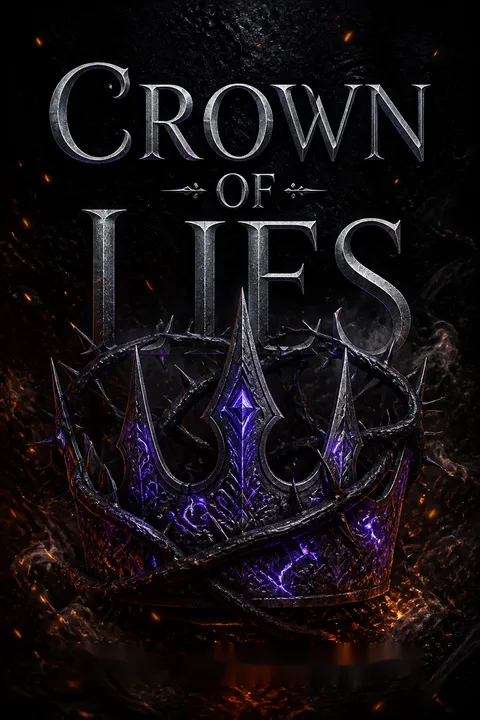
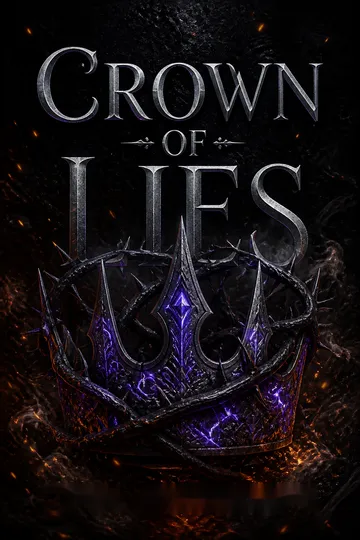
Eva Ashwood's Crown of Lies is a furious, darkly romantic meditation on violence, loyalty, sex, and power in a world where trust is a weapon as much as a blessing. By putting found family at the heart of a gangland epic and then burning that family to ash—literally and figuratively—Ashwood forces both her characters and her readers to confront hard truths. What does it mean to be loved if love is always shadowed by betrayal? How do we know what is worth holding on to, and when the fierce defense of loyalty slips into obsession, or even cruelty? The marker, hidden in Quinn's tattoo, is more than a MacGuffin: it's a psychological marker of how little we know about our inheritance, and how deeply secrets and self-worth are intertwined. Love here is never pure—it's tainted by violence, forged in pain, and always at risk from the ghosts of the past. Yet, in making her heroine's ultimate strength the willingness to choose her own family—even at the cost of power and revenge—Ashwood speaks directly to a generation for whom chosen bonds, resilience, and radical honesty are the only truths left. In the end, Crown of Lies is about remaking yourself, piece by piece, after every trust is broken—and daring, against all scars and betrayals, to believe that some bonds, if chosen and fought for, might finally hold.
Review Summary
Crown of Lies receives an overall positive reception, with readers praising its gripping plot, intense cliffhangers, and well-developed characters. Many highlight the compelling enemies-to-lovers dynamic, emotional tension, and satisfying spice. Fans of the series appreciate the fast-paced storytelling and unexpected twists, particularly the reveal of The Saint. Critics note repetitiveness from the first book, excessive sex scenes that overshadow the plot, and editing inconsistencies. Despite mixed feelings, most readers eagerly anticipate the next installment.
People Also Read
Characters
Quinn Kent
The survivor daughter of a murdered gang lord, Quinn is marked by grief, cunning, and scars both physical and emotional. Raised in violence, she fights not only for her own survival but as a protector of her legacy and her people. She despises her enemies—and even more the traitors among her supposed allies—yet never wholly abandons the hope of belonging or love. Her psychological landscape is torn by desire and distrust, caught between the need to be hard and the longing for real connection. Marked—literally and figuratively—by her father's secrets, Quinn is both weapon and prize, fiercely sexual and stubbornly loyal. As she is dragged through betrayals and violence, she never surrenders her agency: every negotiation and truce is on her terms, every pleasure hard-won, every sacrifice deliberate.
Nico Morelli
Born to a legacy of violence and neglect, Nico rises to lead Carnage with cunning and ruthlessness, but his greatest struggles are internal. Haunted by abandonment, loss, and his own bad choices, he is at war between the call of power and the need for connection. His love for Quinn is explosive—consuming, possessive, rife with guilt for his betrayals but deep enough to sacrifice everything for her. His loyalty, once absolute to his brothers and gang, fractures under the weight of Quinn's trust and the revelations of her value. Ultimately, he chooses to become the kind of leader—and lover—he never had for himself: vulnerable, truthful, and, when necessary, willing to burn down his world for someone else.
Atlas
Atlas is the emotional backbone among the Princes: the guard at the threshold, stoic and loyal to a fault. His past is colored by violence and the trauma of a murdered father, making him wary of love and desperate for family. He disguises his deep neediness beneath gruffness and action: watching over Quinn, brooding on past regrets, quick to anger but also forgiveness. His sexuality is deeply tied to his aggression and protectiveness, and his ultimate sacrifice—standing against his own for Quinn—cements his transformation from enforcer to partner. His will to survive and protect is the glue that sometimes, and sometimes not, holds the fractured makeshift family together.
Killian
The dark twin, Killian thrives in shadow—pain is both comfort and currency for him. His past, marked by a mother who betrayed every boundary, taught him to trust only violence and himself. He is more self-aware than he lets on, able to psychoanalyze not just others but himself, fully embracing the paradox that violence and care, pleasure and suffering, are intertwined. With Quinn, every act—whether cruelty or care—is a test of their mutual hunger for oblivion and attachment. Beneath his mask is the most possessive and unyielding love of all; he is the knife, but also the shield. His eventual willingness to risk everything for love unclenches a soul long frozen in predator's logic.
Emmett
Enigma's second, Emmett is Quinn's closest friend, protector, and would-be lover. He embodies the "old" code of trust, sacrifice, and practicality, often acting as the voice of reason in chaos. His devotion is real but ultimately leaves him wounded, forced to accept that Quinn's needs—and heart—lie elsewhere. His struggle is the tension between accepting a changed world and holding on to lost hopes, and he anchors the story's questions: What does real loyalty look like? When is it time to let go?
Zoey
Atlas's former flame, Zoey is the embodiment of the jealous outsider. She manipulates, lies, and ultimately engineers the coup that tears Carnage apart from within, motivated by a toxic cocktail of jealousy, insecurity, and desire for control. Her arc is a study of what happens when loyalty is weaponized by heartbreak, and her betrayal is the tipping point for all other fractures within the gang, showing how personal wounds can devastate entire worlds.
Ambrose Pearce ("The Saint")
Ambrose, once a trusted confidant, is the hidden hand orchestrating the downward spiral of all the characters. As The Saint, he is Machiavellian, strategic, and deadly; he wields the personal against the public, using knowledge gained in prison to seek power, manipulating both his enemies and supposed allies with ease. His psychological makeup is the sociopath's mirror to Quinn: where she hopes to remake trust, he exploits every crack, weaponizing the past to secure his own future, no matter the cost.
Jonah Kent
Jonah is the ghost behind it all: Quinn's guiding star and, in the end, her greatest riddle. His legacy is one of secrets and strength, having trained his daughter for survival but not for the isolation that his own schemes would bring. His choice to hide the marker within his daughter is both protection and a source of trauma, marking him as both hero and perpetrator in her story.
Stefan
Pushed into Carnage's leadership by Zoey, Stefan is more figurehead than mastermind. His inability to control his own gang—let alone himself—makes him both dangerous and pitiable. His rapid rise and instability reflect the chaos and fragility of power within the gangs when true loyalty evaporates.
Victor
Victor, a gifted hacker and ally from outside the core gangs, offers the tools and information necessary to unmask the Saint and the Syndicate. His arc reminds the heroes that knowledge, ruthlessly applied, can be as powerful as bullets or knives. He is the modern, ethical counterweight in a world ruled by violence.
Plot Devices
Shifting Narrative Perspectives
The story cycles through Quinn, Nico, Killian, and Atlas as point-of-view narrators, allowing raw insight into each character's trauma, loyalties, and doubts. This device ensures that every betrayal feels personal, every reconciliation earned. By inhabiting each psyche, the reader is forced to confront the impossibility of "truth"—every side has its own justifications, interpretations, and scars, uniting and dividing the group again and again.
The Marker—Hidden Symbolism
The entire plot orbits the search for Quinn's unknown "value"—what makes Ambrose and the Syndicate desperate to possess her. The ultimate revelation—that the marker is a hidden tattoo, both a target and a key—manifests the story's core tension: self-knowledge is both liberation and danger. The search for the physical marker is paralleled by a psychological quest for belonging and the risk of being "marked" by love, hate, and history alike.
Violence and Sex as Power Struggle
Consensual brutality, rage-fueled sex, and mutual torture are constant tools of communication and character development. Each act—interrogation, rough sex, or tender care—tests and remakes the group's loyalties. The characters use their bodies as both weapons and olive branches, often crossing the line between cruelty and intimacy in an effort to outwit not just enemies, but their own hearts.
Betrayal and Exile as Transformation
The exile of the Princes from Carnage, and later the near-exile from Enigma, is the furnace in which true alliances are forged. Only by losing everything—family, power, home—can the core relationships be rebuilt as chosen, not inherited, bonds. This repetition of exile and return reframes "gang loyalty" as a question of who really stands beside you when the house is burning.
Foreshadowing and Fragmented Clues
Answers hide in forgotten tattoos, offhand remarks from the dead, cryptic notes and sketches from Quinn's father—all apparent dead ends that, in retrospect, were keys. By layering scenes from different points of view and times, and holding back key facts until the characters (and readers) are desperate for them, the story transforms every moment of the past into a loaded gun for the present.
Pretty Ruthless Monsters Series Series
About the Author


Download PDF
Download EPUB
.epub digital book format is ideal for reading ebooks on phones, tablets, and e-readers.








































