
Plot Summary
A Night of Violence
In the secluded commune of Trinity, a young woman named Layla is brutally assaulted by four drunken camp counselors during a night of revelry. The attack leaves her physically and emotionally scarred, and she confides in her dying mother, who urges her to remember the strange "gibberish" the men shouted—cryptic chess moves. Layla's mother dies soon after, leaving her to inherit the community and its secrets. The trauma and the cryptic clues will echo through decades, shaping destinies far beyond the commune's borders.
Divorces and Deceptions
In present-day Washington, D.C., the all-female Quinn Law Firm is abuzz with two high-profile divorce cases. Amy Lambert, a brilliant but enigmatic young lawyer, amicably divorces Jeffrey Lambert, son of the powerful Speaker of the House, Wilson "Buzz" Lambert. Simultaneously, Livinia Lambert, the Speaker's wealthy wife, seeks a secretive divorce from her husband, fearing his political ambitions and the shadowy law firm known as the Chessmen. Both women's actions seem straightforward, but beneath the surface, motives and hidden identities are not what they seem.
The Speaker's Shadow
Buzz Lambert, a man obsessed with image and control, storms into the Quinn Law Firm, demanding answers about his son's divorce. His bluster is met with steely resistance from Nikki Quinn and her staff. Meanwhile, Livinia, disguised and using an alias, reveals her true identity and her plan to escape Buzz's grasp. She warns of the Chessmen—Queen, King, Bishop, and Rook—elite lawyers who use intimidation and dirty tricks to protect their clients and themselves. The Speaker's political ambitions and the Chessmen's influence cast a long, dangerous shadow over everyone involved.
Sisterhood Fractures
Maggie Spritzer, a tenacious reporter and honorary member of the Sisterhood, feels isolated as her friends avoid her calls, planning a meeting about her loyalty. When Maggie is gravely injured saving a child from a car accident, the Sisterhood is forced to confront their own pettiness and guilt. In the hospital, Maggie refuses visitors, her pain compounded by emotional betrayal. The incident becomes a catalyst for the women to reevaluate their bonds, ultimately reaffirming their unity and the importance of trust.
Crash and Consequence
Maggie's accident sends shockwaves through her circle of friends and the BOLO group. As she fights for her life, the Sisterhood and their male counterparts rush to her side, setting aside their differences. The event halts their plans to confront Maggie about her allegiances, and instead, they rally around her, realizing that family—by blood or by choice—matters more than any internal rivalry. The accident also delays the Sisterhood's investigation into the Lamberts and the Chessmen, but it ultimately strengthens their resolve.
The Chessmen's Game
The Chessmen—Maxwell Queen, Eli Rook, Leo Bishop, and Josh King—are revealed as more than just ruthless divorce lawyers. Their obsession with chess is mirrored in their legal strategies and personal lives, each running exclusive, lucrative side businesses themed around their chess piece names. Their connection to Buzz Lambert and their history as camp counselors at Trinity's educational camps begin to surface, hinting at a dark secret from decades past. Their power and wealth are built on intimidation, manipulation, and the destruction of countless women's lives.
Secrets and Safe Houses
Amy Lambert, now working at the Quinn Law Firm, is an enigma. Her background before age eighteen is a blank slate, raising red flags for Nikki and her allies. When Amy is mugged—an event orchestrated by the Sisterhood to uncover her secrets—her reaction is cold and calculated. A search of her belongings reveals a hidden identity: she was born Emily Holiday, adopted by a wealthy financier after her birth mother, Layla, was forced to give her up. Amy's true motive is revenge against the Chessmen, who destroyed her adoptive mother in a brutal divorce.
The Disappearing Associate
After the staged mugging, Amy senses the trap and disappears, leaving behind a note and returning all firm property. Her sudden flight confirms the Sisterhood's suspicions: Amy's presence was never about a new start, but about infiltrating the Chessmen's world. Her disappearance also jeopardizes the safety of the Sisterhood's safe house network, forcing them to alert their underground contacts. Meanwhile, the search for Amy's origins and her connection to the commune's lost daughter intensifies.
The Queen's Gambit
Legendary attorney Lizzie Fox returns to D.C. to support Nikki and the Sisterhood. In a dramatic confrontation, she faces the Chessmen in their own ostentatious lobby, warning them that their secrets are being unearthed. Her presence rattles the once-invincible lawyers, especially when she hints at knowledge of a long-buried crime. The Chessmen's unity begins to fracture, and their weakest link, Josh King, walks away, unwilling to face the consequences of their past. The stage is set for a reckoning.
Unmasking Starry Knight
Myra and Annie, following a trail of clues, confront Starry Knight, the eccentric owner of the Daisy Wheel restaurant. They reveal that she is Layla Pyne, the commune's lost daughter and Amy's birth mother. Starry's story of rape, loss, and reinvention comes pouring out, and she is finally reunited with the daughter she never stopped searching for. The Sisterhood promises justice—not just for Layla, but for all the women wronged by the Chessmen and their clients.
The Truth Buried Deep
Through relentless investigation, the Sisterhood uncovers the Chessmen's involvement in the decades-old assault on Layla. The men had bought the Trinity property to erase evidence, but the clues—chess moves, hidden ledgers, and survivor testimony—survive. The Chessmen's pattern of exploiting and discarding women is exposed, and their financial empire is mapped out for retribution. The Sisterhood prepares to bring all the threads together in a final, public confrontation.
The Vigilantes' Justice
The Sisterhood, BOLO group, and their allies orchestrate a grand sting at Eli Rook's racetrack, gathering the Chessmen, Buzz Lambert, and their victims. Abner and Avery hack the Chessmen's accounts, preparing to redistribute their ill-gotten wealth to the hundreds of women they cheated. The Chessmen are confronted with their crimes—both financial and personal—and forced to give up their secret codes. Starry Knight faces her attackers, and the women they wronged witness justice served.
Checkmate at the Racetrack
In a dramatic showdown, the Chessmen are stripped of their power, wealth, and dignity. The women they victimized receive restitution, and the Chessmen are left destitute, their reputations destroyed. Starry Knight, finally vindicated, is reunited with Amy, her daughter. The Speaker of the House, implicated in the original crime, is forced to resign, his political ambitions in ruins. The Sisterhood's brand of justice—swift, creative, and restorative—brings closure to decades of suffering.
Restitution and Reunion
With the Chessmen's empire dismantled, the Sisterhood ensures that the stolen wealth is distributed to the women and charities in need. Starry Knight reclaims her family's land and begins the process of healing, joined by Amy. The Sisterhood and their allies reflect on the power of chosen family, forgiveness, and the importance of standing together against injustice. Thanksgiving at the Daisy Wheel becomes a celebration of survival, reunion, and hope for the future.
Thanksgiving at the Daisy Wheel
The Sisterhood, their families, and their allies gather at the Daisy Wheel for a Thanksgiving unlike any other. Starry Knight and Amy, mother and daughter, are finally together. The group reflects on the journey from trauma to triumph, the bonds that held them together, and the justice they achieved. As they share food, laughter, and stories, they look forward to a future where wrongs are righted, and no one stands alone.
Analysis
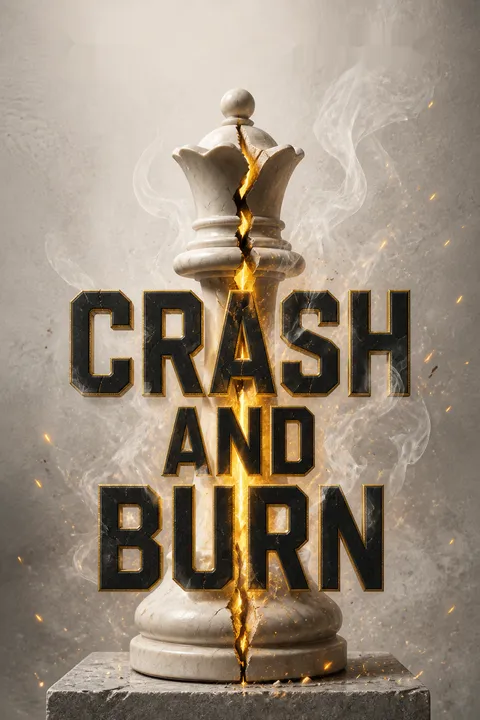
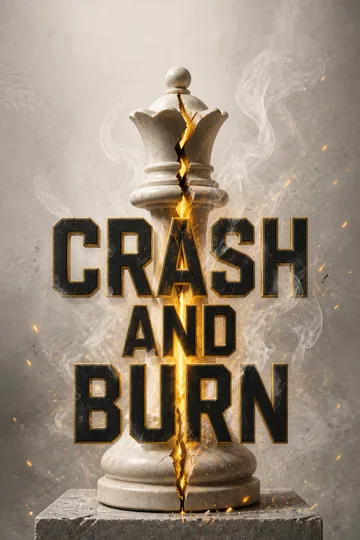
Fern Michaels' Crash and Burn is a layered, multi-generational tale of trauma, justice, and the enduring power of chosen family. At its core, the novel interrogates the ways in which power—political, legal, and personal—can be wielded to harm or to heal. The Chessmen, with their chess-themed identities and ruthless tactics, represent a patriarchal system that treats women as expendable pieces in a larger game. The Sisterhood, by contrast, embodies a restorative vision of justice, one that seeks not only to punish wrongdoers but to restore dignity and agency to the wronged. The novel's use of hidden identities, dual timelines, and ensemble storytelling allows for a nuanced exploration of the long-term effects of violence and the possibility of redemption. The emotional arc—from betrayal and isolation to reunion and celebration—mirrors the journey from trauma to healing, both for individuals and for communities. Ultimately, Crash and Burn is a testament to the resilience of women, the necessity of solidarity, and the belief that even the deepest wounds can be transformed into sources of strength and hope.
Review Summary
Characters
Nikki Quinn
Nikki is the heart and mind of the Quinn Law Firm and the Sisterhood's operations. Her drive for justice is matched by her empathy and loyalty to her chosen family. As a lawyer, she is fearless, outmaneuvering even the most powerful adversaries. Nikki's relationships—with her husband Jack, her colleagues, and her friends—are built on trust and mutual respect. She struggles with self-doubt when blindsided by Amy's deception but ultimately reaffirms her commitment to truth and justice. Nikki's growth is marked by her willingness to admit mistakes, seek help, and lead with both strength and vulnerability.
Maggie Spritzer
Maggie's journey from adversary to honorary Sisterhood member is defined by her relentless pursuit of the truth and her deep need for belonging. Her accident and subsequent isolation force the group to confront their own flaws and the importance of loyalty. Maggie's investigative skills are crucial in unraveling the Chessmen's secrets, and her emotional honesty helps heal rifts within the group. Her relationship with Ted is a source of both comfort and complexity, reflecting her struggle to balance independence with intimacy.
Amy Jones Lambert / Emily Holiday
Amy is a study in duality: outwardly a brilliant, composed lawyer, inwardly driven by a quest for vengeance against the Chessmen who destroyed her adoptive mother. Her hidden identity as Emily Holiday and her connection to Layla/Starry Knight are central to the plot's unraveling. Amy's actions—her calculated infiltration, her staged divorce, and her eventual disappearance—force the Sisterhood to question their own methods and assumptions. Her reunion with her birth mother offers a path to healing, but her journey is marked by pain, secrecy, and the longing for justice.
Starry Knight / Layla Pyne
Layla's transformation into Starry Knight is both a disguise and a reclamation of self. Her trauma at the hands of the Chessmen shapes her life, but she channels her pain into creating the Daisy Wheel, a place of beauty and community. Her search for her lost daughter and her eventual confrontation with her attackers are acts of courage and closure. Starry's reunion with Amy is deeply moving, representing the possibility of healing even after decades of loss. Her character embodies endurance, forgiveness, and the power of truth.
Wilson "Buzz" Lambert
Buzz is the embodiment of political ambition and toxic masculinity. His need for control extends from his family to his political career, and his alliance with the Chessmen is both a source of power and his undoing. Buzz's inability to see the consequences of his actions—both personal and professional—leads to his downfall. His relationships are transactional, and his emotional detachment isolates him from those who might have saved him. In the end, he is left with nothing but regret and the ruins of his ambitions.
The Chessmen (Maxwell Queen, Eli Rook, Leo Bishop, Josh King)
The Chessmen are both individuals and a collective force, each embodying a different aspect of privilege and predation. Queen is the vain, controlling leader; Rook, the athletic but insecure enforcer; Bishop, the cold, calculating survivor; and King, the weak link with a conscience. Their obsession with chess mirrors their approach to life—strategic, detached, and ruthless. Their shared secret—the assault on Layla—binds them in guilt and fear, and their eventual exposure is both a personal and symbolic defeat. Their psychological unraveling is a study in the corrosive effects of unchecked power.
Livinia Lambert
Livinia's decision to divorce Buzz is both an act of self-preservation and a trigger for the story's central conflict. Her wealth and connections make her a target, but her emotional vulnerability and desire for freedom are palpable. Livinia's relationship with her son Jeffrey is nurturing, while her interactions with Amy are marked by genuine affection. Her flight and subsequent silence reflect both fear and a longing for peace. Livinia's arc is one of emancipation from a lifetime of subjugation.
Jack Emery
Jack is Nikki's husband and a key member of the BOLO group. His calm, supportive presence balances Nikki's intensity, and his investigative skills are invaluable to the Sisterhood's missions. Jack's humor and patience—especially with Cyrus, the family dog—provide moments of levity. His ability to see the bigger picture and encourage Nikki to trust her instincts is crucial to the group's success.
Lizzie Fox
Lizzie's return to D.C. is a turning point in the battle against the Chessmen. Her reputation, intelligence, and fearlessness unsettle even the most powerful adversaries. Lizzie's mentorship of Nikki and her ability to read people and situations make her an indispensable ally. Her presence is both reassuring and galvanizing, reminding the Sisterhood of their own strength and the importance of standing together.
Abner Tookus
Abner's technical genius is instrumental in exposing the Chessmen's financial crimes and orchestrating the redistribution of their wealth. His partnership with Maggie and the BOLO group is built on mutual respect and shared purpose. Abner's sense of justice is uncompromising, and his willingness to bend the rules for a greater good reflects the Sisterhood's ethos. His humor and humility endear him to the group, and his actions are pivotal in achieving justice.
Plot Devices
Dual Timelines and Hidden Identities
The narrative weaves together events from the past—the assault on Layla and the secrets of the Trinity commune—with the present-day legal and personal battles in Washington, D.C. Hidden identities (Amy/Emily, Layla/Starry) and the gradual revelation of connections between characters drive the plot forward, creating suspense and emotional resonance.
The Chess Motif
The Chessmen's names, their obsession with the game, and the cryptic moves shouted during the assault serve as both literal clues and symbolic representations of their worldview. The motif underscores themes of manipulation, sacrifice, and the consequences of treating people as pawns.
Sisterhood and Found Family
The Sisterhood's relationships—marked by loyalty, conflict, and reconciliation—are central to the story's emotional arc. The group's ability to confront their own flaws, forgive each other, and unite against injustice is both a plot engine and a source of catharsis.
Restorative Justice and Public Reckoning
The Sisterhood's approach to justice is not just punitive but restorative. By exposing the Chessmen, redistributing their wealth, and orchestrating public confrontations, they seek to heal wounds and empower victims. The racetrack showdown is both a literal and symbolic checkmate, bringing private crimes into the light.
Foreshadowing and Red Herrings
Early references to the commune, the cryptic chess moves, and Amy's blank past foreshadow the eventual unmasking of the Chessmen's crime. The narrative uses red herrings—such as the amicable divorces and Amy's apparent innocence—to keep readers guessing and heighten the impact of revelations.
Ensemble Cast and Multiple Perspectives
The large cast of characters, each with their own arcs and perspectives, allows the narrative to explore themes of justice, trauma, and redemption from multiple angles. The shifting focus between the Sisterhood, the Chessmen, and their allies enriches the story and underscores the interconnectedness of personal and systemic wrongs.
Sisterhood Series











About the Author
Other books by Fern Michaels
Download PDF
Download EPUB
.epub digital book format is ideal for reading ebooks on phones, tablets, and e-readers.








































