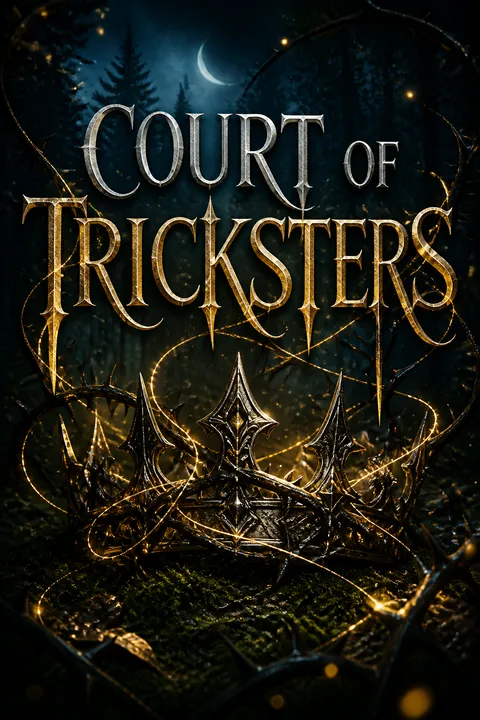

Plot Summary
Witch in the Woods
Rain, a centuries-old witch with fae blood, lives on the edge of the woods, her only constant companion a demon familiar named Bernard. She is both feared and needed by the mortals of River Row, especially the women of The Red Boot tavern. Rain's affinity with the forest and her quiet, scarred resilience set her apart, making her both protector and outsider. Her nights are haunted by a mysterious fae gentleman who accepts her gifts and leaves tokens in return, stirring feelings of longing and uncertainty. Rain's world is one of shadows, old wounds, and the ache of loneliness, but her loyalty to the vulnerable mortals around her keeps her tethered to a life of service and secrecy.
Tavern Under Siege
The Red Boot tavern, a haven for working women, is under threat from a brutal dragae and his human cronies. Rain intervenes with cunning and magical force, using her demon familiar's shapeshifting and her own bargain magic to drive out the abusers and protect her friends. The episode reveals Rain's fierce protectiveness and the precariousness of mortal life in a world where fae and humans uneasily coexist. Her actions earn her gratitude but also deepen her sense of separation—she is both savior and stranger, always on the outside of the warmth she helps preserve.
The Fae Duke Revealed
The mysterious fae who visits Rain is revealed as Night, the Duke of the Lunar Court—a powerful mage caught between the warring Seelie and Unseelie courts. Night's visits to Rain are more than idle curiosity; he is drawn to her by a budding mate bond, sensing in her the key to his court's survival. His political burdens are immense: both rival courts demand his allegiance through marriage, threatening war if he refuses. Night's longing for Rain is complicated by duty, secrecy, and the knowledge that claiming her could change the fate of his people.
Moonlit Bargains
Rain's use of bargain magic—sworn oaths sealed by blood and soul—proves both her strength and her vulnerability. She negotiates with dangerous fae and mortals alike, always careful with her words, knowing that a broken bargain means death. Night, too, is a master of bargains, playing political games with the highest stakes. Their mutual reliance on bargains is both a shield and a chain, binding them to each other and to the fates of those they protect. The magic of bargains becomes a metaphor for trust, risk, and the cost of survival.
Gifts and Growing Bonds
Rain and Night's nightly exchanges of handmade gifts—soaps, sweets, folded paper tokens—are more than courtship rituals; they are the language of their blooming mate bond. Rain's shyness and Night's intensity create a dance of longing and restraint, each gesture fraught with meaning. The gifts are acts of vulnerability, invitations to intimacy, and signs of a bond that is both magical and deeply personal. As their connection grows, so does the tension between desire and fear, tradition and change.
The Proposal and the Swoon
Night, pressed by political necessity and personal longing, proposes marriage to Rain, offering her security and partnership but not love. Rain, unaccustomed to such directness and still reeling from her own feelings, is overwhelmed by the force of the mate bond and faints in his arms. Night's response is both protective and possessive—he spirits her away to his estate, determined to keep her safe and claim her as his duchess. The moment marks a turning point: Rain is no longer just a solitary witch but the center of a struggle between autonomy and destiny.
Kidnapped by Instinct
Rain wakes in Night's opulent manor, disoriented and conflicted. The mate bond's magic is overwhelming, making her both crave and fear Night's touch. Night, torn between his fae instincts and his respect for Rain's autonomy, tries to care for her while also keeping her close—going so far as to bar her windows and remove her weapons. Their interactions are charged with longing, frustration, and the push-pull of two strong wills. Rain's sense of captivity is both literal and emotional, as she grapples with the loss of her freedom and the intensity of her feelings.
Escape and Pursuit
Unable to bear her confinement, Rain escapes Night's estate with Bernard's help, using her affinity with the trees to aid her flight. Night, driven by the mate bond and his own desperation, transforms into a wolf and pursues her through the city and woods. Their chase is both physical and symbolic—a struggle between independence and connection, fear and desire. Rain's return to her friends at The Red Boot is bittersweet; she is safe but more alone than ever, haunted by what she has left behind.
The Price of Kindness
Rain's acts of kindness—protecting the tavern women, healing wounds, giving away her coin—are both her strength and her vulnerability. Her compassion draws people to her but also puts her at risk, as enemies exploit her sense of responsibility. Night's kindness, often hidden behind a mask of power, is revealed in his care for Rain and his efforts to shield his province from war. Both characters are shaped by the costs of their kindness: loneliness, exhaustion, and the constant threat of loss.
The Witch's Choice
Faced with Night's offer of marriage and protection, Rain chooses to walk away, unwilling to be a pawn in political games or to accept a loveless union. Her decision is an act of courage and self-respect, but it comes at a high price: the pain of separation, the ache of unfulfilled longing, and the knowledge that her choice may doom both herself and those she loves to greater danger. The chapter is a meditation on the power and cost of choice, especially for those who have always been outsiders.
The Wolf's Lament
Night, devastated by Rain's rejection, retreats into his wolf form, howling his grief into the night. His pain is both personal and political—the loss of his mate threatens the stability of his court and his own sense of self. He seeks counsel from Sora Yaga, a powerful witch and political exile, hoping for guidance on how to win Rain back and secure his province's future. Night's lament is a portrait of a man torn between duty and desire, strength and vulnerability.
Shadows of the Past
As Rain and Night struggle with their present, the shadows of their pasts come to the fore. Night's scars—physical and emotional—are the legacy of betrayal, war, and mind-bending magic. Rain's lost memories and old wounds are reminders of battles survived and family forgotten. Both are haunted by what they cannot change, but their willingness to share their pain becomes a source of intimacy and healing. The past is not just a burden but a bridge between them.
A Family of Survivors
Rain's bond with the women of The Red Boot and her demon familiar Bernard is a testament to the power of chosen family. In a world where blood ties are often sources of pain or obligation, Rain's found family offers comfort, loyalty, and a sense of belonging. Their support helps her survive heartbreak and danger, reminding her that love and kinship can be forged in adversity. The theme of found family is echoed in Night's relationship with his half-brother Erikson and his loyal guards, all survivors in their own right.
Giants at the Gate
The fragile peace of the Lunar Province is shattered when giants, unleashed by the dragon king, attack the city. Rain, Night, and their allies must defend the vulnerable, risking everything to save their friends and home. Rain's courage and resourcefulness are on full display as she battles the giants, but the cost is high: Penny, one of her dearest friends, is killed. The attack is both a literal and symbolic invasion—the outside world's violence crashing into the sanctuary Rain and Night have tried to build.
Death and Devotion
Penny's death devastates Rain and her found family, plunging them into mourning and rage. Rain buries Penny beneath her favorite tree, using her magic to grant her friend a measure of immortality. The loss hardens Rain's resolve: she vows to marry Night not just for love or safety, but to gain the power needed to avenge Penny and protect her people. Night, too, is transformed by grief, his devotion to Rain deepening as he witnesses her strength and sorrow. Their shared pain becomes the foundation for a new, fiercer bond.
The Warrior's Vow
Rain and Night, united by loss and longing, finally consummate their bond—physically, emotionally, and magically. Their union is not the end of struggle but the beginning of a new chapter: a partnership forged in fire, ready to face the coming war. Rain's vow to make Night fall in love with her, despite his disbelief in love, is both a challenge and a promise. Together, they embrace their roles as leaders, warriors, and lovers, determined to carve out a future on their own terms, whatever the cost.
Analysis
A modern fairy tale of trauma, agency, and radical loveCourt of Tricksters reimagines the fantasy romance genre as a meditation on the costs and possibilities of connection in a world shaped by violence, loss, and power imbalances. At its heart, the novel is about outsiders—those marked by scars, secrets, and difference—finding belonging not through blood or destiny, but through acts of courage, kindness, and mutual recognition. The mate bond, while magical, is not a shortcut to happiness; it is a crucible that tests the characters' willingness to risk vulnerability, confront their pasts, and choose each other again and again. The story interrogates the limits of duty, the dangers of political games, and the necessity of found family. Its lessons are both timeless and timely: love is not a fairy tale escape, but a hard-won, ongoing act of devotion; power is best wielded in service of the vulnerable; and healing is possible, but only when we dare to let others see—and touch—our wounds. In the end, Court of Tricksters is a call to embrace both the magic and the mess of being human (or fae), to fight for joy in the face of sorrow, and to believe, against all odds, that even the most broken among us can find home.
Review Summary
Court of Tricksters receives mixed reviews, averaging 3.74/5. Readers consistently praise the lyrical, poetic writing style and the beloved demon familiar Bernard, who many consider the book's highlight. The fantasy romance between ancient fae Rain and Night is appreciated for its slow burn and sweet dynamic, though some find the insta-love and lack of proper meet-cute disappointing. The gaslamp fantasy worldbuilding receives mixed reactions, with some finding it rich and others feeling it underdeveloped. Nearly all reviewers warn of a significant cliffhanger ending.
Characters
Rain
Rain is a centuries-old witch with fae and elven ancestry, marked by scars both physical and emotional. Her life is defined by solitude, loyalty, and a deep sense of responsibility for the vulnerable—especially the women of The Red Boot tavern. Rain's relationship with her demon familiar Bernard is a lifeline, offering companionship and magical strength. Psychologically, Rain is shaped by trauma, memory loss, and the ache of loneliness, but she is also resilient, compassionate, and quietly courageous. Her journey is one of learning to accept love, claim her own desires, and transform pain into power. Her development is a gradual opening to intimacy, trust, and the possibility of happiness, even as she remains fiercely independent.
Night (Duke of the Lunar Court)
Night is the enigmatic fae duke whose life is a web of duty, loss, and longing. Scarred by betrayal and the manipulations of the Seelie queen, he is both a master of bargains and a victim of them. Night's public persona is one of strength and control, but privately he is haunted by grief, guilt, and the fear of vulnerability. His bond with Rain awakens desires he has long suppressed, challenging his belief that love is a fairy tale. Night's psychological arc is one of moving from calculation to genuine connection, learning to trust, and risking his heart for the sake of something real. His relationship with Rain is both a political necessity and a personal salvation.
Bernard
Bernard is Rain's demon familiar, a shapeshifter with a sardonic wit and a deep, if begrudging, affection for his mistress. His bond with Rain is forged through bargain magic, making their fates inseparable. Bernard's role is both comic relief and emotional anchor, offering advice, protection, and the occasional reality check. Psychologically, Bernard is motivated by survival, curiosity, and a growing sense of family. His development mirrors Rain's: from self-interest to genuine devotion, from outsider to indispensable member of a found family.
Susan
Susan is the owner of The Red Boot, a woman hardened by life but fiercely protective of her girls. She is Rain's closest mortal friend, offering wisdom, support, and a sense of home. Susan's relationship with Rain is one of mutual respect and affection, bridging the gap between mortal and immortal. Psychologically, Susan is grounded, resilient, and unflappable, providing stability in a world of chaos. Her development is subtle but significant: she learns to trust in magic and in the power of chosen family.
Margot
Margot is one of the tavern's working women, known for her humor, boldness, and loyalty. She endures abuse and hardship with a defiant spirit, refusing to be humiliated or broken. Margot's relationship with Rain is sisterly, marked by teasing, support, and shared vulnerability. Psychologically, Margot is a survivor, using humor as both shield and weapon. Her development is a testament to the strength of women who endure and support each other in the face of adversity.
Penny
Penny is the youngest and most idealistic of the tavern women, obsessed with astrology and eager to find meaning in the stars. Her kindness and vulnerability make her beloved by Rain and the others. Penny's death at the hands of the giants is a shattering blow, galvanizing Rain's resolve and symbolizing the cost of war and indifference. Psychologically, Penny represents innocence, hope, and the fragility of life. Her memory becomes a source of strength and a call to action for those she leaves behind.
Erikson
Erikson is Night's illegitimate brother and estate advisor, caught between worlds as a half-fae, half-mortal. He is practical, cautious, and often the voice of reason in Night's tumultuous life. Erikson's relationship with Night is complex—marked by loyalty, rivalry, and deep affection. Psychologically, Erikson is shaped by insecurity and a desire to belong, but he is also brave and resourceful. His development is one of stepping into leadership and accepting his place in Night's chosen family.
Sora Yaga
Sora is the eldest daughter of the dragon king, living in self-imposed exile in a magical hut. She is a powerful witch, a survivor of court intrigue, and a source of guidance for both Rain and Night. Sora's relationship with her familiar Masha and her own mate bond offer a model of partnership and resilience. Psychologically, Sora is wary, cunning, and deeply knowledgeable, using her outsider status to her advantage. Her development is one of cautious trust and strategic alliance.
Sigurd
Sigurd is a fox-tailed mage whose pursuit of wealth and power leads him into dangerous bargains and alliances. He is both comic and menacing, a reminder of the perils of unchecked ambition. Sigurd's interactions with Rain and Night are marked by bluster, cunning, and eventual downfall. Psychologically, Sigurd is driven by greed, insecurity, and a need for validation. His development is a warning against the costs of betrayal and the limits of trickery.
Dusan
Dusan is a dragae mercenary whose cruelty and strength make him a persistent threat to Rain and her friends. He is the face of the dangers lurking in the margins of society, exploiting the vulnerable for personal gain. Psychologically, Dusan is motivated by power, dominance, and a lack of empathy. His development is static, serving as a foil to Rain's compassion and Night's evolving sense of justice.
Plot Devices
Bargain Magic
Bargain magic is the central plot device, governing the rules of engagement between fae, witches, and mortals. Sworn bargains are binding, with death as the price for breaking them. This device creates tension, stakes, and a sense of inevitability—every promise is a risk, every word must be chosen with care. Bargain magic also serves as a metaphor for trust, vulnerability, and the costs of connection. It shapes the narrative structure, driving both plot twists and character development.
Mate Bond Instinct
The mate bond is a magical force that draws Rain and Night together, overwhelming their wills and intensifying their emotions. It manifests as physical longing, dreams, and compulsions—feeding, gifting, protecting. The bond is both blessing and curse, offering the promise of true partnership but also threatening autonomy and consent. Its progression structures the romance, from tentative courtship to overwhelming need, and ultimately to mutual acceptance and transformation.
Found Family
The theme of found family is woven throughout the narrative, offering hope and resilience in a world of loss and betrayal. Rain's relationships with the tavern women, Bernard, and eventually Night and his allies, provide emotional grounding and motivation. Found family is both a source of strength and a target for enemies, raising the stakes of every conflict. This device deepens the emotional arc, making every victory and loss more poignant.
Political Intrigue and War
The looming war between the Seelie and Unseelie courts, and the political machinations of rival powers, create a backdrop of danger and urgency. Night's role as a political pawn and Rain's refusal to be used as a tool highlight the tension between personal desire and public duty. The threat of war accelerates decisions, tests loyalties, and forces characters to confront their deepest fears and hopes. This device ensures that the personal is always entangled with the political.
Narrative Structure and Foreshadowing
The story alternates between Rain and Night's points of view, allowing readers to experience both sides of the mate bond and the complexities of their inner lives. Foreshadowing is used to build suspense—hints of past trauma, the inevitability of war, the dangers of bargains gone wrong. The narrative is structured around pivotal moments: rescues, proposals, escapes, battles, and losses, each escalating the stakes and deepening the emotional impact.
Download PDF
Download EPUB
.epub digital book format is ideal for reading ebooks on phones, tablets, and e-readers.








































