
Plot Summary
Arrival at Coram House
Alex Kelley, a struggling true crime writer, arrives in Vermont to ghostwrite a book about the infamous Coram House orphanage. Haunted by her own grief and professional failures, she's drawn to the site's dark history. The orphanage, now being converted into luxury condos, looms over a graveyard and the vast, icy Lake Champlain. Alex's first impressions are colored by the oppressive atmosphere, the sense of secrets buried in the landscape, and the weight of her assignment. She meets Alan Stedsan, the lawyer who led the abuse case against the Catholic Church, and is introduced to the boxes of chaotic, decades-old evidence. The project promises both a professional lifeline and a descent into the unresolved traumas of Coram House.
Ghosts of the Past
Through deposition transcripts and interviews, Alex uncovers the orphanage's legacy of abuse. Survivors like Sarah Dale and Karen Lafayette recount brutal punishments, emotional neglect, and the terror of the attic—where children were locked in darkness among shrouded statues. The nuns, especially Sister Cecile, are remembered as both disciplinarians and monsters. The children were often called by numbers, their identities erased. The testimonies are contradictory, colored by trauma and the passage of time, but a pattern of cruelty emerges. The past is not just history—it's a living wound, infecting everyone who passed through Coram House.
The Drowned Boy
Central to the mystery is Tommy, a young boy who vanished during a swim lesson. Sarah Dale claims to have witnessed his drowning, pushed into the lake by Sister Cecile and another boy, Fred. The official story is that Tommy ran away, but no records of his existence remain. The event becomes a symbol of the orphanage's ability to erase inconvenient truths. Alex is haunted by Tommy's fate, feeling a personal responsibility to uncover what really happened. The search for Tommy's identity and the truth of his death becomes the emotional core of her investigation.
The Attic's Secrets
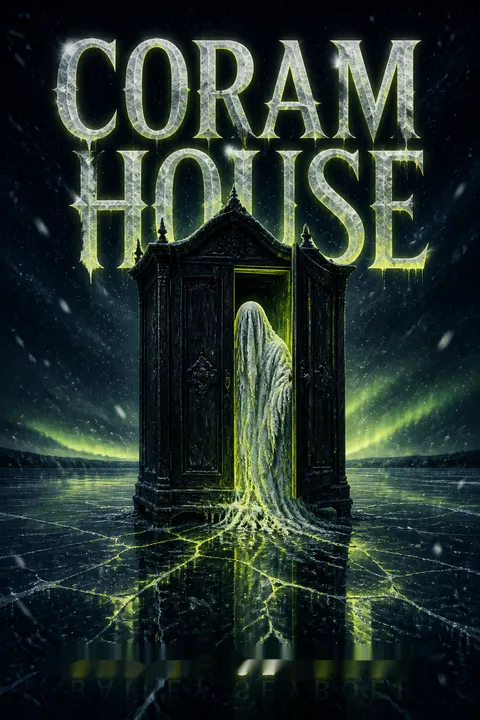
The attic of Coram House is a recurring symbol of terror. Children were sent there as punishment, locked in a wardrobe among ghostly, sheet-draped statues. The experience left lasting psychological scars—Sarah Dale's nightmares are filled with darkness and cold, more haunting than the violence she witnessed. The attic represents the institution's power to isolate, silence, and traumatize. For Alex, the attic becomes a metaphor for the secrets she must confront, both in the orphanage's history and in her own life.
The Case Reopened
The 1980s lawsuit against the Catholic Church is both a reckoning and a cover-up. Survivors seek justice, but the case is mired in conflicting memories, institutional denial, and the church's desire to settle quietly. Alan Stedsan, the lawyer, is both advocate and gatekeeper, controlling the narrative for his own legacy. The settlement brings little closure—most survivors receive meager compensation and are bound by nondisclosure agreements. The legal process becomes another layer of silence, burying the truth beneath bureaucracy and self-interest.
The Ghostwriter's Task
As Alex sifts through evidence, she's forced to confront her own failures—her last book ruined a family by implicating the wrong person in a murder. Grieving her husband's death, she's drawn to the Coram House story as a chance for redemption. But the project's constraints—Stedsan's control, the publisher's demands—threaten to repeat old mistakes. Alex's empathy for the survivors, especially Sarah Dale, blurs the line between observer and participant. The act of writing becomes a search for atonement, but also a risk of perpetuating harm.
Unreliable Memories
The survivors' accounts are riddled with contradictions. Karen remembers a girl being pushed out a window; Sarah insists no one fell. Some recall kindness from Sister Cecile, others only cruelty. The church and legal system exploit these inconsistencies to discredit the victims. Alex grapples with the limits of memory—how trauma distorts, how stories change in the telling. The search for objective truth is complicated by the emotional reality of the survivors' pain. The book becomes not just a record of facts, but a meditation on the nature of memory and justice.
The Nun's Shadow
Sister Cecile, or Jeannette Leroy, is both villain and savior. She's accused of violence, implicated in Tommy's death, yet also credited with stopping the worst sexual abuse by Father Foster. After the orphanage closes, she lives quietly in the community, her past hidden by a change of name. When her body is found in the woods—her head smashed in—Alex suspects murder. The investigation into her death reopens old wounds and reveals the enduring power of the orphanage's secrets. Sister Cecile embodies the complexity of institutional evil—capable of both harm and protection.
The Lake's Witness
The lake is both setting and symbol—a place of beauty, danger, and erasure. It witnesses Tommy's drowning, the children's play, and the disposal of secrets. The discovery of bodies—first Sister Cecile, then Fred Rooney—on its shores ties the present to the past. The lake's vastness and depth mirror the story's emotional undercurrents: grief, guilt, and the impossibility of closure. For Alex, the lake becomes a place of reckoning, where the boundaries between victim and perpetrator, past and present, blur.
The Developer's Motive
Bill Campbell, a former resident of Coram House, is now the developer turning the orphanage into condos. He downplays the abuse, dismisses the survivors' stories, and is implicated in bribing others to settle the case. His partnership with Xander, a tech millionaire, represents the erasure of history for profit. The new "Sunrise House" is marketed as a fresh start, but the land remains haunted. The development becomes a metaphor for society's desire to move on without reckoning with the past.
The Body in the Woods
The murder of Jeannette Leroy (Sister Cecile) triggers a new investigation. Alex finds the body, and her testimony is doubted by the police. Suspicion falls on Fred Rooney, a former favorite of Sister Cecile, but his alibi complicates the case. The violence of the present echoes the violence of the past, suggesting that the orphanage's legacy is not finished. The investigation exposes the community's reluctance to confront its history and the ease with which the powerful evade accountability.
The Search for Tommy
Alex's obsession with Tommy intensifies. She uncovers a photograph, a baptismal record, and finally his full name—Thomas Underwood. Interviews with survivors, especially Karen, reveal the cruelty he endured and the fear that defined his short life. The search for Tommy becomes a quest for justice—not just for him, but for all the children erased by Coram House. The act of naming and remembering Tommy is an act of resistance against institutional forgetting.
The Bribe and the Settlement
Evidence emerges that Bill Campbell bribed survivors to settle the case, with Alan Stedsan's tacit approval. Fred Rooney received regular payments, possibly as hush money. The legal system's failure is laid bare—justice was bought, and the truth suppressed. Alex confronts Stedsan, who admits to using Tommy's death as a bargaining chip. The survivors' pain is commodified, their stories manipulated for the benefit of the powerful. The book's narrative becomes a struggle over who gets to control the story of Coram House.
The Monster in the Lake
The legend of a lake monster, invented by the children, becomes a metaphor for the evil lurking in Coram House. The real monsters are not supernatural, but human—nuns, priests, and the systems that protect them. The story's climax reveals that Bill Campbell, as a child, was the "Willy" who helped Sister Cecile drown Tommy. The monster is not just in the lake, but in the hearts of those who survive by harming others. The myth becomes a way to process trauma, but also a warning about the dangers of denial.
The Detective's Grief
Russell Parker, the local police officer, is revealed to be Sarah Dale's son. Haunted by his mother's suffering and the death of his own child, he seeks retribution against those responsible for Coram House's legacy. Parker murders Sister Cecile and Fred Rooney, and nearly kills Bill Campbell, before disappearing into the lake. His actions are both a cry for justice and a perpetuation of the cycle of violence. The story interrogates the limits of vengeance and the cost of carrying the past.
The Truth Unraveled
Alex pieces together the final truth: Bill Campbell, not Fred Rooney, was the boy in the boat with Sister Cecile when Tommy drowned. The cover-up, the bribes, and the murders are all connected by the desire to bury the past. The survivors' stories, once dismissed as unreliable, are vindicated. But the cost is high—lives lost, legacies destroyed, and no true closure. The truth is not a clean resolution, but a messy, painful reckoning.
The Final Confrontation
On the frozen lake, Alex confronts Parker as he attempts to kill Bill Campbell. The confrontation is both physical and moral—a struggle over who deserves punishment, who gets to decide, and whether the cycle of violence can be broken. Parker, consumed by grief and rage, chooses to disappear into the lake rather than face justice. Alex is left with the burden of telling the story, knowing that the truth is both necessary and insufficient.
Legacies and Loss
In the aftermath, Alex negotiates with Stedsan for control of the book, determined to tell the story honestly. The development of Coram House stalls, its future uncertain. Survivors like Karen continue to live with the scars of their childhoods. Alex leaves Vermont, changed by what she has uncovered. The story ends not with closure, but with the commitment to remember—to resist the erasure of the past, to honor the lost, and to accept that some wounds never fully heal.
Analysis
Coram House is a haunting meditation on the persistence of institutional trauma and the complexities of justice. Through its layered narrative, the novel interrogates the ways in which power silences victims, manipulates memory, and commodifies suffering. The story resists easy answers—truth is fragmented, justice is partial, and healing is uncertain. By centering the search for Tommy, the novel insists on the importance of naming and remembering the lost, even when closure is impossible. The characters' psychological depth—especially Alex's guilt, Parker's grief, and the survivors' anger—grounds the narrative in lived experience rather than abstraction. The transformation of Coram House into luxury condos becomes a powerful metaphor for society's desire to move on without reckoning with the past. Ultimately, the novel argues that the only antidote to erasure is the act of witness—telling the story, however painful, and refusing to let the monsters of the past remain hidden beneath the surface.
Characters
Alex Kelley
Alex is a true crime writer grappling with personal grief and professional disgrace after her last book ruined innocent lives. Hired to ghostwrite a book about Coram House, she is both outsider and participant—her empathy for the survivors drives her to dig deeper than her employers want. Alex's psychological journey is marked by guilt, a need for redemption, and a growing identification with the orphanage's victims. Her relationships—with survivors, with the controlling Stedsan, with the haunted Parker—mirror her internal struggle between detachment and involvement. By the end, Alex claims her own voice, determined to tell the story honestly, even as she recognizes the limits of truth and justice.
Sarah Dale
Sarah is a former resident of Coram House whose testimony anchors the narrative. Marked by trauma, she is both reliable and doubted—her vivid memories of abuse and Tommy's drowning are dismissed as exaggeration. Sarah's psychological scars manifest in nightmares, guilt, and alcoholism. Her inability to save Tommy haunts her, shaping her adult life and her relationship with her son, Parker. Sarah embodies the cost of institutional betrayal and the difficulty of healing. Her death before the story's end is a final erasure, but her voice endures through Alex's work.
Russell Parker
Parker is a local police officer and Sarah Dale's son, traumatized by his mother's suffering and the loss of his own child. Outwardly professional, he is inwardly consumed by grief and rage. Parker's quest for justice becomes a quest for vengeance—he murders Sister Cecile and Fred Rooney, and nearly kills Bill Campbell. His actions are both understandable and horrifying, a testament to the corrosive power of unresolved trauma. Parker's final disappearance into the lake is both a surrender and a refusal to perpetuate further harm.
Alan Stedsan
Stedsan is the architect of the Coram House settlement and Alex's employer. He is charming, intelligent, and deeply self-interested. Stedsan's psychoanalysis reveals a man who justifies moral compromises for the sake of expediency and personal legacy. He uses survivors' pain as bargaining chips, controls the narrative, and hires Alex expecting her to be compliant. His complicity is both active and passive—he enables injustice by prioritizing closure over truth. In the end, he is forced to relinquish control, but remains unrepentant.
Bill Campbell
Bill is a former Coram House resident who becomes the developer of the orphanage's luxury condos. Outwardly successful and affable, he is revealed to be the "Willy" who helped drown Tommy as a child, then spent decades covering up the crime. Bill's psychological complexity lies in his ability to compartmentalize—he rationalizes his actions, bribes others, and profits from the site of his trauma. His relationship with Fred Rooney is transactional, marked by mutual blackmail. Bill embodies the dangers of unchecked power and the ease with which victims can become perpetrators.
Fred Rooney
Fred is remembered as both bully and victim—a favorite of Sister Cecile, complicit in the orphanage's violence, and later a recipient of hush money. His adult life is marked by addiction, anger, and isolation. Fred's relationship with Bill is fraught—he knows the truth about Tommy's death and uses it for leverage. Ultimately, Fred is murdered by Parker, a victim of the same cycle of violence that shaped him. His character illustrates how abuse perpetuates itself across generations.
Sister Cecile / Jeannette Leroy
Sister Cecile is the most feared of the nuns, implicated in Tommy's death and other abuses. Yet she is also credited with stopping Father Foster's sexual predation. After the orphanage closes, she lives quietly under her birth name, her past hidden. Her murder reopens old wounds and exposes the community's reluctance to confront its history. Sister Cecile's duality—capable of both harm and protection—embodies the complexity of institutional evil and the difficulty of moral judgment.
Karen Lafayette
Karen is a former resident whose testimony is both vivid and contested. She is outspoken, irreverent, and unafraid to challenge authority. Karen's anger is both a shield and a weapon—she refuses to be silenced, even when threatened with legal consequences. Her relationship with Alex is one of mutual respect and shared purpose. Karen's insistence on remembering, on naming the lost, is an act of resistance against erasure.
Xander Nilsson
Xander is a tech millionaire and major investor in the Coram House development. He is friendly, generous, and oblivious to the site's history. His attempts to "honor" the past are superficial, focused on aesthetics rather than substance. Xander's relationship with Alex is marked by awkwardness and missed connections—he represents the privilege of moving on without reckoning with the past.
Tommy Underwood
Tommy is the boy whose drowning becomes the story's central mystery. He is remembered as small, fearful, and friendless—a victim of both the orphanage's cruelty and the indifference of those who survived him. Tommy's erasure—no records, no grave, no justice—embodies the fate of countless children lost to institutional violence. His memory becomes a rallying point for Alex and the survivors, a demand that the past not be forgotten.
Plot Devices
Fragmented Testimony and Unreliable Narration
The novel's structure relies on deposition transcripts, interviews, and shifting perspectives. This device foregrounds the unreliability of memory—survivors' accounts contradict, overlap, and leave gaps. The reader, like Alex, must piece together the truth from partial, biased, and emotionally charged narratives. This fragmentation mirrors the psychological impact of trauma and the difficulty of achieving closure. The device also allows for dramatic irony—readers know more than any single character, but are never sure of the whole truth.
Dual Timelines and Interwoven Pasts
The story moves between the 1960s orphanage, the 1980s legal case, and Alex's present-day investigation. This structure creates suspense, as revelations in one timeline recontextualize events in another. The interweaving of personal and institutional histories highlights the persistence of trauma and the ways in which the past shapes the present. The device also allows for foreshadowing—early hints about Tommy's fate, Sister Cecile's secrets, and Parker's grief build toward the final confrontation.
Symbolic Spaces and Objects
The attic, the lake, the graveyard, and the orphanage itself are more than backdrops—they are symbols of fear, erasure, and memory. Objects like the wardrobe, the canoe, and the shoebox of photographs serve as keys to unlocking the past. The transformation of Coram House into luxury condos becomes a metaphor for society's desire to bury uncomfortable truths. These spaces and objects ground the story's psychological themes in tangible reality.
The Ghostwriter as Investigator
Alex's role as ghostwriter foregrounds questions about who gets to tell the story, whose voices are heard, and the ethics of true crime. Her struggle with guilt, her need for redemption, and her eventual claim to authorship mirror the survivors' fight to be remembered. The device also allows for commentary on the commodification of trauma and the dangers of narrative control—by lawyers, developers, or writers themselves.
Cycles of Violence and Vengeance
The novel explores how abuse begets abuse—victims become perpetrators, justice becomes vengeance. Parker's transformation from detective to avenger is foreshadowed by his mother's suffering and his own loss. The murders of Sister Cecile and Fred Rooney echo the violence of the past, suggesting that unresolved trauma will always return. The device raises questions about the possibility of breaking the cycle and the limits of retribution.
Download PDF
Download EPUB
.epub digital book format is ideal for reading ebooks on phones, tablets, and e-readers.








































