

Plot Summary
Snowfall and New Beginnings
The story opens with Rosie Hopkins, a former London nurse, and her partner Stephen Lakeman, adjusting to life in the snowy Derbyshire village of Lipton. The countryside's quiet beauty is a stark contrast to Rosie's city upbringing, and the couple's cozy routines in Lilian's old cottage are tinged with both contentment and the lingering anxieties of new beginnings. Stephen, still recovering from trauma and injury, is about to start teaching at the local school, while Rosie runs the sweetshop she once intended to close. The snow, falling early and thick, blankets the village in both beauty and a sense of foreboding, setting the stage for a Christmas season that will test the bonds of love, family, and community.
Sweetshop in Winter's Embrace
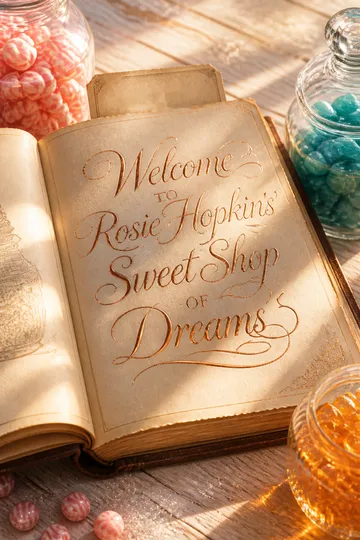
Rosie's days revolve around the sweetshop, a place of nostalgia and comfort for the village's children and elders alike. The shop, with its jars of old-fashioned sweets and the ever-present voice of her great-aunt Lilian on the phone, is a hub of gossip, warmth, and tradition. Rosie's interactions with quirky customers like young Edison and the formidable Lady Lipton reveal the rhythms of village life and the subtle tensions between old and new. The sweetshop becomes a symbol of continuity and hope, even as Rosie juggles worries about money, the coming winter, and the impending arrival of her Australian family for Christmas.
Family News and Festive Fears
Rosie receives a call from her mother, Angie, announcing that the entire Australian branch of the family—her brother Pip, his wife Desleigh, and their three children—will be coming to Lipton for Christmas. The news fills Rosie with both joy and dread: she longs to see her family but is overwhelmed by the logistics of hosting them in her small cottage, especially with the snow piling up and the village's limited resources. The prospect of blending her city past, rural present, and complicated love life with Stephen creates a swirl of anticipation, anxiety, and the hope for a truly memorable holiday.
Puppy Surprises and Village Life
Amidst the preparations, Lady Lipton gifts Rosie and Stephen a puppy—ostensibly a prestigious working dog, but in reality a fluffy, lovable mutt. The puppy, quickly dubbed Mr Dog, becomes a source of delight and chaos, symbolizing the unexpected joys and challenges of rural life. Rosie's initial reluctance gives way to affection, and the puppy's antics bring laughter and warmth to the cottage. Meanwhile, the village's routines continue: Tina, Rosie's friend and shop assistant, shares her own Christmas plans, and the community's interconnectedness is highlighted through small acts of kindness and shared traditions.
A Village Shaken
The peaceful rhythm of village life is shattered when a lorry, skidding on the icy roads, crashes into the school's Portakabin during a Christmas concert rehearsal. The accident leaves several children injured, including Edison, who suffers a broken neck, and Stephen, who is badly hurt while protecting his students. The village is thrown into chaos and fear as parents rush to the scene, and Rosie's nursing skills are called upon in the aftermath. The event exposes the fragility of safety and the deep bonds that tie the community together, as everyone grapples with shock, guilt, and the urgent need to care for one another.
Aftermath and Uncertainty
In the days following the accident, the village reels from the trauma. Stephen is hospitalized, facing both physical pain and the resurgence of old psychological wounds from his time in Africa. Edison's prognosis is uncertain, and his family is plunged into fear and waiting. Rosie, torn between her roles as caregiver, partner, and shopkeeper, struggles to hold herself together while supporting those around her. The accident also threatens the future of the village school, as officials consider closing it and bussing the children to a distant town, raising fears about the survival of Lipton's close-knit way of life.
School in Peril
With the school building damaged and the council proposing closure, Rosie and the villagers face the prospect of losing the heart of their community. The sweetshop's future is also at risk, as fewer children in the village would mean fewer customers. Lady Lipton reluctantly offers her grand but crumbling house as a temporary school, and the community rallies to make it work. The children's resilience and the adults' determination to preserve their traditions are tested as they adapt to new routines, and Rosie finds herself at the center of efforts to save both the school and the spirit of Lipton.
Community Rallies
As Christmas approaches, the village pulls together in extraordinary ways. Jake, Tina's partner, and other locals secretly work to repair the school, while Rosie and her friends organize a carol concert and festive events to lift spirits. The sweetshop becomes a hub for fundraising and support, and even Lady Lipton softens, showing unexpected generosity. The crisis brings out the best in the community, revealing deep reserves of kindness, resourcefulness, and mutual care. Rosie's sense of belonging grows, even as she faces personal doubts about her future with Stephen and the impending arrival of her family.
Love, Loss, and Longing
The story weaves in the poignant subplot of Lilian, Rosie's great-aunt, who is reunited with Henry, her long-lost love, now an elderly man suffering from dementia. Their brief, bittersweet reunion brings closure to decades of longing and regret, and Lilian's reflections on love and loss echo Rosie's own uncertainties. The theme of second chances and the enduring power of love runs through the narrative, as characters young and old confront their pasts and imagine new possibilities. The village's collective grief and hope are embodied in these personal stories, deepening the emotional resonance of the holiday season.
Christmas Approaches
With the school saved and the carol concert a success, Rosie turns her attention to preparing for her family's arrival. The cottage and Peak House are readied for guests, and the sweetshop bustles with last-minute shoppers. Yet beneath the surface, tensions simmer: Rosie and Stephen's relationship is strained by miscommunication and unspoken fears, and Rosie is haunted by the possibility of leaving Lipton for Australia. The joy of reunion is tempered by the pain of unresolved questions, as the characters stand at the threshold of change, uncertain what the new year will bring.
Family Arrives, Tensions Rise
The arrival of Rosie's Australian family brings chaos, laughter, and cultural clashes. Angie's brashness, Pip's laid-back attitude, and the children's exuberance upend the quiet routines of village life. Stephen, still recovering, is both charmed and overwhelmed by his prospective in-laws, while Rosie struggles to balance her loyalties and manage her own insecurities. The blending of families exposes old wounds and new misunderstandings, but also offers moments of genuine connection and joy. The holiday table becomes a stage for both conflict and reconciliation, as everyone navigates the complexities of love, belonging, and forgiveness.
Old Wounds, New Hopes
As Christmas Eve approaches, the characters confront the legacies of their histories. Lilian says a final farewell to Henry, finding peace in their brief reunion. Rosie and Stephen, after a painful argument, are forced to face the truth of their feelings and the obstacles that stand between them. The village, having weathered crisis and loss, prepares to celebrate together, honoring both the memories of those they've lost and the promise of new beginnings. The story's emotional arc reaches its nadir, setting the stage for redemption and renewal.
The Carol Concert Miracle
The carol concert, held in the newly restored school, becomes a symbol of the village's resilience and unity. Children sing, families gather, and even Edison, still recovering, is able to participate. The event is a triumph of hope over adversity, and the joy of the season is palpable. The concert also serves as a turning point for Rosie and Stephen, who are reminded of the strength of their love and the importance of community. The miracle of the concert is not just in the music, but in the way it brings people together, healing old wounds and inspiring new dreams.
Choices and Crossroads
With Christmas Day at hand, Rosie is presented with a one-way ticket to Australia from her family, forcing her to confront her deepest desires and fears. The prospect of leaving Lipton, the sweetshop, and Stephen is both tempting and terrifying. Stephen, meanwhile, is lost in his own turmoil, grappling with the weight of responsibility, the scars of trauma, and his love for Rosie. Both must decide whether to cling to the safety of the familiar or risk everything for the chance at true happiness. The chapter is a meditation on choice, courage, and the meaning of home.
A Christmas Proposal
On Christmas Day, after a harrowing journey through the snow, Stephen arrives at Peak House, frozen and exhausted, but determined to find Rosie. In a moment of vulnerability and honesty, he confesses his love and proposes, offering her not just a ring but a future built on mutual care and understanding. Rosie, overwhelmed with relief and joy, accepts, and the couple is surrounded by the warmth and celebration of family and friends. The proposal is the culmination of their emotional journey, a testament to the power of love to heal, transform, and endure.
Farewells and Fresh Starts
In the story's final moments, the characters gather to say goodbye to those they've lost and to celebrate the bonds that remain. Lilian, having found peace, contemplates her own mortality with grace and humor. Rosie and Stephen, now engaged, look to the future with hope, ready to face whatever challenges may come. The village, having survived a season of trials, is renewed by the strength of its community and the promise of new beginnings. The snow continues to fall, blanketing Lipton in a sense of possibility and peace, as the story closes on a note of gratitude and love.
Analysis
A modern celebration of love, community, and resilience"Christmas at Rosie Hopkins' Sweetshop" is more than a cozy holiday romance; it's a nuanced exploration of what it means to belong—to a place, to a family, and to oneself. Jenny Colgan uses the microcosm of a snowbound English village to examine universal themes: the tension between past and present, the challenges of blending families and cultures, and the healing power of forgiveness. The novel's emotional arc is driven by the interplay of loss and hope, as characters confront the inevitability of change and the necessity of letting go. Through Rosie's journey, readers are invited to consider the value of small acts of kindness, the importance of honest communication, and the courage required to choose love in the face of uncertainty. The story's humor, warmth, and vivid sense of place make it both an escapist delight and a thoughtful meditation on the ties that bind us. In the end, Colgan suggests that true happiness is found not in perfection, but in the messy, joyful, and unpredictable connections we forge with others—especially at Christmas, when the world is remade in snow and song.
Review Summary
Christmas at Rosie Hopkins' Sweetshop receives mixed reviews averaging 3.89 stars. Readers praise its cozy Christmas atmosphere, charming small-town setting in Lipton, and lovable characters. Many appreciate the sweet romance and humor, calling it perfect holiday comfort reading. However, some criticize the predictable plot, Rosie's obsession with marriage, and Stephen's character changes from the first book. Several reviewers note the story balances lighthearted moments with deeper emotional elements, including a tragic accident. While some find it lackluster, devoted fans love Colgan's witty dialogue and vivid characterization.
Characters
Rosie Hopkins
Rosie is the emotional center of the novel—a warm, practical, and deeply caring woman who has left her London life behind to run her great-aunt's sweetshop in rural Lipton. Her journey is one of self-discovery, as she navigates the challenges of small-town life, the complexities of love with Stephen, and the pull of family ties. Rosie's nurturing instincts are both her strength and her vulnerability; she often puts others' needs before her own, sometimes to her detriment. Her relationship with Stephen is tested by miscommunication and the scars of past hurts, but her resilience and capacity for forgiveness allow her to grow. Rosie's longing for home, family, and purpose drives the narrative, and her eventual embrace of both love and community is the story's emotional payoff.
Stephen Lakeman
Stephen is Rosie's partner, a former aid worker and teacher haunted by trauma from his time in Africa and a difficult relationship with his aristocratic family. He is intelligent, principled, and deeply sensitive, but struggles with vulnerability and the fear of not being enough. Stephen's journey is one of learning to accept help, confront his demons, and open himself to love. His relationship with Rosie is both a source of healing and a mirror for his insecurities. The accident at the school reawakens old wounds, but through therapy and Rosie's steadfast support, Stephen finds the courage to propose and commit to a shared future. His arc is one of redemption, self-acceptance, and the transformative power of love.
Lilian Hopkins
Lilian, Rosie's great-aunt, is a formidable, witty, and fiercely independent woman who has spent her life running the sweetshop and mourning her lost love, Henry. Her story is one of resilience in the face of loss, and her reunion with Henry in old age is both heartbreaking and healing. Lilian's sharp tongue masks a deep well of affection for Rosie and the village, and her wisdom guides the younger characters through their own struggles. She represents the enduring power of love, the importance of community, and the grace of letting go.
Angie Hopkins
Angie is a vibrant, outspoken, and loving mother who has built a new life in Australia but remains deeply connected to her children. Her arrival in Lipton brings both chaos and comfort, challenging Rosie to reconcile her past and present. Angie's bluntness can be abrasive, but her loyalty and warmth are unwavering. She pushes Rosie to consider her own happiness and is a catalyst for the story's central conflicts and resolutions.
Pip Hopkins
Pip is Rosie's easygoing brother, now living in Australia with his wife Desleigh and their three children. He provides comic relief and a sense of stability, contrasting with Rosie's anxieties. Pip's contentment with family life and his support for Rosie's choices highlight the importance of sibling bonds and the different paths to fulfillment.
Desleigh
Desleigh is a no-nonsense, supportive partner to Pip and a loving mother. Her straightforward approach to life and parenting offers a counterpoint to Rosie's self-doubt. Desleigh's acceptance of Rosie into the family underscores the theme of chosen family and the value of kindness.
Tina
Tina is Rosie's loyal friend and shop assistant, a single mother who finds love and stability with Jake. Her engagement and growing family provide a subplot of hope and renewal, mirroring Rosie's own journey. Tina's practical wisdom and unwavering support make her an essential part of Rosie's found family.
Lady Henrietta Lipton
Lady Lipton is the imperious, eccentric matriarch of the Lipton estate. Her initial resistance to change and her complicated relationship with Stephen create tension, but she ultimately reveals a capacity for generosity and adaptation. Lady Lipton's evolution from antagonist to ally reflects the broader theme of tradition yielding to new ways.
Edison Felling-Jackson
Edison is a bright, quirky boy whose injury in the school accident becomes a focal point for the village's collective anxiety and hope. His recovery and the birth of his sister Marie represent the possibility of healing and the enduring spirit of childhood.
Henry Carr / James Boyd
Henry, believed dead for decades, is rediscovered as James Boyd, an elderly man with dementia. His reunion with Lilian is a poignant exploration of memory, identity, and the enduring nature of love. Henry's story provides a historical anchor for the novel's themes of loss, reconciliation, and the passage of time.
Plot Devices
Interwoven Timelines and Memory
The novel skillfully weaves together present-day events with memories and stories from the past, particularly through Lilian's recollections and the revelation of Henry's true identity. This structure allows the characters' histories to inform their current choices, deepening the emotional stakes and highlighting the cyclical nature of love and loss. The use of memory as both a comfort and a source of pain is central to the story's exploration of healing and forgiveness.
Community as Character
Lipton itself functions as a character, with its traditions, gossip, and collective responses to crisis. The sweetshop, school, and care home are microcosms of the larger community, and the villagers' interconnected lives drive much of the plot. The novel employs ensemble storytelling, giving voice to a range of perspectives and emphasizing the importance of belonging and mutual support.
Foreshadowing and Symbolism
The persistent snow foreshadows both danger and the possibility of renewal, while the sweetshop's confections symbolize comfort, nostalgia, and the sweetness of life's small pleasures. The recurring carol "Sweet Bells" serves as a leitmotif, linking characters across generations and underscoring the themes of hope and togetherness. The puppy, Mr Dog, is a symbol of unexpected joy and the messiness of real life.
Crisis and Resolution
The school accident is a pivotal plot device, forcing characters to confront their fears, reevaluate priorities, and come together in new ways. The crisis accelerates personal growth, tests relationships, and ultimately leads to the restoration of both the school and the community's spirit. The resolution is achieved not through grand gestures, but through collective effort, forgiveness, and the willingness to embrace change.
Romantic Comedy Tropes
The novel employs classic romantic comedy devices—misunderstandings, family interference, and dramatic gestures—to create tension and humor. The eventual proposal is both a payoff for the emotional journey and a subversion of expectations, grounded in vulnerability and mutual care rather than fairy-tale perfection.
Rosie Hopkins' Sweet Shop Series Series

About the Author


Download PDF
Download EPUB
.epub digital book format is ideal for reading ebooks on phones, tablets, and e-readers.








































