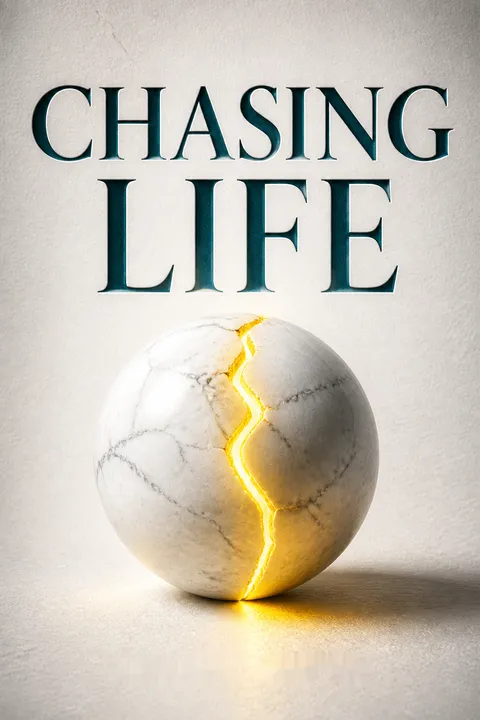

Key Takeaways
1. Your Lifestyle is Your Longevity Blueprint
The sum of those decisions equals about 70 percent of the factors determining your life span.
Personal agency. While genetics play a role, the vast majority of your life span—a remarkable 70 percent—is shaped by the daily choices you make. This fact should empower you to actively pursue a longer, healthier life, knowing that your actions today have profound long-term consequences. It's about making conscious decisions that contribute to your well-being, rather than passively accepting a predetermined fate.
Okinawan wisdom. The centenarians of Okinawa, Japan, offer a living testament to the power of lifestyle. Despite not possessing a unique "longevity gene," their traditional way of life has resulted in the highest concentration of centenarians globally, with significantly lower rates of heart disease, stroke, and cancer. Their secret lies in a combination of:
- Hard, purposeful work: They remain active and engaged well into old age.
- Active lifestyles: Daily walking, gardening, martial arts, and traditional dance.
- Strong social ties: A practice of reciprocity called yuimaru.
Western contrast. Unfortunately, the adoption of Western diets and sedentary habits by younger Okinawans is already showing a decline in their exceptional health. This stark contrast highlights how quickly lifestyle changes can impact longevity, underscoring the urgency for us to embrace healthier practices. It's a clear warning that our modern conveniences often come at a cost to our health and life span.
2. Nourish Your Body, Not Just Your Appetite
If you could eat portions that were 25 percent smaller, and the food you ate was 25 percent less dense in calories, you’d eat 800 fewer calories a day.
Calorie conundrum. Americans are consuming an average of 523 more calories daily than in 1970, largely from energy-dense, water-poor foods. This excess, combined with sedentary lifestyles, has led to soaring obesity rates. It's far easier to reduce calorie intake than to burn off the surplus through exercise, emphasizing the critical role of mindful eating in weight management and overall health.
Okinawan eating. The traditional Okinawan diet, averaging 500 fewer calories than the American diet, prioritizes nutrient-rich, water-dense foods like fruits, vegetables, soy products, and brown rice. Crucially, they practice hara hachi bu, eating until only 80 percent full. This mindful approach allows for greater food volume with fewer calories, promoting satiety without overconsumption. Our brains often lag in signaling fullness, making slow eating and portion control essential.
Essential nutrients. Despite increased calorie intake, many Americans are deficient in vital vitamins and minerals, including:
- Fiber: Crucial for bowel health and blood sugar control.
- Vitamins A, C, E, D: Support vision, immunity, antioxidant defense, and bone health.
- Calcium, Magnesium, Potassium: Essential for bone strength, nerve function, heart rhythm, and blood pressure.
Prioritizing whole, unprocessed foods over refined options helps ensure adequate nutrient intake, bolstering the body's natural defenses against disease.
3. Supplements are Not Substitutes for Smart Choices
Antioxidant therapy is by no means a dead topic; we have simply been looking at the wrong ones.
Antioxidant reality. While free radicals cause immense cellular damage linked to aging and over 100 diseases, the initial hope that antioxidant vitamin supplements (A, C, E) would be a magic bullet has largely been disappointed. Studies have shown little to no benefit in preventing heart disease or cancer, and in some cases, high doses might even be detrimental. The body's antioxidant defense is a complex network, not a single nutrient solution.
Unregulated market. The supplement industry, a $20 billion market in the U.S., is largely unregulated by the FDA, meaning products lack guaranteed purity, concentration, or even safety. Many popular supplements, despite claims of ancient wisdom or natural origin, have little clinical evidence of efficacy, and some can even pose risks:
- Echinacea: Little evidence for preventing or treating colds.
- Ginkgo biloba: Not proven to improve memory.
- Hormone replacement (HGH, testosterone): Controversial, expensive, and potentially dangerous with unknown long-term risks, mimicking historical "eternal youth" fads.
Strategic supplementation. While a balanced diet rich in diverse fruits and vegetables remains paramount, supplements can play a supportive role in specific circumstances. They can bridge nutritional gaps during dietary transitions, compensate for disliked foods (e.g., omega-3 for fish-averse individuals), or address age-related absorption issues (e.g., Vitamin D, B12). However, they are not substitutes for healthy eating and should always be discussed with a doctor, especially if taking prescription medications.
4. Move Your Body, Sharpen Your Mind
The mind is like a muscle, Hagwood told me repeatedly. You should exercise your brain the way you would exercise your body.
Biological rejuvenation. Exercise isn't just about looking good; it's a powerful tool for biological "rejuvenation." Most Americans are sedentary, but even moderate activity can significantly improve health. Sedentary seniors who adopted exercise programs showed cardiovascular efficiency closer to that of twenty- and thirty-year-olds. This means you can literally make yourself biologically younger through consistent physical activity.
Beyond cardio. While aerobic exercise is crucial for heart and lung health, strength training offers unique benefits often overlooked:
- Disease reduction: Alleviates symptoms of diabetes, obesity, back pain, depression, and arthritis.
- Metabolism boost: Increases metabolism by 15%.
- Pneumonia prevention: Upper body resistance training, like bench presses, expands the chest cavity, reducing the risk of respiratory diseases in old age.
- Bone health: Improves bone density and prevents osteoporosis, a major cause of debilitating fractures in the elderly.
Cognitive fitness. Just as the body needs exercise, the brain thrives on mental stimulation. Memory champion Scott Hagwood, who developed his skills after a cancer diagnosis, emphasizes treating memory like a muscle. Research shows that education, mentally demanding jobs, and engaging leisure activities (like gardening or puzzles) build "cognitive reserve," allowing the brain to better compensate for age-related damage or even Alzheimer's. This neuroplasticity means you can always learn new tricks, strengthening your mind's resilience.
5. Tame the Beast: Proactive Cancer Prevention
Lifestyle changes could prevent as many as half of all cancer deaths in the United States.
Controllable risks. Despite the ongoing "War on Cancer," lifestyle choices remain the most potent defense. A staggering half of all cancer deaths in the U.S. could be prevented by addressing nine controllable risk factors. These include:
- Smoking and alcohol consumption: Major contributors to various cancers.
- Obesity and inactivity: Increase hormone levels that stimulate cancer growth.
- Poor diet: Lacking in fruits and vegetables.
- Unsafe sex, urban air pollution, indoor smoke, contaminated injections: More prevalent globally, but still relevant.
Dietary defense. A plant-based diet, rich in dark, leafy vegetables and brightly colored fruits, is strongly linked to lower cancer risks, particularly for cancers of the mouth, esophagus, lung, stomach, colon, and rectum. Conversely, processed meats containing sodium nitrite and meats cooked at very high temperatures can produce carcinogens. Reducing meat consumption and opting for whole, minimally processed foods are simple yet powerful preventive measures.
Early detection and awareness. Regular cancer screenings are vital for catching the disease at its most treatable stages. Many Americans tragically forgo recommended screenings for:
- Breast cancer: Yearly mammograms and clinical exams.
- Cervical cancer: Regular Pap smears.
- Colorectal cancer: Annual fecal tests or colonoscopies starting at age 50.
Additionally, protecting skin from excessive UV radiation with sunblock and hats significantly lowers the risk of skin cancers, including melanoma. Don't ignore symptoms; prompt medical attention can be life-saving.
6. Guard Your Heart, Conquer Diabetes
In this age of high-tech medicine, of CT scans and MRI machines, a tape measure may be the best diagnostic tool we have to predict your risk of heart disease, stroke, and diabetes.
The waistline warning. Your waist circumference is a surprisingly accurate predictor of your risk for heart disease, stroke, and diabetes. A waistline of 35 inches or more for women and 40 inches or more for men signals dangerous levels of visceral fat, which surrounds internal organs and is far more detrimental than subcutaneous fat. The good news is that abdominal fat is often the easiest to lose, with even a brisk half-hour walk six times a week preventing further expansion.
Heart-healthy habits. Heart disease remains the leading cause of death, but proactive steps can dramatically reduce your risk:
- Exercise: Regular physical activity lowers risk as much as controlling blood pressure or cholesterol.
- Sleep: Chronic sleep deprivation alters metabolism, making fat harder to lose and increasing heart disease risk.
- No smoking: Quitting smoking adds years to your life and significantly reduces cardiovascular risk.
- Nutrition: A diet rich in "power foods" like fruits, vegetables, low-fat dairy, legumes, oily fish, and whole grains can lower blood pressure and cholesterol within weeks.
Diabetes defense. Type 2 diabetes, increasingly affecting younger populations due to obesity, is a disease that prematurely ages the body and leads to severe complications. Over 70% of diabetes risk is linked to being overweight. Even a moderate weight loss of 5-7% can cut your risk by more than half. Focusing on "good" carbohydrates (low glycemic index foods) that break down slowly, rather than rapidly spiking blood sugar, is crucial for managing insulin sensitivity and preventing the disease's onset.
7. Cultivate an Optimistic Mindset
Those with a more positive self-perception of aging lived 7.5 years longer, on average.
The power of perception. Your outlook on life and aging isn't just a feeling; it has tangible physiological effects. A landmark study found that individuals with a positive self-perception of aging lived an average of 7.5 years longer, even after controlling for health and socioeconomic factors. Optimists are also 55% less likely to die from heart disease or stroke, suggesting a profound link between mental disposition and physical longevity.
Mind-body connection. Neuroscientists now understand the brain is constantly changing (neuroplasticity), and our emotions directly influence our biology. Stress, for instance, triggers a "fight-or-flight" response that, when chronic, can suppress the immune system, raise blood pressure, and increase the risk of diabetes and heart disease. Conversely, positive emotions can lower heart rate and cortisol levels, promoting a healing state.
Harnessing the mind. Techniques like meditation, prayer, yoga, or even simple deep breathing can induce a "relaxation response," the physiological opposite of stress. This helps the body revert to its natural healing state, effectively treating conditions like hypertension, anxiety, and insomnia. The placebo effect further demonstrates the mind's incredible power: patients often experience real physiological improvements simply by believing a treatment will work, highlighting how expectations can shape reality.
8. The Future of Longevity is Now (and Coming)
The progress in this is exponential, not linear—that’s the important point.
Exponential advances. Futurist Ray Kurzweil, who claims to have biologically reversed his age, predicts radical life extension within decades, driven by exponential scientific progress. He envisions three "bridges" to immortality:
- Biotechnology revolution: Already underway, with rapid genetic sequencing.
- Reprogramming biology: Within 10-15 years, avoiding age-related diseases and aging itself.
- Molecular technology: By 2019, using nanobots to repair and rejuvenate the body at an atomic scale.
Genetic insights. Researchers like Dr. Nir Barzilai are studying centenarians to uncover "longevity genes" that delay age-related diseases by decades. These genes are linked to factors like high HDL cholesterol and may offer targets for future pharmaceutical interventions. Understanding how these genes protect against aging could lead to drugs that manipulate the aging process itself, potentially adding years to our lives.
Cutting-edge therapies. Beyond genetics, science is exploring revolutionary approaches:
- RNA interference (RNAi): A new class of drugs that can "turn off" specific genes, holding promise for treating cancer, HIV, and macular degeneration.
- Befriending bacteria and viruses: Manipulating gut microbes to control metabolism and using modified viruses to precisely target and destroy cancer cells.
- Organ regeneration: Growing new organs from a patient's own cells (like a bladder) or even stimulating the body to regrow damaged tissues, moving towards a future where worn-out parts can be replaced.
Review Summary
Chasing Life by Sanjay Gupta receives mixed reviews averaging 3.73/5 stars. Readers appreciate its accessible writing and practical health advice on diet, exercise, and stress reduction. Common praise includes its evidence-based approach and encouragement toward healthy living. However, many critics note the book, published in 2007, is outdated and needs updating given advances in medical research. Some find the information repetitive or too basic, offering little new knowledge beyond conventional wisdom about eating fruits and vegetables, exercising, and maintaining mental health for longevity.
People Also Read






About the Author


Download PDF
Download EPUB
.epub digital book format is ideal for reading ebooks on phones, tablets, and e-readers.








































