
Plot Summary
Night Call of Dread
In the dead of night, the Salas family is jolted awake by a phone call from the hospital. Their daughter, Luciana, has been admitted in critical condition after ingesting a dangerous substance. The parents, gripped by confusion and terror, scramble to understand what has happened. The call marks the beginning of a nightmare, as the reality of their daughter's peril seeps in. The mother's panic and the father's desperate questions set the emotional tone for the ordeal ahead, as they rush to the hospital, fearing the worst and clinging to hope.
Friends in Waiting
Luciana's friends—Cinta, Santi, and Máximo—wait anxiously at the hospital, haunted by guilt and uncertainty. They replay the night's events, questioning why Luciana was the only one affected by the pill. Their camaraderie is strained by fear and self-reproach, as they struggle to process the gravity of the situation. The group's silence is heavy, each friend lost in their own thoughts, until the need to inform others, like Eloy and Loreto, becomes clear. The weight of responsibility presses down, fracturing their youthful sense of invincibility.
Eloy's Awakening
Eloy, Luciana's boyfriend, is roused from a night of studying by a call from Máximo. The news of Luciana's collapse and hospitalization hits him like a physical blow. Disbelief and panic surge as he learns she took ecstasy—a drug he never imagined she'd try. Eloy's world tilts, and he rushes to the hospital, his mind racing with questions and regret. The call shatters his routine, thrusting him into the heart of a crisis that will test his love, loyalty, and sense of self.
Loreto's Struggle
Loreto, Luciana's friend, is herself fighting bulimia. Her mother shields her from the news, fearing the impact on her fragile health. When she finally learns of Luciana's condition, Loreto is torn between her own suffering and the urge to support her friend. The parallel between Luciana's physical coma and Loreto's psychological imprisonment is stark. Loreto's struggle with self-image and control mirrors the chaos and helplessness that now engulfs their circle of friends.
Family Confrontations
At the hospital, Luciana's parents confront her friends, demanding answers. The revelation that Luciana is in a coma devastates everyone. The father's anger and the mother's despair expose the raw wounds of parental fear and helplessness. Norma, Luciana's younger sister, is caught between grief and resentment, fearing the loss of her own freedoms. The family's unity is tested as they grapple with guilt, blame, and the terrifying uncertainty of Luciana's fate.
The Dealer's Shadow
Outside the hospital's emotional turmoil, the narrative shifts to Poli, the dealer who sold the fatal pill. The after-hours club scene is depicted as a marketplace of risk, where youth and danger intermingle. Poli's indifference to the consequences of his trade is chilling, highlighting the impersonal machinery of the drug world. The news of Luciana's collapse ripples through the underworld, but for Poli and his associates, it's just another transaction—until the threat of police intervention becomes real.
Norma's Guilt
Norma sits alone with Luciana, overwhelmed by guilt—not just for her sister's condition, but for her own selfish thoughts about lost freedoms. The sight of Luciana, lifeless and entangled in medical apparatus, forces Norma to confront her own immaturity. Her tears mark a turning point, as she recognizes the depth of her love and the gravity of the situation. The fear of losing Luciana becomes a catalyst for Norma's emotional growth.
Luciana's Darkness
Inside her coma, Luciana's mind floats in a dark, peaceful void. She senses the presence of her loved ones, hears their voices, and feels their pain. The narrative slips into her perspective, revealing her fear of letting go and her longing for connection. The boundary between life and death blurs, and Luciana's fate hangs on her will to return. Her internal struggle is both haunting and poignant, as she weighs the comfort of oblivion against the pull of love.
Doctor's Dilemma
Dr. Pons, the attending physician, interviews Luciana's friends to piece together what happened. The dangers of designer drugs—unpredictable reactions, unknown compositions—are laid bare. The doctor's frustration at fighting an invisible enemy is palpable. He explains that each body reacts differently, and that even a single pill can be fatal. The friends' remorse deepens as they realize the randomness and severity of the risk they took.
Eloy's Fury
Eloy arrives at the hospital, consumed by anger and helplessness. He lashes out at Luciana's friends, blaming them for her condition and for excluding him. The group's unity splinters under the weight of accusation and guilt. Eloy's grief is raw, his love for Luciana fueling both his rage and his determination to do something—anything—to help her. The emotional stakes escalate, as the friends are forced to confront the consequences of their choices.
Norma and Eloy Unite
Norma and Eloy find solace in each other's company, united by their love for Luciana and their shared sense of loss. Their brief moment of comfort is tinged with longing and regret, as they visit Luciana together. The sight of her, motionless and vulnerable, brings Eloy to tears. The scene underscores the ripple effect of tragedy, drawing together those left behind and deepening their emotional connections.
Luciana's Inner Voice
Luciana's consciousness narrates her struggle from within the coma. She reflects on her relationships, her fears, and her desire not to cause pain. The metaphor of a chess game emerges—life and death as opponents, each move critical. Luciana's love for Eloy and her family becomes her anchor, as she contemplates whether to return or surrender to the darkness. The internal monologue is a meditation on choice, resilience, and the meaning of life.
Police Interrogation
Inspector Espinós questions Luciana's friends, seeking information about the dealer and the source of the pills. The friends' fear and confusion are evident, but the urgency of the investigation is clear: finding the dealer could save Luciana and prevent further harm. The police's pragmatic approach contrasts with the emotional turmoil of the families, highlighting the broader societal implications of the crisis.
Desperate Search
Eloy, driven by desperation, embarks on a citywide search for Raúl, the friend who procured the pills. His journey through clubs and after-hours parties exposes the pervasive culture of risk and escapism among youth. Eloy's determination is unwavering, fueled by love and guilt. The search becomes a race against time, as he hopes to find a matching pill that could help the doctors save Luciana.
Chemical Truths
Lab results reveal that Luciana did not take ecstasy, but a similar, even less understood substance—eva. The conversation between doctor and police underscores the ever-evolving landscape of designer drugs, their accessibility, and their dangers. The randomness of their effects, the lack of regulation, and the profit-driven motives of dealers are laid bare. The scene is a sobering reminder of the risks faced by young people seeking escape.
Dealers' Web
Poli, the dealer, becomes increasingly paranoid as the police close in. His interactions with his supplier, Castro, reveal the ruthlessness and indifference of the drug trade. The threat of violence and the pressure to keep selling, despite the tragedy, expose the inhumanity at the heart of the business. The narrative follows the police as they track leads, determined to dismantle the network and prevent further tragedies.
Loreto's Mirror
Loreto, inspired by Luciana's struggle, confronts her own illness. She resists the urge to vomit after eating, marking a pivotal moment in her battle with bulimia. The connection between her fight for life and Luciana's is profound—each girl's struggle becomes a source of strength for the other. Loreto's decision to seek help and embrace recovery is a testament to the power of friendship and the will to live.
Media Storm
Journalist Mariano Zapata seizes on Luciana's story, determined to make it headline news. The ethical dilemmas of reporting on personal tragedy are explored, as the media's role in shaping public perception and policy comes to the fore. The publication of Luciana's photo in a coma is both a warning and an invasion, sparking debate about privacy, responsibility, and the impact of sensationalism.
Fractured Relationships
The crisis strains and reshapes relationships among the friends and their families. Arguments, confessions, and moments of tenderness reveal the complexity of their bonds. The shared trauma forces each character to confront their own flaws and fears, leading to moments of growth, forgiveness, and renewed commitment. The group's unity is tested, but ultimately, their love for Luciana and each other prevails.
Parental Anguish
Luciana's parents grapple with the possibility of her death and the ethical dilemma of organ donation. Their pain is raw, their arguments fraught with love and fear. The scene captures the agony of parental helplessness, the struggle to accept reality, and the hope that their daughter's suffering might not be in vain. The family's ordeal is a microcosm of the broader societal challenge posed by youth drug culture.
The Pact
Loreto visits Luciana, vowing to recover from her eating disorder if Luciana survives. The pact between the two friends is a powerful affirmation of hope and solidarity. Luciana, in her coma, senses the connection and draws strength from it. The mutual commitment to life becomes a turning point, as both girls find the courage to resist their respective demons.
The Chase
Eloy, Cinta, Santi, and Máximo track down Poli, the dealer, in a desperate bid to obtain a matching pill for the doctors. A chaotic chase ensues through the city's nightlife, culminating in Poli's accidental death as he tries to escape. The group's hopes are dashed when the pills are lost—until Cinta discovers one that fell during the pursuit. The moment is charged with relief, exhaustion, and the bittersweet realization of how close they came to failure.
Luciana's Return
With the matching pill in hand, the doctors are able to treat Luciana more effectively. In a moment of suspense and hope, Luciana awakens from her coma, greeted by her family and friends. The ordeal leaves everyone changed—more aware of life's fragility, the dangers of reckless choices, and the enduring power of love and friendship. The story closes on a note of cautious optimism, as Luciana's survival becomes a symbol of resilience and the possibility of redemption.
Analysis
A cautionary tale of youth, risk, and redemptionCampos de fresas is a powerful exploration of the fragility of adolescence, the allure and danger of experimentation, and the ripple effects of a single reckless choice. Through its multi-layered narrative, the novel exposes the vulnerabilities of young people navigating a world of temptation, peer pressure, and incomplete information. The story's emotional core lies in the interconnectedness of its characters—their love, guilt, and hope driving them to confront their own limitations and responsibilities. The use of Luciana's coma as both a literal and metaphorical battleground elevates the narrative, inviting readers to reflect on the value of life, the meaning of choice, and the possibility of redemption. The novel's critique of the drug trade, media sensationalism, and generational misunderstandings remains deeply relevant, offering a sobering reminder that the consequences of a single night can reverberate for a lifetime. Ultimately, Campos de fresas is a call to empathy, vigilance, and the enduring power of human connection.
Review Summary
Characters
Luciana Salas
Luciana is the central figure whose overdose and subsequent coma catalyze the novel's events. A bright, athletic, and promising young woman, she is beloved by her family and friends. Her decision to take a pill—partly out of peer pressure, partly curiosity—reveals the vulnerability of youth to risk and experimentation. Luciana's internal struggle during her coma, depicted as a battle between life and death, is both literal and metaphorical. Her relationships—with Eloy, her family, and her friends—anchor the emotional core of the story. Luciana's eventual awakening is a testament to her resilience and the power of love and support.
Eloy
Eloy is Luciana's boyfriend, characterized by his loyalty, intelligence, and emotional intensity. His initial absence from the fateful night haunts him, fueling his guilt and determination to save Luciana. Eloy's journey is marked by anger, blame, and a relentless drive to find answers—culminating in the desperate chase for the dealer. His love for Luciana is unwavering, and his actions reflect both the impulsiveness of youth and the depth of his commitment. Eloy's growth is evident as he moves from rage to acceptance, learning the limits of control and the necessity of hope.
Cinta
Cinta, Luciana's best friend, is a complex character torn between loyalty, guilt, and fear. She is both a participant in and a witness to the events that led to Luciana's overdose. Cinta's emotional journey is marked by self-reproach, anxiety, and moments of strength. Her relationship with Santi is strained by the crisis, but her determination to help Luciana never wavers. Cinta's discovery of the crucial pill during the chase is a redemptive act, symbolizing her commitment to making amends and her capacity for courage under pressure.
Santi
Santi is Cinta's boyfriend and a close friend of Luciana. He embodies the confusion and recklessness of adolescence, participating in the drug-taking but struggling with the aftermath. Santi's attempts to comfort Cinta and maintain group cohesion are sincere, though often clumsy. His guilt is palpable, and his efforts to help in the search for the dealer reflect a desire to atone. Santi's character arc is one of gradual maturation, as he learns to confront consequences and support those he loves.
Máximo
Máximo is the friend who procures the pills, making him a focal point for blame and self-loathing. His bravado masks insecurity and a longing for acceptance. Máximo's actions set the tragedy in motion, but his remorse is genuine. He participates in the desperate search for the dealer, seeking redemption. Máximo's journey is one of reckoning with responsibility, learning that actions have far-reaching effects, and that true friendship requires honesty and accountability.
Norma Salas
Norma, Luciana's younger sister, is thrust into adulthood by the crisis. Her initial resentment and self-centeredness give way to empathy and courage as she witnesses her family's suffering. Norma's guilt over her own desires and her fear of losing Luciana force her to reevaluate her priorities. Her bond with Eloy and her role in supporting her parents highlight her emotional growth. Norma's transformation is a subtle but significant thread, illustrating the ripple effects of trauma on family dynamics.
Loreto
Loreto, a friend battling bulimia, serves as a mirror to Luciana's ordeal. Her fight against self-destruction parallels the physical and emotional dangers faced by the group. Loreto's journey toward self-acceptance and recovery is inspired by Luciana's struggle, underscoring the interconnectedness of their fates. Her decision to seek help and her pact with Luciana are acts of courage, demonstrating the power of solidarity and the importance of confronting one's demons.
Dr. Juan Pons
Dr. Pons is the physician overseeing Luciana's care. He represents the limits of medical science in the face of unpredictable dangers. His calm, methodical approach is a counterpoint to the emotional turmoil of the families and friends. Dr. Pons's explanations about the risks of designer drugs and his ethical dilemmas—such as the question of organ donation—add depth to the narrative, highlighting the broader societal challenges posed by youth drug culture.
Inspector Vicente Espinós
Inspector Espinós leads the investigation into the source of the fatal pill. His pragmatic, sometimes weary perspective reflects the challenges faced by law enforcement in combating the ever-evolving drug trade. Espinós's interactions with the friends, the dealer, and his colleagues reveal a nuanced understanding of the complexities of youth culture, crime, and responsibility. His determination to find the dealer and prevent further harm is a driving force in the narrative.
Poli García (The Dealer)
Poli is the dealer who sells the pill that puts Luciana in a coma. His character is defined by self-interest, paranoia, and a chilling detachment from the consequences of his actions. Poli's interactions with his supplier and his eventual downfall illustrate the ruthlessness and amorality of the drug trade. His death, while accidental, is a form of poetic justice, underscoring the destructive cycle of risk and retribution that pervades the story.
Plot Devices
Dual Narrative Perspectives
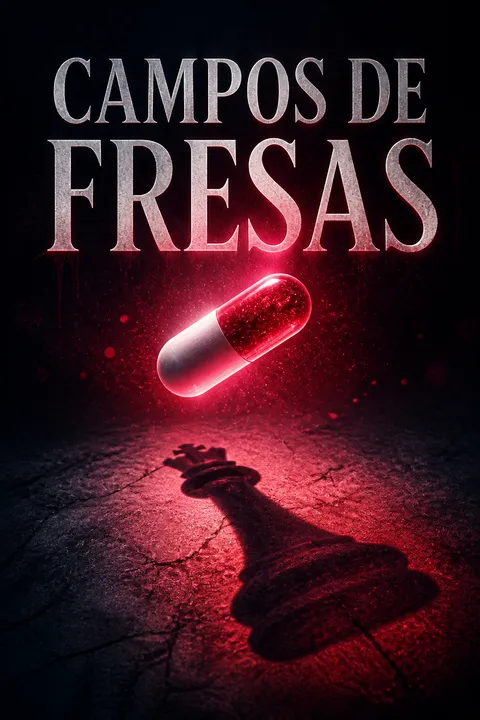
The novel employs a dual narrative structure, alternating between the external actions of the characters and the internal monologues of Luciana in her coma. This device deepens the emotional resonance, allowing readers to experience both the chaos of the crisis and the introspective struggle for survival. The use of chess as a metaphor for Luciana's battle between life and death adds symbolic weight, framing her ordeal as a series of strategic choices.
Foreshadowing and Parallelism
Foreshadowing is used to build tension, with early hints of danger and the unpredictable effects of drugs. The parallel stories of Luciana's coma and Loreto's bulimia create a thematic echo, reinforcing the novel's exploration of self-destruction and the fight for life. The convergence of these narratives at key moments amplifies the impact of each character's journey.
Real-Time Urgency
The story unfolds over a compressed time frame, with the urgency of Luciana's condition driving the plot. The friends' frantic search for the dealer and the matching pill is a race against time, mirroring the medical team's struggle to save her. This real-time structure intensifies the emotional stakes and keeps the narrative taut and compelling.
Social Commentary
The inclusion of media coverage, police investigation, and parental perspectives broadens the scope of the novel, transforming a personal tragedy into a societal issue. The ethical dilemmas faced by journalists, doctors, and parents highlight the complexities of modern youth culture, the failures of communication, and the challenges of prevention and intervention.
Download PDF
Download EPUB
.epub digital book format is ideal for reading ebooks on phones, tablets, and e-readers.








































