
Plot Summary
Return to Port Royal
After twelve years away, Coralie Taylor is forced to return to her hometown, Port Royal, South Carolina, to bury her abusive father. The journey is fraught with anxiety and dread, as the place is saturated with memories of trauma and lost love. Coralie's life in California, with her stable boyfriend Ben and her career as an artist, feels distant and fragile as she faces the ghosts of her past. The return is not just about closure for her father's death, but also about confronting the pain she left behind, especially the unresolved feelings for her first love, Callan Cross, who she never expected to see again.
Haunted by the Past
Callan Cross, now a successful photographer, is drawn back to Port Royal by the news of Coralie's father's death. Despite his globe-trotting lifestyle and casual relationships, he's never truly moved on from Coralie. The town is a mausoleum of memories—his mother's death, his fractured family, and the love he lost. Callan's return is driven by a need for closure, but also by a stubborn hope that he and Coralie might find a way back to each other, even as the pain of their shared history threatens to consume him.
Coralie's Secret Pain
Coralie's childhood was marked by her father's escalating abuse after her mother's suicide. She learned to hide bruises and emotional scars, finding brief sanctuary in art and in her friendship with Callan. Her father's control extended to every aspect of her life, leaving her with lasting anxiety and a desperate need for escape. Even as an adult, the patterns of secrecy and shame persist, making it nearly impossible for her to accept help or believe in her own worthiness of love and happiness.
Callan's Restless Heart
Despite professional success and fleeting romances, Callan's heart remains broken by Coralie's absence. He masks his pain with bravado and cynicism, but his art betrays his longing and unresolved grief. The photograph of Coralie, battered and vulnerable, haunts him—a symbol of both his love and his guilt. Callan's return to Port Royal is as much about confronting his own failures as it is about seeking forgiveness and a second chance with the only woman he's ever truly loved.
Reunion at the Funeral
The funeral brings Coralie and Callan face to face for the first time in over a decade. The encounter is electric and fraught with tension—resentment, longing, and unfinished business simmer beneath the surface. Both are guarded, afraid to reopen old wounds, yet unable to deny the magnetic pull between them. The town, their friends, and even the landscape seem to conspire to force them together, demanding that they finally confront the truth of what happened between them.
Ghosts in Old Houses
Both Coralie and Callan are drawn back into the houses where they grew up, each space thick with memories—some sweet, most painful. For Coralie, her father's house is a prison; for Callan, his mother's home is a shrine to loss. The physical act of returning, of touching old objects and seeing old rooms, brings the past into sharp relief, making it impossible to keep secrets buried. The houses become battlegrounds for their internal struggles, as they each try to reconcile who they were with who they've become.
Teenage Sanctuary
As teenagers, Coralie and Callan found solace in each other. Their bond was forged in secrecy and necessity—late-night conversations, shared dreams, and the quiet understanding of two wounded souls. Callan's room, the library, and the roof became sanctuaries where Coralie could escape her father's violence. Their friendship blossomed into first love, offering hope and light in an otherwise dark world.
First Love, First Wounds
Their romance was intense, innocent, and ultimately tragic. Coralie's father's abuse escalated as her relationship with Callan deepened. The two shared everything—art, music, secrets, and eventually their bodies. But the violence at home left scars that love alone couldn't heal. When Coralie became pregnant, the secret was too heavy to bear, and the consequences were devastating. Their love, once a refuge, became another source of pain.
The Unspoken Goodbye
Unable to endure her father's abuse and believing she had no other choice, Coralie leaves Port Royal without telling Callan the full truth. She carries the guilt of her lost child and the belief that she's protecting Callan by keeping him in the dark. The goodbye is abrupt and shattering, leaving both with unresolved grief and a sense of betrayal that will haunt them for years.
The Weight of Silence
The years apart are marked by silence and misunderstanding. Coralie builds a new life, but the trauma and guilt remain unspoken, festering beneath the surface. Callan, left without answers, turns his pain into art but is unable to move on. Their friends, Friday, Shane, and Tina, witness the fallout, each affected by the absence of the couple who once seemed inseparable. The silence becomes its own form of violence, keeping them trapped in the past.
The Truth Unveiled
When Coralie finally reveals the full extent of her father's abuse and the truth about their lost child, the impact is seismic. Callan is devastated—not just by what happened, but by the years of secrecy and the realization that he couldn't protect her. The confession is both a wound and a balm, forcing them to confront the reality of their shared trauma. Only by facing the truth can they begin to heal, both individually and together.
Ashes and Closure
In a final act of catharsis, Callan burns down Coralie's childhood home, symbolically destroying the last vestiges of her father's control. The fire is both an ending and a beginning—a way to reclaim power and make space for something new. Together, they bury the remains of their lost child, finally granting themselves permission to grieve and to let go. The act of destruction becomes an act of creation, clearing the way for forgiveness and hope.
Healing in the Ruins
In the aftermath, Coralie and Callan begin the slow process of healing. They lean on each other, finding strength in vulnerability and honesty. Their friends rally around them, offering support and acceptance. The town that once felt like a prison becomes a place of reconciliation. Through shared grief and mutual forgiveness, they rediscover the love that first brought them together, now tempered by experience and resilience.
Forgiveness and Surrender
Both must learn to forgive—not just each other, but themselves. Coralie releases the guilt she's carried for years, while Callan lets go of his anger and sense of failure. They surrender to the love that has always connected them, choosing to move forward together rather than remain shackled to old pain. The act of surrender is not weakness, but the ultimate act of courage and trust.
New Beginnings Promised
With the past finally laid to rest, Coralie and Callan make plans for a new life together. They decide to leave Port Royal, choosing a place where they can build a home free from old ghosts. Their love, once a fragile lifeline, becomes a foundation for something lasting and true. The promise of new beginnings is both a reward and a challenge—a commitment to keep choosing each other, every day.
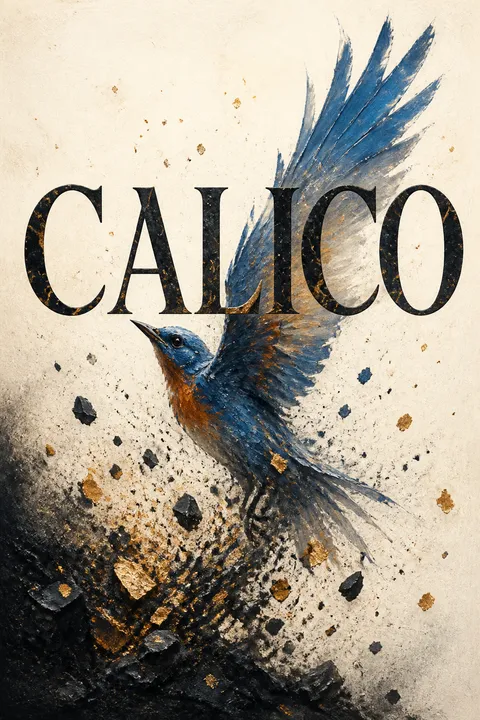
The Bluebird's Flight
The bluebird, a recurring motif in their story, comes to represent hope, healing, and the possibility of joy after suffering. Coralie's art and Callan's photography become acts of reclamation, ways to transform pain into beauty. Together, they learn to fly again, unburdened by the weight of the past.
Love's Second Chance
Their reunion is not without struggle, but it is marked by a deeper understanding and acceptance. They learn to communicate, to be honest about their needs and fears, and to support each other through setbacks. Their love matures, becoming a partnership rooted in empathy and shared experience. The second chance they give each other is hard-won and all the more precious for it.
Home in Each Other
Ultimately, Coralie and Callan realize that home is not a place, but a person. In each other, they find the safety, acceptance, and love they've always craved. Their journey is one of survival, healing, and transformation—a testament to the power of love to redeem even the most broken hearts.
Analysis
Calico is a raw, unflinching exploration of trauma, love, and the long road to healing. At its heart, the novel asks whether it is possible to reclaim joy after profound suffering, and whether love can truly redeem the broken parts of ourselves. Through the intertwined journeys of Coralie and Callan, the story confronts the realities of abuse, loss, and the corrosive power of secrets. Yet it is also a testament to resilience—the capacity to survive, to forgive, and to choose hope even when the past seems insurmountable. The bluebird, as both symbol and narrative thread, reminds us that beauty can emerge from pain, and that freedom is possible even for those who have been caged. Ultimately, Calico is about the courage to face the truth, the grace to forgive, and the transformative power of love to make us whole. It is a story for anyone who has ever been haunted by their past, and who dares to believe in the possibility of a brighter future.
Review Summary
Calico by Callie Hart is an emotional second-chance romance that has received mostly positive reviews. Readers praise the raw, intense storytelling and well-developed characters, particularly the male lead Callan. The book alternates between past and present, exploring themes of abuse, healing, and redemption. While some readers found certain plot elements unrealistic or underdeveloped, many were captivated by the emotional journey of the protagonists. The novel's exploration of difficult topics and the author's writing style were frequently highlighted as strengths.
People Also Read







Characters
Coralie Taylor
Coralie is the emotional core of the story—a woman shaped by trauma, resilience, and a longing for freedom. Her childhood was marked by her father's cruelty and her mother's suicide, leaving her with deep scars and a tendency to hide her pain. Her relationship with Callan was both a refuge and a source of further heartbreak, especially after the loss of their child. As an adult, Coralie is fiercely independent but struggles with vulnerability and trust. Her journey is one of learning to accept love, forgive herself, and reclaim her voice. Her art becomes a means of processing pain and finding beauty in brokenness. Through confession and connection, she transforms from a victim into a survivor, ultimately finding peace in her own skin and in Callan's arms.
Callan Cross
Callan is a man driven by passion, guilt, and an unyielding love for Coralie. His childhood was marked by loss—his mother's death and his father's abandonment—leaving him with a fear of attachment and a tendency to push people away. His relationship with Coralie was the one constant in his life, and her departure left him adrift. Callan channels his pain into photography, using art as both escape and confession. He is charismatic, stubborn, and often abrasive, but beneath the bravado lies a deep well of vulnerability. Callan's arc is one of learning to forgive, to accept help, and to believe in the possibility of happiness. His reunion with Coralie forces him to confront his own failings and to fight for the love he never truly lost.
Malcolm Taylor
Malcolm is the antagonist whose shadow looms over the entire narrative. His emotional and physical abuse shapes Coralie's life, instilling fear, shame, and self-doubt. His control is absolute, extending even beyond death through his will and the secrets he forced Coralie to keep. Malcolm's actions are the catalyst for much of the pain in the story, but his death also creates the possibility for healing and closure. He is a symbol of generational trauma and the destructive power of unchecked anger.
Jo Cross
Jo is Callan's mother and a surrogate maternal figure for Coralie. Her warmth, strength, and acceptance provide a brief sanctuary for both teens. Her illness and death are pivotal moments, deepening Callan's sense of loss and abandonment. Jo's legacy is one of unconditional love and the belief that healing is possible, even in the face of overwhelming pain.
Friday Beauchamp
Friday is a pillar of the community and a surrogate guardian for Coralie. Her blunt wisdom, fierce loyalty, and no-nonsense attitude make her both a protector and a truth-teller. She sees through the facades of those around her, offering support without judgment. Friday's presence is a reminder that family can be chosen, and that love often comes from unexpected places.
Shane Willoughby
Shane is Callan's childhood friend and a steadying influence throughout the story. His humor, empathy, and unwavering support provide a counterbalance to Callan's intensity. Shane's own stable relationship with Tina serves as a model for what healthy love can look like. He is a bridge between past and present, helping both Callan and Coralie navigate their return to Port Royal.
Tina Fulsom
Tina is Coralie's high school friend and Shane's partner. Her compassion and emotional intelligence make her a source of comfort and understanding. Tina's journey into motherhood parallels Coralie's loss, highlighting the different ways women experience and process grief. She is a reminder that healing often requires community and connection.
Ben
Ben represents the life Coralie built after fleeing Port Royal—a life of stability, predictability, and emotional distance. He is kind and supportive, but ultimately unable to reach the depths of Coralie's pain or to offer the kind of love she truly needs. Ben's presence underscores the difference between surviving and truly living.
Rae
Rae is a model and Callan's casual partner in New York. She is bold, unapologetic, and emotionally detached—a mirror of Callan's own attempts to avoid intimacy. Rae's relationship with Callan is transactional and ultimately unfulfilling, highlighting his inability to move on from Coralie.
Sam
Sam is the young priest at St. Regis who helps Coralie and Callan navigate the logistics and emotional weight of the funeral. His empathy, open-mindedness, and gentle guidance provide a spiritual anchor, helping them find meaning and peace in the rituals of farewell.
Plot Devices
Dual Timeline Structure
The narrative alternates between the present-day return to Port Royal and flashbacks to Coralie and Callan's teenage years. This structure allows the reader to experience the intensity of first love alongside the pain of adult reckoning. The gradual revelation of secrets and trauma builds suspense and deepens empathy, making the eventual confessions and reconciliation all the more powerful.
Symbolism of the Bluebird
The bluebird recurs throughout the story as a symbol of freedom, rebirth, and the possibility of joy after suffering. It appears in Coralie's art, in Callan's tattoos, and in their shared memories. The bluebird's flight mirrors the characters' journey from captivity to liberation, from silence to song.
Art and Photography as Catharsis
Both Coralie and Callan use their respective arts—painting and photography—as means of processing trauma and communicating what words cannot. Their creative collaboration becomes a form of intimacy and healing, allowing them to reclaim agency and find meaning in their suffering.
The Burning of the House
The act of burning down Coralie's childhood home is a dramatic and cathartic gesture, symbolizing the end of her father's control and the possibility of starting anew. It is both an act of vengeance and of liberation, clearing the way for forgiveness and growth.
The Unrevealed Photographs
The cameras filled with undeveloped film serve as a metaphor for the secrets and memories that have shaped Coralie and Callan's lives. The eventual revelation of these photographs brings closure, understanding, and a sense of continuity between past and present.
Foreshadowing and Circularity
The narrative is rich with foreshadowing—small details and conversations in the early chapters gain new significance as the story unfolds. The return to Port Royal, the bluebird motif, and the recurring theme of homecoming all create a sense of circularity, reinforcing the idea that healing requires both looking back and moving forward.








































