
Plot Summary
Storm Reveals Buried Secrets
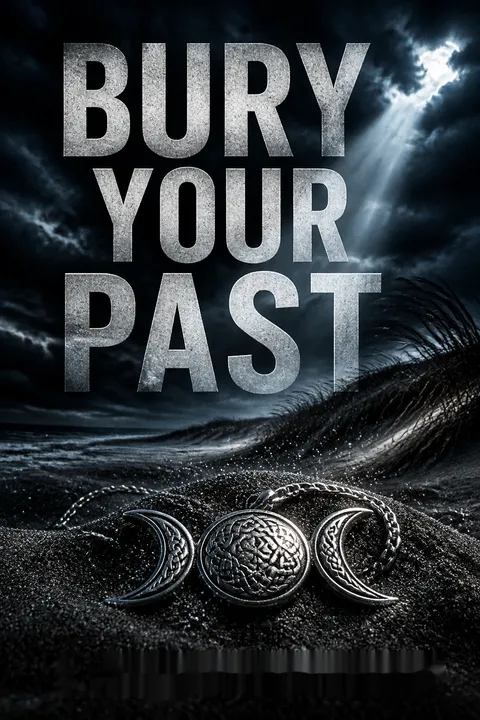
A devastating storm batters the Norfolk coast, leaving destruction and chaos in its wake. Amidst the dunes, a dog walker and a mysterious stranger stumble upon human remains, partially wrapped and buried in the sand. The discovery is chilling: a young woman's skeleton, adorned with a distinctive necklace, emerges from the earth. The storm, while destructive, acts as a catalyst, exposing secrets long hidden beneath the surface. The scene is both haunting and surreal, as the rising sun glints off the silver jewelry, and the sense of something ancient and unresolved lingers in the salty air. The police are called, and Detective Tom Janssen is drawn from his quiet life to confront a case that will test his resolve and unravel the fabric of the local community.
The Dunes' Grim Discovery
Detective Tom Janssen arrives at the windswept beach, where the forensic team is already at work. The body, wrapped in a stained sheet, is revealed to be a young woman, likely dead for five or six years. Forensic examiner Dr. Fiona Williams notes a fatal head wound and the presence of a unique necklace, suggesting a violent end. The storm's timing is critical: the tide threatens to erase evidence, and the team races against nature. The location—close to holiday homes and a pine forest—raises questions about the killer's boldness and local knowledge. Janssen's mind churns with possibilities: was this a crime of passion, a calculated murder, or something even darker? The discovery sets off a chain of events that will force the community to confront its buried past.
Four Missing Women
Back at the station, Detective Eric Collet sifts through cold case files, narrowing the list of possible victims to four missing women: Tracy Bartlett, Sophie Maddox, Clare Hardy, and Lesley Abbott. Each woman's disappearance is shrouded in tragedy—domestic abuse, troubled foster care, addiction, or a drift into the occult. The team examines their backgrounds, relationships, and last known movements, searching for connections. The process is painstaking and emotional, as each file represents a life interrupted and a family left in limbo. The detectives are haunted by the thought that one of these women has finally been found, but the truth of her fate remains elusive. The investigation becomes a race to give the victim a name and a story.
The Necklace's Origin
The necklace found on the body becomes a crucial clue. Janssen and Eric trace its origin to a local craftswoman, Beatrice Malloy, whose jewelry is steeped in Celtic and pagan symbolism. The triple moon pendant, handmade and unique, ties the victim to a subculture fascinated by the occult. Beatrice is evasive, her daughter River even more so. The detectives sense secrets and pain in their home, and the necklace's meaning deepens the mystery. Is it a token of love, a symbol of faith, or a marker of something sinister? The investigation into the jewelry opens a window into the world of local pagan groups, hinting at rituals, rivalries, and the possibility that the murder was more than a random act.
Forensics and False Leads
As the forensic team recovers more from the grave—clothing, a bag, cosmetics, and rings—each item is scrutinized for clues. A business card from a controversial local lab, Norfolk Reactive Sciences, is found among the victim's belongings, raising questions about her connections to animal rights activism and the lab's troubled past. The detectives interview former lovers, friends, and activists, but each lead seems to muddy the waters. The victim's identity remains uncertain, and the community's gossip only adds to the confusion. The case becomes a tangle of motives: love, jealousy, ideology, and the lure of the unknown. The detectives feel the pressure mount as the tide of evidence threatens to wash away the truth.
The Activists' Shadow
The investigation uncovers a history of animal rights protests targeting the local lab. River Malloy and her associates, including the enigmatic Conn, were at the heart of the campaign, which culminated in an arson attack that killed an unidentified activist. The case files reveal a web of alliances and betrayals, with River and Niall Bradshaw serving prison time for the fire. The detectives revisit the arson, suspecting that the murder in the dunes may be linked to the violence and secrecy of those years. The activists' idealism is contrasted with the harsh realities of their actions, and the line between victim and perpetrator blurs. The past refuses to stay buried, and the detectives sense that the answers lie in the unresolved trauma of the protest movement.
River and Beatrice
Janssen and Tamara Greave, a visiting DCI, probe deeper into the Malloy household. River, recently released from prison, is haunted by her past and fiercely protective of her mother. Beatrice, for all her eccentricity, is a woman shaped by hardship and regret. The detectives sense that the truth about the victim's death is entangled with the Malloys' family dynamics. River's relationship with the missing Sophie Maddox is revealed to be intimate and fraught, while Beatrice's connection to local power broker Shaun Robinson hints at deeper entanglements. The emotional stakes rise as the detectives confront the pain and loyalty that bind mother and daughter, and the possibility that love and guilt can drive people to desperate acts.
The Occult Connection
The detectives attend a local pagan moot, seeking insight into the occult symbols found on the victim. They learn of Conn, a charismatic outsider who drew young women into his orbit, blending spiritual guidance with manipulation. The group's history is marked by schisms and the allure of forbidden knowledge. The detectives piece together how the victim, along with River and Lesley, became involved in Conn's circle, and how the boundaries between faith, obsession, and exploitation blurred. The occult becomes both a red herring and a lens through which the community's anxieties are refracted. The detectives must separate superstition from fact, and charisma from culpability, as they close in on the truth.
The Past Unravels
As the investigation intensifies, the detectives revisit the arson case, uncovering flaws and possible corruption in the original inquiry. The retired DI Samuels, who led the case, is evasive and defensive, while evidence emerges that the activist group was infiltrated by an informant—Conn, whose real name is Harry Sutcliffe. The detectives confront the possibility that the wrong people were convicted, and that the true story of the fire and the murder has been hidden by a conspiracy of silence and self-interest. The emotional toll on the detectives is palpable, as they wrestle with the weight of institutional failure and the cost of justice delayed.
The Arson's Hidden Truth
The detectives uncover a financial link between Samuels and Shaun Robinson, suggesting that the arson was not just an act of protest but part of a scheme to save the lab through insurance fraud and rebranding. Conn's role as an informant and blackmailer is revealed, and his murder becomes the key to unraveling the entire web. The detectives realize that the victim in the dunes, Sophie, was killed to protect secrets that threatened powerful interests. The investigation becomes a race against time, as those involved in the cover-up grow desperate and dangerous. The detectives must navigate a minefield of lies, threats, and shifting allegiances to bring the truth to light.
The Informant's Game
Conn, the self-styled spiritual leader and police informant, is found murdered in his home, killed with a tool from Beatrice's workshop. The detectives piece together his history of blackmail, manipulation, and betrayal. His death is both a reckoning and a release for those he tormented, but it also removes a crucial witness. The investigation into his murder runs parallel to the search for Sophie's killer, and the detectives must untangle the threads of revenge, guilt, and self-preservation that run through the community. The case becomes a meditation on the corrosive power of secrets and the price of complicity.
The Web Tightens
With forensic evidence mounting, the detectives close in on the key players: Beatrice, River, Shaun Robinson, and Samuels. Each is confronted with their actions and forced to reckon with the consequences. Beatrice confesses to burying Sophie's body, driven by a mother's desperate love and a desire to protect her daughter. River's role in the arson and her relationship with Sophie are laid bare. Shaun's financial machinations and Samuels' corruption are exposed, and the community is forced to confront the rot at its core. The detectives, exhausted and changed by the case, reflect on the limits of justice and the persistence of hope.
The Truth in the Dunes
In a series of emotional confrontations, the full story emerges: Sophie was killed in a moment of rage and fear, her body hidden by those who loved and failed her. The arson was both a crime of passion and a calculated act, its true purpose obscured by layers of deceit. The detectives secure confessions, but the sense of resolution is bittersweet. The community is left to mourn its losses and reckon with its failures. The detectives, too, are changed—haunted by what they have seen and done, but determined to carry on. The dunes, once a place of secrets, become a site of remembrance and reckoning.
Confessions and Consequences
The legal aftermath unfolds: Beatrice is arrested for murder, River is spared further prosecution, and Shaun and Samuels face charges for their roles in the cover-up. The detectives grapple with the moral ambiguities of the case, recognizing that justice is imperfect and often incomplete. The survivors—River, Darren, and others—are left to rebuild their lives, scarred but not broken. The detectives find solace in small victories and the knowledge that, for once, the truth has been brought into the light. The case becomes a touchstone for the community, a reminder of the dangers of silence and the power of compassion.
Justice and Aftermath
As the dust settles, Janssen and Tamara reflect on the case's impact on their own lives. The investigation has tested their partnership, their values, and their sense of self. Tamara decides to stay in Norfolk, drawn by the promise of new beginnings and the bonds forged in adversity. Janssen, too, finds a measure of peace, reconnecting with his partner Alice and embracing the messy, beautiful complexity of life. The story ends not with triumph, but with a quiet affirmation of resilience and hope. The dunes, once a place of death and secrets, are reclaimed by the living—a testament to the enduring power of truth and the possibility of redemption.
Analysis
A modern meditation on justice, trauma, and the cost of silence"Bury Your Past" is more than a procedural whodunit; it is a layered exploration of how communities and individuals are shaped—and sometimes destroyed—by the secrets they keep. The novel interrogates the failures of institutions: the police, the family, the activist movement, and the very idea of justice. It asks what it means to seek truth in a world where everyone has something to hide, and where the past is never truly past. The story's emotional power lies in its refusal to offer easy closure: the dead cannot be brought back, the innocent are not always vindicated, and the guilty are often victims themselves. The lessons are hard-won: that compassion is as necessary as courage, that justice is a process rather than a verdict, and that healing begins with the willingness to confront what we most fear. In the end, the dunes—once a place of death and concealment—become a symbol of resilience and the enduring human capacity for hope.
Review Summary
Bury Your Past, the second book in J.M. Dalgliesh's Hidden Norfolk series, receives mixed reviews averaging 4.2 out of 5 stars. Readers appreciate the police procedural format and character development of Detective Inspector Tom Janssen and his team investigating a skeletal body found on a beach. Common criticisms include slow pacing, underdeveloped characters, repetitive writing, proofreading errors, and confusing character distinctions. Many find supporting character Eric essential to solving cases. While some readers enjoyed the complex plot and British crime fiction style, others found it predictable and struggled to finish.
Characters
Tom Janssen
Detective Inspector Tom Janssen is the emotional and investigative anchor of the story. Living on a houseboat to escape the pressures of modern life, he is drawn back into the fray by the discovery of the body in the dunes. Janssen is methodical, intuitive, and deeply empathetic, often carrying the weight of the victims' stories with him. His relationships—with his partner Alice, with his colleagues, and with the community—are marked by a quiet intensity and a longing for connection. Throughout the case, he is tested by institutional inertia, personal doubt, and the moral ambiguities of justice. Janssen's development is subtle but profound: he moves from detachment to engagement, from isolation to a renewed sense of purpose, ultimately embracing the messy, imperfect work of healing and truth-telling.
Tamara Greave
Acting DCI Tamara Greave is brought in to oversee the investigation, bringing experience, intelligence, and a no-nonsense approach. She is ambitious but not ruthless, driven by a desire to make a difference and haunted by her own personal crossroads. Tamara's psychoanalysis reveals a woman who is both open and guarded, capable of deep empathy but wary of vulnerability. Her partnership with Janssen is marked by mutual respect, occasional friction, and a growing sense of trust. Tamara's journey is one of self-discovery: she confronts her own desires, fears, and the cost of ambition, ultimately choosing to stay in Norfolk and embrace a new chapter. Her leadership is transformative, both for the team and for herself.
River Malloy
River is the daughter of Beatrice Malloy and the emotional heart of the case. Scarred by a difficult childhood, mental health struggles, and a stint in prison for arson, River is both vulnerable and resilient. Her relationship with Sophie Maddox is complex—marked by love, jealousy, and betrayal. River's loyalty to her mother is absolute, and her willingness to take the blame for Sophie's death is both tragic and heroic. Psychoanalytically, River embodies the struggle for identity and belonging, her actions shaped by trauma and a desperate need for connection. Her development is a journey from self-destruction to self-acceptance, as she confronts the truth and begins to heal.
Beatrice Malloy
Beatrice is a craftswoman whose jewelry becomes a key clue in the case. She is eccentric, sharp-tongued, and deeply secretive, shaped by years of hardship and regret. Her relationship with River is central—marked by love, guilt, and a willingness to do anything to protect her daughter. Beatrice's affair with Shaun Robinson and her role in Sophie's burial reveal a woman capable of both tenderness and ruthlessness. Psychoanalytically, Beatrice is driven by maternal instinct, shame, and a longing for redemption. Her confession is both an act of love and a final attempt to control the narrative of her family's pain.
Sophie Maddox
Sophie is the murder victim whose story drives the narrative. Raised in foster care, marked by mental health struggles, and drawn to the occult, Sophie is a figure of both vulnerability and power. Her relationships—with River, Darren, and others—are intense and often destructive. Sophie's search for meaning and belonging leads her into dangerous territory, and her death is both a personal tragedy and a symbol of the community's failures. Psychoanalytically, Sophie represents the lost child, forever seeking love and acceptance but unable to escape her own demons. Her presence lingers throughout the story, haunting those who loved and failed her.
Shaun Robinson
Shaun is the owner of the local lab and a pillar of the community, but beneath the surface he is compromised by greed, fear, and a willingness to cut corners. His affair with Beatrice and his financial machinations tie him to the central crimes. Shaun's relationship with his son Darren is fraught, marked by disappointment and control. Psychoanalytically, Shaun is driven by a need for respect and security, but his actions reveal a deep moral cowardice. His eventual arrest is both a fall from grace and a moment of reckoning.
Darren Robinson
Darren is Shaun's son, a young man caught between loyalty to his family and his love for Sophie. His role as the insider who fed information to the activists is both an act of rebellion and a plea for connection. Darren's journey is one of guilt, loss, and the search for forgiveness. Psychoanalytically, he is the child of privilege who longs for authenticity, but is ultimately undone by the weight of secrets and the consequences of love.
Niall Bradshaw
Niall is a former activist and one of the original suspects in the arson case. He is passionate, idealistic, and ultimately betrayed by the system. Niall's relationship with Tracy and his role in the protests are marked by a desire to do good, but he is repeatedly scapegoated and manipulated. Psychoanalytically, Niall is the archetypal outsider, punished for his convictions and forced to confront the limits of idealism. His exoneration is bittersweet, a reminder of the cost of justice denied.
Conn / Harry Sutcliffe
Conn, whose real name is Harry Sutcliffe, is the story's most enigmatic figure—a spiritual leader, police informant, and blackmailer. He draws vulnerable young people into his orbit, exploiting their needs and fears. Conn's murder is both a reckoning and a release, but his legacy of manipulation lingers. Psychoanalytically, Conn is the trickster, a figure of chaos and transformation, whose actions force others to confront their own darkness.
Peter Samuels
Samuels is the retired DI who led the original arson investigation. He is defensive, bigoted, and ultimately revealed to be complicit in the cover-up. Samuels represents the failures of the institution—the willingness to cut corners, protect reputations, and sacrifice the vulnerable. Psychoanalytically, he is the shadow of authority, clinging to power even as the world changes around him. His arrest is a moment of catharsis, but also a warning about the dangers of unchecked authority.
Plot Devices
Intertwined Timelines and Cold Case Structure
The novel employs a dual timeline structure, with the present-day investigation into the body in the dunes interwoven with flashbacks and revelations about the events of six years prior. This structure allows the reader to experience the slow unravelling of secrets, as each new clue sheds light on the past. The cold case format heightens suspense, as the detectives must piece together fragmented memories, incomplete records, and unreliable testimonies. The use of multiple perspectives—Janssen, Tamara, River, Beatrice, and others—creates a mosaic of voices, each with their own biases and blind spots. The narrative is driven by the tension between what is known and what is hidden, and the gradual convergence of past and present.
Symbolism and Foreshadowing
Key objects—the necklace, the rings, the business card, the dust sheet—serve as symbols and foreshadowing devices. The necklace, with its occult symbolism, hints at the victim's involvement in pagan circles and the possibility of ritualistic motives. The business card links the victim to the lab and the world of activism, while the dust sheet and forensic traces point to the location and manner of death. Rituals—both pagan and investigative—structure the narrative, as characters seek meaning and control in a chaotic world. The storm itself is a metaphor for the eruption of buried secrets, and the shifting sands of the dunes mirror the instability of memory and truth.
Red Herrings and Misdirection
The novel is rich in red herrings: the occult, the activists, the lab, the arson, the various missing women. Each suspect and motive is plausible, and the detectives (and readers) are repeatedly led down false paths. The use of unreliable narrators—characters who lie, withhold, or misremember—adds to the sense of uncertainty. The ultimate revelation is both surprising and inevitable, as the clues, once re-examined, point to the true sequence of events. The misdirection serves to highlight the complexity of human motivation and the difficulty of achieving justice.
Psychological Realism and Moral Ambiguity
The novel's greatest strength is its psychological depth. Characters are not simply good or evil; they are shaped by trauma, love, fear, and the desire for redemption. The detectives themselves are not immune to doubt and error, and the resolution is marked by ambiguity and compromise. The story resists easy answers, instead inviting the reader to grapple with the messy realities of guilt, forgiveness, and the limits of the law. The emotional arc is one of loss, reckoning, and the possibility of healing, both for individuals and for the community.
Hidden Norfolk Series
Download PDF
Download EPUB
.epub digital book format is ideal for reading ebooks on phones, tablets, and e-readers.








































