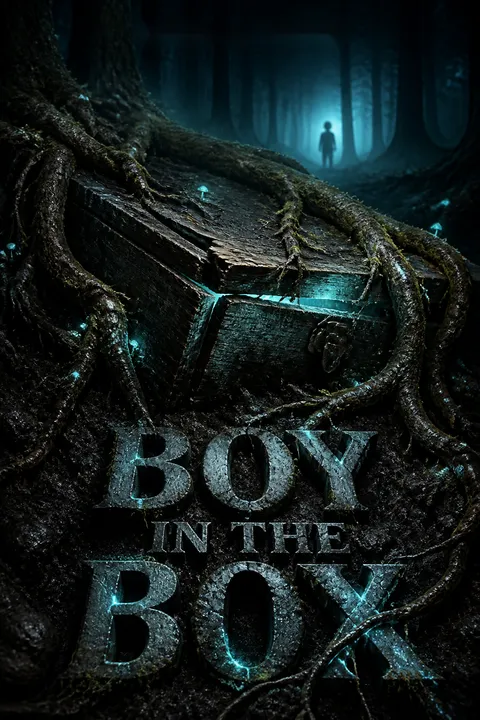

Plot Summary
Funeral Shadows and Guilt
Jonathan Hollis attends the wake of his childhood friend Gene, haunted by a secret that binds him to the Braddick brothers. The funeral is a somber masquerade, with mourners oblivious to the true darkness that led to Gene's suicide. Jonathan's guilt is suffocating, infecting his marriage and fatherhood, and he wonders if he, too, is doomed to self-destruction. The past is a weight he cannot shed, and the presence of Conner and Michael Braddick at the wake signals that the secret they share is not buried. The sense of being watched, judged, and forever tainted by a single night ten years ago lingers, setting the stage for a reckoning none of them can avoid.
The Pact Rekindled
At a dingy bar, Jonathan reunites with Conner and Michael. The air is thick with unspoken history and the burden of what they did. Conner reveals that the site of their shared crime—Coombs' Gulch—is about to be unearthed by developers. The brothers insist they must return to move the evidence before it's discovered. Jonathan resists, but the threat to their families and futures is too great. The pact is renewed: they will go back to the Adirondacks, dig up the box, and bury the past deeper. The decision is made not out of courage, but desperation, and the shadow of Gene's fate looms over them all.
Adirondack Descent
The narrative flashes back to Jonathan's bachelor party, a hunting trip in the wilds of the Adirondacks. The four friends—Jonathan, Gene, Conner, and Michael—seek escape and camaraderie, but the trip is tinged with excess, regret, and a sense of foreboding. The wilderness is both beautiful and menacing, a place where the veneer of civilization slips. The men drink, hunt, and try to reclaim lost innocence, but the forest's silence is oppressive. The stage is set for a night that will shatter them, as the boundary between man and monster, guilt and innocence, begins to blur.
The Night That Broke
On their last night, emboldened by alcohol and bravado, the friends decide to hunt at night, using a spotlight to "bag a trophy." In the darkness, Gene fires at what he believes are animal eyes. The shot reveals a horror: a young boy, dead, his face destroyed. Panic and terror seize the group. The forest comes alive with unseen movement, as if the land itself mourns or accuses. The friends are paralyzed by fear—not just of the law, but of something older and more primal. The night marks the end of their innocence and the birth of a secret that will consume them.
The Secret Buried
In the aftermath, the friends debate what to do. The boy is dead, and there is no sign of anyone else. Conner argues for a cover-up, convinced that confession would destroy all their lives. They bury the boy in a sealed box, deep in the woods, and swear never to speak of it. The act is both practical and damning, a ritual of denial that binds them together in guilt. The memory festers, infecting their futures. The burial is not just of a body, but of their own capacity for redemption. The forest keeps their secret, but at a terrible cost.
Haunted Homes, Haunted Hearts
Back home, Jonathan's life unravels. His marriage to Mary is strained by his drinking and emotional distance. He is haunted by nightmares and the fear that his son Jacob will inherit his sins. Mary senses the ghost in their home, a presence that crowds their family. Jacob's night terrors and sleepwalking become a source of dread. Jonathan's attempts to be a good father are undermined by his self-loathing and the conviction that he is cursed. The past is not past; it is alive in every strained silence and every shadow in the woods behind their house.
Nightmares and Inheritance
Jacob's night terrors intensify, and Jonathan's fear for his son grows. He sees in Jacob's innocence a reflection of what was lost, and in his vulnerability, the possibility of repeating old tragedies. The woods behind their home become a symbol of lurking danger, both real and imagined. Jonathan's attempts to protect Jacob are desperate and clumsy, and his own anger sometimes erupts, deepening his shame. The line between supernatural threat and psychological inheritance blurs, as the family is drawn into a cycle of fear and alienation.
Ghosts in the Woods
Jonathan becomes obsessed with missing children, searching online for any trace of the boy they buried. He finds stories and images of ghostly children caught on hunting cameras, lost in forests around the world. The sense that something is stalking him and his family grows. The woods are no longer just a backdrop, but an active, malevolent force. The boundaries between reality and nightmare erode, and Jonathan's grip on sanity weakens. The ghost of the boy in the box is everywhere—in the trees, in his son's dreams, in the faces of strangers.
The Plan to Return
With the threat of discovery imminent, the friends prepare to return to Coombs' Gulch. Their lives are in shambles—Gene is dead, Conner is drowning in debt, Michael is emotionally adrift, and Jonathan is barely holding on. The plan is simple: retrieve the box and sink it in a remote lake. But nothing is simple in the shadow of their crime. The journey is fraught with omens and obstacles, from slashed tires to hostile locals. The sense of being watched, of fate closing in, is overwhelming. The past is not done with them.
The Road Back North
The journey to the cabin is beset by delays and violence. The friends are attacked in a bar, their vehicle sabotaged, and the locals warn them away from the Gulch. They are forced to rely on strangers, and the sense of being hunted grows. When they finally reach the cabin, they find the owner dead, staring into the darkness. The land itself seems cursed, and the friends are isolated, vulnerable, and increasingly paranoid. The forest is no longer just a setting, but a character—ancient, indifferent, and hungry.
Townsfolk and Warnings
The friends learn of Coombs' Gulch's dark past—a failed utopian commune, disappearances, and rituals meant to commune with ancient gods. The locals' hostility is rooted in fear and superstition. The friends are outsiders, trespassers in a place that has always devoured the lost. The sense of being drawn into a pattern older than themselves intensifies. The boundaries between their personal guilt and the land's curse blur. The cabin becomes a liminal space, a last refuge before the final descent into the heart of darkness.
The Cabin's Dead Watcher
The discovery of Bill Flood's body at the cabin is both a warning and a portent. The friends are forced to confront the reality that they are not in control. The land claims its own, and the dead watch the living. The friends' unity begins to fracture under the strain. Jonathan's visions intensify, and the sense of being manipulated by forces beyond their understanding grows. The cabin is no longer a sanctuary, but a waiting room for judgment. The past is alive, and the dead are restless.
Rituals and Ruins
As they journey into the Gulch, the friends discover a clearing marked by occult symbols and a stone altar. The site echoes the rumors of cult activity and child sacrifice. The boundary between their crime and the land's history dissolves. The friends are drawn into a ritual they do not understand, their actions echoing those of the doomed commune. The sense of being trapped in a cycle of violence and offering is overwhelming. The forest is a labyrinth, and the only way out is through.
Digging Up the Past
The friends find the spot where they buried the boy. Digging up the box is a physical and emotional ordeal, the weight of the coffin a literal and metaphorical burden. The contents are a horror—decay, guilt, and the memory of a life destroyed. The friends argue about whether to open it, to confront the reality of what they did. The decision is made to move it, but the act is fraught with dread. The past is not dead; it is heavy, putrid, and refuses to be forgotten.
The Weight of the Box
Carrying the box across the mountains is an ordeal that tests their bodies and souls. The terrain is unforgiving, the weather turns, and the friends are stalked by unseen presences. The box grows heavier with every step, as if the land itself resists their attempt to hide the truth. The friends' unity frays, and paranoia sets in. The journey becomes a pilgrimage of penance, each step a reminder of their crime. The forest is alive with whispers, and the sense of being watched is inescapable.
Through the Shattered World
The friends stumble upon another ritual site, and Michael is haunted by the words "Time is a veil to the shattered world." The boundaries between past and present, reality and nightmare, begin to dissolve. The friends are pursued by visions—of the boy, of Gene, of themselves as both hunters and hunted. The sense of being trapped in a story not of their own making intensifies. The land is a mirror, reflecting their guilt and fear back at them. The journey becomes a descent into madness.
Night Terrors in the Field
Camping in a field, the friends are beset by nightmares and supernatural phenomena. Jonathan is visited by visions of his son, Jacob, calling to him from the darkness. The boundaries between dream and reality blur, and the friends are paralyzed by fear. Something stalks them in the night, and the sense of being prey is overwhelming. The field is a liminal space, a place where the dead and the living, the past and the present, meet. The friends are no longer sure what is real.
Children Lost and Found
Back home, Jacob is haunted by visions of a man in the woods, and Mary is consumed by dread. The disappearance of children, both past and present, becomes a central motif. The sense that the sins of the fathers are visited upon the sons is inescapable. The boundary between the supernatural and the psychological is blurred, as the family is drawn into the same cycle of loss and terror. The land's hunger is not sated, and the pattern repeats.
The Lake's Black Heart
The friends reach the lake and prepare to sink the box. The act is both practical and ritualistic, an attempt to appease the land and erase their guilt. But the lake is not a passive witness—it is a black heart, a mouth that swallows secrets and lives. The attempt to dispose of the box goes horribly wrong: Conner drowns, Michael is broken, and Jonathan is left alone. The land claims its due, and the friends are undone by their own desperation.
Drowning and Disappearance
Michael, traumatized by Conner's death, is consumed by guilt and obsession. Jonathan, exhausted and delirious, is haunted by visions and the sense that he is being hunted. The friends are separated, each lost in their own labyrinth of regret and terror. The land is indifferent to their suffering, and the cycle of violence continues. The sense of being trapped, of being part of a story that cannot be escaped, is overwhelming.
Madness and Revelations
Jonathan's journey back through the Gulch is a descent into madness. He is haunted by visions of the boy, of his own son, of himself as both victim and perpetrator. The boundaries between self and other, past and present, dissolve. The land is a mirror, and what he sees is monstrous. The realization that he is both hunter and hunted, both father and monster, is shattering. The only escape is through surrender—to madness, to death, or to the land's hunger.
The Monster's Veil
Jonathan confronts the true horror at the heart of the Gulch—a presence that is both ancient and personal, both supernatural and psychological. The monster is a reflection, a puppet master, a force that feeds on guilt, fear, and sacrifice. The veil is lifted, and Jonathan sees himself as he truly is: broken, complicit, and damned. The land's hunger is insatiable, and the cycle of offering and loss is eternal. The only question left is whether he can save his son, or if the pattern will repeat forever.
The Labyrinth of Loss
In the wake of the disaster, Mary is left alone, her son missing, her husband broken and institutionalized. The police and media descend, but the truth is elusive. The world demands answers, but there are none that satisfy. The labyrinth of loss is endless, and the only certainty is pain. The story becomes a spectacle, a cautionary tale, a mystery without resolution. The land keeps its secrets, and the cycle continues.
The Final Offering
In the epilogue, Jonathan, now a wanderer, is haunted by the ghosts of his friends and the memory of his son. Driven by desperation and the whispers of the land, he kidnaps another child, hoping to trade one life for another. The act is both monstrous and pitiable, the final surrender to the logic of sacrifice that has haunted the Gulch for generations. The cycle is unbroken, and the land's hunger is eternal. The story ends not with redemption, but with the acknowledgment that there are no good men—only those who are watched, judged, and consumed by the darkness they cannot escape.
Analysis
A modern American folk horror of guilt, trauma, and the inescapable pastBoy in the Box is a meditation on the corrosive power of guilt and the futility of trying to bury the past. Through its nonlinear structure and blending of psychological and supernatural horror, the novel explores how trauma is inherited, how secrets poison families and communities, and how the land itself becomes a vessel for collective sin. The characters' attempts to rationalize, deny, or atone for their crime only deepen their entrapment, as the land's hunger for sacrifice is mirrored in their own self-destruction. The story is both a cautionary tale and a tragedy, suggesting that evil is not just an external force, but something born of human weakness, fear, and the refusal to face the truth. The ultimate lesson is bleak but resonant: there are no good men, only those who are watched, judged, and consumed by the darkness they cannot escape. The novel's power lies in its refusal to offer easy answers or redemption, instead confronting the reader with the reality that some wounds never heal, and some debts can never be paid.
Review Summary
Boy in the Box is a dark psychological horror novel about four friends haunted by a hunting accident where they killed and buried a child in the Adirondack Mountains. Ten years later, three survivors must return to retrieve the body before developers uncover it. Reviews praise Fitch's atmospheric wilderness descriptions and tension-building, though some found the pacing slow with excessive character backstory. The supernatural elements gradually intensify as guilt and paranoia unravel the men's minds. Most reviewers appreciated the creepy, unsettling atmosphere despite occasional verbosity, rating it 3.5-4 stars for fans of slow-burn psychological horror.
People Also Read
Characters
Jonathan Hollis
Jonathan is the emotional core of the story, a man crushed by the weight of a secret he cannot share. His role as both victim and perpetrator is central—he is the one most affected by the boy's death, and his guilt poisons every aspect of his life. His relationship with his wife Mary and son Jacob is strained by his inability to confess or atone. Psychologically, Jonathan is a study in self-loathing, denial, and the desperate search for redemption. His journey is one of descent—into the woods, into madness, and ultimately into the realization that he is both hunter and hunted. His development is tragic: from hopeful husband and father to broken, haunted wanderer, forever seeking forgiveness that never comes.
Conner Braddick
Conner is the group's natural leader, charming and pragmatic, always looking for the angle that will save them. He is the architect of the cover-up and the return to Coombs' Gulch. His relationship with his brother Michael is symbiotic—they are two halves of a whole, each compensating for the other's weaknesses. Conner's psychological defense is rationalization: he justifies every action as necessary, for the good of his family and friends. But beneath the surface, he is as haunted as Jonathan, and his confidence masks deep fear. His fate—drowning in the lake—symbolizes the failure of control and the ultimate futility of trying to outwit fate.
Michael Braddick
Michael is the group's intellect, an engineer who sees the world in terms of problems to be solved. He is emotionally distant, uncomfortable with ambiguity, and relies on logic to keep the darkness at bay. His loyalty to Conner is absolute, and his inability to save his brother is shattering. Psychologically, Michael is undone by the realization that not everything can be fixed or explained. His descent into obsession and madness is a counterpoint to Jonathan's emotional unraveling. In the end, Michael is lost—both literally and figuratively—unable to escape the labyrinth of guilt and loss.
Gene Hendrickson
Gene is the most visibly damaged by the group's crime. Once the life of the party, he becomes a shell of himself, consumed by guilt and alcoholism. His suicide is both a warning and a release, the first casualty of the secret they share. Gene's role is that of the sacrificial victim, the one who cannot bear the weight of what they have done. His death sets the story in motion, forcing the others to confront what they have tried to bury. Psychologically, Gene represents the cost of denial and the impossibility of escaping the past.
Mary Hollis
Mary is Jonathan's wife, a nurse and mother who senses the darkness in her home but cannot name it. Her attempts to reach Jonathan are met with silence and withdrawal. She is both strong and vulnerable, trying to hold the family together as it unravels. Psychologically, Mary is a study in endurance and quiet despair. Her love for Jonathan is tested by his secrets, and her loss of Jacob is the final blow. In the end, she is left alone, a survivor in a world that offers no answers.
Jacob Hollis
Jacob is Jonathan and Mary's son, a quiet, sensitive boy haunted by night terrors and visions. He is both a symbol of innocence and a potential victim of the cycle of violence and guilt. Jacob's experiences blur the line between supernatural and psychological inheritance—he is both haunted and haunting. His disappearance is the story's final tragedy, the ultimate price paid for the sins of the fathers. Psychologically, Jacob represents the vulnerability of children in a world shaped by adult secrets and failures.
Bill Flood
Bill is the owner of the cabin in Coombs' Gulch, a man who has seen too much and survived too long. His presence is both practical and symbolic—he is the gatekeeper to the land's secrets. His death at the cabin is a warning, a sign that the land claims all who trespass. Bill's role is that of the watcher, the one who knows but cannot intervene. Psychologically, he represents the futility of trying to outlast the darkness.
Daryl Teague
Daryl is a larger-than-life local who helps the friends reach the cabin. His missing fingers and strange stories mark him as both comic relief and a figure of menace. Daryl is a bridge between the outsiders and the land, embodying the hostility and superstition of the locals. Psychologically, he is a survivor, but his motives are never entirely clear. He is both helpful and threatening, a reminder that the land's rules are not those of civilization.
The Boy in the Box (Thomas Terrywile)
The boy killed in the woods is both a literal victim and a symbol of all lost children. His presence haunts the friends, appearing in visions and dreams, and his story is echoed in the disappearances of other children. Psychologically, he represents innocence destroyed, the cost of adult failure, and the hunger of the land for sacrifice. His fate is both tragic and monstrous—he is both victim and, in some sense, avenger.
The Monster / The Land
The true antagonist of the story is not a person, but the land itself—a force that feeds on guilt, fear, and sacrifice. It manifests as visions, as the monster in the woods, as the cycle of offering and loss. Psychologically, it is the embodiment of trauma, the inescapable past, the darkness at the heart of the world. It is both supernatural and deeply human, a mirror in which the characters see their own worst selves. Its hunger is eternal, and its power is inescapable.
Plot Devices
Nonlinear Narrative and Fractured Time
The novel employs a nonlinear structure, moving between past and present, dream and reality. Flashbacks to the bachelor party and the night of the crime are interwoven with the present-day journey, creating a sense of inevitability and doom. The use of dreams, visions, and hallucinations blurs the line between psychological and supernatural horror. Time is a recurring motif—"a veil to the shattered world"—and the sense that the characters are trapped in a cycle they cannot escape is reinforced by the structure. Foreshadowing is used heavily, with omens, warnings, and repeated motifs (mirrors, masks, puppets) signaling the coming disaster.
The Land as Character
Coombs' Gulch and the surrounding wilderness are not just backdrops, but active forces in the story. The land is ancient, hungry, and indifferent, claiming the living and the dead alike. The history of the land—failed communes, disappearances, rituals—echoes the friends' own crime, creating a sense of being caught in a pattern older than themselves. The land's power is both supernatural and psychological, feeding on guilt and fear, and manifesting as visions, hauntings, and physical danger.
Guilt and the Uncanny
The novel blurs the line between psychological and supernatural horror. The friends are haunted by guilt, and their visions and experiences can be read as both trauma-induced hallucinations and genuine supernatural events. The uncanny is ever-present—familiar things made strange, the past intruding on the present, the self revealed as other. The monster is both an external force and a reflection of the characters' own darkness.
Cycles of Sacrifice and Inheritance
The story is structured around cycles—of violence, guilt, and loss. The friends' crime echoes the land's history of sacrifice, and their attempt to bury the past only ensures its return. The disappearance of Jacob and other children suggests that the pattern is unbroken, that the hunger of the land is eternal. The motif of offering—of children, of innocence, of self—is central, and the story ends with the suggestion that the cycle will continue.
Download PDF
Download EPUB
.epub digital book format is ideal for reading ebooks on phones, tablets, and e-readers.








































